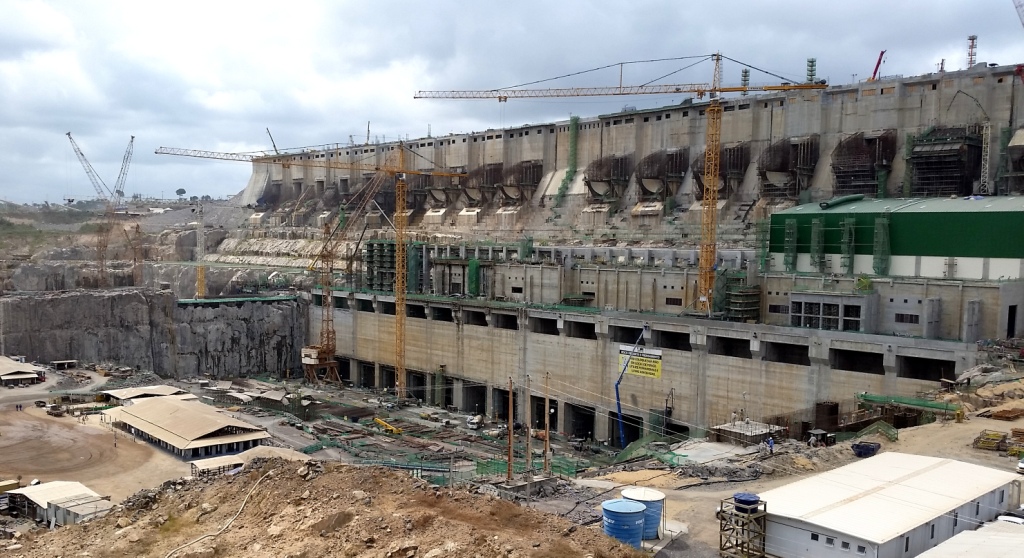
Discover the Mighty Barragem Belo Monte – A Must‑See Engineering Marvel in Pará, Brazil
If you’re hunting for a travel story that blends raw natural power with cutting‑edge engineering, look no further than the Barragem Belo Monte (Belo Monte Dam) in Altamira, Pará. This colossal structure sits on the Xingu River, carving a dramatic silhouette against the Amazon rainforest and offering an unforgettable experience for adventure‑seekers, nature lovers, and curious travelers alike.
1. Introduction
Imagine standing on a riverbank where the water roars through a canyon the size of a small city, while towering concrete walls rise like modern‑day cliffs. That’s the feeling you get at Barragem Belo Monte, one of the largest hydro‑electric projects in the world. The dam isn’t just a feat of engineering; it’s a gateway to the heart of the Amazon, a place where you can feel the pulse of Brazil’s energy future and the timeless rhythm of the jungle. Whether you’re a photography enthusiast, a student of sustainable development, or simply looking for a unique off‑the‑beaten‑path destination, Belo Monte promises a story you’ll tell for years to come.
2. About Barragem Belo Monte
- Location: Altamira, Pará, Brazil
- Coordinates: -3.133713, -51.777981
- Type: Hydroelectric dam (🏗️)
The Belo Monte Dam sits on the mighty Xingu River, a major tributary of the Amazon. Construction began in the early 2010s and the plant reached full commercial operation in 2019. While the exact height and altitude of the structure remain undisclosed, the sheer scale of the project is evident: the reservoir stretches over 500 km², and the installed capacity tops 11 GW, making it one of the most powerful hydroelectric stations on the planet.
Historical Context & Significance
The dam was conceived as part of Brazil’s ambitious plan to meet soaring energy demands while reducing reliance on fossil fuels. Its name—Belo Monte—means “beautiful hill” in Portuguese, a nod to the dramatic landscape that the project both reshapes and showcases. The development sparked intense debate, balancing economic growth, renewable energy, and the preservation of indigenous territories and biodiversity. Today, the dam stands as a symbol of Brazil’s complex relationship with its natural resources, offering visitors a chance to witness this dialogue first‑hand.
Why It Matters for Travelers
- Engineering Marvel: The concrete spillways, massive turbines, and extensive control rooms provide a rare glimpse into modern hydro‑power technology.
- Cultural Insight: Guided tours often include discussions on the social and environmental impact of the dam, giving travelers a deeper understanding of regional issues.
- Scenic Grandeur: The reservoir’s turquoise waters framed by lush rainforest create photo‑ops that rival any tropical beach.
For a quick factual overview, check the Wikipedia page: Represa de Belo Monte (Spanish).
3. How to Get There
By Air
The nearest gateway is Altamira Airport (AQA), located about 15 km north of the dam. Daily flights connect Altamira with Belém (BEL) and Manaus (MAO)—the two major hubs in the Amazon region. From the airport, you can hire a taxi or arrange a transfer through your hotel.
By Road
If you prefer a scenic drive, the BR‑163 highway (also known as the “Transamazônica”) links Altamira with other Amazonian cities. The road is paved and well‑marked, though traffic can be heavy during harvest season (June–August). Expect a 30‑minute drive from Altamira’s city center to the dam’s visitor entrance.
By River
Adventure travelers sometimes opt for a boat ride up the Xingu River from the town of Altamira. River trips provide an authentic Amazonian experience, with opportunities to spot river dolphins, caimans, and birdlife along the banks. Note that river transport is weather‑dependent and may require advance coordination with local operators.
Getting Around On‑Site
Parking is available at the Belo Monte Visitor Center. The site is spread across a large area, so comfortable walking shoes are a must. For those with limited mobility, shuttle services run between the main parking lot, the observation deck, and the guided‑tour platform.
4. Best Time to Visit
The Amazon basin experiences two distinct seasons:
| Season | Months | Weather | Travel Tips |
|---|---|---|---|
| Dry Season | May – October | Lower rainfall, clearer skies, river levels drop slightly | Ideal for photography, easier road conditions, and comfortable hikes. |
| Rainy Season | November – April | Frequent showers, higher humidity, river levels rise | Great for lush scenery and bird‑watching, but expect possible road delays. |
Peak visitation occurs during the dry season when the reservoir’s water levels are lower, exposing more of the dam’s massive structure for close‑up viewing. However, the rainy season offers a dramatic backdrop of mist‑shrouded forest, perfect for atmospheric shots.
5. What to Expect
The Visitor Experience
- Observation Deck: Panoramic platforms give you unobstructed views of the spillways and the Xingu River’s roaring flow. Binoculars are provided for spotting distant wildlife.
- Guided Tours: Usually 45‑minute walks led by bilingual (Portuguese/English) guides. Tours cover the dam’s engineering, its role in Brazil’s power grid, and the environmental mitigation measures in place.
- Interactive Exhibits: The visitor center houses touch‑screen displays, scale models, and a short documentary on the dam’s construction.
- Nature Walks: Small trails wind through secondary forest, where you can hear the calls of toucans, macaws, and howler monkeys.
Sensory Highlights
- Sound: The constant hum of turbines blends with the natural roar of the river—a reminder of humanity’s impact on nature.
- Sight: The contrast between concrete monoliths and the emerald canopy creates a striking visual dichotomy.
- Smell: Fresh river air mixed with the earthy scent of rainforest foliage.
Photography Tips
- Golden Hour: Arrive early (sunrise) or stay late (sunset) for soft, warm lighting on the dam’s surfaces.
- Long Exposures: Use a tripod to capture silky water effects over the spillways.
- Wide‑Angle Lens: Perfect for encompassing both the structure and surrounding forest in a single frame.
6. Nearby Attractions
While Barragem Belo Monte is the star of the show, the surrounding area offers several other points of interest—all within a 2‑km radius:
| Attraction | Distance | What to See |
|---|---|---|
| Belo Monte Dam – Spot 1 | 0.7 km | Alternate viewing angle of the main spillway. |
| Belo Monte Dam – Spot 2 | 0.9 km | Close‑up of turbine housings (guided access). |
| Belo Monte Dam – Spot 3 | 1.2 km | Panoramic vista of the reservoir’s edge. |
| Unnamed Dam Site | 1.8 km | Small auxiliary dam used for water regulation. |
| Belo Monte Dam – Spot 5 | 1.9 km | Observation platform with educational signage. |
(Links above are placeholders; you can replace them with actual URLs or map links when planning your trip.)
If you have extra time, consider venturing a bit farther to explore:
- Altamira City Center: A bustling riverside town with local markets, Amazonian cuisine, and cultural festivals.
- Xingu Indigenous Park: One of the world’s largest indigenous territories, offering guided cultural tours (arranged through local NGOs).
- Pará State Museum (Museu Paraense): Located in Belém, a short flight away, for a deeper dive into regional history.
7. Travel Tips
| Tip | Why It Matters |
|---|---|
| Pack Light, Pack Smart | Tropical humidity can be intense; breathable clothing, a hat, and sunscreen are essential. |
| Bring Insect Repellent | Mosquitoes are active year‑round, especially near the river. |
| Stay Hydrated | Altitude is low but the heat can be deceptive; carry a reusable water bottle. |
| Respect Local Guidelines | Certain areas are restricted for safety or environmental protection—listen to guides. |
| Cash & Cards | Small towns may only accept cash (Brazilian Real). ATMs are available in Altamira. |
| Language | Portuguese is the primary language; learning basic phrases (e.g., “Olá”, “Obrigado”) goes a long way. |
| Travel Insurance | Covers unexpected weather delays or medical needs in remote areas. |
| Photography Gear | Bring extra batteries and memory cards; power outlets may be limited. |
| Timing | Arrive at least 30 minutes before the scheduled tour to allow for registration. |
| Connectivity | Mobile signal can be spotty; download offline maps and translation apps beforehand. |
Final Thought
Visiting Barragem Belo Monte isn’t just about ticking off a massive dam from your bucket list—it’s an immersion into Brazil’s dynamic interplay of nature, technology, and culture. From the thunderous rush of the Xingu River to the quiet whispers of the surrounding rainforest, every moment here feels larger than life. So pack your bags, charge your camera, and set your compass for Altamira—an unforgettable adventure awaits!
Keywords: Barragem Belo Monte, Belo Monte dam, Altamira Pará travel, Amazon dam tours, Xingu River, Brazil hydroelectric, visiting Belo Monte, travel to Pará Brazil, Amazon rainforest attractions, sustainable tourism Brazil.