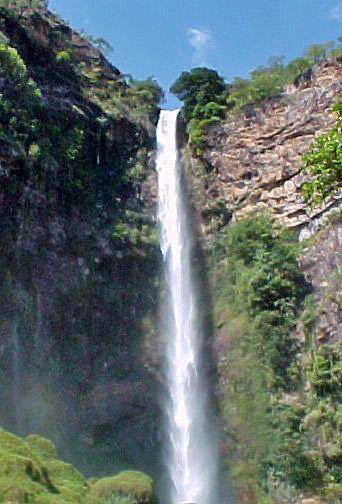
Salto do Itiquira – Brazil’s Hidden Waterfall Gem in Goiás
If you’re chasing crystal‑clear waters, lush Atlantic forest, and a splash of adventure off the beaten path, Salto do Itiquira in Planaltina, Goiás should be at the top of your Brazil travel list.
1. Introduction
Imagine stepping off a dusty highway into a tropical oasis where a towering cascade thunders into a turquoise pool, the mist kissing your skin and the surrounding forest humming with life. That’s the moment you’ll experience at Salto do Itiquira, one of Goiás’s most spectacular waterfalls. Nestled just 70 km north of Brasília, this natural wonder offers a perfect blend of easy accessibility and untouched beauty—making it an ideal day‑trip for solo travelers, families, and adventure‑seekers alike.
2. About Salto do Itiquira
A Brief Description
Salto do Itiquira (Portuguese: Cachoeira do Itiquira) is a waterfall located in the municipality of Planaltina, Goiás, Brazil. The falls drop into a deep, emerald‑green pool that invites swimmers and photo‑enthusiasts. While the exact height and altitude are not officially documented, the sheer volume of water and the surrounding rainforest give the impression of a powerful, high‑energy cascade that rivals many of Brazil’s better‑known falls.
History & Cultural Significance
The Itiquira River, which feeds the waterfall, has long been a vital water source for the local communities and indigenous peoples of the region. Over the years, the area around the falls has become a popular spot for ecotourism, helping to promote conservation of the Atlantic Forest fragment that surrounds it. The name “Itiquira” itself is derived from the Tupi‑Guarani language, reflecting the deep indigenous roots of the region.
Why It Stands Out
- Proximity to the Capital: Only about a 1‑hour drive from Brasília, Salto do Itiquira offers a quick nature escape from the city’s hustle.
- Pristine Environment: The waterfall is set within a protected area, preserving its crystal‑clear waters and vibrant flora.
- Family‑Friendly: Gentle walking trails, shallow swimming spots, and picnic areas make it suitable for all ages.
3. How to Get There
| Step | Details |
|---|---|
| Starting Point | Brasília (or any city in the Federal District) |
| Transportation | Rent a car, join a guided tour, or take a local bus to Planaltina. The most flexible option is a rental car; the route is well‑signposted. |
| Driving Directions | From Brasília, take BR‑040 north toward Planaltina. After about 55 km, follow signs for Cachoeira do Itiquira. The final 5 km are paved, leading to a modest parking lot right before the trailhead. |
| Coordinates | -15.368432, -47.455518 – paste these into your GPS for pinpoint accuracy. |
| Parking & Fees | A small entrance fee (≈ R$ 5‑10) is charged for park maintenance. Parking is free for cars and motorcycles. |
| Accessibility | The main trail to the viewing platform is a well‑maintained dirt path, roughly 300 m long and suitable for most walkers. No wheelchair access is available at this time. |
Tip: If you’re traveling from other parts of Goiás, the quickest route is via GO‑020 to Planaltina, then follow the same local signs.
4. Best Time to Visit
| Season | Weather | Water Flow | Visitor Experience |
|---|---|---|---|
| Dry Season (May – September) | Warm, lower humidity, occasional rain showers | Moderate flow – water is still impressive but more manageable for swimming. | Ideal for hiking and photography; fewer crowds. |
| Rainy Season (October – April) | Higher humidity, frequent afternoon showers | Peak flow – the cascade becomes thunderous, creating spectacular mist and rainbows. | Best for dramatic photos, but trails can be slippery; bring waterproof gear. |
Overall recommendation: Late August to early October offers a balance of strong water flow and comfortable weather, making it the sweet spot for most travelers.
5. What to Expect
The Arrival
As you step out of your car, the scent of damp earth and tropical foliage greets you. A short, shaded trail leads you through a gallery of native trees—ipês, pau‑brasil, and a chorus of birdcalls. The sound of rushing water grows louder with each step, building anticipation.
The View
Reaching the viewpoint, you’ll see the waterfall plunge into a natural pool framed by moss‑covered rocks. The water’s turquoise hue contrasts beautifully against the dark basaltic stones, while sunlight filters through the canopy, creating a shimmering veil of light.
Activities
- Swimming: The pool at the base is safe for swimming, especially during the dry season. The water is refreshingly cool—perfect after a hike.
- Photography: Golden hour (just after sunrise or before sunset) offers soft lighting for stunning waterfall shots. Don’t forget a waterproof case for your camera!
- Picnicking: Designated picnic tables and grills are available near the parking area. Pack a Brazilian snack like pão de queijo and enjoy it with the sound of the falls as your soundtrack.
- Birdwatching: Keep an eye out for tucanos, araras, and smaller forest birds that frequent the area.
Facilities
- Restrooms: Basic but clean facilities are located near the parking lot.
- Food Vendors: Small kiosks sell fresh fruit, bottled water, and local snacks.
- Souvenir Stalls: Hand‑crafted jewelry and wooden crafts made by local artisans are often available.
6. Nearby Attractions
While Salto do Itiquira can easily fill a full day, the surrounding region boasts several other natural gems worth exploring:
| Attraction | Distance | Highlights |
|---|---|---|
| Cachoeira Véu de Noiva | 1.2 km | A delicate “Bride’s Veil” waterfall that creates a fine mist—great for a quick photo stop. |
| Cachoeira do Indaiá | 2.6 km | A series of smaller cascades ideal for a short hike and a quiet swim. |
| Cachoeira do Espanhol | 2.9 km | Known for its rugged rocks and a natural slide formed by the water flow. |
| [Unnamed Waterfall] | 22.1 km | A larger, more remote cascade offering a sense of adventure for seasoned hikers. |
| [Unnamed Dam] | 38.6 km | A scenic reservoir perfect for kayaking and sunset views. |
All attractions can be reached via local dirt roads; a 4×4 vehicle is recommended for the longer trips.
7. Travel Tips
| Tip | Why It Matters |
|---|---|
| Bring Cash | Entrance fees, food stalls, and souvenir vendors typically accept only cash (Brazilian reais). |
| Pack Light, Pack Smart | A small daypack with a water bottle, sunscreen, insect repellent, and a quick‑dry towel will keep you comfortable. |
| Wear Proper Footwear | Trail can be slippery, especially after rain. Sturdy hiking sandals or shoes with good grip are essential. |
| Respect the Environment | Stay on marked paths, avoid littering, and do not disturb wildlife. The area is a protected ecological zone. |
| Check Weather Forecast | Sudden storms can cause rapid water level rises. If heavy rain is predicted, consider postponing your visit. |
| Early Arrival | Arriving before 10 am helps you avoid the midday heat and the larger crowds that gather later in the day. |
| Local Guides | Hiring a local guide (often available at the entrance) can enrich your experience with stories about the waterfall’s history and the surrounding forest. |
| Connectivity | Mobile signal can be spotty; download offline maps and any essential information before you go. |
| Safety First | Swimming is safe in designated areas, but avoid venturing too close to the waterfall’s edge during high flow. |
Final Thoughts
Salto do Itiquira is more than just a waterfall; it’s a living postcard of Goiás’s natural splendor, a place where the rhythm of the river syncs with the heartbeat of travelers seeking authentic Brazil. Whether you’re a photographer chasing that perfect mist‑kissed shot, a family looking for a safe swimming spot, or an adventure lover eager to explore hidden cascades, this waterfall delivers an unforgettable experience.
Pack your bags, fuel up the car, and let the roar of Salto do Itiquira guide you to a day of wonder in the heart of Brazil’s central highlands.
Ready to chase waterfalls? Add Salto do Itiquira to your itinerary and discover why Goiás is quickly becoming Brazil’s next big travel destination.