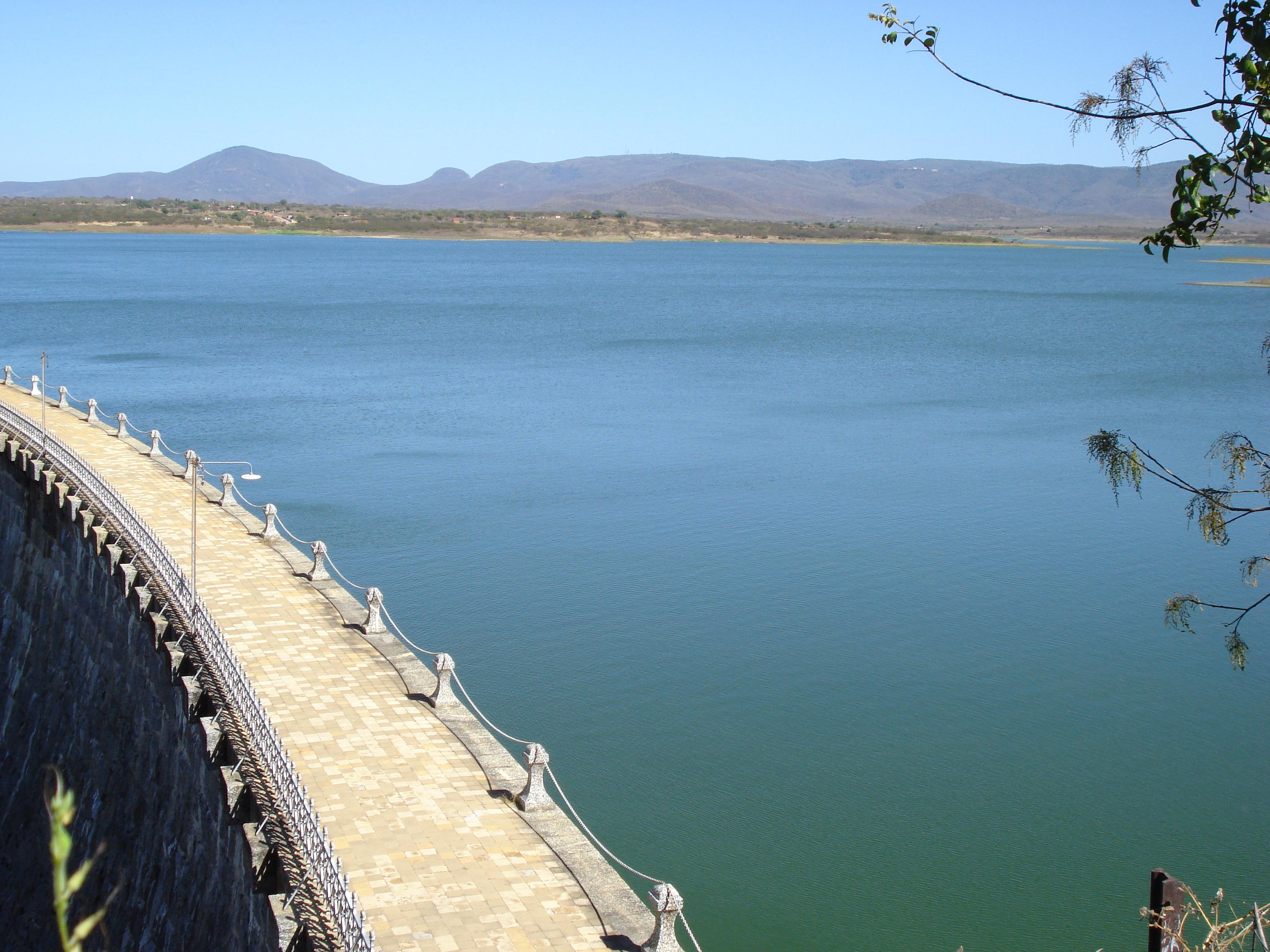
Discover Barragem Central – The Hidden Gem of Quixadá, Ceará
If you think Brazil is only about samba, beaches, and the Amazon, think again. Tucked in the semi‑arid heart of Ceará lies a modest yet mesmerizing structure that tells a story of water, community, and quiet adventure. Welcome to Barragem Central, the central dam of Quixadá, a perfect off‑the‑beaten‑path destination for curious travelers.
1. Introduction
Imagine standing on a low‑lying ridge, the sun casting a golden hue over a sparkling reservoir, and a gentle breeze carrying the scent of cactus flowers. In the distance, the rugged peaks of the Serra da Ibiapaba rise like stone guardians. This is the scene at Barragem Central (also known locally as Açude do Cedro), a 15‑metre‑high dam that may be small in stature but huge in charm.
For backpackers, road‑trippers, and anyone looking to explore the authentic side of Ceará, Brazil, the dam offers a peaceful retreat, photo‑worthy landscapes, and a glimpse into the region’s water‑management heritage. In this guide, we’ll walk you through everything you need to know to make the most of your visit.
2. About Barragem Central
- Type: Dam (🏗️)
- Location: Quixadá, Ceará, Brazil
- Coordinates: -4.978246, -39.062926
- Height: 15 m
- Altitude: Not publicly documented
History & Significance
Barragem Central is part of a network of small reservoirs that have historically supplied water to the semi‑arid interior of Ceará. While detailed archival records are limited, the dam’s local name—Açude do Cedro—hints at its origins tied to the cedro (cedar) trees that once lined its banks. These modest structures were crucial for irrigation, livestock, and the daily needs of towns like Quixadá, especially during the long dry season that characterises the Nordeste region.
Today, the dam continues to serve the community while also becoming a quiet attraction for eco‑tourists and photographers. Its calm waters reflect the dramatic sky, and the surrounding landscape showcases the unique caatinga vegetation—a thorny scrubland found only in Brazil’s interior.
Why It Matters
- Water Security: Barragem Central helps regulate water flow for agriculture and local households.
- Cultural Identity: The dam is a landmark for Quixadá residents, often featured in local festivals and stories.
- Scenic Value: The reservoir offers a natural mirror for sunrise and sunset shots, making it a favorite spot for Instagrammers seeking authentic Brazilian scenery.
3. How to Get There
By Air
The nearest major airport is Pinto Martins International Airport (FOR) in Fortaleza, about 300 km (≈ 4‑5 hours by car) from Quixadá. From the airport, you can rent a car or catch a regional bus to the city of Quixadá.
By Bus
Long‑distance bus companies such as Viação Nordeste and Expresso Guanabara operate daily routes from Fortaleza to Quixadá. The journey takes roughly 4 hours, and the bus terminal is within walking distance of the town centre.
By Car
If you prefer the freedom of a road trip, drive south on BR‑116 (the main highway connecting Fortaleza to the interior). After passing the town of Quixeramobim, follow the signs for Quixadá. From the city centre, Barragem Central is located just a few kilometres west of the main highway.
- GPS Coordinates:
-4.978246, -39.062926(enter into any navigation app) - Parking: Small municipal parking lots are available near the dam; arrive early during peak weekend hours to secure a spot.
Public Transport & Ride‑Sharing
Local minibusses (known as van‑tour) run from the Quixadá bus terminal to the dam area a few times a day. Ride‑sharing apps like Uber and 99 also operate in Quixadá, though coverage may be limited outside the urban core.
4. Best Time to Visit
Quixadá experiences a semi‑arid climate with two distinct seasons:
| Season | Months | Weather Highlights | Visitor Tips |
|---|---|---|---|
| Rainy Season | January – May | Occasional showers, reservoir levels rise, lush vegetation | Ideal for photography – water levels are highest, creating dramatic reflections. |
| Dry Season | June – December | Clear skies, low humidity, cooler evenings | Perfect for hiking and stargazing; the dam’s water may be lower but the surrounding caatinga is strikingly beautiful. |
Peak Visitor Period: The months of March and April offer a balance of pleasant temperatures and fuller water levels, making them the most photogenic.
5. What to Expect
The Landscape
Approaching Barragem Central, you’ll first notice the gentle curve of the reservoir against a backdrop of granite monoliths that rise abruptly from the plains. The water, usually a muted turquoise, reflects the sky and the occasional cactáceas (cactus) that dot the shore.
Activities
- Sunrise & Sunset Watching: The dam’s open horizon provides uninterrupted views of the sun painting the sky in oranges and purples.
- Birdwatching: Look out for Guará (Scarlet Ibis) and Caracará (Roadrunner) that frequent the water’s edge.
- Photography: Low‑angle shots of the dam’s concrete spillway against the rugged cliffs are a must.
- Picnics: Bring a light snack and a blanket; locals often gather here for family picnics, especially on weekends.
Facilities
The site is modestly equipped: a small information kiosk, basic restroom facilities, and a shaded seating area. No formal visitor centre exists, so it’s wise to bring water, sunscreen, and a hat.
6. Nearby Attractions
Barragem Central sits in a cluster of small dams and natural sites that make for an excellent day‑trip circuit. All are within a 10‑km radius, so you can explore them by foot, bike, or a short drive.
| Attraction | Distance from Barragem Central | What to See |
|---|---|---|
| Vertedouro Dam | 0.3 km | A tiny spillway offering close‑up views of water flow. |
| Barragem Sul | 0.4 km | Another historic reservoir; great for quiet contemplation. |
| Barragem do Forges | 0.7 km | Features a rustic stone bridge—perfect for Instagram shots. |
| Unnamed Dam | 7.6 km | A larger water body surrounded by caatinga trails. |
| Barragem (generic) | 9.4 km | Offers a panoramic viewpoint of the surrounding plateau. |
Quick Links (if you want to learn more):
(Feel free to replace the placeholder links with the exact coordinates or official pages when available.)
Extending Your Stay
If you have extra time, consider heading to the Serra da Ibiapaba for hiking, or visit the historic town of Quixadá itself, famous for its “Stone City” rock formations and the Festival de Inverno (Winter Festival) held each July.
7. Travel Tips
| Tip | Details |
|---|---|
| Bring Cash | Small towns in Ceará often prefer cash for entrance fees or local purchases. |
| Stay Hydrated | Even in the dry season, temperatures can soar above 30 °C (86 °F). Carry a reusable water bottle. |
| Respect the Environment | The caatinga is fragile; avoid picking plants or disturbing wildlife. |
| Dress Appropriately | Light, breathable clothing, a wide‑brim hat, and sturdy walking shoes are ideal. |
| Timing | Arrive early (around sunrise) to avoid the midday heat and capture the best light for photos. |
| Local Cuisine | Try the regional dish “Baião de Dois” at a nearby family‑run restaurant—delicious and hearty. |
| Safety | The area is generally safe, but keep an eye on personal belongings, especially near the water’s edge. |
| Connectivity | Mobile coverage is decent in Quixadá, but may be spotty near the dam; download offline maps beforehand. |
Final Thought
Barragem Central may not appear on the usual travel itineraries, but that’s precisely why it’s worth the journey. It offers a rare glimpse into the water culture of Brazil’s semi‑arid interior, framed by striking landscapes that change dramatically with the seasons. Whether you’re a photographer hunting the perfect reflection, a nature lover eager to explore the caatinga, or a traveler simply craving a quiet spot away from crowds, Barragem Central invites you to pause, breathe, and discover a side of Ceará that few get to see.
Pack your camera, hit the road, and let the tranquil waters of this humble dam become a memorable chapter in your Brazilian adventure. Safe travels!