Discover Dique Caracores – San Juan’s Hidden Dam Gem
If you think Argentina is only about tango, steak, and Patagonia, think again. Tucked high in the Andes foothills of Zonda, the Dique Caracores (Los Caracores Dam) offers a striking blend of engineering marvel, rugged mountain scenery, and off‑the‑beaten‑path adventure. Whether you’re a road‑trip enthusiast, a photography lover, or a curious traveler seeking Argentina’s lesser‑known wonders, this dam deserves a spot on your itinerary.
1. Introduction
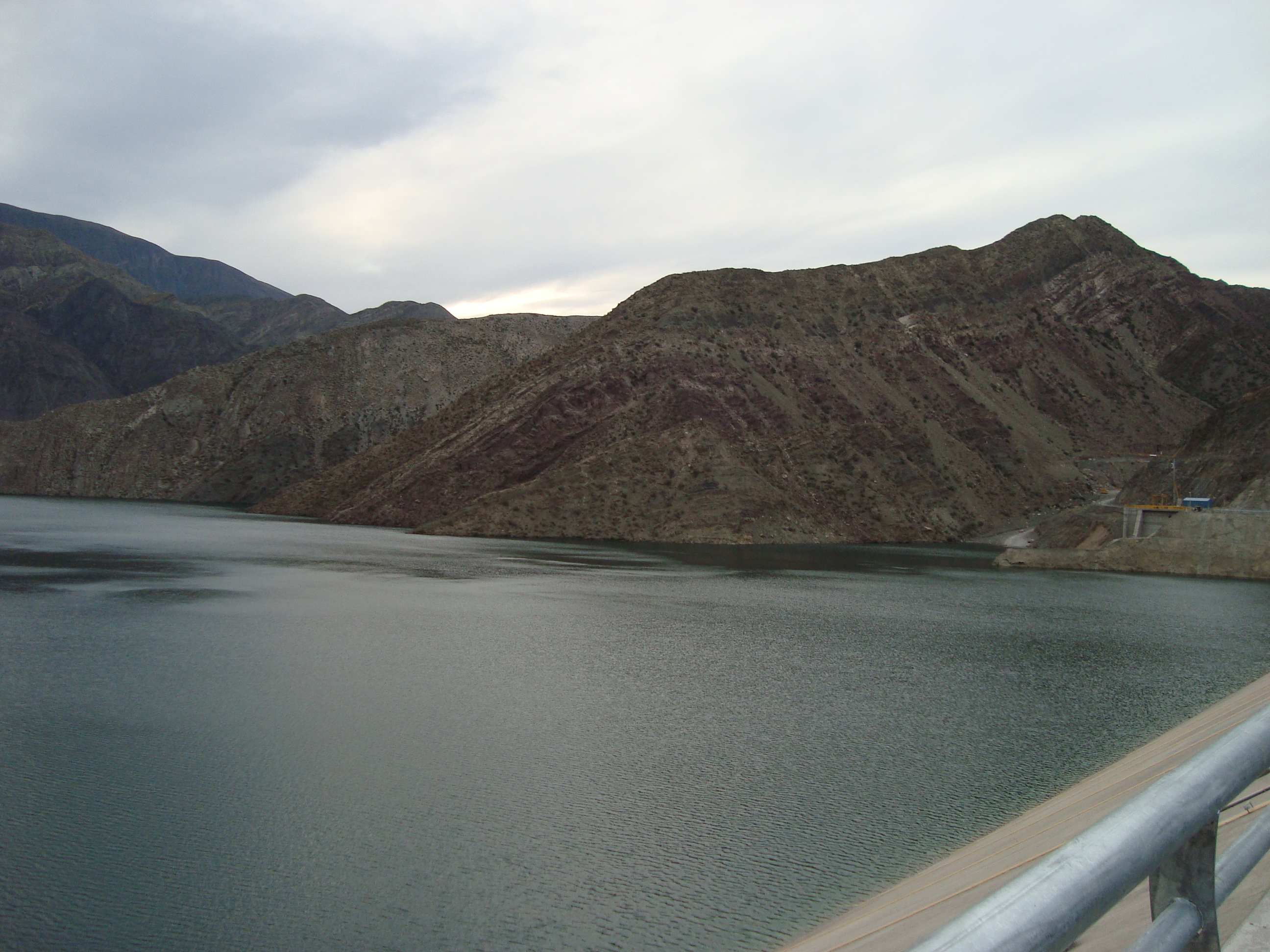
Imagine standing on a concrete wall that stretches 136 meters high, looking out over a turquoise reservoir perched at 942 m above sea level. The wind carries a faint scent of alpine herbs, and the distant peaks of the San Juan province glow in the late afternoon sun. That’s the experience awaiting you at Dique Caracores, a modern dam that not only supplies water and hydro‑electric power to the region but also creates a dramatic landscape perfect for exploration, photography, and quiet contemplation.
In recent years, travelers have begun to discover this hidden gem, and it’s quickly becoming a must‑see for anyone venturing into Argentina’s interior. Below you’ll find everything you need to plan a seamless visit—from history and logistics to the best time of year to soak in the views.
2. About Dique Caracores
A Brief History
The Represa Los Caracores—commonly called Dique Caracores—was built as part of San Juan’s water‑management and energy‑generation strategy. While exact construction dates are not widely publicized, the dam’s towering 136 m structure reflects Argentina’s mid‑20th‑century push to harness Andean runoff for irrigation, municipal supply, and hydroelectric power. Its location in the Zonda department was chosen for the natural funnel created by surrounding valleys, allowing the dam to capture runoff from the high‑altitude catchment area efficiently.
Why It Matters
- Water Security: The reservoir stores vital water for agriculture in the arid San Juan province, supporting vineyards, olive groves, and fruit orchards that define the region’s economy.
- Renewable Energy: By converting flowing water into electricity, Dique Caracores contributes to Argentina’s renewable‑energy mix, reducing reliance on fossil fuels.
- Tourism Potential: The dam’s dramatic height and the surrounding Andean scenery make it an emerging spot for eco‑tourism, bird‑watching, and landscape photography.
If you’re curious for more technical details, the Spanish‑language Wikipedia entry offers a concise overview: Represa Los Caracores (Wikipedia).
3. How to Get There
By Air
The closest major airport is San Juan International Airport (SLA), located about 70 km north of the dam. From the airport, you can rent a car or arrange a private transfer.
By Car
Driving is the most flexible way to reach Dique Caracores. Here’s a simple route:
- From San Juan City: Take Ruta Nacional 40 (RN‑40) heading south toward Zonda.
- After roughly 55 km, turn onto Provincial Route 20 (RP‑20) heading east.
- Follow the signs for Dique Caracores; the road winds through scenic valleys and offers several pull‑outs for photo stops.
The total drive is about 1.5 hours on paved roads, with the final 10 km featuring gentle curves and altitude changes.
Public Transport
Buses run regularly between San Juan City and Zonda. From Zonda, you’ll need a local taxi or a rideshare service to cover the last 15 km to the dam. Keep in mind that service frequency may be limited on weekends, so plan ahead.
GPS Coordinates
If you prefer navigation apps, enter the exact coordinates: -31.519381, -68.982366. This will drop you right at the dam’s visitor viewpoint.
4. Best Time to Visit
| Season | Weather | Visitor Experience |
|---|---|---|
| Spring (Sept‑Nov) | Mild temperatures (15‑22 °C), occasional rain showers | Ideal for wildflower photography; water levels are rising, revealing fresh shoreline vistas. |
| Summer (Dec‑Feb) | Warm to hot (25‑35 °C), low precipitation | Great for picnics and water‑edge walks, but the reservoir can be windier; bring sun protection. |
| Autumn (Mar‑May) | Comfortable (12‑20 °C), clear skies | Perfect for golden‑hour shots; foliage begins to change color in surrounding hills. |
| Winter (Jun‑Aug) | Cooler (5‑12 °C), occasional frost at higher altitudes | Fewer tourists, dramatic low‑light conditions; check road conditions for possible snow or ice. |
Recommendation: For most travelers, late spring (October‑early November) or early autumn (mid‑April) provides the best balance of pleasant weather, vibrant scenery, and manageable crowd levels.
5. What to Expect
The Visual Spectacle
- Massive Concrete Wall: The dam’s sheer height of 136 m dominates the horizon, especially when viewed from the lower reservoir shore.
- Turquoise Reservoir: Depending on the season, the water can range from deep blue to emerald green, reflecting surrounding peaks.
- Andean Backdrop: Snow‑capped mountains loom in the distance, offering a dramatic contrast to the man‑made structure.
Activities
- Scenic Walks: A short, well‑maintained trail circles the reservoir, with several lookout platforms equipped with safety railings.
- Photography: Sunset and sunrise are spectacular; the dam’s silhouette against the glowing sky is a favorite among Instagrammers.
- Birdwatching: The reservoir attracts a variety of waterfowl, including herons and kingfishers—bring binoculars for a closer look.
Facilities
While Dique Caracores is primarily an engineering site, the visitor area includes:
- Parking lot (capacity ~30 cars)
- Picnic tables and a small shaded pavilion
- Restroom facilities (basic, but clean)
- Information board detailing dam specifications and environmental impact
There are no on‑site restaurants, so we recommend packing a lunch or stopping in Zonda for a bite before heading out.
6. Nearby Attractions
After you’ve soaked in the dam’s grandeur, explore the surrounding region. All sites are within a 20‑km radius, making them perfect for a day‑trip itinerary.
| Attraction | Distance from Dique Caracores | What to See | Link |
|---|---|---|---|
| Spring (Manantial) – San Juan | 13.6 km | Freshwater spring, natural pools, local folklore | (no dedicated URL; search “Manantial San Juan Argentina”) |
| Dique Punta Negra | 15.6 km | Another impressive dam with a tranquil lake; great for kayaking | (search “Dique Punta Negra San Juan”) |
| Aliviadero Dam | 15.7 km | Small dam offering scenic walking trails and picnic spots | (search “Aliviadero Dam San Juan”) |
| Dique El Tambolar (under construction) | 17.6 km | Future dam project; watch the construction progress and learn about regional water management | (search “Dique El Tambolar San Juan”) |
| Waterfall (Cascada) – San Juan | 18.6 km | A hidden waterfall surrounded by native vegetation; ideal for a refreshing dip | (search “Cascada San Juan Argentina”) |
Tip: Combine a visit to Dique Caracores with a stop at Dique Punta Negra for a relaxed afternoon by the water, then finish the day at the nearby waterfall for a splash of nature.
7. Travel Tips
| Tip | Details |
|---|---|
| Carry Cash | Small towns like Zonda may have limited card acceptance, especially at local eateries. |
| Fuel Up Early | Gas stations are sparse between San Juan City and the dam; fill up in the city or Zonda. |
| Sun Protection | Altitude (942 m) means stronger UV rays. Sunscreen, hat, and sunglasses are a must. |
| Dress in Layers | Weather can shift quickly; a light jacket is useful, especially in spring or autumn mornings. |
| Respect the Environment | The reservoir supplies drinking water; avoid littering and stay on marked paths. |
| Check Road Conditions | In winter, occasional snow or frost can affect the final stretch. Local radio or the San Juan tourism office provides updates. |
| Timing for Photos | Arrive 30 minutes before sunrise or stay after sunset for the most dramatic lighting on the dam’s façade. |
| Local Cuisine | Try a “chivito” (young goat) or empanadas sanjuaninas in Zonda—delicious regional specialties. |
| Connectivity | Mobile signal is moderate; download offline maps beforehand. |
| Guided Tours | While no official tours exist, local guides in Zonda can arrange a short explanatory walk around the dam. |
Wrap‑Up
Dique Caracores may not yet be on every traveler’s radar, but its towering presence, crystal‑clear reservoir, and surrounding Andean scenery make it a compelling addition to any San Juan, Argentina adventure. From the engineering marvel itself to the nearby springs, dams, and waterfalls, the area offers a blend of natural beauty and human ingenuity that’s perfect for curious explorers.
Pack your camera, hit the road, and discover why this high‑altitude dam is quickly becoming one of Argentina’s most Instagram‑worthy hidden gems. Safe travels!
Keywords: Dique Caracores, Los Caracores dam, San Juan Argentina travel, Zonda dam, Argentina off‑the‑beaten‑path, Andean reservoir, Argentine dam tourism, best time to visit Dique Caracores, nearby attractions San Juan