Iguazú Falls: The Thundering Jewel of Misiones, Argentina
Discover why this 82‑meter waterfall is a must‑see destination for adventure seekers, nature lovers, and anyone chasing unforgettable travel moments.
1. Introduction
Imagine standing at the edge of a colossal curtain of water that stretches for nearly three kilometers, the roar echoing like distant thunder, mist kissing your face, and rainbows dancing in the spray. Welcome to Iguazú Falls, the crown jewel of Misiones, Argentina. Whether you’re scrolling through Instagram, planning a South American road trip, or ticking off UNESCO World Heritage sites, Iguazú promises a sensory overload you’ll remember forever.
2. About Iguazú Falls
A Natural Masterpiece
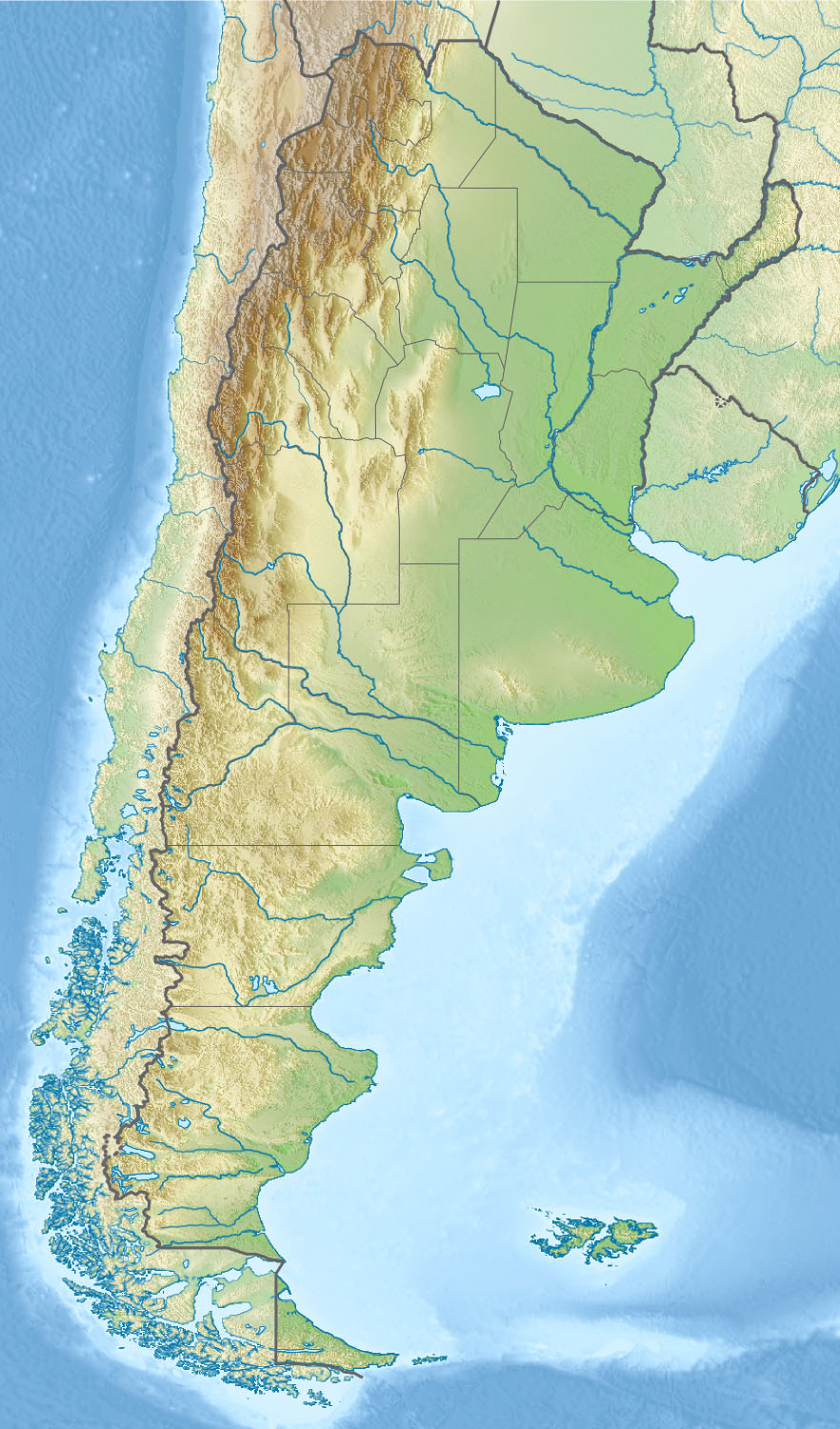
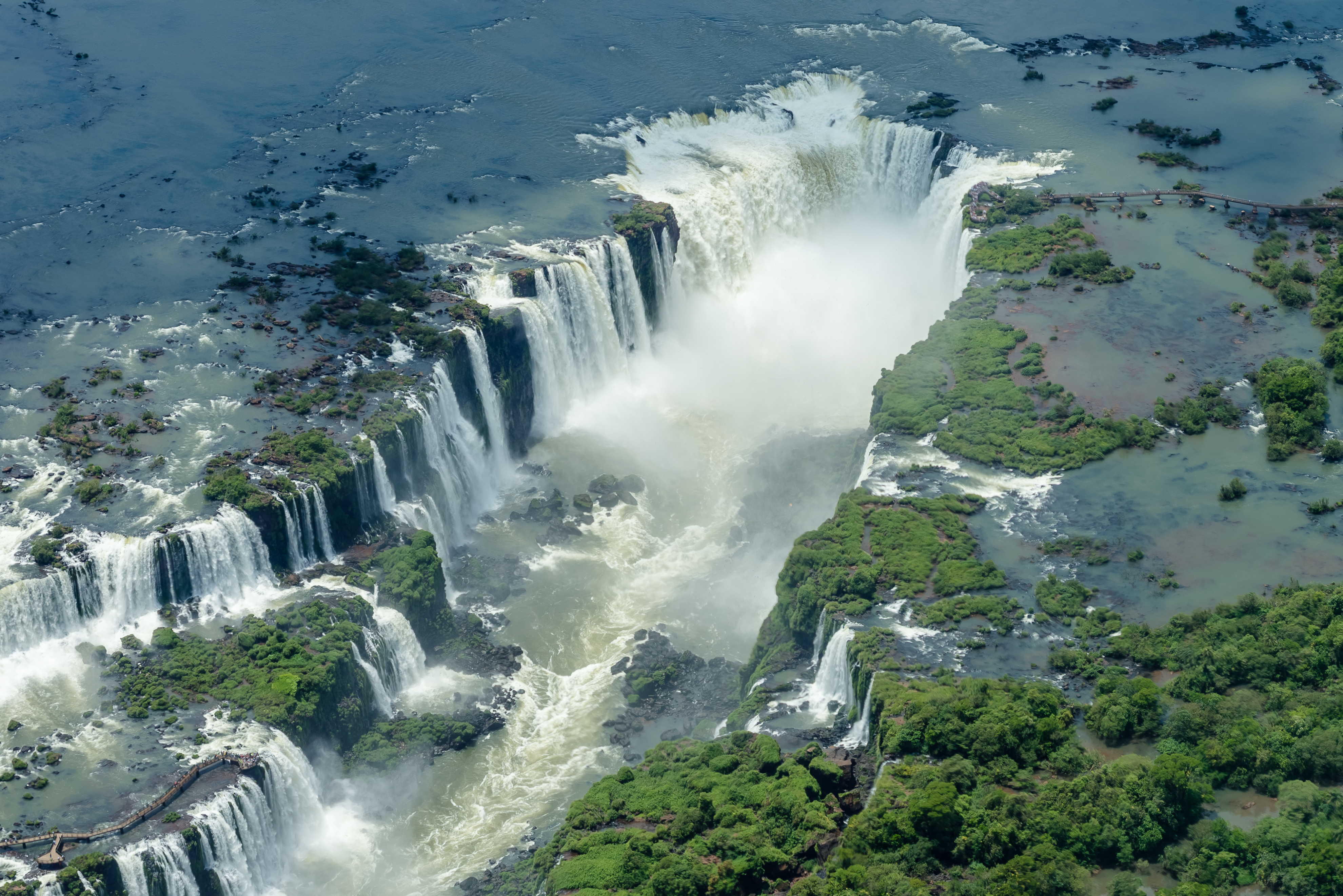
Located at -25.693905, -54.436538 near the town of Puerto Iguazú, Iguazú Falls is a series of 275 individual waterfalls that tumble over the basaltic cliffs of the Iguazú River. The most famous of these cascades is the Garganta del Diablo (Devil’s Throat), a U‑shaped chasm 80 m high and 150 m wide that creates a thunderous vortex of water and wind.
History & Significance
The name “Iguazú” comes from the Guarani word y (water) and guasu (big), literally “big water.” Indigenous peoples have revered the falls for centuries, considering them a sacred place of power. In 1984, UNESCO recognized Iguazú Falls as a World Heritage Site for both its natural beauty and its ecological importance, protecting a rich ecosystem that houses jaguars, toucans, and countless other species.
Why It Matters
Beyond its visual drama, Iguazú plays a crucial role in the Atlantic Forest (Mata Atlântica) biome, acting as a natural barrier that nurtures biodiversity on both the Argentine and Brazilian sides of the border. The falls also drive a thriving tourism economy for Misiones, drawing millions of visitors each year who come to experience the raw power of water in its purest form.
3. How to Get There
By Air
The nearest gateway is Cataratas del Iguazú International Airport (IGR), just 15 km from Puerto Iguazú. Daily flights connect IGR with Buenos Aires, São Paulo, and other regional hubs.
By Land
- From Buenos Aires: Take a domestic flight (≈ 1.5 h) to IGR, then a taxi or shuttle to the falls.
- From Brazil: Fly into Foz do Iguaçu International Airport (IGU) and cross the border via the Friendship Bridge; the Argentine side is a short bus ride away.
- By Bus: Long‑distance coaches run from major Argentine cities (e.g., Córdoba, Rosario) to Puerto Iguazú. The journey offers scenic views of the Paraná River and the Mesopotamian plains.
Getting Around the Park
Once you arrive, the Iguazú National Park (Argentina) provides well‑marked trails, shuttle buses, and boat tours that whisk you close to the base of the falls. Tickets are sold at the park entrance; keep your passport handy for border‑related checks if you plan to cross into Brazil’s counterpart park.
4. Best Time to Visit
| Season | Weather | Water Flow | Visitor Crowd |
|---|---|---|---|
| Summer (Dec‑Feb) | Warm, frequent rain showers | Highest flow – waterfalls at their fullest | Peak season – book early |
| Autumn (Mar‑May) | Mild, less humidity | Strong flow, pleasant temperatures | Good balance of crowd and scenery |
| Winter (Jun‑Aug) | Cooler, occasional fog | Slightly lower flow, but still impressive | Low season – ideal for tranquility |
| Spring (Sep‑Nov) | Warm, blooming flora | Rising water levels, vibrant vegetation | Moderate crowds, excellent photo ops |
Pro tip: The falls are spectacular year‑round, but if you crave the thunderous roar and vibrant rainbows, aim for the wet season (December‑March). For a quieter experience with comfortable hiking weather, visit during autumn.
5. What to Expect
The Sensory Experience
- Sound: The combined roar of hundreds of cascades can be heard from the park’s main viewing platforms, a deep, resonant hum that vibrates through the ground.
- Sight: From the panoramic Upper Circuit you’ll see the sheer scale of the falls, while the Lower Circuit brings you closer to the mist‑soaked rocks. The iconic Garganta del Diablo offers a dramatic, almost cinematic vista.
- Touch: Mist drifts constantly; bring a waterproof jacket or poncho. Many visitors love the refreshing spray that cools you on hot days.
Trail Highlights
- Upper Circuit (≈ 1.2 km): Offers sweeping views of the entire waterfall system, perfect for wide‑angle photography.
- Lower Circuit (≈ 1.8 km): Takes you right to the foot of individual cascades, where you can feel the power of the water.
- Garganta del Diablo Walk (≈ 800 m): A short but steep path leading to a viewing platform that looks straight into the Devil’s Throat.
Wildlife Encounters
The park’s subtropical forest teems with life. Keep an eye out for colorful macaws, coatis, and, if you’re lucky, a jaguar prowling the dense underbrush. Early mornings and late afternoons are the best times for wildlife spotting.
6. Nearby Attractions
While Iguazú Falls is the star attraction, Misiones offers several other natural gems just a stone’s throw away.
- Garganta del Diablo (waterfall) – The most famous plunge of the falls, located only 0.1 km from the main visitor area. Learn more
- Other Waterfalls (0.0 km) – Within the park’s boundaries, you’ll encounter numerous smaller cascades that add to the overall spectacle.
- Additional Waterfall (0.1 km) – A short trek from the main trail leads to lesser‑known falls, perfect for a quiet pause.
All these spots are interconnected by well‑maintained trails, allowing you to explore the entire waterfall complex without leaving the park.
7. Travel Tips
| Tip | Why It Matters |
|---|---|
| Pack waterproof gear | Mist is constant; a light rain jacket or poncho protects your camera and clothing. |
| Wear sturdy, breathable shoes | Trails can be slippery and uneven; good traction prevents slips. |
| Bring insect repellent | The subtropical forest is home to mosquitoes, especially in summer. |
| Start early | Arriving at opening (usually 8 am) helps you beat the crowds and catch the best light for photos. |
| Stay hydrated & bring snacks | While there are kiosks, lines can be long during peak hours. |
| Carry a reusable water bottle | Many park areas have refill stations; staying hydrated is crucial in the humid climate. |
| Respect wildlife | Keep a safe distance, avoid feeding animals, and stay on marked paths to protect the ecosystem. |
| Currency | Argentine pesos are accepted in Puerto Iguazú; many vendors also take US dollars. Have small bills for tips and souvenirs. |
| Language | Spanish is the official language; a few basic phrases go a long way, especially when navigating local transport. |
| Border crossing | If you plan to visit the Brazilian side (Foz do Iguaçu), bring your passport and be prepared for customs checks. |
Bonus: Best Photo Spots
- Panoramic Platform – Capture the entire cascade system at sunrise.
- Garganta del Diablo viewpoint – Ideal for dramatic close‑ups of the roaring vortex.
- Boat tour decks – Get wet‑kissed shots from the river’s surface, with the falls towering overhead.
Final Thoughts
Iguazú Falls isn’t just another waterfall; it’s a living, breathing masterpiece that showcases the raw power of nature and the cultural heritage of the Guarani people. From the thunderous plunge of the Devil’s Throat to the tranquil forest trails that surround it, every moment here feels larger than life.
Plan your trip, pack your sense of adventure, and let the mist of Iguazú awaken your wanderlust. Whether you’re a solo backpacker, a family on vacation, or a couple seeking romance, this Argentine wonder will leave you awe‑struck and eager to return.
Ready to chase waterfalls? Book your flight to Puerto Iguazú, lace up those hiking boots, and let the roar of Iguazú Falls guide you to unforgettable memories.