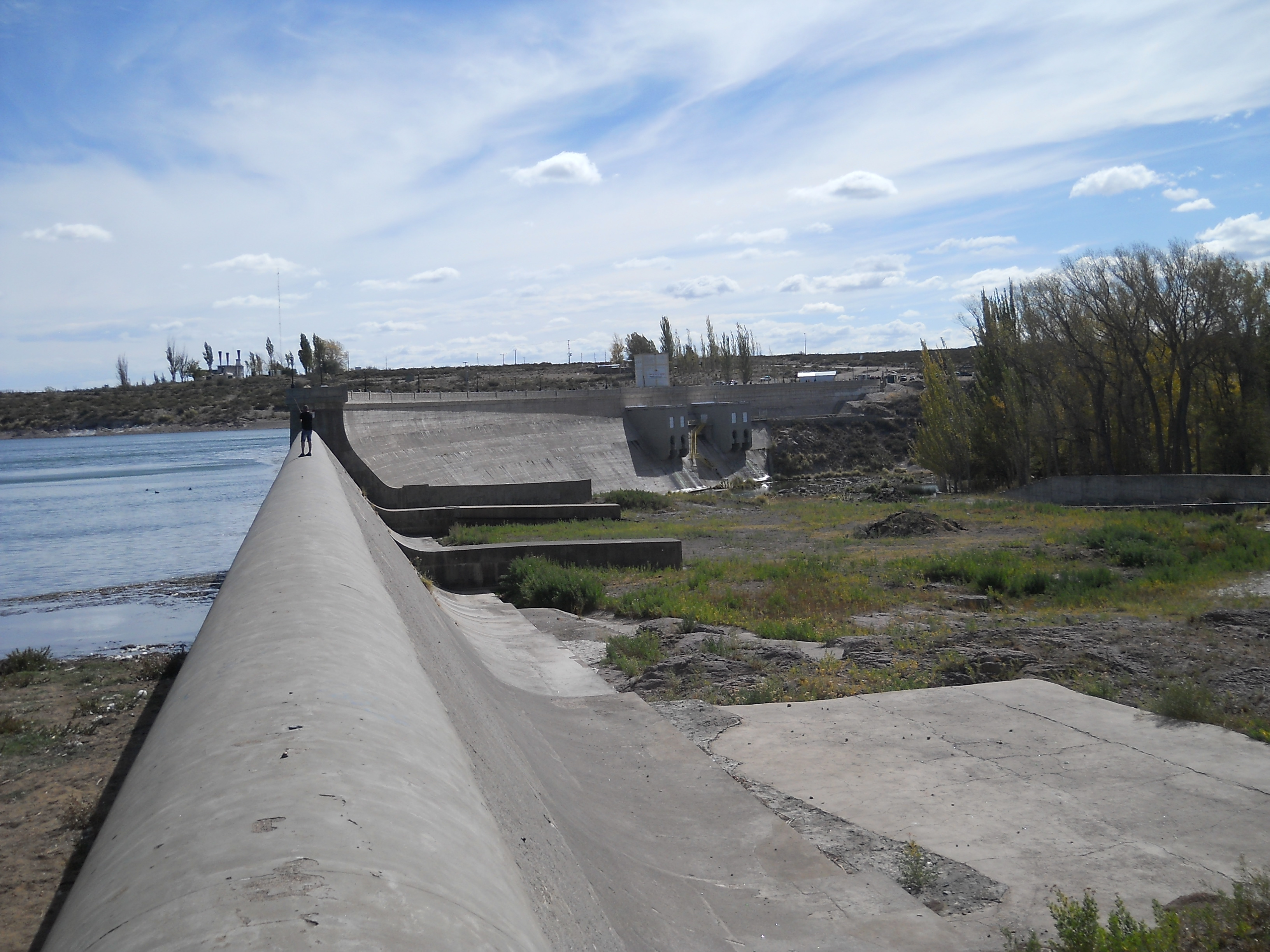
Dique El Nihuil – Mendoza’s Hidden Water‑Front Gem
If you’re wandering the rugged valleys of San Rafael and crave a tranquil spot away from the usual tourist trail, Dique El Nihuil is the perfect place to pause, reflect, and soak up the raw beauty of Argentina’s Andean foothills.
1. Introduction
Nestled at the heart of Mendoza’s wine country, Dique El Nihuil (also known as Embalse El Nihuil) is a modest‑sized dam that offers more than just a reservoir of water—it’s a quiet sanctuary framed by towering cliffs, wind‑swept plains, and the distant shimmer of the Andes. While the dam itself is functional rather than monumental, its serene shoreline and panoramic vistas make it an emerging favorite among road‑trippers, cyclists, and photographers seeking an authentic Argentine experience far from the crowded vineyards of Luján de Cuyo or the bustling streets of Mendoza City.
In this guide we’ll dive into the history, logistics, and sensory delights of Dique El Nihuil, and we’ll show you how to weave it into a memorable day‑trip itinerary that also includes several nearby natural attractions.
2. About Dique El Nihuil
- Location: San Rafael, Mendoza, Argentina
- Coordinates: 35.026594 S, 68.678276 W
- Type: Dam (reservoir)
The dam was built to regulate water flow for agricultural irrigation and hydro‑electric generation in the arid Mendoza basin. Though the exact height and altitude are not publicly documented, the reservoir sits at a modest elevation that allows it to capture melt‑water from the Andes during the spring thaw.
According to the Spanish‑language Wikipedia entry, Embalse El Nihuil plays a crucial role in supporting the surrounding vineyards and orchards, helping the region produce some of Argentina’s most celebrated Malbecs and fresh fruit. The reservoir’s calm surface also serves as a natural bird‑watching platform; you’ll often spot flamingos, herons, and a variety of waterfowl gliding across the water at sunrise.
Beyond its utilitarian purpose, Dique El Nihuil has become a low‑key recreation spot for locals. Picnic blankets, fishing rods, and occasional weekend barbecues are common sights, especially during the warm summer evenings when the sky turns a deep indigo and the Andes silhouette becomes crystal clear.
3. How to Get There
By Car
The most flexible way to reach Dique El Nihuil is by renting a car in San Rafael (the nearest city with a full‑service airport and car‑rental agencies). From the city center, follow Ruta Provincial 151 eastward for about 30 km. The dam is sign‑posted after the turnoff to “Embalse El Nihuil.” The drive takes roughly 35–40 minutes on paved, well‑maintained roads, with occasional gravel patches that add a touch of adventure.
By Bus
San Rafael’s municipal bus terminal offers regional routes that pass near the dam, but service is infrequent (usually one or two buses per day). If you prefer public transport, check the latest schedule at the terminal or ask your hotel concierge for the most up‑to‑date timetable. Keep in mind that you’ll likely need to walk a short distance from the bus stop to the reservoir’s parking area.
By Guided Tour
Several local tour operators in San Rafael include Dique El Nihuil in their “Mendoza Waterways” half‑day excursions. These tours typically provide a driver‑guide, a vehicle, and a brief commentary on the dam’s role in the region’s irrigation network. Booking in advance is recommended during the high‑season (December–February).
Parking & Access
A small, free parking lot sits just off the main access road. The lot fills quickly on weekends, so arriving early (before 10 am) guarantees a spot. From the lot, a short, unpaved trail leads to the water’s edge—perfect for a leisurely stroll or a quick dip (water temperature is cool year‑round).
4. Best Time to Visit
| Season | Weather | Visitor Experience |
|---|---|---|
| Spring (Sept‑Nov) | Mild days (15‑25 °C), occasional rain | Ideal for photography; the surrounding vegetation bursts into green, and the reservoir reflects the snow‑capped peaks. |
| Summer (Dec‑Feb) | Warm to hot (25‑35 °C), low humidity | Perfect for picnics, swimming, and sunset watching. Expect more locals and occasional weekend crowds. |
| Autumn (Mar‑May) | Comfortable (12‑22 °C), crisp evenings | Fewer visitors, vibrant foliage, and excellent bird‑watching as migratory species pass through. |
| Winter (Jun‑Aug) | Cool (5‑12 °C), occasional frost | Quiet and contemplative; the dam may develop a thin layer of ice on its edges—great for photographers seeking dramatic contrast. |
Overall recommendation: Late spring (late October to early November) offers the best balance of pleasant weather, blooming scenery, and manageable visitor numbers.
5. What to Expect
When you arrive at Dique El Nihuil, the first thing you’ll notice is the stillness. The reservoir’s glassy surface mirrors the sky, creating a natural kaleidoscope of blues and golds that shifts with the sun’s position.
- Scenic Walks: A modest trail circles the water’s edge, offering several viewpoints. One spot provides a panoramic sweep of the San Rafael Valley with the Andes rising in the distance—a favorite frame for Instagram reels.
- Fishing & Boating: Local anglers often cast lines for pejerrey (silverside) and trucha (trout). Small, non‑motorized boats can be rented from a seasonal kiosk (open Dec‑Mar).
- Picnic Areas: Picnic tables and shaded benches are scattered near the parking lot. Bring a asado (Argentinian barbecue) kit or a simple cheese board to enjoy while the sun sets.
- Birdwatching: Early mornings bring flocks of flamingos, black‑necked swans, and great egrets. Binoculars are optional but highly recommended for keen birders.
- Sunset Views: As the day ends, the water takes on a deep amber hue, and the surrounding cliffs cast long, dramatic shadows—an unforgettable moment for any traveler.
6. Nearby Attractions
Dique El Nihuil sits in a cluster of natural sites that can easily be combined into a day‑long adventure. Below are the most accessible spots, listed with approximate distances from the dam:
| Attraction | Type | Distance from Dique El Nihuil | Approx. Travel Time |
|---|---|---|---|
| Unnamed Dam #1 | Dam | 6.4 km | 10 min |
| Unnamed Spring #1 | Spring | 13.0 km | 15 min |
| Unnamed Spring #2 | Spring | 13.6 km | 18 min |
| Unnamed Dam #2 | Dam | 14.6 km | 20 min |
| Unnamed Dam #3 | Dam | 39.5 km | 45 min |
While these sites are not individually named in most guidebooks, they are marked on local maps and are popular among hikers and off‑road enthusiasts. You can locate them using GPS coordinates (enter the distance and direction from the dam) or ask at the San Rafael tourist office for a printed “Rutas de los Embalses” leaflet.
Suggested loop: Start at Dique El Nihuil, head east to the 6.4 km dam for a quick photo stop, then continue north to the two nearby springs (13 km & 13.6 km) for a refreshing break. Finish the loop by circling back through the 14.6 km dam before returning to San Rafael. This route totals roughly 45 km of scenic driving and can be completed comfortably in a single day.
7. Travel Tips
| Tip | Details |
|---|---|
| Bring Cash | Small kiosks and rural vendors often accept only Argentine pesos in cash. |
| Sun Protection | The high altitude means stronger UV rays; pack sunscreen, a hat, and sunglasses. |
| Water & Snacks | While there is a basic kiosk in summer, it can run out of supplies quickly. Carry bottled water and a snack. |
| Respect the Environment | The area is a protected water source. Dispose of waste in designated bins and avoid littering. |
| Check Road Conditions | After heavy rain, some access roads may become muddy. Local radio stations or the San Rafael municipal website provide up‑to‑date road alerts. |
| Timing for Birdwatching | Arrive before sunrise for the best chance to see flamingos and other waterbirds feeding. |
| Photography Gear | A wide‑angle lens captures the expansive landscape, while a telephoto lens is useful for distant wildlife. |
| Safety | Swimming is allowed, but currents can be stronger near the dam’s outlet. Keep an eye on children and avoid diving near the concrete structures. |
| Language | Spanish is the primary language; a few basic phrases (e.g., “¿Dónde está el baño?”) go a long way. |
| Local Cuisine | Try a picada (small plate) from a nearby parrilla in San Rafael—pair it with a glass of Mendoza Malbec for the full regional experience. |
Final Thought
Dique El Nihuil may not have the fame of Patagonia’s glaciers or the grandeur of Iguazú Falls, but its quiet charm, striking reflections, and surrounding natural playground make it a must‑visit hidden gem for anyone traveling through Mendoza’s inland wonders. Whether you’re a solo adventurer, a family looking for a low‑key day out, or a photographer hunting that perfect golden‑hour shot, the dam offers a slice of Argentine tranquility that stays with you long after you leave the water’s edge.
Pack your camera, grab a map, and let the gentle ripple of Dique El Nihuil guide you into the heart of Mendoza’s lesser‑known beauty. Safe travels!