Presa principal Complejo Hidroeléctrico Río Grande – A Hidden Gem in Córdoba, Argentina
Explore the engineering marvel, stunning scenery, and nearby wonders of Villa Rumipal’s most impressive dam.
1. Introduction
If you think Argentina is only about tango, steak, and Patagonia, think again. Nestled in the rolling hills of Villa Rumipal, Córdoba, the Presa principal Complejo Hidroeléctrico Río Grande rises 104 meters above the Río Grande, offering a dramatic backdrop for travelers who love a mix of nature, technology, and off‑the‑beaten‑path adventure. Whether you’re a photography enthusiast, a road‑trip aficionado, or simply curious about how Argentina powers its cities, this hydro‑electric dam is a must‑see stop on any Córdoba itinerary.
2. About Presa principal Complejo Hidroeléctrico Río Grande
A Brief History
The Presa principal (main dam) is the centerpiece of the Complejo Hidroeléctrico Río Grande, a hydro‑electric project that began construction in the early 2000s to harness the flow of the Río Grande for clean energy. While exact inauguration dates are not widely publicized, the complex has become a critical component of the province’s power grid, delivering renewable electricity to thousands of households across Córdoba and beyond.
Why It Matters
- Renewable Energy – The dam contributes to Argentina’s goal of increasing renewable energy share, reducing reliance on fossil fuels.
- Engineering Feat – At 104 m tall, the structure showcases modern dam engineering, with concrete gravity sections and sophisticated spillway systems.
- Economic Impact – The hydro‑electric complex supports local employment, both during construction and ongoing operations, and stimulates tourism in Villa Rumipal.
For a deeper dive, check the official Wikipedia entry: Complejo Hidroeléctrico Río Grande.
3. How to Get There
By Air
The nearest major airport is Ingeniero Aeronáutico Ambrosio L.V. Taravella International Airport (COR) in Córdoba city, about 120 km (≈ 75 mi) north‑west of Villa Rumipal. From the airport, you can rent a car or catch a shuttle to the dam.
By Car
Driving is the most convenient way to reach the dam:
| Route | Approx. Distance | Approx. Time | Highlights |
|---|---|---|---|
| Córdoba → Ruta Nacional 20 → Ruta Provincial 5 | 120 km | 1h 45m | Scenic countryside, small towns like Villa Cura Brochero |
| Córdoba → Ruta Provincial 20 → Ruta Provincial 5 | 115 km | 1h 40m | Slightly more direct, passes through agricultural zones |
The dam’s exact coordinates are ‑32.225280, ‑64.638506. Plug them into any GPS app for turn‑by‑turn directions.
By Bus
Intercity buses from Córdoba to Villa Rumipal run several times daily (companies such as Chevallier and El Rápido). The journey takes about 2 hours. Once in Villa Rumipal, a short taxi ride (≈ 10 min) will drop you off at the dam’s visitor area.
Parking & Access
A modest parking lot sits near the main viewing platform. The site is open year‑round, but note that security personnel may check IDs and restrict access during maintenance periods.
4. Best Time to Visit
Córdoba enjoys a temperate climate with four distinct seasons. Here’s a quick guide:
| Season | Weather | Why Visit |
|---|---|---|
| Spring (Sept‑Nov) | Mild temperatures (15‑25 °C), blooming flora | Perfect for photography and comfortable walks |
| Summer (Dec‑Feb) | Warm to hot (25‑35 °C), occasional thunderstorms | Longer daylight hours; bring sun protection |
| Autumn (Mar‑May) | Cool, clear skies (12‑22 °C) | Ideal for birdwatching and relaxed sightseeing |
| Winter (Jun‑Aug) | Cool (5‑15 °C), occasional frosts | Fewer crowds; the dam’s concrete walls create striking contrast with misty mornings |
Tip: The best light for photos is early morning (sunrise) or late afternoon (golden hour). Spring and autumn usually offer the clearest skies.
5. What to Expect
Visual Spectacle
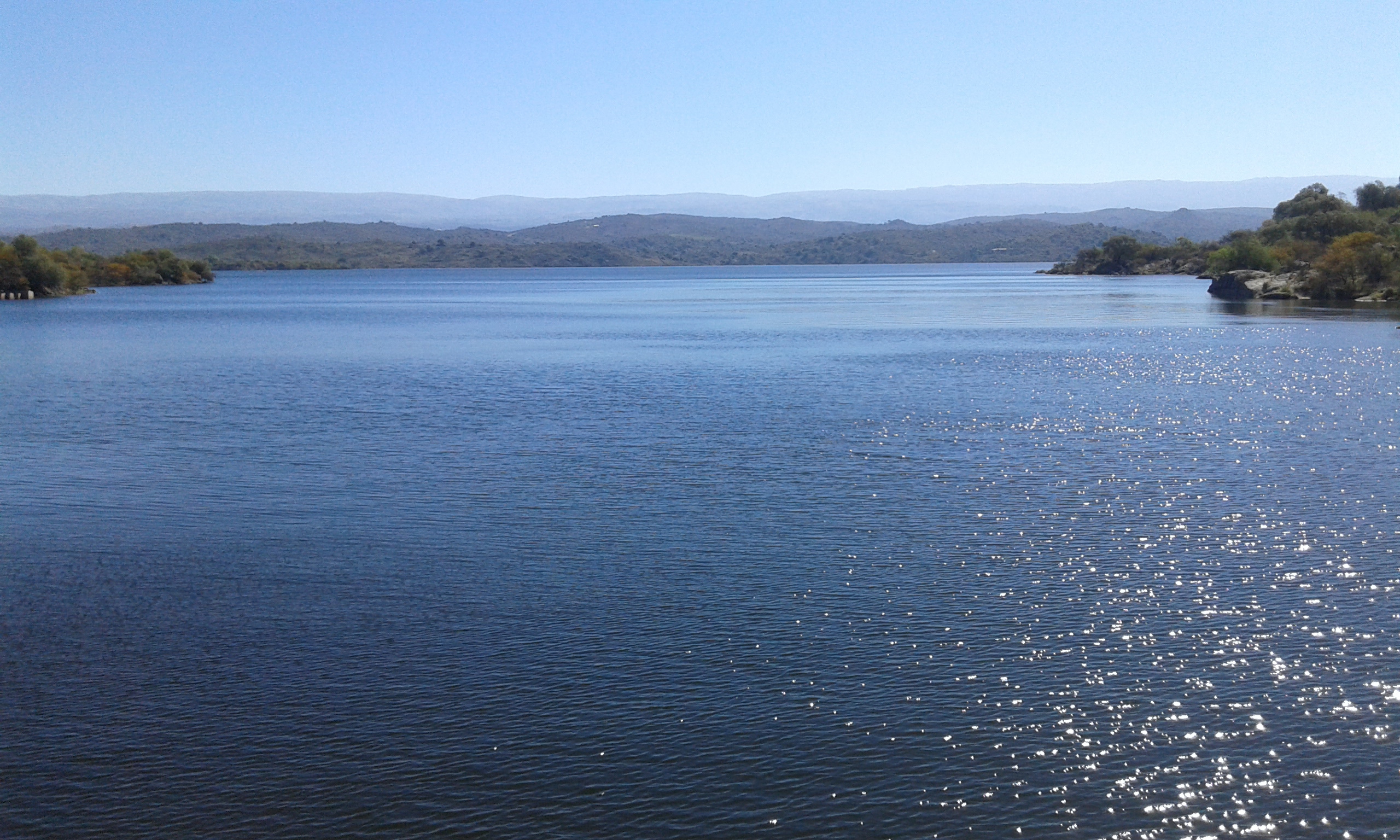
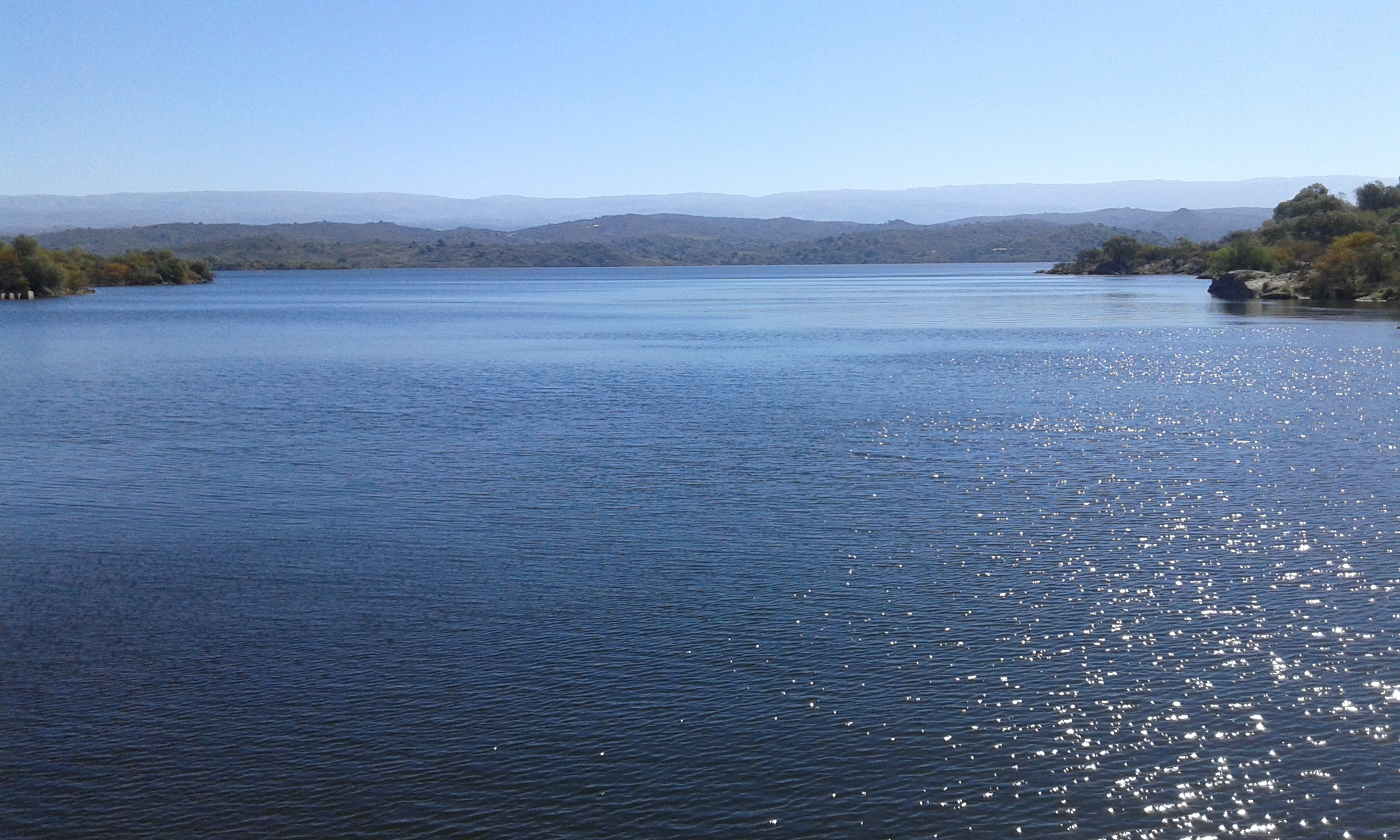
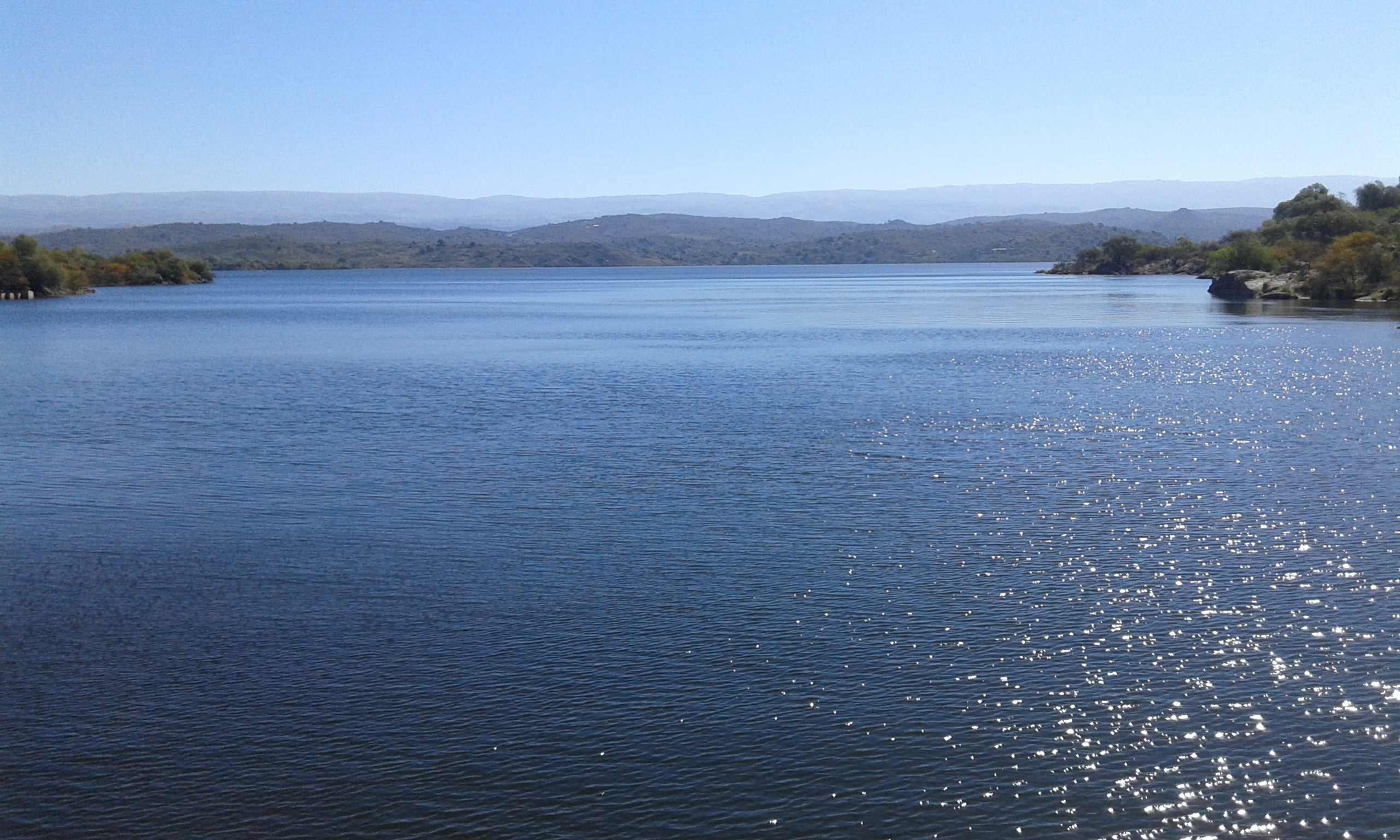
Approaching the Presa principal, you’ll be greeted by the sheer height of the concrete wall, its gray façade reflecting the sky. The reservoir stretches behind it, a shimmering mirror that changes color with the sun’s position. From the designated viewing platform, you can see the spillway in action when water levels rise, creating a thunderous cascade that’s both awe‑inspiring and soothing.
Educational Experience
While the dam is primarily an industrial site, there are informative panels (in Spanish) describing the hydro‑electric process, the dam’s capacity, and its environmental safeguards. If you’re lucky, a guide may be on hand to answer questions about water flow regulation, turbine technology, and the role of the complex in Argentina’s energy matrix.
Outdoor Activities
- Photography – Capture wide‑angle shots of the dam, close‑ups of the spillway, and panoramic views of the surrounding hills.
- Birdwatching – The reservoir attracts waterfowl, herons, and occasional raptors. Bring binoculars for a closer look.
- Walking Trails – A short, unpaved path circles the reservoir’s edge, offering tranquil spots for a picnic or a quiet moment of reflection.
Safety & Comfort
The area is well‑maintained, but it remains a working hydro‑electric facility. Stay within marked boundaries, obey any signage, and keep a safe distance from the water’s edge, especially near the spillway.
6. Nearby Attractions
After soaking in the dam’s grandeur, explore these nearby points of interest—all within a 1‑km radius, perfect for a full‑day adventure.
| Attraction | Distance from Dam | What to See |
|---|---|---|
| Presa Cerro Pelado – Cierre Lateral Margen Izquierda | 0.7 km | A secondary dam structure offering a different perspective on water management. |
| Vertedero Principal (Weir) | 0.7 km | The main spillway where excess water is released; great for watching the water’s power in action. |
| Cierre Lateral Margen Izquierdo | 0.9 km | Another lateral closure dam, showcasing the complex’s redundancy and engineering depth. |
| Cierre Lateral Margen Derecha | 1.0 km | Complements the left‑hand closure, illustrating the symmetrical design of the hydro‑electric system. |
| [Unnamed Weir] | 6.6 km | A smaller weir that adds to the region’s intricate water control network. |
All attractions are part of the same hydro‑electric complex, so you can easily walk or bike between them. If you’d like more details, the official site of the Complejo Hidroeléctrico Río Grande provides maps and technical descriptions.
7. Travel Tips
| Tip | Details |
|---|---|
| Bring a Good Camera | The dam’s height and surrounding landscape are perfect for wide‑angle lenses. |
| Dress in Layers | Temperatures can shift quickly, especially near the water. A light jacket is advisable even in summer mornings. |
| Stay Hydrated | The region can be dry; carry water, especially if you plan to walk the trails. |
| Check Opening Hours | While the site is generally open, scheduled maintenance can temporarily restrict access. Call ahead at the local municipal office (Tel: +54 351 xxxx‑xxxx). |
| Respect the Environment | Pack out all trash, stay on designated paths, and avoid disturbing wildlife. |
| Currency & Payments | Argentine pesos are the norm; many small vendors accept only cash, so have some on hand. |
| Language | Spanish is the primary language. Basic phrases like “¿Dónde está la entrada?” (Where is the entrance?) will be helpful. |
| Connectivity | Mobile coverage is decent in Villa Rumipal, but signal may drop near the dam. Download offline maps beforehand. |
Final Thought
The Presa principal Complejo Hidroeléctrico Río Grande may not appear on the typical tourist checklist, but its blend of engineering prowess, natural beauty, and serene surroundings makes it a standout destination for the curious traveler. Pair it with the nearby auxiliary dams, enjoy the tranquil reservoir, and you’ll leave Córdoba with a fresh appreciation for Argentina’s hidden hydro‑electric treasures.
Pack your camera, hit the road, and let the roar of the spillway become the soundtrack of your Argentine adventure!