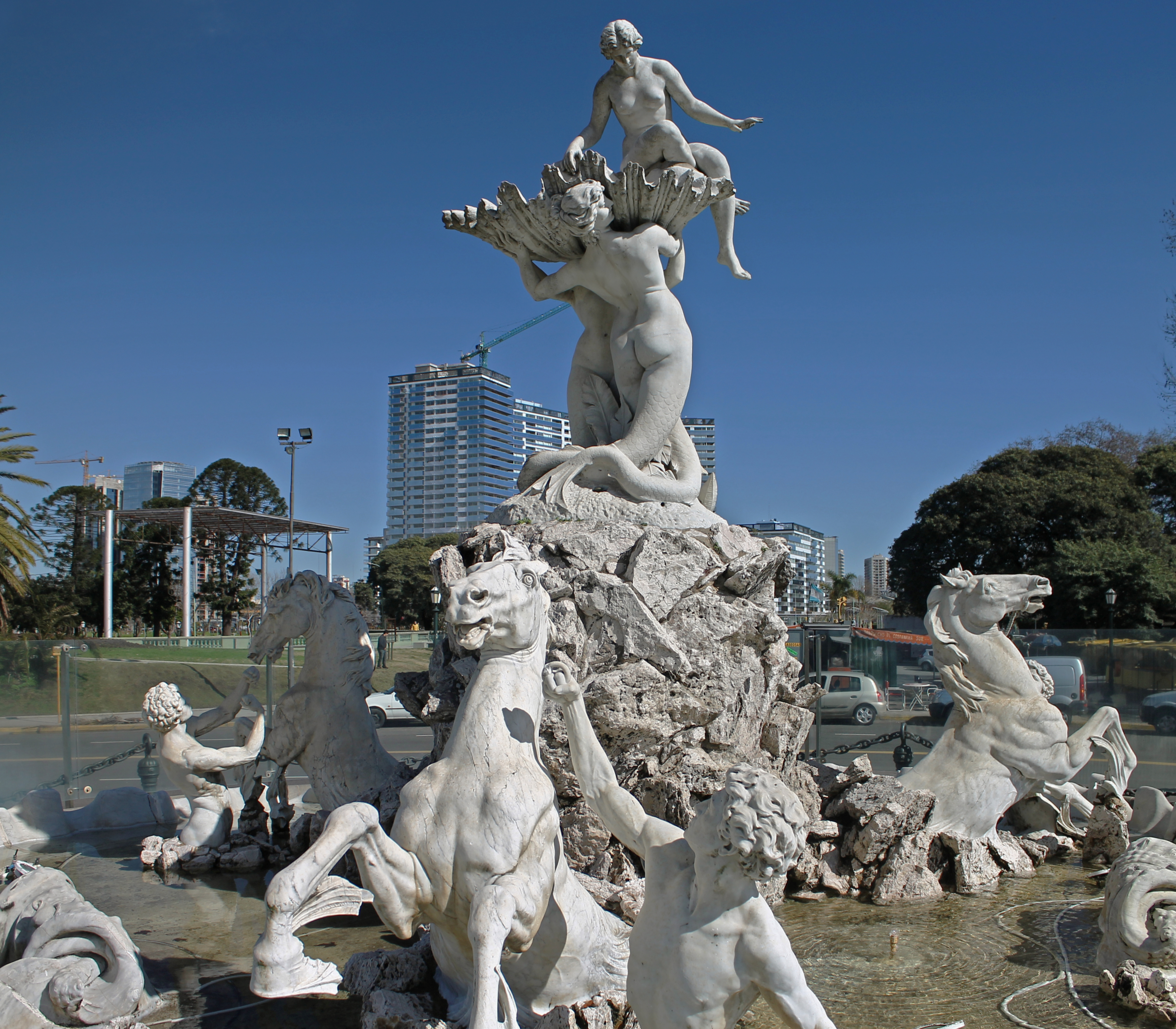
Fuente de las Nereidas – Buenos Aires’ Hidden Monumental Fountain
Discover the mythic charm of the Fuente de las Nereidas, a stunning water sculpture tucked in the heart of Argentina’s vibrant capital.
1. Introduction
If you think Buenos Aires is only about tango, steak, and colorful neighborhoods, think again. Nestled among the bustling avenues of the Federal District lies a piece of aquatic art that feels like a secret whispered by the city’s history: Fuente de las Nereidas (also known as the Fuente Monumental Las Nereidas). This elegant fountain, inspired by the sea‑nymphs of Greek mythology, offers travelers a tranquil pause, a photo‑worthy backdrop, and a glimpse into the city’s early‑20th‑century urban design. Whether you’re a first‑time visitor, a seasoned wanderer, or a local looking for a new Instagram spot, the fountain is a must‑see stop on any Buenos Aires itinerary.
2. About Fuente de las Nereidas
Description
The fountain is a monumental marble composition that depicts three Nereids—mythical sea nymphs—gracefully holding a large shell from which water gently cascades. The sculptural group rests on a broad, ornate basin surrounded by decorative stone steps, creating a stage that invites visitors to linger. Although the exact height and altitude of the structure are unknown, its presence is unmistakable: the crisp lines of the marble, the rhythmic sound of water, and the subtle play of light make it a focal point of the surrounding plaza.
History
Built during a period when Buenos Aires was rapidly modernizing, the Fuente de las Nereidas reflects the city’s aspiration to align itself with European capitals. The fountain was inaugurated in the early 1900s as part of a broader urban beautification program that added public squares, monuments, and water features throughout the Federal District. Its name pays homage to the Nereids, daughters of the sea god Nereus, symbolizing the city’s connection to the Río de la Plata and the broader Atlantic maritime heritage.
Cultural Significance
Over the decades, the fountain has become more than a decorative element; it serves as a gathering place for locals, a backdrop for cultural events, and a quiet spot for contemplation amid the city’s rhythm. Its mythological theme resonates with Buenos Aires’ love for art, literature, and performance, making it a subtle yet powerful emblem of the capital’s artistic soul.
3. How to Get There
By Public Transport
- Subte (Metro): The nearest subway station is Plaza de Mayo on Line A. From the station, exit onto Hipólito Yrigoyen and walk north for about 7 minutes (≈ 600 m).
- Bus: Several city buses stop within a short radius:
- Line 33 (Plaza de Mayo – San Telmo)
- Line 60 (Microcentro – Caballito)
- Line 152 (Plaza de Mayo – Villa Urquiza)
All of these routes have stops a few blocks from the fountain.
By Taxi or Ride‑Share
A quick 5‑minute ride from the historic center (Plaza de Mayo) will drop you at the fountain’s entrance. The fare is typically under ARS 300 during daytime.
By Foot or Bicycle
If you’re staying in the Microcentro or San Telmo neighborhoods, the fountain is easily reachable on foot. Buenos Aires has an expanding network of EcoBici bike stations; the nearest docking point is at Avenida de Mayo, just a 3‑minute ride away.
GPS Coordinates
- Latitude: -34.616931
- Longitude: -58.356750
Enter these coordinates into any navigation app for precise directions.
4. Best Time to Visit
| Season | Why It Works | Tips |
|---|---|---|
| Spring (September‑November) | Mild temperatures (15‑22 °C) and blooming jacarandas create a photogenic backdrop. | Arrive early (08:00–09:00) to avoid crowds. |
| Summer (December‑February) | Long daylight hours let you enjoy the fountain’s reflections at sunset. | Bring sunscreen and stay hydrated; consider an evening visit when the fountain is illuminated. |
| Autumn (March‑May) | Golden light enhances the marble tones, and the city’s cultural calendar is in full swing. | Combine the visit with nearby museum exhibitions. |
| Winter (June‑August) | Fewer tourists, cooler air makes the mist feel refreshing. | Dress in layers; the fountain’s warm water spray is especially pleasant on chilly days. |
Overall, early mornings and late afternoons provide the best lighting for photography and a quieter atmosphere.
5. What to Expect
When you step onto the stone steps surrounding the fountain, you’ll be greeted by the gentle roar of water and the cool scent of marble. The three Nereids appear to be caught in a timeless dance, their arms raised as if inviting the viewer to share in their mythic story.
- Visuals: The fountain’s design emphasizes symmetry; the central shell creates a natural focal point, while the surrounding basin reflects the sky, making the scene change with the weather.
- Sounds: The water’s flow produces a soothing background hum that drowns out the city’s traffic, offering a pocket of serenity.
- Interaction: Visitors are welcome to sit on the low steps, dip their feet in the shallow edge of the basin (if permitted), or simply stroll around for different angles.
- Photography: The best shots are taken from the lower steps looking up at the Nereids, or from across the basin capturing the full reflection. Sunset adds a warm glow, while night‑time illumination creates a dramatic silhouette.
6. Nearby Attractions
The fountain is part of a cluster of historic water features that make for an enjoyable walking tour. Below are the closest points of interest (all within a 1.5 km radius):
- [Fountain – 0.5 km away] – A charming, smaller fountain located near the Plaza San Martín. Perfect for a quick photo stop.
- [Fountain – 1.2 km away] – Situated in the Parque Lezama, this fountain is surrounded by lush greenery and historic statues.
- [Fountain – 1.4 km away] – Found at the entrance of the Museo Nacional de Bellas Artes, it serves as a welcoming landmark for art lovers.
- [Fountain – 1.4 km away] – A decorative piece in the Avenida de Mayo boulevard, blending neoclassical architecture with modern city life.
- [Fountain – 1.5 km away] – Located near the Casa Rosada, this fountain is often part of official ceremonies and public gatherings.
(All links direct to the respective Wikipedia or official tourism pages when available.)
7. Travel Tips
| Tip | Details |
|---|---|
| Dress Comfortably | Buenos Aires weather can shift quickly; wear breathable layers and comfortable walking shoes. |
| Stay Hydrated | Even if the fountain’s mist feels cool, the city’s climate can be dry—carry a reusable water bottle. |
| Respect the Space | The fountain is a public monument; avoid climbing on the marble sculptures and keep noise to a minimum. |
| Timing for Photos | Golden hour (first hour after sunrise or last hour before sunset) provides the softest light. |
| Combine with Culture | Pair your visit with a nearby museum (e.g., Museo Nacional de Bellas Artes) or a guided walking tour of the historic center. |
| Safety | The area is generally safe during daylight. At night, stick to well‑lit streets and consider using a ride‑share service. |
| Local Etiquette | Argentines appreciate a friendly “¡Hola!”; a smile goes a long way when asking for directions. |
| Currency | Most vendors accept credit cards, but keep some Argentine pesos for small purchases or street vendors. |
| Connectivity | Free Wi‑Fi is available at many cafés around the plaza; a local SIM card ensures you stay connected for navigation. |
Final Thought
Fuente de las Nereidas may not be the first name that pops up when you search “Buenos Aires attractions,” but that’s exactly what makes it a treasure for the curious traveler. Its mythic design, serene atmosphere, and central location create a perfect micro‑adventure that fits easily into any Buenos Aires itinerary. So, lace up your walking shoes, grab your camera, and let the Nereids guide you to a moment of calm in the city that never stops dancing.
Happy travels!