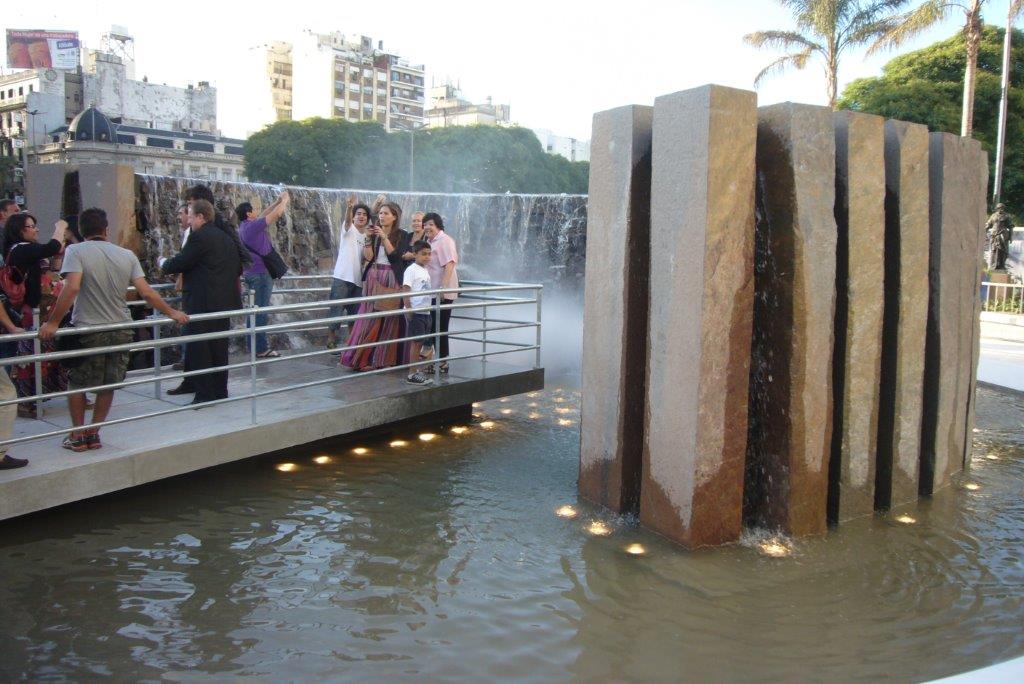
Cataratas del Iguazú Fountain – A Hidden Gem in Buenos Aires
Discover the tribute to Argentina’s most famous waterfalls right in the heart of the capital.
Introduction
If you think the iconic Iguazú Falls can only be experienced in the misty jungles of Misiones, think again. Buenos Aires hides a surprising homage to those thunderous cascades: the Cataratas del Iguazú Fountain (officially Monumento a las cataratas del Iguazú). Nestled in the bustling Buenos Aires F.D. district, this elegant water feature offers a splash of nature, history, and photo‑ops without leaving the city limits. Whether you’re a first‑time visitor, a local looking for a new Instagram spot, or a seasoned traveler hunting off‑the‑beaten‑path attractions, this fountain deserves a place on your Buenos Aires itinerary.
About Cataratas del Iguazú, Misiones
A tribute to a natural wonder
The Cataratas del Iguazú Fountain was erected as a symbolic bridge between the capital and the spectacular waterfalls that lie over 1,300 km away in the province of Misiones. While the actual falls roar across the border with Brazil and Paraguay, the Buenos Aires monument captures their spirit through cascading water jets, sculptural elements, and a serene plaza that invites contemplation.
History & significance
- Inauguration – The monument was unveiled in the mid‑20th century as part of a series of civic projects aimed at celebrating Argentina’s natural landmarks.
- Design – Though the exact height and altitude of the fountain remain undocumented, its layout mimics the multi‑tiered flow of Iguazú’s waterfalls, creating a miniature waterfall experience in an urban setting.
- Cultural relevance – The fountain serves as a reminder of the country’s geographic diversity and is a popular meeting point for locals and tourists alike. It also appears on several travel guides as a “must‑see” hidden attraction in Buenos Aires.
For a deeper dive, check out the Spanish Wikipedia entry: Monumento a las cataratas del Iguazú.
How to Get There
By public transport
| Mode | Details |
|---|---|
| Subway (Subte) | Take Line A to Plaza de Mayo station, then walk north‑east for about 10 minutes (≈ 800 m). |
| Bus | Several city buses stop near the plaza: Line 24, Line 29, and Line 64. Look for the stop “Plaza de Mayo – San Pedro”. |
| Bike | Buenos Aires’ bike‑share program (EcoBici) has docking stations within a 5‑minute ride from the fountain. |
By car or rideshare
- From the airport (Ezeiza) – The drive takes roughly 30 minutes via Autopista Avenida General Paz.
- Parking – Street parking is limited; opt for a nearby public garage on Avenida Rivadavia (about 300 m away).
Walking
If you’re staying in the historic centre (San Telmo, Monserrat, or Microcentro), the fountain is easily reachable on foot. The short stroll allows you to soak up the city’s colonial architecture and vibrant street life.
Best Time to Visit
| Season | Weather | Why it’s ideal |
|---|---|---|
| Spring (Sept‑Nov) | Mild temperatures (15‑22 °C) and blooming jacarandas. | Comfortable for strolling and photographing the water jets. |
| Fall (Mar‑May) | Pleasant evenings, lower humidity. | Fewer crowds; the fountain’s lighting looks magical at dusk. |
| Summer (Dec‑Feb) | Warm (25‑30 °C) with occasional showers. | The fountain’s mist offers a refreshing break from the heat, but expect more tourists. |
| Winter (Jun‑Aug) | Cooler (8‑14 °C). | Quiet atmosphere, perfect for a peaceful sit‑down with a hot coffee from a nearby café. |
Tip: The fountain’s lighting scheme is most striking after sunset, especially on clear evenings when the city’s skyline glitters in the background.
What to Expect
- Cascading water displays – The fountain cycles through a series of jet patterns that echo the multi‑layered flow of the real Iguazú Falls.
- Sculptural elements – Bronze and stone motifs depict native flora and fauna, giving the site an educational twist.
- Seating & shade – Benches and shaded pergolas surround the plaza, making it an ideal spot for a quick rest or a picnic.
- Family‑friendly vibe – Children love watching the water dance, while couples enjoy the romantic ambiance.
- Photography opportunities – Capture long‑exposure shots of the water at night, or frame the fountain against the historic buildings that line the square.
Because the exact height of the fountain isn’t publicly recorded, each visit feels like a surprise—how high will the next jet leap? The answer is part of the charm.
Nearby Attractions
While you’re in the area, make sure to explore these neighboring gems (all within a 1‑km radius):
| Attraction | Distance | Why visit |
|---|---|---|
| Los Angelitos Fountain | 0.1 km | A whimsical water feature with angelic statues—perfect for a quick photo. |
| [Fountain #2] | 0.3 km | (Name not listed) – a sleek, modern design that contrasts with the historic vibe. |
| [Fountain #3] | 0.3 km | (Name not listed) – known for its evening light show. |
| [Fountain #4] | 0.7 km | (Name not listed) – a tranquil spot favored by locals for meditation. |
| [Fountain #5] | 0.7 km | (Name not listed) – features a small waterfall cascade that feeds a koi pond. |
All attractions are easily reachable on foot, allowing you to enjoy a leisurely “fountain hop” tour of Buenos Aires.
Travel Tips
- Bring a lightweight rain jacket – Sudden showers are common in Buenos Aires, and the fountain’s mist can make you feel cooler than the ambient temperature.
- Carry a reusable water bottle – Stay hydrated while exploring the city’s historic centre.
- Timing for photos – Arrive 30 minutes before sunset for golden‑hour lighting, then stay after dark for the illuminated water display.
- Mind the pavement – The area around the fountain can be slippery when the jets are at full power; wear shoes with good grip.
- Respect local customs – The plaza is a gathering spot for street musicians and vendors; a small tip for a performer is always appreciated.
- Safety first – While the neighborhood is generally safe, keep an eye on your belongings, especially in crowded busier times.
- Combine with a café break – Several historic cafés line the nearby streets; try a “café con leche” and a medialuna (croissant) for the full Buenos Aires experience.
Wrap‑up
The Cataratas del Iguazú Fountain may not be the world’s tallest water feature, but its blend of natural homage, urban charm, and accessibility makes it a standout stop on any Buenos Aires travel guide. Whether you’re chasing Instagram likes, seeking a quiet oasis amidst the city rush, or simply want to feel a touch of the legendary Iguazú Falls without leaving the capital, this fountain delivers.
Plan your visit, soak in the cascading water, and let the spirit of Argentina’s most famous waterfalls flow through your Buenos Aires adventure. Safe travels! 🌊✈️