Ngonye Falls – Zambia’s Hidden Waterfall Gem in Western Province
If you’ve already chased the thunder of Victoria Falls, it’s time to discover the quieter, equally spectacular cascade that locals call the “Victoria Falls of the Zambezi.” Nestled on the banks of the mighty Zambezi River near Senanga, Ngonye Falls offers a serene, off‑the‑beaten‑path experience that every adventurous traveler in Zambia should add to their bucket list.
1. Introduction
There’s something magnetic about waterfalls – the roar of water, the mist that kisses your skin, and the promise of untouched nature. While Victoria Falls steals most of the headlines, Ngonye Falls in Western Zambia provides a more intimate encounter with the continent’s most iconic river. Located at coordinates ‑16.650031, 23.571540, this hidden waterfall drops into the Zambezi’s wide‑gauge channel, creating a dramatic curtain of water that changes character with the seasons. Whether you’re a photographer hunting golden‑hour light, a wildlife enthusiast, or simply a traveler craving solitude, Ngonye Falls is the perfect backdrop for unforgettable memories.
2. About Ngonye Falls
A Brief Description
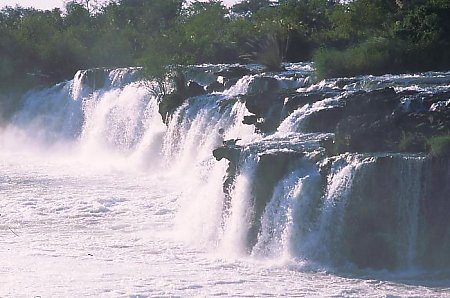
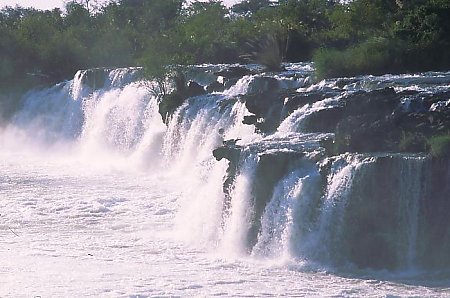
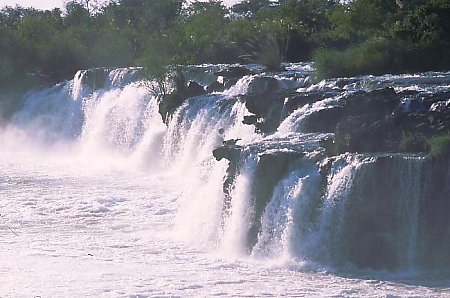
Ngonye Falls (pronounced “N‑g‑on‑ye”) is a waterfall on the Zambezi River just a few kilometres downstream from the town of Senanga in Western Province, Zambia. Unlike the sheer plunge of Victoria Falls, Ngonye is a broad, multi‑tiered cascade that spreads across a wide river gorge, forming a misty veil that can be seen from several kilometres away. The falls are especially striking during the high‑water months when the Zambezi swells, turning the cascade into a frothy white ribbon that glitters under the African sun.
Historical and Cultural Significance
The name “Ngonye” comes from the local Lozi language, meaning “the place where the river roars.” Historically, the falls have served as a natural crossing point for river traders and a gathering spot for the Lozi people, who have lived along the Zambezi for centuries. While the exact height and altitude of Ngonye Falls remain undocumented, the waterfall has long been a cultural landmark, featuring in traditional songs and oral histories that celebrate the river’s life‑giving power.
Why It Matters
In recent years, Ngonye Falls has begun to attract eco‑tourists seeking alternatives to the crowded tourist hubs of Southern Zambia. Its relatively untouched surroundings make it a prime spot for birdwatching, as the surrounding floodplains host a variety of waterbirds, including the striking African fish eagle. Moreover, the falls contribute to the Zambezi’s complex ecosystem, providing breeding grounds for fish and supporting riparian vegetation that sustains local wildlife.
3. How to Get There
By Air
The quickest way to reach Senanga – the gateway town to Ngonye Falls – is to fly into Lusaka International Airport (LUN), Zambia’s main hub, and then take a domestic flight to Livingstone Airport (LVI) or Ndola Airport (NLA). From either airport, you can charter a small plane or a light aircraft to the Senanga Airstrip (a modest landing strip that accommodates private planes).
By Road
For the classic African road‑trip experience, drive from Lusaka to Senanga:
| Segment | Approx. Distance | Approx. Time | Road Type |
|---|---|---|---|
| Lusaka → Kafue | 100 km | 1.5 h | Paved (M1) |
| Kafue → Mazabuka | 80 km | 1 h | Paved |
| Mazabuka → Kalomo | 120 km | 2 h | Paved (T2) |
| Kalomo → Senanga | 260 km | 4–5 h | Gravel & paved mix |
The total drive is roughly 560 km and takes 8–9 hours, depending on road conditions. The route follows the M10 and T2 highways, winding through savanna landscapes, small villages, and the spectacular Kafue River valley.
Local Transport
Once in Senanga, you can hire a local 4×4 vehicle or a motorbike taxi to cover the final 5–10 km to the falls. Many guesthouses and lodges in Senanga arrange day trips that include a guide, a picnic, and a short hike to the best viewing platforms.
4. Best Time to Visit
| Season | Months | Water Flow | Travel Considerations |
|---|---|---|---|
| Dry Season | May – October | Lower to moderate | Roads are in good condition; wildlife is easier to spot. Ideal for photography and hiking. |
| Wet Season | November – April | High, powerful cascade | The falls are at their most dramatic, but some roads may become muddy. Expect occasional thunderstorms. |
Tip: For a balanced experience—strong enough water to showcase the falls’ grandeur, yet manageable travel conditions—plan your visit late May to early July or late September to early October.
5. What to Expect
The Sights
- The Cascade: A wide, foamy curtain that stretches across the river, with occasional rock ledges that create small plunge pools.
- Mist‑Kissed Views: On sunny days, the mist forms a subtle rainbow that arches over the surrounding savanna.
- Panoramic Vistas: The river’s gentle bends upstream provide elevated viewpoints perfect for sunrise and sunset shots.
The Sounds
The constant roar of water is both soothing and invigorating. In the dry season, the sound is softer, allowing you to hear the calls of nearby birds and the rustle of grasses.
The Wildlife
- Birdlife: Look for African fish eagles, kingfishers, and a variety of waterfowl that frequent the riverbanks.
- Mammals: Occasionally you may spot antelope or even a shy hippopotamus lounging downstream.
The Feel
Expect a relaxed, low‑key atmosphere. Unlike the tourist throngs at Victoria Falls, Ngonye offers quiet contemplation, making it ideal for meditation, sketching, or simply soaking in the natural beauty.
6. Nearby Attractions
While Ngonye Falls is the star attraction, the surrounding area offers a few complementary spots that enrich your travel itinerary:
- Senanga Town Market – A vibrant local market where you can sample fresh river fish, Zambian maize dishes, and handcrafted souvenirs.
- Zambezi River Viewpoint – Just 0.6 km from the falls, this viewpoint provides sweeping panoramas of the river’s bend and is perfect for sunrise photography.
- Kafue National Park (Western Edge) – Though a longer drive away, the park’s western fringes are accessible from Senanga and offer classic safari experiences.
For more detailed information, you can explore the official Wikipedia entry: Ngonye Falls – Wikipedia.
7. Travel Tips
| Tip | Why It Matters |
|---|---|
| Bring sturdy walking shoes | The riverbank can be slippery, especially after rain. |
| Pack insect repellent | Mosquitoes are common near the water, especially at dusk. |
| Carry enough water | Facilities near the falls are limited; stay hydrated. |
| Respect local customs | Ask permission before photographing people or private property. |
| Sun protection | The African sun is intense; wear a hat, sunglasses, and sunscreen. |
| Cash in ZMW | Small towns like Senanga may not accept cards; bring local currency for market purchases and guide fees. |
| Hire a local guide | Guides know the safest routes, the best viewing spots, and can share cultural stories that enrich your visit. |
| Check road conditions | During the wet season, some gravel sections can become impassable; confirm with your accommodation before setting out. |
| Leave no trace | Preserve the pristine environment by taking all litter with you. |
Final Thought
Ngonye Falls may not have the global fame of Victoria Falls, but its raw, unfiltered beauty and peaceful surroundings make it a must‑visit for anyone traveling through Zambia’s Western Province. From the gentle roar of the Zambezi to the warm hospitality of Senanga’s locals, a trip to Ngonye is a reminder that some of the world’s most rewarding experiences lie off the usual tourist trail. Pack your sense of adventure, follow the river downstream, and let the mist of Ngonye Falls refresh both body and soul.
Happy travels, and may the spirit of the Zambezi guide your journey!