Ngonye Falls – Zambia’s Hidden Waterfall Gem in the West
Discover the roar, the mist, and the serenity of Ngonye Falls, a lesser‑known waterfall tucked away on the Zambezi River near Senanga, Western Province, Zambia.
1. Introduction
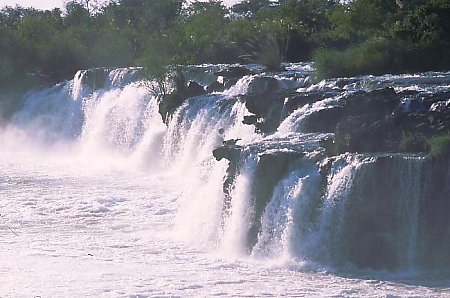
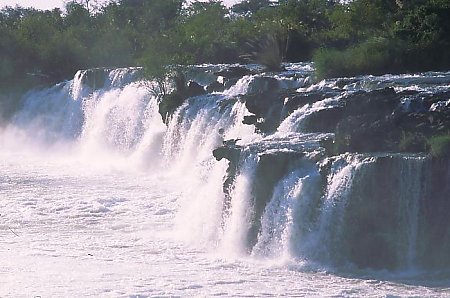
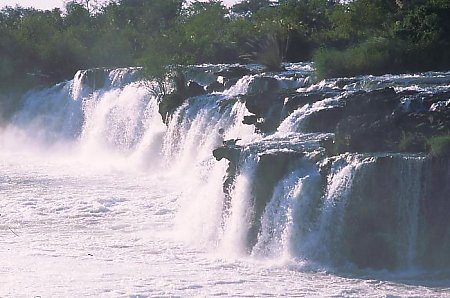
If you’ve already trekked the iconic Victoria Falls and are craving a quieter, more intimate waterfall experience, Ngonye Falls should be at the top of your itinerary. Often called “the little sister of Victoria,” this cascade drops dramatically into the Zambezi River, creating a spectacular curtain of water that’s framed by rugged limestone cliffs and endless savanna. The sound of the falling water, the fresh spray on your skin, and the panoramic views of the river’s winding bends make Ngonye a photographer’s dream and a nature lover’s sanctuary.
Whether you’re a solo adventurer, a family on a road‑trip, or a couple seeking a romantic hideaway, Ngonye Falls offers a genuine taste of Zambia’s untamed beauty—far from the crowds, yet rich in cultural and natural significance.
2. About Ngonye Falls
What is Ngonye Falls?
- Type: Waterfall 🌊
- Location: Senanga, Western Province, Zambia
- Coordinates: 16°39′00″ S, 23°34′17″ E (‑16.650053, 23.571451)
- Height: Not officially recorded (the cascade is impressive but modest compared with Victoria Falls)
Ngonye Falls is part of the mighty Zambezi River system, which flows from the highlands of Zambia into the Indian Ocean. The falls sit on a stretch of the river where basaltic rock has been eroded over millennia, forming a series of steep drops that culminate in a powerful plunge into the river’s main channel.
A Brief History
The name “Ngonye” comes from the local Lozi language, meaning “the place where the river roars.” Historically, the falls were a natural crossing point for the Lozi people and early European explorers navigating the Zambezi. While the waterfall never achieved the fame of Victoria Falls, it has always been a cultural landmark for the surrounding communities, who consider the misty spray a source of spiritual renewal.
Why It Matters
- Ecological hotspot: The spray zone supports a unique micro‑habitat for birds, insects, and aquatic life.
- Cultural relevance: Local villages often hold small ceremonies near the falls, celebrating the river’s bounty.
- Tourism potential: Ngonye offers a low‑impact, off‑the‑beaten‑path experience that complements Zambia’s broader eco‑tourism offerings.
3. How to Get There
By Air
The nearest major airport is Harry Mwanga Nkumbula International Airport (LUN) in Livingstone, about 350 km (≈ 4‑5 hours by road). From Livingstone, you can rent a 4×4 vehicle or join a guided tour heading north toward the Zambezi’s western banks.
By Road
- From Lusaka: The capital is roughly 600 km (≈ 8‑9 hours) away. Take the M1 north to Kafue, then continue on the M10 to Senanga. The road is mostly paved but can be dusty during the dry season, so a high‑clearance vehicle is recommended.
- From Livingstone: Follow the M10 northward; you’ll pass through the scenic Barotse Floodplain before reaching Senanga.
From Senanga Town
Senanga is the gateway town for Ngonye Falls. Once in Senanga, you have two simple options:
- Hire a local driver with a sturdy vehicle (many operators offer day‑trip packages).
- Self‑drive: The falls are just a short 5‑minute drive (≈ 0.6 km) from the town centre on a well‑marked gravel road.
Public Transport
Mini‑buses (known locally as “kombis”) run between Lusaka, Livingstone, and Senanga, but they stop short of the falls. You’ll need to arrange a taxi or a motorbike from the Senanga bus station to the waterfall site.
4. Best Time to Visit
| Season | Weather | Water Flow | Visitor Experience |
|---|---|---|---|
| Dry (May – October) | Warm days, cool nights, low humidity | Lower water volume, clearer viewing of rock formations | Ideal for photography, hiking, and picnics; roads are firm. |
| Wet (November – April) | Hot, frequent afternoon thunderstorms | Higher water flow, more dramatic spray | Great for listening to the roar; however, some access roads may be muddy. |
Top recommendation: Visit between June and September for the perfect balance of pleasant weather, manageable water flow, and easy road conditions.
5. What to Expect
The Sights
- The cascade: A series of steep drops that together create a curtain of water roughly 30‑40 meters wide. The mist catches the sunrise, painting rainbows across the river.
- Limestone cliffs: Towering, ochre‑colored cliffs frame the falls, offering dramatic backdrops for photos.
- River views: From the viewing platform, you can see the Zambezi’s meandering bends and the distant floodplain.
The Sounds
The roar of Ngonye is audible from the town of Senanga—an ever‑present reminder of the river’s power. Up close, the sound is a constant, soothing rush that drowns out traffic and city noise.
The Feel
A gentle spray cools the air, especially in the dry season. The riverbank is lined with grasses and occasional acacia trees, perfect for a shaded picnic.
Activities
- Photography: Capture sunrise or sunset over the falls; the mist creates ethereal effects.
- Birdwatching: Look out for African fish eagles, kingfishers, and the occasional pelican.
- Picnicking: Bring a packed lunch and enjoy it on the designated viewing platform.
- Cultural encounters: Friendly locals often greet visitors with a warm “Muli bwanji?” (How are you?) and may share stories about the falls.
6. Nearby Attractions
While Ngonye Falls is the star attraction, the surrounding area offers a few more points of interest that can easily be combined into a day‑trip itinerary:
-
Ngonye Falls (Waterfall) – Main Viewpoint – The primary observation deck right beside the cascade.
- Distance: 0.0 km (right at the falls)
- Link: Ngonye Falls on Wikipedia -
Ngonye Falls (Waterfall) – Riverside Trail – A short walking path that follows the riverbank, giving a different angle of the waterfall and a chance to spot wildlife.
- Distance: 0.6 km from the town centre
- Link: Same as above (the trail is part of the Ngonye Falls complex).
Tip: Combine these two spots with a quick stop in Senanga market, where you can sample fresh river fish (grilled tilapia) and buy locally woven baskets.
7. Travel Tips
| Tip | Details |
|---|---|
| Visa & Entry | Most visitors need a visa for Zambia. Obtain an e‑visa online before you travel. |
| Currency | Zambian Kwacha (ZMW). ATMs are available in Lusaka, Livingstone, and occasionally in Senanga (bring cash for small purchases). |
| Health | Yellow fever vaccination is required for many travelers. Carry malaria prophylaxis and insect repellent. |
| Dress Code | Light, breathable clothing for daytime; a jacket for cooler evenings (especially June‑August). Wear sturdy shoes for the gravel road and walking trail. |
| Safety | Ngonye Falls is safe for day visits. Do not attempt to climb the cliffs or swim near the plunge zone. Follow local signage. |
| Photography | Bring a polarizing filter to reduce glare on the water and a waterproof case for your camera. Early morning light is soft and flattering. |
| Respect the Environment | Pack out all trash, stay on marked paths, and avoid disturbing wildlife. The area is a community‑managed site, so small donations to local guides are appreciated. |
| Connectivity | Mobile coverage is spotty near the falls. Purchase a local SIM (e.g., MTN or Airtel) in Lusaka or Livingstone for better service. |
| Guided Tours | Several local operators in Senanga offer half‑day tours that include transportation, a guide, and a traditional snack. Booking ahead ensures a spot, especially during the high season. |
Final Thought
Ngonye Falls may not have the global fame of Victoria Falls, but its quiet majesty, cultural resonance, and stunning river backdrop make it a must‑see for any traveler exploring Zambia’s Western Province. Pack your camera, hit the road, and let the roar of Ngonye welcome you to a hidden slice of African wilderness.
Ready to add Ngonye Falls to your bucket list? Share your plans in the comments below and let fellow adventurers know the best time they’ve visited!