Ngonye Falls – Zambia’s Hidden Waterfall Gem
Discover the tranquil power of Ngonye Falls, a lesser‑known waterfall tucked away in the scenic town of Senanga, Western Province, Zambia.
Introduction
If you’ve already checked off Victoria Falls and the spectacular waterfalls of South Africa, it’s time to turn your compass toward Zambia’s western frontier. Nestled on the outskirts of the sleepy river town of Senanga, Ngonye Falls (pronounced “N‑go‑nye”) offers a quiet, unspoiled slice of nature that feels like a secret waiting to be shared. With its mist‑kissed spray, lush riverbank vegetation, and breathtaking backdrop of the Zambezi‑like landscape, Ngonye Falls is fast becoming a must‑see for adventurous travelers seeking authentic African experiences off the beaten path.
About Ngonye Falls
A Brief Description
- Location: Senanga, Western Province, Zambia
- Coordinates: -16.653117, 23.575673
- Type: Waterfall 🌊
- Height & Altitude: Not officially recorded (the waterfall’s exact drop remains a delightful mystery).
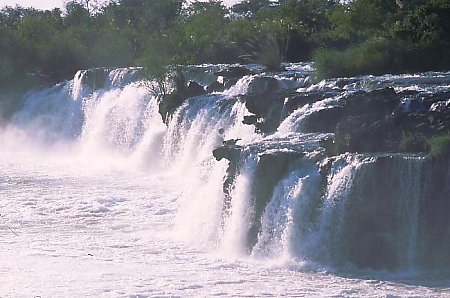
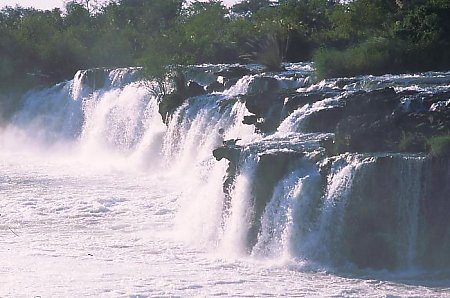
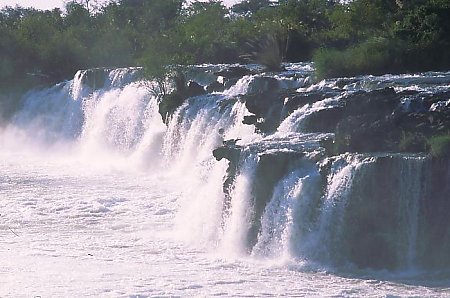
Ngonye Falls cascades along a tributary that threads through the expansive floodplains of Western Zambia. The waterfall is surrounded by dense riparian forest, offering a cool micro‑climate that contrasts sharply with the surrounding savanna. The sound of rushing water, the scent of fresh riverine foliage, and the occasional flash of rainbow‑colored mist combine to create an immersive sensory experience.
Historical and Cultural Significance
While Ngonye Falls does not yet enjoy the global fame of Victoria Falls, it holds a special place in local folklore. The name “Ngonye” is derived from a word in the Lozi language, meaning “the place where water sings.” For the Lozi people and other communities along the Zambezi basin, the falls have long been a source of fresh water, a natural gathering spot, and a point of cultural pride.
The falls also sit near historic trade routes that once linked the inland kingdoms of Barotseland with coastal traders. Though the waterfall itself was not a major commercial hub, its proximity to these routes meant that it served as a natural rest stop for travelers and traders navigating the region’s winding rivers and sandy plains.
How to Get There
Getting to Senanga
-
By Road – Most visitors arrive in Senanga via the national road network. From Lusaka, Zambia’s capital, the drive takes roughly 8–9 hours on a well‑maintained highway (the M10). Buses and private hire cars run regularly between Lusaka, Livingstone, and Senanga.
-
By Air – The nearest major airport is Livingstone International Airport (approximately 250 km south of Senanga). From the airport, you can hire a 4×4 vehicle or arrange a transfer service to Senanga.
-
Local Transport – Once in Senanga, the falls are only about 0.6 km from the town centre. Walking, cycling, or a short tuk‑tuk ride will get you to the waterfall’s base.
Practical Tips
- Road Conditions: During the rainy season (November–April), some rural sections can become muddy. A high‑clearance vehicle is advisable.
- Border Crossings: If you’re traveling from neighboring countries (e.g., Botswana or Namibia), ensure you have the appropriate visas and vehicle permits.
- Navigation: Use the coordinates -16.653117, 23.575673 in your GPS or mapping app for pinpoint accuracy.
Best Time to Visit
| Season | Weather | Why Visit |
|---|---|---|
| Dry Season (May – October) | Warm days, cool nights, low rainfall | Clear skies provide stunning views of the falls and surrounding landscape. Trails are dry and easy to navigate. |
| Shoulder Months (May & October) | Transition period with mild temperatures | Ideal for photography—soft lighting and fewer tourists. |
| Wet Season (November – April) | Frequent showers, higher river levels | The waterfall swells dramatically, creating a powerful cascade and vibrant rain‑forest ambience. However, some access routes may be slippery. |
Overall Recommendation: For most travelers, the dry season (June‑September) offers the best combination of accessibility, comfortable weather, and excellent photo opportunities. If you crave a more dramatic, roaring waterfall, plan a visit in December or January—just pack waterproof shoes.
What to Expect
The Experience
- First Glimpse: As you approach from Senanga, the distant roar of water grows louder, and a fine mist begins to kiss your face. The forest opens up to reveal a broad curtain of water spilling over a rocky ledge into a tranquil pool below.
- Senses Engaged: The air is fresh with a hint of riverine herbs. Sunlight filters through the canopy, painting the water with golden flecks. Dragonflies dart across the surface, and you may hear distant bird calls—baboons and kingfishers are common visitors.
- Activities:
- Photography: The falls provide a perfect backdrop for landscape and macro shots. Early morning light creates dramatic shadows, while late afternoon produces a warm glow.
- Picnicking: Small, flat rocks near the water’s edge make natural seating. Bring a packed lunch to enjoy a riverside meal.
- Guided Walks: Local guides can lead short nature walks, pointing out medicinal plants and explaining the ecological importance of the waterfall’s micro‑habitat.
Facilities
Ngonye Falls remains largely undeveloped, preserving its natural charm. There are no formal visitor centres, restrooms, or souvenir shops directly at the site. However, the town of Senanga offers basic amenities—guesthouses, small restaurants, and a few craft stalls where you can purchase locally made items.
Nearby Attractions
While Ngonye Falls is the star attraction, the surrounding area offers additional points of interest that complement your waterfall adventure.
| Attraction | Distance from Ngonye Falls | Description |
|---|---|---|
| Ngonye Falls (waterfall) | 0.6 km | The waterfall itself—perfect for repeat visits to catch different lighting conditions. |
| Ngonye Falls (waterfall) | 0.6 km | A second viewpoint offering a slightly elevated perspective of the cascade. |
Note: Both entries refer to distinct viewing spots around the same waterfall, allowing you to experience the falls from multiple angles.
For a broader itinerary, consider exploring Senanga’s riverfront market, where you can sample fresh fish from the Zambezi basin, or take a short boat trip on the nearby river to spot hippos and crocodiles (always with a qualified guide).
Travel Tips
- Pack Light, Pack Smart – Bring quick‑dry clothing, sturdy walking shoes, a hat, sunscreen, and insect repellent. A lightweight rain jacket is essential during the shoulder months.
- Stay Hydrated – The Western Province can be hot and dry, especially in the dry season. Carry at least 2 liters of water per person.
- Respect the Environment – Ngonye Falls is a pristine natural site. Pack out all litter, avoid disturbing wildlife, and stay on established paths to protect fragile vegetation.
- Cash is King – Credit cards are rarely accepted in Senanga. Carry Zambian kwacha for accommodation, meals, and guide fees.
- Local Guides Add Value – Hiring a local guide not only supports the community but also enriches your experience with stories about the falls’ cultural heritage and the surrounding ecosystem.
- Safety First – The rocks around the waterfall can be slippery, especially after rain. Keep a safe distance from the edge, and never swim in the pool if you’re not a strong swimmer.
- Photography Gear – A polarizing filter can help reduce glare on the water, while a tripod is useful for low‑light shots during sunrise or sunset.
Final Thoughts
Ngonye Falls may not appear on every travel brochure, but that’s precisely why it feels like a hidden treasure. Its serene beauty, cultural resonance, and easy accessibility from Senanga make it an ideal destination for travelers craving authentic Zambian experiences. Whether you’re a seasoned adventurer, a nature photographer, or simply someone looking to unwind beside a gentle cascade, Ngonye Falls invites you to pause, listen to the water’s song, and create memories that will ripple through your travel stories for years to come.
Ready to chase the mist? Pack your bags, follow the coordinates, and let Ngonye Falls reveal its quiet magic.
Further Reading: For more details on the waterfall’s geography and history, visit the Ngonye Falls Wikipedia page.