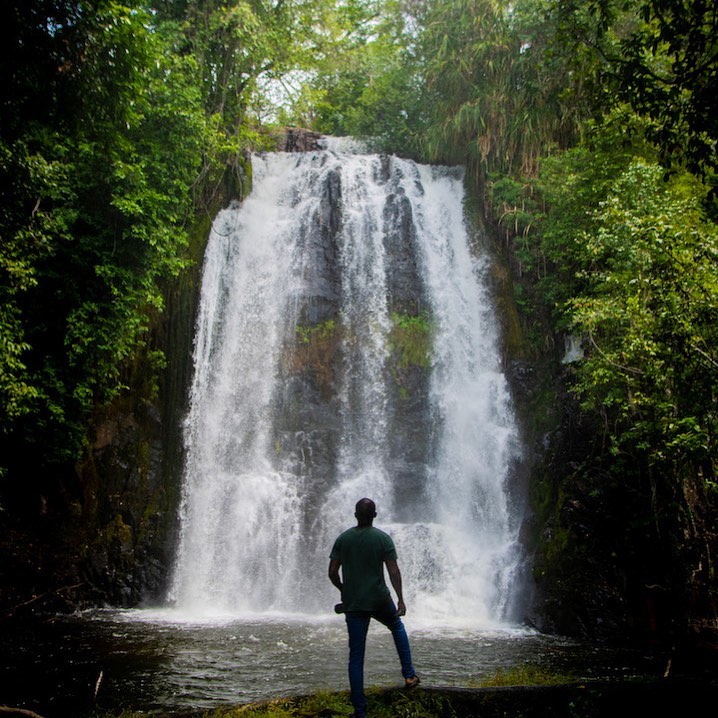
Ntumbachushi Falls – Zambia’s Hidden Waterfall Gem in Luapula Province
Discover the mist‑kissed wonder of Ntumbachushi Falls, a tranquil cascade tucked away in the heart of Kawambwa, Luapula. Whether you’re a seasoned waterfall hunter or a curious traveler seeking off‑the‑beaten‑path experiences, Ntumbachushi promises a slice of natural serenity that’s still under the radar.
1. Introduction
Imagine standing at the edge of a lush forest, the air thick with the scent of damp earth, and hearing the distant roar of water tumbling over stone. That’s the moment you’ll feel at Ntumbachushi Falls, a pristine waterfall nestled in the remote corners of Luapula Province, Zambia. While Zambia is famed for the spectacular Victoria Falls, the country’s lesser‑known cascades—like Ntumbachushi—offer equally captivating scenery without the crowds. This guide will walk you through everything you need to know to make the most of your visit to this hidden treasure.
2. About Ntumbachushi Falls
What Makes Ntumbachushi Special?
- Location: The falls sit near the small town of Kawambwa at coordinates ‑9.853929, 28.944389.
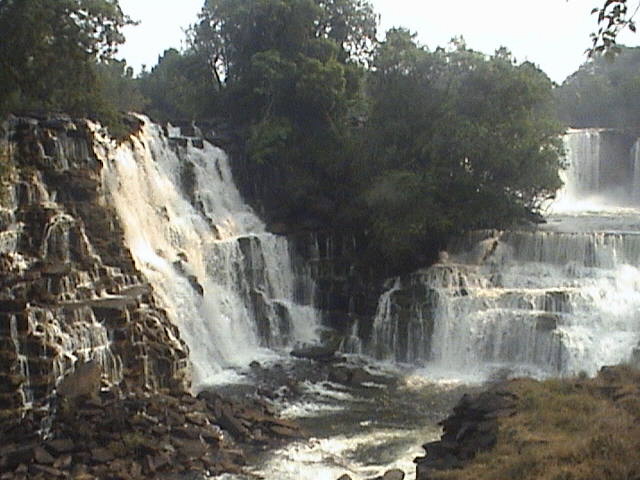
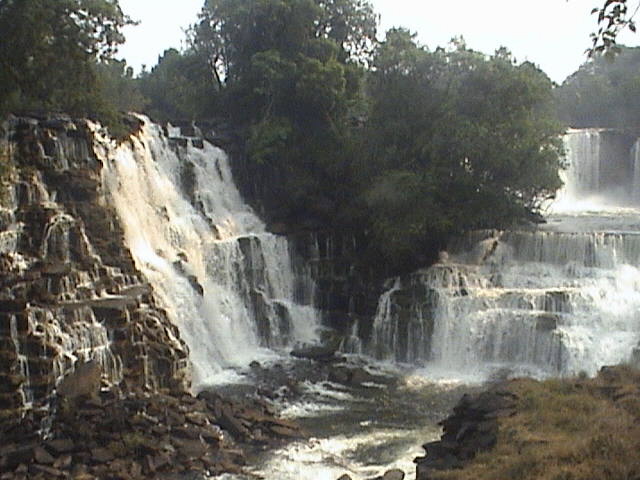
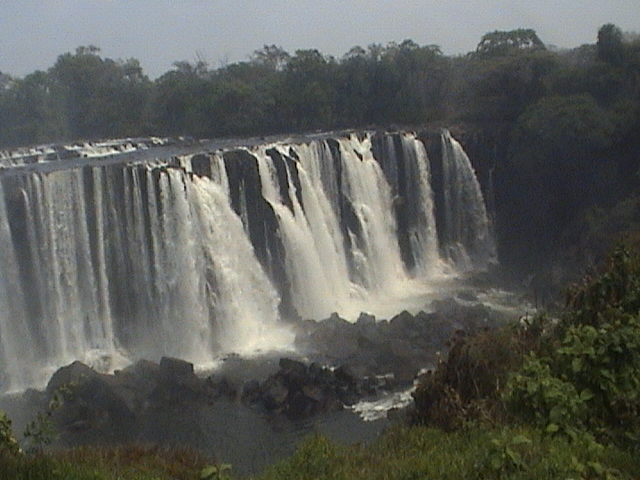
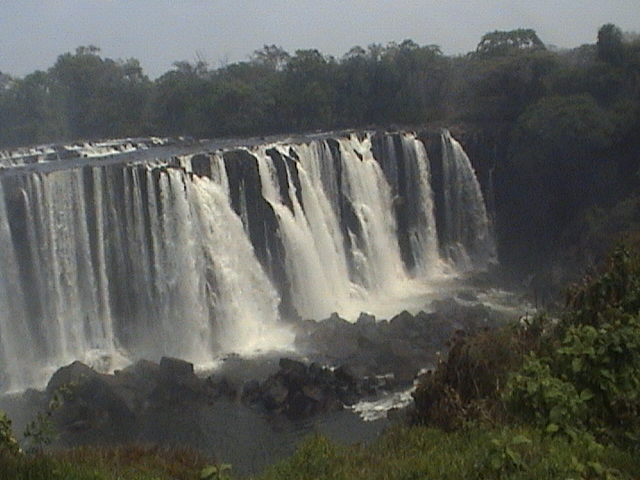
- Type: A classic waterfall (🌊) that spills into a tranquil pool, surrounded by dense woodland and open savanna.
- Height & Altitude: Official measurements are not published, adding an element of mystery to the cascade. What’s certain is that the waterfall’s flow is strong enough to carve a picturesque gorge, yet gentle enough to allow safe, up‑close exploration.
A Brief Historical Snapshot
Ntumbachushi Falls has long been a natural landmark for the Bemba and Lunda communities that call Luapula home. While there is limited documented history, oral traditions describe the falls as a sacred spot for communal gatherings, traditional rites, and seasonal celebrations. The waterfall’s name—Ntumbachushi—derives from the local language, roughly translating to “the place where water sings,” a fitting tribute to its melodic cascade.
Why It Matters
Beyond its aesthetic appeal, Ntumbachushi plays a modest role in local ecology:
- Biodiversity hotspot: The mist‑laden micro‑climate supports a variety of ferns, orchids, and bird species, making it a favorite stop for birdwatchers.
- Community resource: The nearby river feeds small-scale irrigation and fishing activities, sustaining nearby villages.
3. How to Get There
Reaching Ntumbachushi Falls is an adventure in itself, but the journey rewards you with stunning Zambian landscapes.
| Starting Point | Approx. Distance | Typical Transport |
|---|---|---|
| Lusaka (capital) | ~560 km | Fly to Mansa Airport (domestic flight) then hire a 4×4 or take a shared minibus to Kawambwa. |
| Mansa (Luapula provincial capital) | ~120 km | Private car or local minibus (known as kombis) heading north on the M13 road. |
| Kawambwa town | 0 km | From the town centre, follow the unpaved road signs toward the falls (approximately 10 km). |
Step‑by‑Step Road Directions
- From Mansa: Take the M13 north toward Kawambwa. The road is paved for most of the stretch but can get dusty during the dry season.
- Enter Kawambwa: After crossing the Kawambwa River, look for a small sign pointing to “Ntumbachushi Falls.”
- Final leg: The last 10 km is a gravel track winding through farmland and forest. A sturdy vehicle (4×4 recommended) will handle the occasional potholes.
- Parking: A modest parking area sits near the trailhead. From here, a short 300‑meter footpath leads to the viewing platform.
Pro tip: If you’re traveling during the rainy season (Nov–Mar), bring a spare pair of shoes and be prepared for slick trail sections.
4. Best Time to Visit
| Season | Weather | Water Flow | Visitor Experience |
|---|---|---|---|
| Dry Season (May–October) | Warm, sunny, low humidity | Moderate – water levels dip slightly | Ideal for hiking, picnics, and photography with clear skies. |
| Rainy Season (November–April) | Frequent showers, lush vegetation | High – waterfall is at its most powerful | Perfect for witnessing the falls in full force, though trails can be muddy. |
Overall recommendation: Late June to early September offers the best balance of comfortable temperatures, manageable water flow, and minimal road disruptions. However, if you crave the dramatic roar of a swollen cascade, plan for a visit in January or February—just pack waterproof gear.
5. What to Expect
The Sights & Sounds
- First Glimpse: As you approach, the sound of rushing water grows louder, guiding you through a canopy of towering trees.
- The Cascade: Ntumbachushi spills over a rugged rock face into a crystal‑clear plunge pool. Sunlight filters through the foliage, creating shimmering rainbows on the water’s surface.
- Flora & Fauna: Expect to see African mahogany, fig trees, and a carpet of ferns near the base. Bird enthusiasts may spot kingfishers, spotted doves, and the occasional broad‑billed roller.
Activities
- Photography: The falls are especially photogenic during early morning light when mist forms delicate veils.
- Picnicking: Small, shaded spots near the pool make for a peaceful lunch.
- Short Hikes: A loop trail (≈2 km) circles the falls, offering different viewpoints and a chance to explore nearby streams.
- Swimming: The plunge pool is generally safe for a quick dip, but always check for currents, especially after heavy rains.
Amenities
Facilities are minimal—there is a basic toilet block and a hand‑washing station near the parking area. Bring your own water, snacks, and a portable toilet paper roll.
6. Nearby Attractions
While Ntumbachushi Falls can easily fill a day, the surrounding region boasts additional natural wonders worth exploring:
- [Luapula Dam] – ≈10.3 km away. A modest dam offering scenic views of the reservoir and opportunities for fishing.
- [Luapula Weir] – ≈23.5 km away. A historic water‑control structure ideal for a short stopover and photo ops.
- [Kabwelume Falls] – ≈57.6 km away. One of Zambia’s larger waterfalls, known for its powerful cascade and lush surroundings.
- [Lumangwe Falls] – ≈59.5 km away. Often called the “Niagara of Zambia,” this impressive fall is a must‑see for waterfall enthusiasts.
Tip: Combine these sites into a Luapula Waterfall Circuit—spend two to three days exploring the region’s cascading beauties, local villages, and lakeside vistas.
7. Travel Tips
| Tip | Details |
|---|---|
| Vehicle | A 4×4 is advisable, especially during the rainy season. |
| Cash | Rural Luapula has limited ATMs; bring ZMW 200–300 for entry fees, parking, and small purchases. |
| Safety | Keep an eye on children near the water’s edge; the pool can be deceptively deep. |
| Health | Carry a basic first‑aid kit, insect repellent, and stay hydrated. |
| Cultural Respect | Ask permission before photographing local residents; many communities value privacy. |
| Guides | Hiring a local guide enhances the experience— they can point out hidden bird species and share folklore about the falls. |
| Leave No Trace | Pack out all litter; the area’s ecosystem is fragile. |
| Connectivity | Mobile signal is spotty; download offline maps (Google Maps or Maps.me) before you set out. |
| Timing | Arrive early (7–8 am) to beat any small crowds and capture the soft morning light. |
| Photography Gear | A waterproof cover for your camera or phone is handy; a polarizing filter helps reduce glare on the water. |
Final Thoughts
Ntumbachushi Falls may not have the global fame of Victoria Falls, but its quiet charm, verdant backdrop, and authentic Zambian atmosphere make it a standout destination for travelers craving genuine nature experiences. Pair it with nearby attractions like Kabwelume and Lumangwe Falls, and you’ll uncover a whole cascade‑filled corridor that showcases the hidden splendor of Luapula Province.
Pack your sense of adventure, respect the land, and let the gentle roar of Ntumbachushi guide you into the heart of Zambia’s untamed beauty.
Ready to chase waterfalls? Add Ntumbachushi Falls to your itinerary and discover why Zambia’s lesser‑known gems are worth the journey.
References
- Ntumbachushi Falls – Wikipedia
(All distances are approximate and measured from the falls’ central point.)