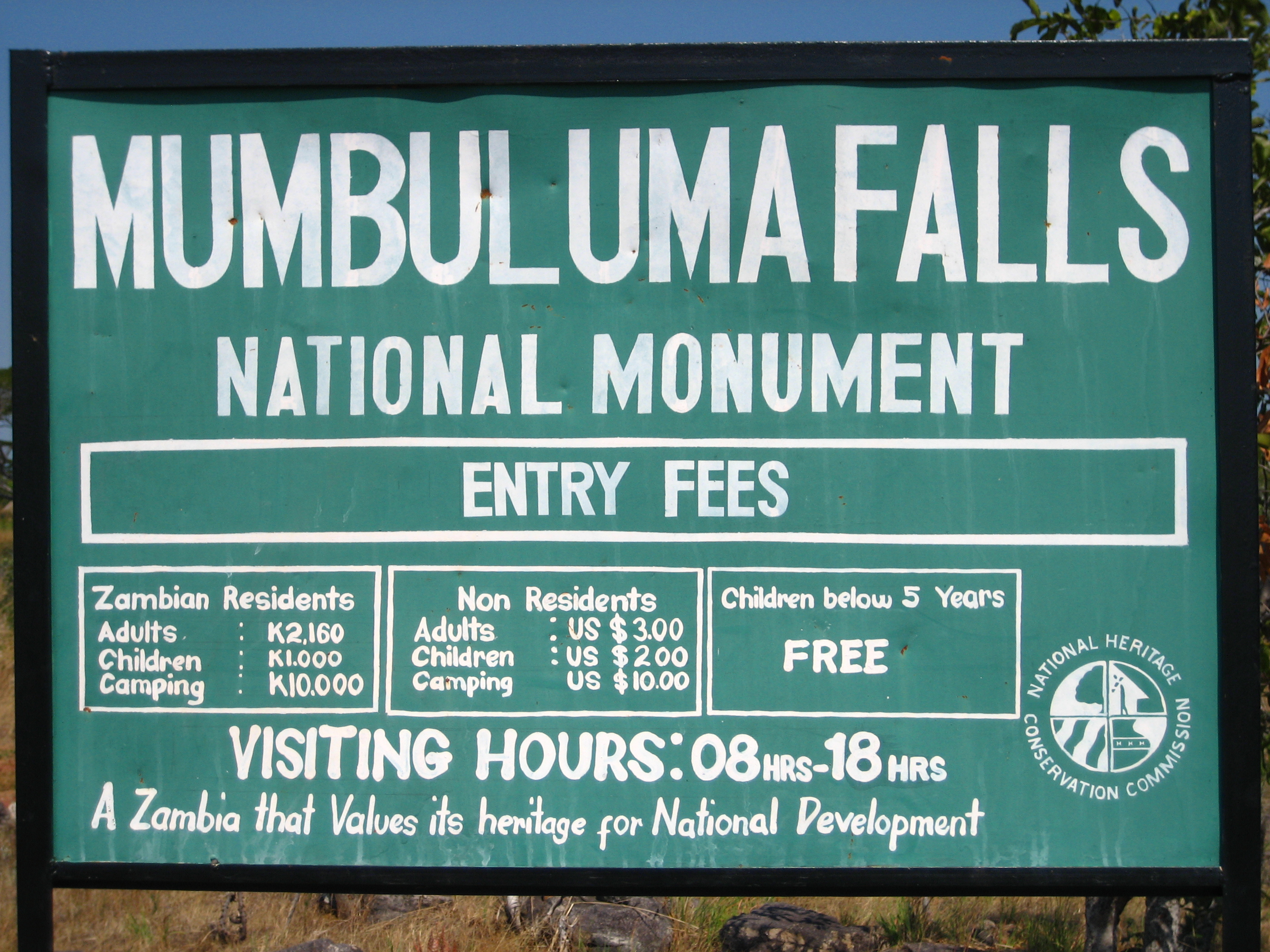
Mumbuluma Falls – Zambia’s Hidden Waterfall Gem in Luapula
Discover the mist‑kissed wonder of Mumbuluma Falls, a tranquil oasis tucked away in the heart of Luapula Province. From the moment you hear the roar of the water to the final splash of the sunset, this waterfall promises an unforgettable adventure for every traveler.
1. Introduction
If you’ve ever dreamed of standing beneath a curtain of crystal‑clear water while the surrounding forest hums with life, Mumbuluma Falls should be at the top of your Zambian bucket list. Nestled near the town of Mansa in Luapula Province, this unspoiled waterfall offers a perfect blend of natural beauty, serenity, and authentic local culture. Unlike the more‑touristy sites in Livingstone or Victoria Falls, Mumbuluma remains a hidden treasure—ideal for explorers who crave genuine, off‑the‑beaten‑path experiences.
2. About Mumbuluma Falls
A Brief Description
Mumbuluma Falls is a classic waterfall that cascades down a series of rocky ledges, creating a series of pools that sparkle under the African sun. While the exact height and altitude of the falls are not officially recorded, the sheer force of the water and the lush surrounding vegetation speak volumes about its grandeur. The falls sit at coordinates ‑10.929825, 28.735089, placing them within a pristine stretch of the Luapula River basin.
History & Cultural Significance
Mumbuluma has long been a focal point for the local Bemba and Lunda communities. Oral histories tell of the falls being a place of spiritual cleansing and communal gatherings. The name “Mumbuluma” itself is believed to stem from a local word meaning “the place where the water sings.” Over the years, the waterfall has served as a natural landmark for traders traveling between the Copperbelt and the Democratic Republic of Congo, making it a subtle thread in the region’s rich tapestry of trade and tradition.
Why It Matters
In an era where many natural sites are threatened by over‑development, Mumbuluma Falls remains relatively untouched, offering a rare glimpse into Zambia’s untouched wilderness. For eco‑tourists and photographers, the falls provide a perfect backdrop for capturing the raw beauty of Luapula’s landscapes.
3. How to Get There
Getting to Mansa
The nearest major hub is Mansa, the provincial capital of Luapula. Mansa is accessible by:
| Mode | Details |
|---|---|
| Domestic Flight | Flights from Lusaka’s Kenneth Kaunda International Airport land at Mansa Airport (approximately 1.5‑hour flight). |
| Road | The M1 highway connects Mansa to the Copperbelt (Ndola, Kitwe) and to the eastern towns of Kasama and Mpika. Buses and shared taxis run regularly from these cities. |
| Private Car | Renting a 4×4 vehicle is recommended for flexibility, especially if you plan to explore nearby attractions. |
From Mansa to the Falls
- Distance: Roughly 15 km north‑east of the town center.
- Road Conditions: A mix of paved and gravel sections. The final 5 km may be a dirt track, especially after heavy rains—hence a 4×4 is advisable.
- Directions:
1. Exit Mansa heading east on the M3 road toward Luapula River.
2. After passing the Mansa–Mufulira junction, look for a signpost pointing to Mumbuluma Falls (local signage may be limited, so a GPS coordinate entry is safest).
3. Follow the narrow road until you reach a small parking area and a well‑marked trail that leads to the viewing platform.
Local Transport
If you prefer not to drive, you can hire a local boda‑boda (motorcycle taxi) or arrange a private minibus through your guesthouse. Most drivers are familiar with the route and can provide insightful commentary about the surrounding villages.
4. Best Time to Visit
Seasonal Overview
| Season | Months | Weather | Water Flow |
|---|---|---|---|
| Dry Season | May – October | Warm days, cooler nights, low humidity | Water levels are moderate; ideal for hiking and photography. |
| Rainy Season | November – April | Frequent afternoon showers, higher humidity | Water flow peaks, creating a spectacular, thunderous cascade. |
Recommendation
- Optimal Visit: June to September. During the dry season, the trails are dry, the mist is gentle, and the sky is often clear—perfect for panoramic shots.
- If You Love Power: November to January brings the most dramatic water volume, turning the falls into a roaring torrent. Be prepared for slippery rocks and possible road mud.
5. What to Expect
The Journey to the Falls
A short, well‑marked footpath winds through a forest of miombo woodlands, where towering Brachystegia trees provide dappled shade. Birdsong fills the air, and you may spot colorful African kingfishers or a curious bushbuck along the trail.
At the Viewing Platform
The main viewing platform sits on a natural rock outcrop, offering a panoramic vista of the cascading water and the emerald pools below. On sunny days, rainbows form in the spray—an Instagram‑worthy moment.
Activities
- Photography: Capture long‑exposure shots of the waterfall or portrait shots with the mist as a backdrop.
- Swimming: The lower pool is safe for a quick dip, especially after a trek.
- Picnicking: Bring a packed lunch; there are shaded spots near the riverbank.
Facilities
Facilities are modest but functional: a small pit latrine, a hand‑pump water source, and a local craft stall where you can buy hand‑woven baskets or carved wooden figurines.
6. Nearby Attractions
While Mumbuluma Falls is the star, Luapula Province offers several other natural wonders within a short drive:
- [Dam – 8.1 km away] – A small reservoir used for local irrigation; great for a quiet lakeside stroll.
- [Dam – 12.5 km away] – Another water‑holding structure surrounded by fishing villages; ideal for cultural immersion.
- [Musonda Falls (waterfall) – 25.2 km away] – A more dramatic cascade with higher drops; perfect for a day‑trip adventure. (Link: https://en.wikipedia.org/wiki/Musonda_Falls)
- [Weir – 25.2 km away] – A modest weir offering insight into local water management practices.
- [Weir – 25.6 km away] – Another small weir nestled in a scenic valley, ideal for birdwatching.
These sites can be combined into a Luapula Waterfall Circuit, allowing you to experience a variety of water‑based landscapes in one journey.
7. Travel Tips
| Tip | Details |
|---|---|
| Pack Smart | Bring lightweight, quick‑dry clothing, sturdy walking shoes, a hat, sunscreen, and a reusable water bottle. |
| Cash is King | Rural Luapula operates largely on cash; carry Zambian Kwacha for entry fees, snacks, and souvenirs. |
| Stay Connected | Mobile coverage can be spotty; consider purchasing a local SIM (e.g., Airtel or MTN) for emergency contact. |
| Respect the Environment | Use designated paths, avoid littering, and refrain from disturbing wildlife. |
| Health Precautions | Carry basic malaria prophylaxis and insect repellent; the area is malaria‑endemic. |
| Timing | Arrive early (7‑8 am) to beat the midday heat and enjoy the falls in the soft morning light. |
| Guided Tours | If you’re unfamiliar with the area, hiring a local guide enhances safety and enriches cultural understanding. |
| Cultural Etiquette | Greet locals with a friendly “Muli bwanji” (How are you?) and ask permission before photographing individuals. |
| Photography Gear | A polarizing filter helps reduce glare on the water; a tripod is useful for long‑exposure shots. |
| Emergency | The nearest health clinic is in Mansa; note the address and keep a basic first‑aid kit on hand. |
Final Thoughts
Mumbuluma Falls may not appear on every mainstream travel brochure, but that’s precisely why it feels like a secret waiting to be discovered. Whether you’re chasing the perfect waterfall photo, seeking a peaceful spot to unwind, or yearning to connect with Zambia’s vibrant local communities, this hidden gem delivers on all fronts.
Plan your journey, respect the land, and let the mist of Mumbuluma inspire your next great adventure.
Happy travels!