Lumangwe Falls – Zambia’s Hidden Waterfall Gem in Luapula Province
Discover the thundering beauty of Lumangwe Falls, a 35‑metre cascade tucked away in the heart of Luapula, Zambia. From breathtaking scenery to nearby waterfall adventures, this guide has everything you need to plan an unforgettable trip.
1. Introduction
Imagine standing on a riverbank as a veil of water plunges 35 metres into a mist‑filled pool, the sound echoing through a lush, untouched landscape. That’s the experience waiting at Lumangwe Falls, one of Zambia’s most spectacular yet under‑the‑radar waterfalls. Located near the small town of Kawambwa in Luapula Province, Lumangwe offers a perfect blend of natural drama, cultural intrigue, and off‑the‑beaten‑path adventure—ideal for travelers craving authentic African scenery without the crowds of Victoria Falls.
Whether you’re a waterfall enthusiast, a photography lover, or simply seeking a peaceful escape, Lumangwe Falls should be at the top of your Zambia itinerary.
2. About Lumangge Falls
A Brief Description
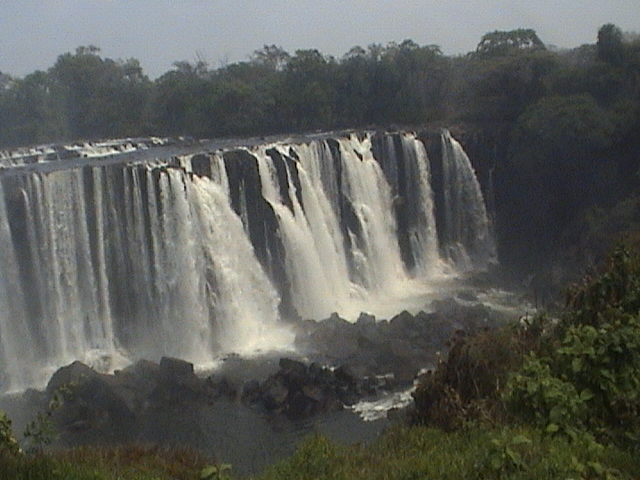
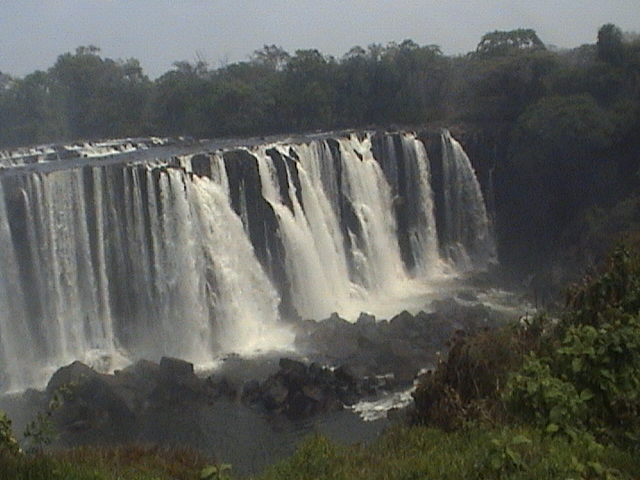
Lumangwe Falls is a 35‑metre high waterfall on the Kalungwishi River, which meanders through the northern Zambian plateau before emptying into Lake Mweru. The falls cascade over a broad rock face, creating a wide, curtain‑like sheet of water that fans out into a shimmering pool below. The surrounding terrain is a mix of open savanna and pockets of riverine forest, giving the site a raw, untouched feel.
History & Cultural Significance
The name “Lumangwe” is derived from the local Bemba language, meaning “the place where the river roars.” Historically, the falls have been a sacred site for nearby communities, who regard the roaring water as a symbol of life and fertility. Local legends speak of ancestral spirits that dwell in the mist, and traditional ceremonies are occasionally performed at the edge of the falls during harvest festivals.
While Lumangwe has never been commercialized to the extent of Victoria Falls, it has attracted adventurous travelers and researchers for decades. Its relative isolation has helped preserve the natural environment, making it a living laboratory for ecologists studying riverine ecosystems in Zambia.
3. How to Get There
Getting to Luapula Province
The most convenient entry point for Lumangwe Falls is Kawambwa, a small town situated roughly 10 km north of the falls. Kawambwa is reachable by road from several major Zambian hubs:
| Starting Point | Approx. Distance | Typical Travel Time* |
|---|---|---|
| Mansa (Provincial Capital) | 120 km | 2–3 hours by paved road |
| Kasama | 210 km | 4–5 hours (mixed paved & gravel) |
| Livingstone (Victoria Falls) | 550 km | 9–10 hours (long‑distance bus or private hire) |
*Travel times depend on road conditions and vehicle type.
The Final Leg – From Kawambwa to the Falls
From Kawambwa, a short 8‑km drive on a well‑maintained gravel road leads directly to the Lumangwe Falls viewpoint. Public minibusses (known locally as “kombis”) run sporadically, but most travelers opt for a hired 4×4 or a private taxi for flexibility.
Travel Tips:
- Carry a map or GPS (coordinates: ‑9.542725, 29.386940) – mobile signal can be spotty in the countryside.
- Bring cash (Zambian Kwacha) for road fees, guide services, or small purchases; ATMs are unavailable near the falls.
- If you’re flying into Zambia, the nearest international airport is Harry Mwanga Nkumbula International Airport in Livingstone. From there, you can arrange a domestic flight to Mansa Airport (small charter services) and continue by road.
4. Best Time to Visit
Lumangwe Falls is a year‑round attraction, but the seasonal flow dramatically influences the visitor experience.
| Season | River Flow | Visitor Experience | Recommended Activities |
|---|---|---|---|
| Rainy Season (Nov – Apr) | High – waterfall at its most powerful | Spectacular mist, louder roar, lush surrounding vegetation | Photography, nature walks, listening to the roar |
| Dry Season (May – Oct) | Moderate – water level lower, clearer pools | Easier access to the base of the falls, cooler temperatures | Swimming (where safe), picnicking, birdwatching |
Peak months: December to February (rainy) for the most dramatic cascade, and June to August (dry) for comfortable trekking and clearer water.
5. What to Expect
The Sights & Sounds
Approaching Lumangwe Falls, you’ll first hear a deep, resonant rumble that builds as you near the riverbank. The waterfall’s 35‑metre drop creates a fine spray that blankets the surrounding rocks, producing rainbows on sunny days. The pool at the base is relatively wide, offering a tranquil spot to sit and absorb the natural symphony of water, birds, and distant wildlife.
Wildlife & Flora
The river corridor supports a variety of bird species, including kingfishers, herons, and the occasional African fish eagle. Small mammals such as bushbucks and rock hyraxes can be spotted on the riverbanks, while the surrounding forest patches host fig trees and wild hibiscus.
Visitor Facilities
Facilities are minimal to preserve the natural environment. Expect a basic picnic shelter and a few benches near the main viewpoint. There is no formal visitor centre, but local guides are often available to share stories and point out hidden spots. Remember to bring your own water, snacks, and a sturdy pair of shoes for the uneven terrain.
6. Nearby Attractions
Lumangwe Falls serves as an excellent base for exploring other spectacular waterfalls in Luapula Province. All are within a short drive, making a waterfall circuit a perfect day‑trip itinerary.
| Attraction | Distance from Lumangwe | Highlights | Link |
|---|---|---|---|
| Kabwelume Falls | 4.4 km | One of Zambia’s tallest waterfalls (≈160 m), powerful during the rainy season | Kabwelume Falls (Wikipedia) |
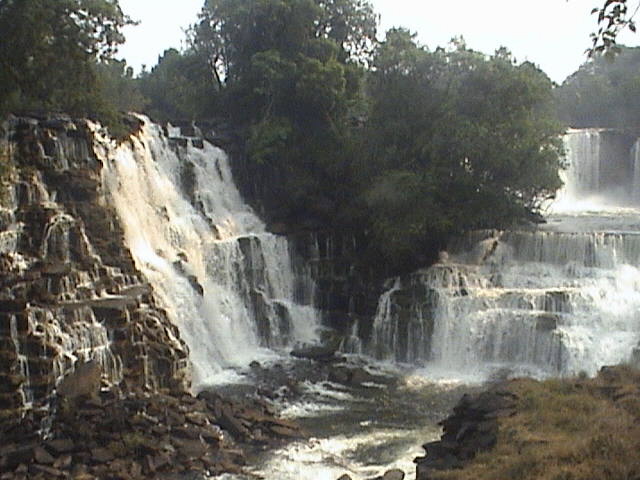
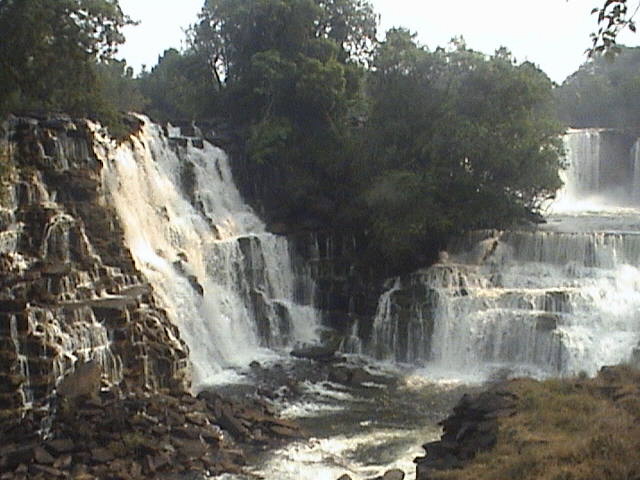
| Chimpempe Falls | 5.2 km | A series of smaller cascades ideal for short hikes and photography | Chimpempe Falls (Wikipedia) |
| Lumangwe Falls (itself) | 0 km | The main attraction – a 35 m curtain waterfall | — |
Suggested Circuit: Start at Lumangwe Falls in the morning, drive east to Kabwelume for a powerful waterfall view, then head south to Chimpempe for a gentle cascade walk before returning to Kawambwa for sunset.
7. Travel Tips
| Tip | Why It Matters |
|---|---|
| Hire a local guide | Guides know the safest paths, share cultural stories, and can point out wildlife you might miss. |
| Pack waterproof gear | The mist can soak clothing quickly; a lightweight rain jacket protects both you and your camera. |
| Bring cash | There are no ATMs near the falls; you’ll need cash for guide fees, road permits, or small purchases in Kawambwa. |
| Respect the environment | Stick to marked trails, avoid littering, and refrain from disturbing wildlife or sacred sites. |
| Check road conditions | The gravel road from Kawambwa can become slippery after heavy rain; a 4×4 vehicle is advisable during the rainy season. |
| Stay hydrated & sun‑protected | The sun can be intense, especially in the dry season; carry water, sunscreen, and a hat. |
| Timing for photography | Early morning (sunrise) and late afternoon (golden hour) provide the best light for capturing the waterfall’s mist and rainbows. |
| Safety first | The rocks around the pool can be slippery; use sturdy footwear and keep a safe distance from the edge during high flow. |
8. Closing Thoughts
Lumangwe Falls may not have the global fame of Victoria Falls, but its raw power, serene surroundings, and cultural depth make it a must‑see destination for any traveler exploring Zambia’s northern heartland. Combine the cascade’s dramatic scenery with nearby waterfalls, friendly local communities, and the quiet charm of Luapula Province, and you’ll leave with memories—and photographs—that truly capture the spirit of Zambia’s hidden natural treasures.
Ready to chase the roar? Pack your bags, map your route, and let Lumangwe Falls reveal the untamed beauty of Zambia’s waterfall corridor.
Keywords: Lumangwe Falls, Luapula waterfalls, Zambia travel, Kawambwa, Kabwelume Falls, Chimpempe Falls, waterfall tourism Zambia, best time to visit Lumangwe, how to get to Lumangwe Falls, travel tips Zambia.