Lumangwe Falls – Zambia’s Hidden Waterfall Gem
“Where the river leaps into a curtain of mist, you’ll hear the whisper of ancient legends and the roar of adventure.”
If you’ve ever dreamed of standing beneath a thundering cascade in the heart of Zambia, Lumangwe Falls should be at the top of your bucket list. Tucked away in the remote reaches of Luapula Province, this 35‑metre (115‑ft) waterfall offers pristine natural beauty, cultural intrigue, and a sense of discovery that’s hard to find on the more‑trodden tourist routes. In this guide we’ll dive into everything you need to know to make the most of a visit to Lumangwe Falls – from its fascinating backstory to practical travel tips and nearby attractions you won’t want to miss.
About Lumangge Falls
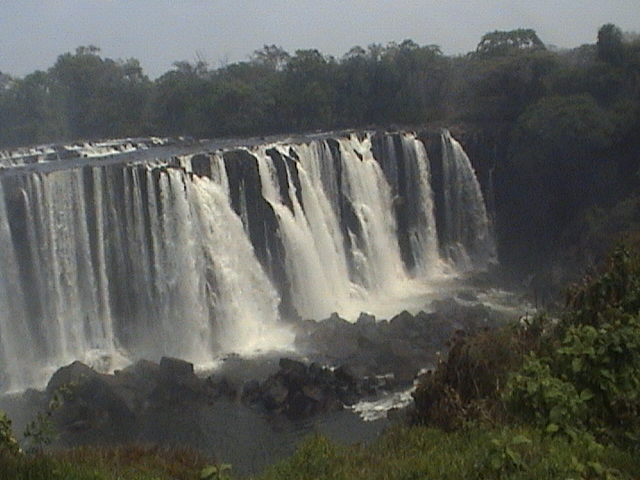
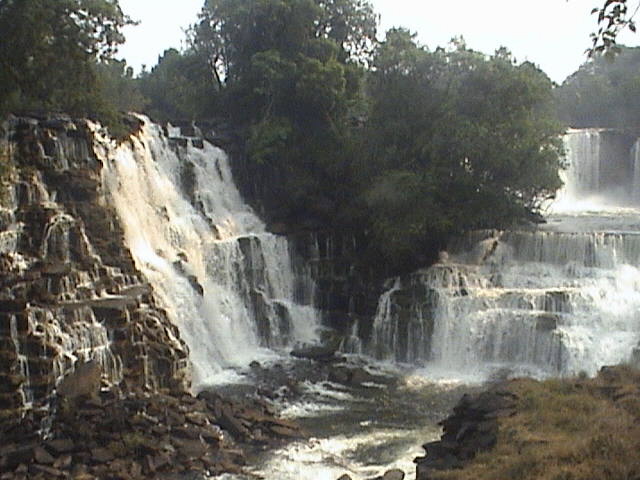
Lumangwe Falls (sometimes spelled Lumangwe or Lumangwe Falls) is a spectacular plunge waterfall on the Kalungwishi River, located near the small town of Kawambwa in Luapula Province, Zambia. With a vertical drop of roughly 35 m, the falls create a dramatic veil of water that feeds into a lush, mist‑kissed valley below.
History & Cultural Significance
Local oral traditions hold that Lumangwe is more than a scenic spot – it’s a place of spiritual importance. The falls are said to be guarded by ancestral spirits, and nearby villages have long performed rituals to honour the water’s life‑giving force. While the exact origins of the name are unclear, many believe “Lumangwe” derives from a local word meaning “the place where the river sings.”
In recent decades, Lumangwe has begun to attract eco‑tourists and adventure seekers, yet it remains relatively untouched compared to the more famous Victoria Falls. This low‑key reputation helps preserve its natural integrity and offers visitors an authentic Zambian wilderness experience.
How to Get There
Getting to Kawambwa
Lumangwe Falls sits at coordinates -9.542729, 29.386906. The nearest sizable settlement is Kawambwa, which serves as the gateway to the falls. Most travelers arrive in Luapula Province via Ndola or Kitwe (the Copperbelt’s main cities) and then continue northward by road.
- By road: Private cars, 4‑wheel‑drive rentals, or local minibuses can take you from the provincial capital of Mansa (or from the Copperbelt) to Kawambwa. The journey is scenic, winding through rolling hills, small villages, and agricultural fields.
- By air: The closest airstrip is Kawambwa Airport (a modest, unpaved strip used mainly for charter flights). For most visitors, flying into Mansa Airport or the larger Ndola International Airport and then traveling by road is the most practical option.
From Kawambwa to the Falls
Once in Kawambwa, the final leg to Lumangwe Falls is a short, well‑marked drive (approximately 5–10 km). Local guides are readily available and can navigate the last stretch, which may include a shallow river crossing during the rainy season.
Pro tip: Arrange a guide in advance through your accommodation or a reputable tour operator. They’ll not only ensure safe passage but also share the legends and ecological insights that make the visit truly memorable.
Best Time to Visit
Lumangwe Falls is a year‑round attraction, but the experience varies with the seasons:
| Season | Weather | Water Flow | Visitor Experience |
|---|---|---|---|
| Dry Season (May – October) | Warm, sunny, low humidity | Moderate flow – the cascade is still impressive but the river level is lower, revealing more rock formations. | Ideal for hiking, photography, and picnics without the risk of sudden floods. |
| Rainy Season (November – April) | Hot, frequent showers, higher humidity | Peak flow – the falls swell dramatically, creating a thunderous roar and a dense mist curtain. | Perfect for dramatic waterfall photography and feeling the raw power of nature, but be prepared for slippery paths and possible road delays. |
If you love vibrant, high‑volume waterfalls, aim for the late rainy season (March‑April) when the water is at its fullest. For comfortable trekking and clearer views, the dry months (June‑September) are optimal.
What to Expect
The Sights & Sounds
Approaching Lumangwe, you’ll first hear a low rumble that grows into a full‑bodied roar as the river plunges over the basalt cliffs. The mist creates a natural rainbow on sunny days, and the surrounding forest is alive with the calls of kingfishers, drongos, and the occasional baboon troop.
At the base of the falls, a shallow pool forms, perfect for a quick splash (though water temperatures are cool). The surrounding rocks are covered in vibrant lichens and occasional wild orchids, adding splashes of colour to the rugged scenery.
Activities
- Photography: The waterfall’s vertical drop, mist, and surrounding foliage provide endless framing options. Sunrise and late afternoon light are especially flattering.
- Hiking: Short, well‑maintained trails wind around the falls, offering viewpoints from both the left and right banks.
- Cultural encounters: If you time your visit with a local festival (often tied to the agricultural calendar), you may witness traditional dances and drumming near the riverbank.
Nearby Attractions
While Lumangwe Falls is the star attraction, the Luapula region boasts several other spectacular waterfalls within a short drive:
- Kabwelume Falls – just 4.4 km away, this cascade offers a wider curtain of water and a more expansive viewing platform.
- Chimpempe Falls – 5.2 km from Lumangwe, Chimpempe is a series of smaller drops that create a tranquil, pool‑filled gorge ideal for a relaxed afternoon.
These neighboring sites can be combined into a “Waterfall Circuit” for a full‑day adventure, allowing you to compare the power of Lumangwe with the gentler rhythms of Kabwelume and Chimpempe.
Travel Tips
| Tip | Why It Matters |
|---|---|
| Bring sturdy, waterproof shoes | Riverbanks can be slippery, especially during the rainy season. |
| Pack a light rain jacket | Sudden showers are common; a breathable waterproof layer keeps you comfortable. |
| Carry insect repellent | Mosquitoes are active near water, particularly at dusk. |
| Stay hydrated | The tropical climate can be dehydrating; bring plenty of water. |
| Respect local customs | Ask permission before photographing people or entering sacred sites. |
| Leave no trace | The area is pristine; pack out all litter and avoid disturbing flora. |
| Use a local guide | Guides enhance safety, provide cultural context, and support the community. |
| Check road conditions | During the rainy season, some access roads may be washed out; confirm with your accommodation. |
| Cash is king | Rural Zambia relies heavily on cash (Zambian kwacha); ATMs are scarce. |
| Sun protection | The high altitude and open landscape mean strong UV; wear a hat and sunscreen. |
Final Thoughts
Lumangwe Falls may not have the global fame of Victoria Falls, but its unspoiled beauty, cultural depth, and sense of adventure make it a must‑visit destination for any traveler seeking authentic Zambian experiences. Whether you’re chasing the perfect waterfall photo, immersing yourself in local folklore, or simply yearning for a peaceful spot to listen to nature’s roar, Lumangwe delivers.
Plan your trip, respect the environment, and let the mist of Lumangwe inspire your next great adventure. Safe travels!