Kabwelume Falls – Zambia’s Hidden Waterfall Gem
If you’re chasing the roar of cascading water, the mist‑kissed air of a remote waterfall, and the authentic charm of Zambia’s Luapula Province, then Kabwelume Falls should be at the top of your itinerary. Tucked away near the town of Kawambwa, this 25‑metre plunge offers a pristine slice of nature that’s still off the beaten path – perfect for travelers who love discovery.
1. Introduction
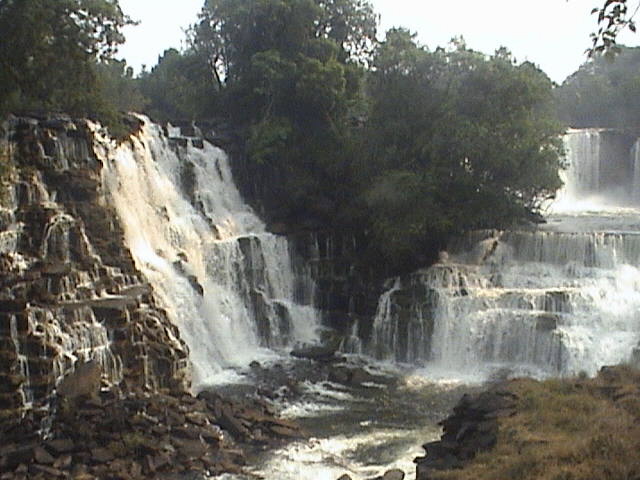
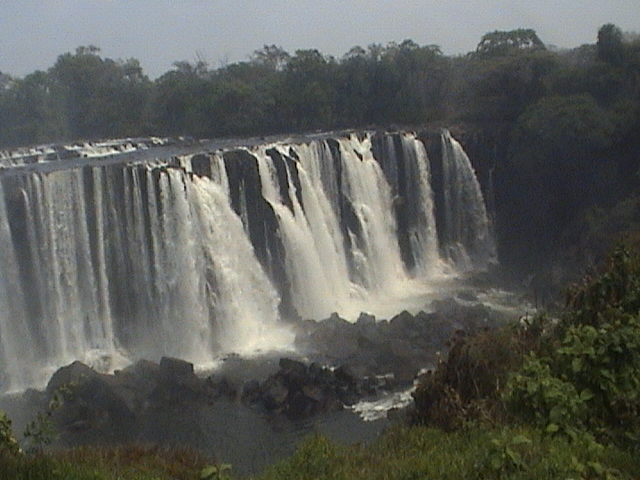
Imagine standing on a rocky outcrop, the sun breaking through a thin veil of clouds, and a 25‑metre curtain of water thundering down into a crystal‑clear pool below. That’s Kabwelume Falls. While Zambia is famous for the mighty Victoria Falls, the quieter, lesser‑known waterfalls of Luapula Province deliver equally breathtaking experiences without the crowds. Kabwelume’s raw beauty, gentle roar, and surrounding tropical forest make it a photographer’s dream and an adventurer’s playground.
2. About Kabwelume Falls
Location & Physical Details
- Name: Kabwelume Falls
- Type: Waterfall 🌊
- Coordinates: -9.525301, 29.351291
- Height: ≈ 25 m (about 82 ft)
- Province: Luapula, Zambia (near the town of Kawambwa)
Kabwelume Falls drops directly into a natural plunge pool that feeds the Luapula River system. The waterfall’s exact altitude isn’t recorded, but the surrounding landscape sits at a modest elevation, giving the falls a gentle yet powerful presence.
Historical & Cultural Significance
Kabwelume has long been a gathering place for local communities. The falls are part of the traditional lands of the Bemba and Lunda peoples, who consider water bodies sacred and often use them for ritual cleansing and communal celebrations. While there is no extensive written history, oral traditions speak of the falls as a “source of life” that supports nearby agriculture and fishing.
Why It Matters
- Ecological hotspot: The mist zone around the falls nurtures a micro‑habitat for ferns, orchids, and a variety of bird species.
- Tourism potential: As Zambia pushes for sustainable tourism beyond Victoria Falls, Kabwelume offers a low‑impact, high‑reward destination.
- Adventure gateway: Its proximity to other waterfalls makes it an ideal base for a “waterfall‑hopping” adventure in Luapula.
3. How to Get There
By Air
The nearest major airport is Kenneth Kaunda International Airport (LUN) in Lusaka, about 650 km south. From Lusaka, you can catch a domestic flight to Mansa Airport (MNS) or Kasama Airport (KAA), both of which have limited scheduled services.
By Road
From Mansa (the provincial capital) or Kasama, the most common route to Kabwelume Falls is via the M13 highway heading north toward Kawambwa. The drive from Mansa takes roughly 3–4 hours on a mix of tarred and gravel roads.
- From Lusaka: Take the T2 (Great North Road) to Kapiri Mposhi, then continue on the T3 to Kasama. From Kasama, follow signs to Kawambwa and the falls. The total journey is about 10–12 hours, so many travelers break the trip in Mansa or Kasama for an overnight stay.
Local Transport
- Buses & Minibuses: Public minibuses (known locally as “kombis”) run between Mansa, Kasama, and Kawambwa. They are inexpensive but can be crowded.
- Car Hire: Renting a 4×4 in Lusaka or Mansa gives you flexibility, especially during the rainy season when some sections become muddy.
Getting to the Falls Itself
From the main road, a short 2‑km dirt track leads to a modest parking area. A well‑marked footpath (≈ 15 minutes) takes you through a shaded forest to the viewing platform overlooking the cascade. The trail is relatively easy, though sturdy shoes are recommended.
4. Best Time to Visit
| Season | Months | Water Flow | Visitor Experience |
|---|---|---|---|
| Rainy | November – April | Highest – the falls are at their most powerful, creating a spectacular spray. | Lush vegetation, cooler temperatures, but some roads may be muddy. |
| Dry | May – October | Lower but still impressive; water levels recede to reveal more rock formations. | Drier roads, clearer skies, ideal for photography and hiking. |
Peak recommendation: Late May to early September offers a balance of strong water flow and good road conditions. If you love the roar of a full waterfall, aim for December to February, but be prepared for occasional road challenges.
5. What to Expect
The Sights & Sounds
- Visual drama: A 25‑metre curtain of water plunges into a turquoise pool, framed by towering mahogany and ironwood trees.
- Misty atmosphere: The constant spray creates a cool micro‑climate, perfect for a quick dip (if locals permit).
- Wildlife: Keep an eye out for kingfishers, African grey hornbills, and occasional forest monkeys that dart among the canopy.
Activities
- Photography: Early morning light filters through the mist, producing rainbow halos—ideal for landscape shots.
- Swimming: The plunge pool is safe for a short swim, though it can be chilly during the dry season.
- Picnicking: Small wooden benches and shaded spots near the trail allow for a relaxed lunch with a view.
Facilities
Facilities are modest: a basic restroom near the parking area, a few locally‑run stalls selling bottled water and simple snacks (roasted maize, groundnuts). There are no formal visitor centers, so bring any supplies you may need.
6. Nearby Attractions
Kabwelume Falls is part of a waterfall corridor that makes Luapula a hidden paradise for nature lovers. Here are the top spots you can easily combine in a single trip:
- Lumangwe Falls – 4.4 km north of Kabwelume. Often called the “mini‑Victoria,” Lumangwe drops about 30 m over a basaltic cliff, creating a dramatic plunge pool perfect for kayaking.
- Chimpempe Falls – 9.2 km east of Kabwelume. A series of smaller cascades weave through a dense forest, offering tranquil walking trails and bird‑watching opportunities.
These three waterfalls can be explored in a day‑trip loop: start at Kabwelume in the morning, head to Lumangwe for lunch, and finish with an afternoon stroll at Chimpempe before returning to Kawambwa.
7. Travel Tips
| Tip | Details |
|---|---|
| Pack smart | Bring lightweight rain gear (even in the dry season, mist can be sudden), sturdy walking shoes, and insect repellent. |
| Cash is king | Rural Zambia relies heavily on cash (ZMW). ATMs are scarce outside major towns, so withdraw enough before you head out. |
| Respect local customs | Ask permission before swimming or taking close‑up photos of locals. Some communities consider certain parts of the falls sacred. |
| Stay hydrated | The tropical climate can be humid; carry plenty of water, especially if you plan on hiking between waterfalls. |
| Timing | Arrive early (around 8 am) to avoid the small midday crowd and capture the best light for photos. |
| Safety | The rocks around the plunge pool can be slippery. Test footing before stepping in, and keep an eye on children. |
| Eco‑friendly | Pack out all trash, use refillable water bottles, and stay on marked trails to protect the delicate forest floor. |
| Connectivity | Mobile coverage is limited; consider buying a local SIM card (Zamtel or Airtel) for emergency calls. |
| Guides | Hiring a local guide (often available at the parking area) enriches the experience with cultural insights and ensures you don’t miss hidden viewpoints. |
| Accommodations | Options in Kawambwa range from modest guesthouses to eco‑lodges. Book ahead during the peak rainy season. |
Final Thought
Kabwelume Falls may not have the global fame of Victoria Falls, but its serene power, surrounding wilderness, and authentic Zambian vibe make it a must‑see destination for the intrepid traveler. Pair it with nearby Lumangwe and Chimpempe Falls, and you’ve got a compact, unforgettable waterfall adventure in the heart of Luapula Province.
Pack your camera, lace up those boots, and let the mist of Kabwelume welcome you to one of Zambia’s best‑kept secrets.
Ready to explore? Share your Kabwelume adventure on social media with #KabwelumeFalls and inspire fellow travelers to discover Zambia’s hidden waterfalls!