Sipi Falls – Simba: Uganda’s Hidden Waterfall Gem
Discover the thundering beauty of Simba, the tallest of the three Sipi Falls, and why it belongs on every traveler’s Eastern Uganda itinerary.
Introduction
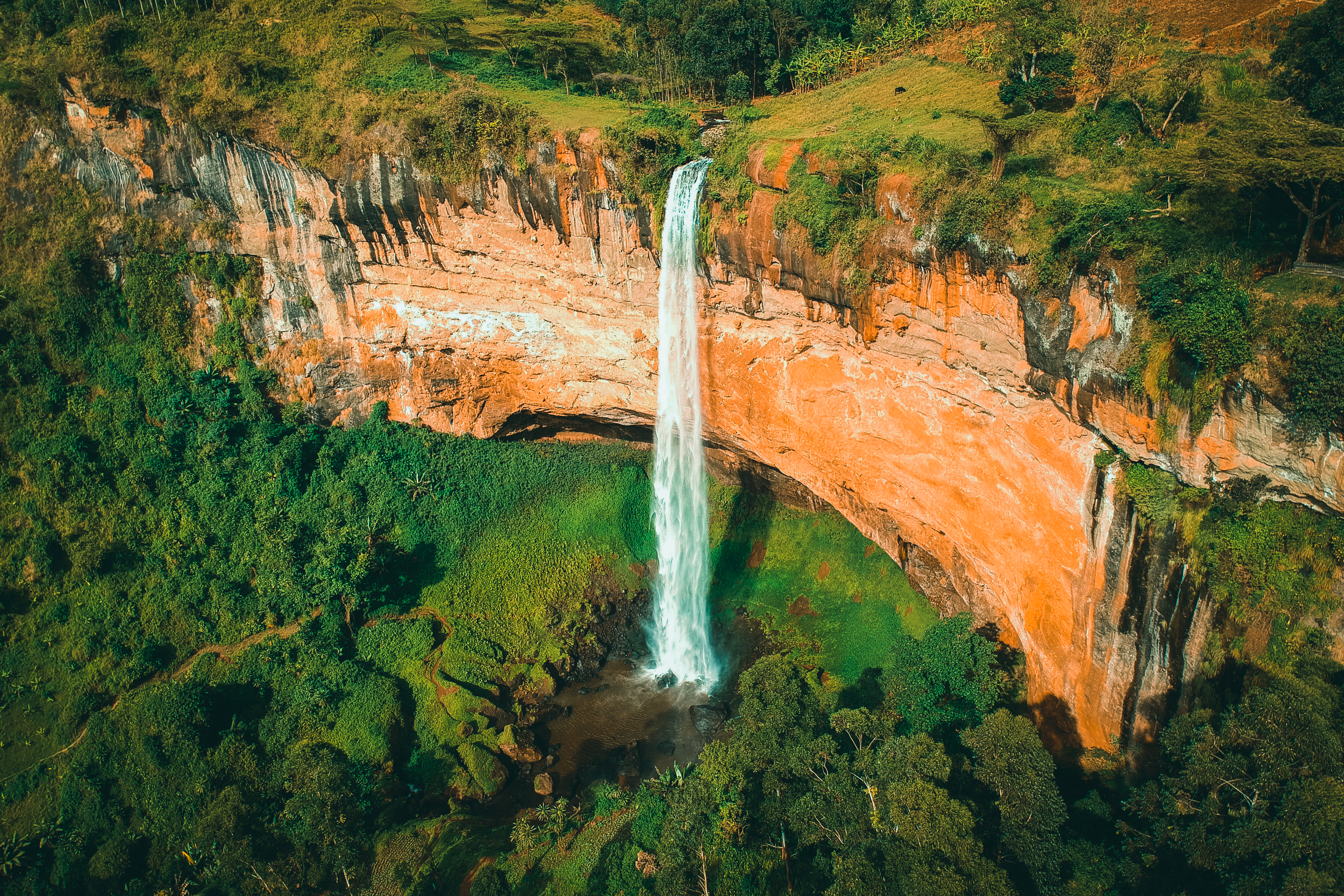
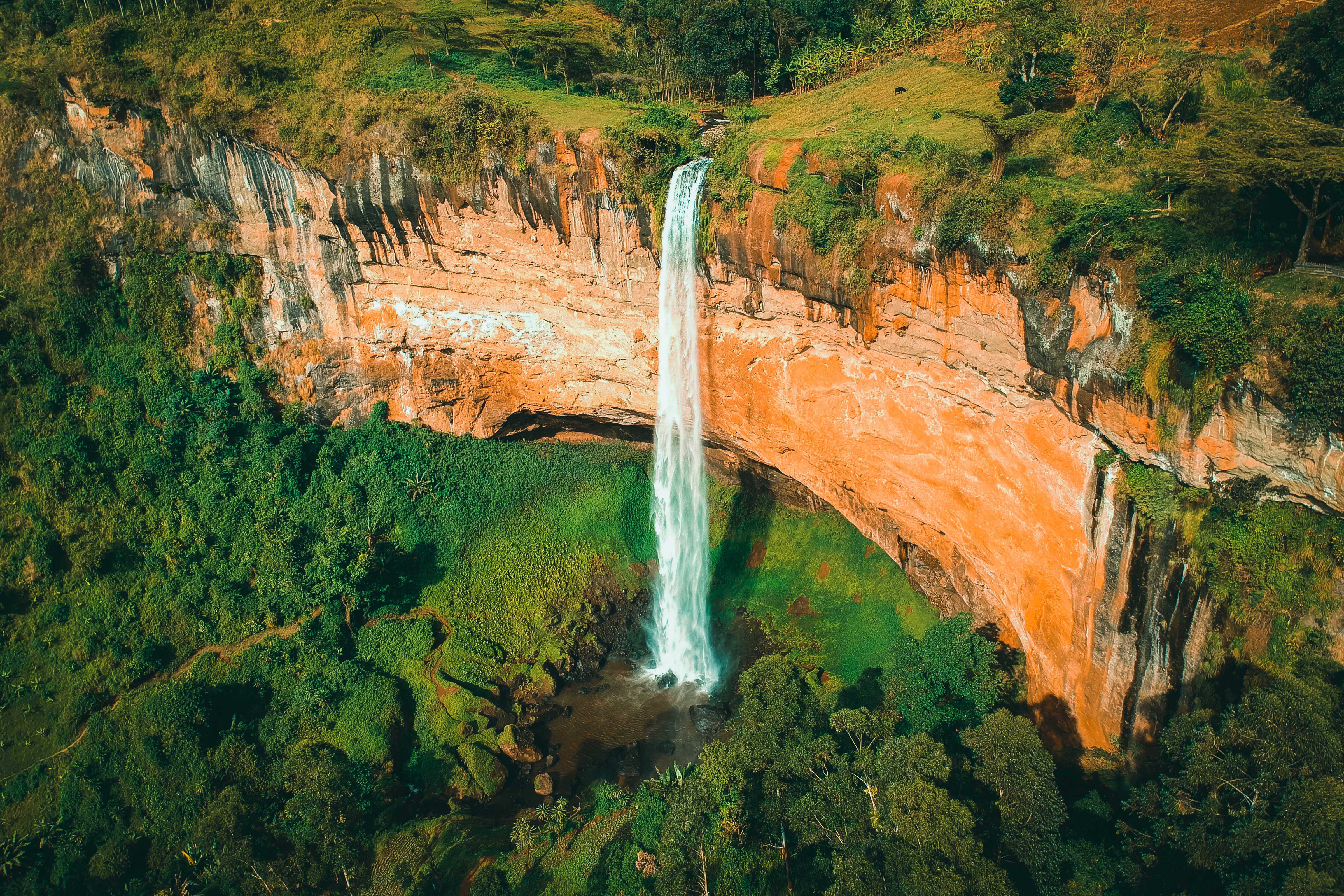
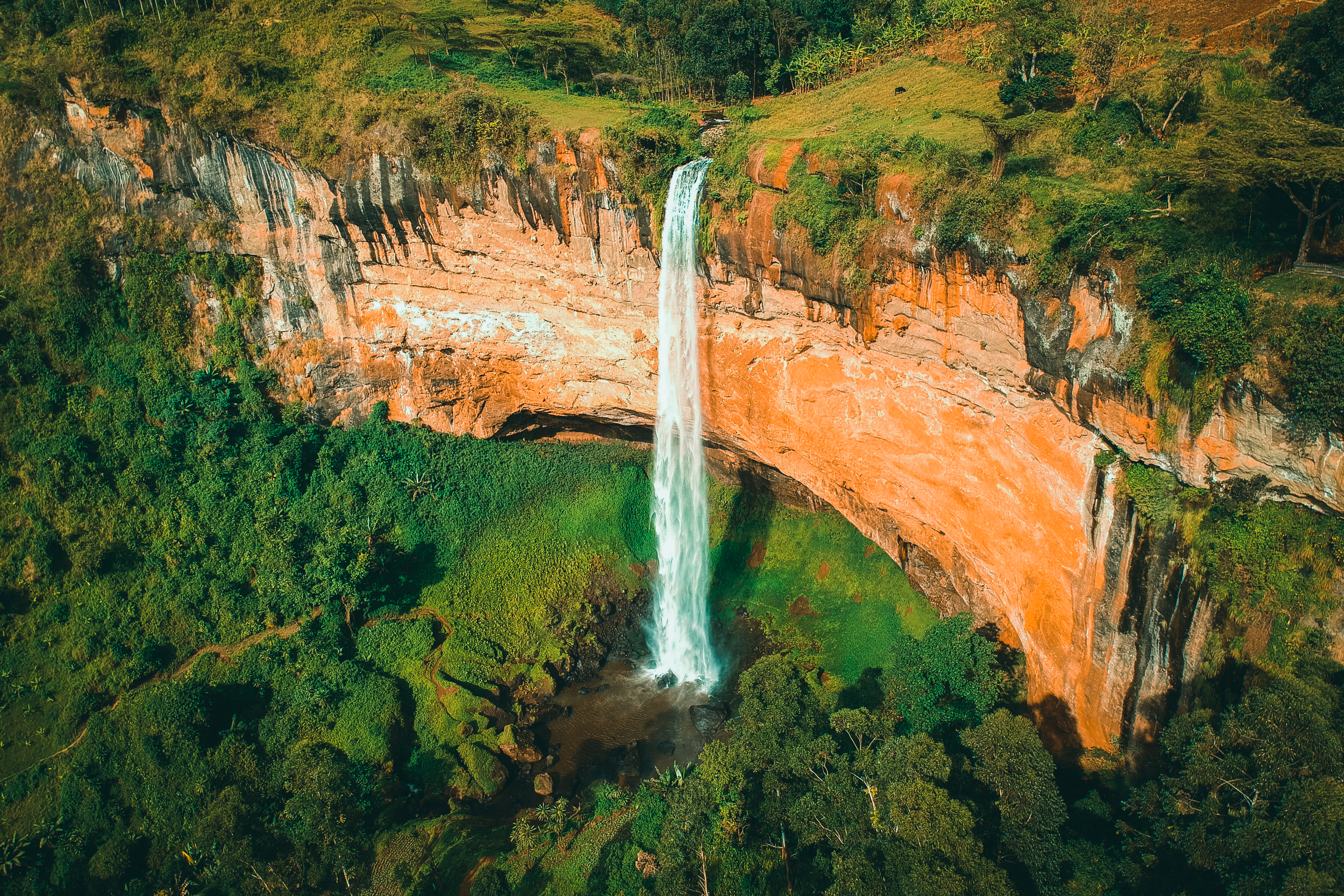
Imagine standing at the edge of a 69‑metre curtain of water, the mist cooling your face while the distant peaks of the Mount Elgon range loom behind you. That’s the experience waiting at Sipi Falls – Simba, the most dramatic of the three waterfalls that grace the Sipi River in Kapchorwa, Eastern Region, Uganda. Whether you’re a seasoned hiker, a photography enthusiast, or simply a lover of nature’s raw power, Simba delivers a moment of awe that stays with you long after you leave the misty spray.
In this guide we’ll dive into the story behind Simba, how to reach it, the best time to visit, what you’ll see on the trail, nearby attractions you can’t miss, and essential travel tips to make your Ugandan waterfall adventure smooth and unforgettable.
About Sipi Falls – Simba
What makes Simba special?
- Height: At 69 metres (≈226 ft), Simba is the tallest of the three Sipi Falls, dwarfing its sisters Ngasire (the middle fall) and the First Fall.
- Location: Nestled near the town of Kapchorwa in Uganda’s Eastern Region, the falls sit at coordinates 1.337148, 34.384831.
- Type: A classic plunge waterfall, Simba drops straight into a deep pool, creating a thunderous roar that can be heard from several hundred metres away.
A brief history
The name “Sipi” is believed to derive from the local Kalenjin word “Sipi”, meaning “a place where water falls”. The falls have long been a sacred site for the surrounding communities, who consider the river a source of life and fertility. Over the past few decades, the area has transformed into a modest tourism hub, thanks to adventurous trekkers and the rise of eco‑lodges that promote sustainable travel.
Cultural and ecological significance
Simba isn’t just a visual spectacle; it’s a vital part of the Mount Elgon watershed, feeding downstream farms and supporting a rich tapestry of flora and fauna. The mist‑laden microclimate nurtures ferns, orchids, and endemic bird species, making the trail a hotspot for birdwatchers.
How to Get There
From Entebbe International Airport
- Fly to Mbale – Several daily domestic flights connect Entebbe to Mbale Airport (≈1 hour).
- Road transfer to Kapchorwa – From Mbale, hire a 4×4 or take a commercial minibus (matatu) heading north on the A109 highway toward Kapchorwa. The drive is roughly 130 km and takes about 3 hours on a paved road, followed by a short gravel stretch.
From Kampala (bus or car)
- By bus: Long‑distance buses (e.g., Uganda Bus Service, Vision Bus) run from Kampala to Mbale (≈8 hours). Disembark at Mbale, then catch a local matatu to Kapchorwa.
- By private car: The route via the A109 offers scenic views of the highlands; allow 6–7 hours for a comfortable drive.
From Kapchorwa town
- Walking or hiking: The trailhead to Simba starts just 0.5 km from the town centre. Most visitors hire a local guide at the Sipi Falls Visitor Centre or through their lodge. The hike to the base of Simba takes about 30 minutes over well‑marked steps and stone pathways.
Best Time to Visit
| Season | Months | Weather & Water Flow | Why Visit |
|---|---|---|---|
| Dry Season | December – February | Warm, clear skies; water flow moderate | Ideal for panoramic photos and comfortable trekking. |
| Short Rains | March – May | Increased water volume; occasional showers | The falls are at their most powerful; mist creates dramatic rainbows. |
| Long Rains | June – August | Heavy rain, slippery trails, higher risk of landslides | Not recommended for first‑time hikers; best for experienced trekkers with proper gear. |
| Post‑Rains | September – November | Water still strong, but trails dry out | Perfect balance of lush scenery and safe footing. |
Peak visitor months are December–February and September–November, when the weather is pleasant and the falls are still impressive.
What to Expect
The trail experience
- Start: The path begins at the Sipi Falls Visitor Centre, where you’ll receive a brief safety briefing and a map.
- Terrain: A mixture of stone steps, wooden walkways, and short rocky scrambles. The trail is well‑maintained but can be slippery after rain, so sturdy hiking shoes are essential.
- Views: As you ascend, you’ll first encounter the First Fall (≈7 m) and then the Ngasire (≈15 m). The final push leads you to Simba’s base, where the sheer drop is visible through a natural opening in the cliffside.
Sensory highlights
- Sound: The roar of 69 metres of water creates a constant, soothing white‑noise backdrop.
- Sight: Sunlight filtering through the mist often paints vivid rainbows across the pool.
- Touch: The cool spray can be felt up close, perfect for a quick splash on a hot day.
Wildlife & flora
Keep an eye out for mountain monkeys, duikers, and a variety of butterflies that flutter around the riverbank. The surrounding forest hosts ferns, mosses, and occasional orchids, especially during the short rains.
Nearby Attractions
While Simba steals the show, the Sipi area offers several complementary experiences within walking distance. Click the links for more details and directions:
- Sipi Falls – Ngasire – The middle cascade, only 0.1 km away, offers a gentler drop and a perfect spot for a quick photo break.
- Local Spring – A natural spring 0.3 km from Simba, ideal for a refreshing drink (ensure water safety).
- Sipi Falls – First Fall – The smallest of the trio, 0.5 km away, great for families and beginners.
- SIPIHIKERS‑UGANDA – A community‑run waterfall trek hub 0.5 km from Simba, offering guided hikes and cultural talks.
- Lacam Lodge, Sipi Falls – A boutique eco‑lodge 0.6 km from the falls, perfect for a night’s stay with stunning sunrise views over the waterfalls.
Each of these spots can be combined into a half‑day itinerary, allowing you to soak up the entire Sipi Falls experience without rushing.
Travel Tips
| Tip | Details |
|---|---|
| Hire a local guide | Guides from the Sipi Falls Visitor Centre know the safest routes, share cultural stories, and can arrange a quick trek to the nearby spring. |
| Dress in layers | Morning temperatures can be cool (≈12 °C) while midday sun can climb above 25 °C. A light jacket and breathable shirt work best. |
| Footwear | Waterproof hiking boots with good grip are a must, especially during the short rains. |
| Stay hydrated | Carry at least 1.5 L of water per person; the climb can be demanding at altitude. |
| Respect the environment | Stick to marked paths, avoid littering, and use biodegradable soap if you need to wash. |
| Photography | Early morning or late afternoon light creates the best contrast; bring a polarizing filter to capture rainbows in the mist. |
| Cash | Small amounts of Ugandan shillings are needed for guide fees, entrance tickets, and tips. ATMs are scarce in Kapchorwa. |
| Health | Malaria prophylaxis is recommended for the region; carry a basic first‑aid kit. |
| Connectivity | Mobile coverage is limited on the trail; download offline maps (e.g., Maps.me) before you set out. |
| Accommodation | Book ahead at Lacam Lodge or other nearby lodges, especially during peak season, to guarantee a room with a view of the falls. |
Final Thought
Sipi Falls – Simba isn’t just a waterfall; it’s a living postcard of Uganda’s Eastern highlands, where water, rock, and culture intertwine. A short trek from Kapchorwa, it offers a rewarding blend of adventure, natural beauty, and local hospitality. Pack your boots, charge your camera, and let the roar of Simba guide you to one of East Africa’s most unforgettable experiences.
Ready to chase the mist? Share your Simba adventure on social media with #SipiSimba and inspire the next wave of travelers to discover Uganda’s hidden waterfall treasure.