Sipi Falls – First Fall: Uganda’s Majestic 100‑Meter Drop
If you’ve ever dreamed of standing beneath a roaring curtain of water that plummets a full 100 metres into a mist‑filled valley, the First Fall of Sipi Falls in Kenya’s neighboring country, Uganda, should be at the top of your bucket list. Nestled in the rolling highlands of Kapchorwa, Eastern Region, this iconic waterfall is not just a natural wonder—it’s a gateway to adventure, culture, and unforgettable photo‑ops. In this guide we’ll dive into everything you need to know to plan a perfect visit to Sipi Falls – First Fall, from history and travel logistics to the best time to go and insider tips for a seamless experience.
About Sipi Falls – First Fall
A Quick Snapshot
| Detail | Information |
|---|---|
| Name | Sipi Falls – First Fall |
| Type | Waterfall 🌊 |
| Location | Kapchorwa, Eastern Region, Uganda |
| Coordinates | 1.338128 N, 34.380051 E |
| Height | 100 m (≈ 328 ft) |
| Altitude | Not published |
| Wikipedia | https://en.wikipedia.org/wiki/Sipi_Falls |
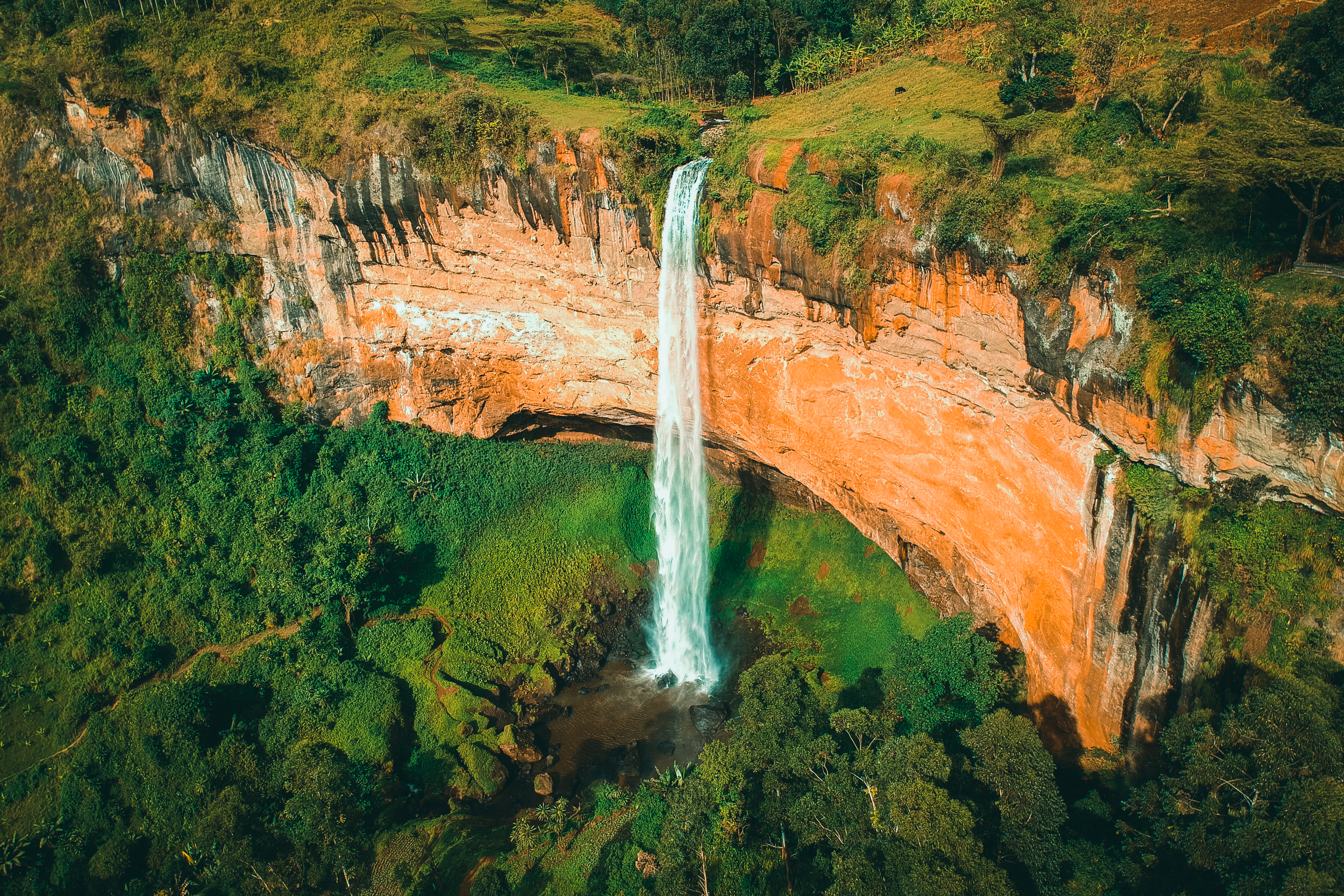
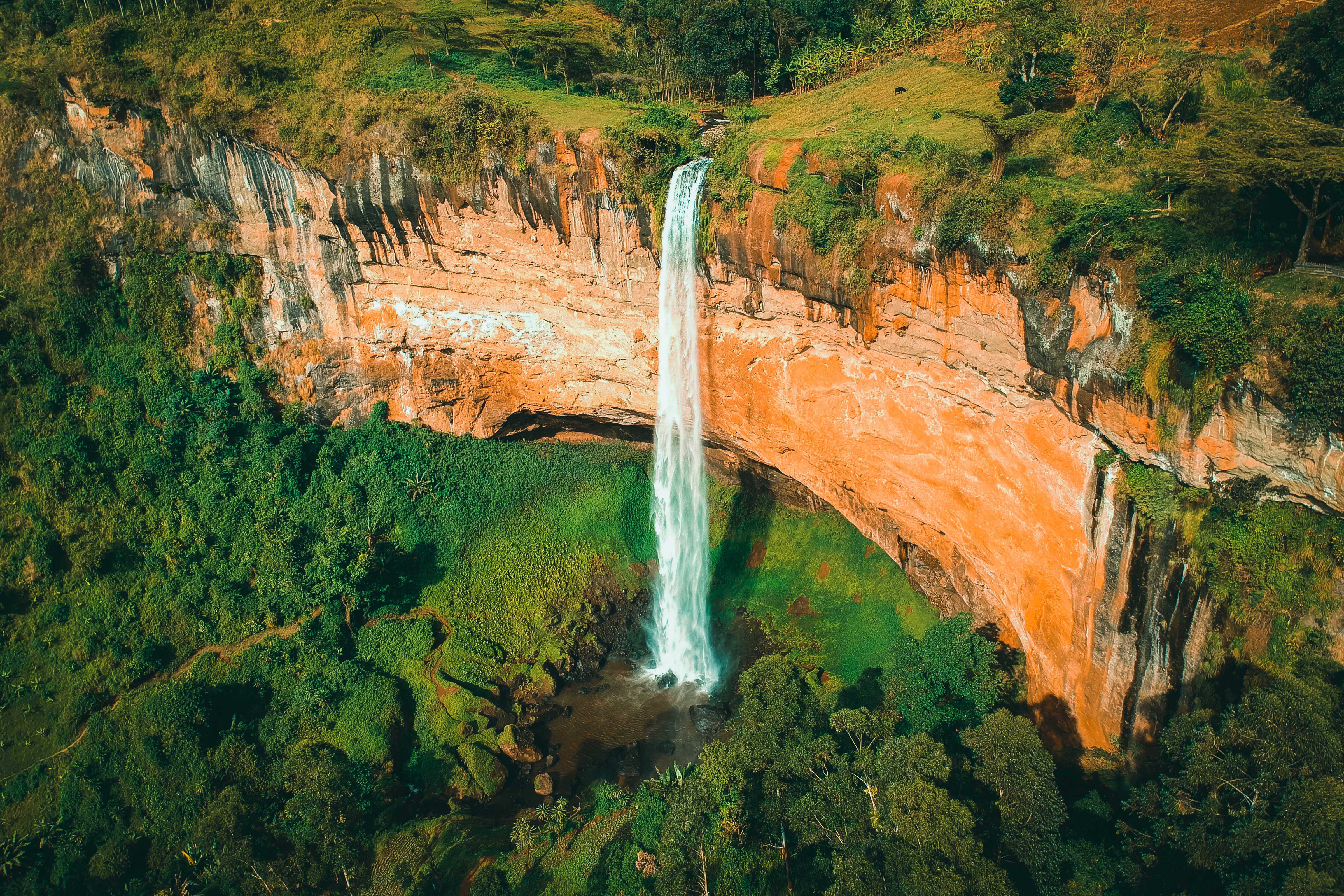
The First Fall is the highest of the three cascades that make up the Sipi Falls complex. While the other two drops—Second Fall (≈ 75 m) and Third Fall (≈ 50 m)—are equally photogenic, the First Fall’s sheer vertical plunge creates a dramatic spray that can be seen from miles away. The waterfall is fed by the Sipi River, which gathers rainwater from the slopes of Mount Elgon, Africa’s oldest volcano.
History & Cultural Significance
Long before tourists arrived, the Sipi River valley was home to the Sabiny (also known as the Sebei) people, whose livelihoods revolve around agriculture and cattle‑raising. The thunderous roar of the First Fall has been woven into local folklore, often described as the “voice of the mountain.” In recent decades, the falls have become a cornerstone of Uganda’s eco‑tourism strategy, drawing trekkers, photographers, and nature lovers from around the globe.
Because the waterfall sits within a protected forest reserve, the Ugandan government has implemented conservation measures that preserve both the water’s purity and the surrounding biodiversity. Birdwatchers, for instance, can spot species such as the African grey hornbill and the beautiful blue‑winged bee-eater while exploring the forest trails that lead to the falls.
How to Get There
From Kampala (Uganda’s Capital)
- Fly to Entebbe International Airport – Most international visitors land here.
- Domestic Flight to Mbale – Several airlines (e.g., Uganda Airlines, Eagle Air) operate daily flights; the journey is about 45 minutes.
- Road Transfer to Sipi – From Mbale Airport, hire a taxi or arrange a hotel transfer. The drive to Sipi is a scenic 10‑km ascent along the Kabale‑Mbale highway, taking roughly 30 minutes.
By Road (If You Prefer a Land Adventure)
- Kampala → Mbale: A 250 km drive (≈ 5‑6 hours) on the Kampala–Jinja–Mbale highway. Buses, minibusses, and private cars are readily available.
- Mbale → Sipi Falls: Follow signs for “Sipi Falls” heading east. The road winds through lush tea plantations and offers spectacular views of Mount Elgon’s foothills.
Getting Around Locally
Most visitors walk or use short‑distance taxis (known locally as “boda‑boda”) to reach the waterfall’s viewing platforms. The trail from the parking area to the First Fall is well‑marked and takes about 10‑15 minutes of moderate hiking.
Best Time to Visit
| Season | Weather | Why It’s Ideal |
|---|---|---|
| Dry Season (December – February, June – August) | Clear skies, lower humidity | The water flow is still impressive, and visibility for photography is excellent. |
| Short Rains (March – May) | Light showers, lush vegetation | The falls swell, creating a more powerful cascade; the surrounding forest turns vivid green. |
| Long Rains (October – November) | Heavy rain, possible road challenges | Not recommended for first‑time visitors due to slippery trails and reduced accessibility. |
Peak visitor months are January and July, when local festivals add cultural flavor to the experience. If you prefer fewer crowds, aim for early December or late August, when the weather remains pleasant but the site is quieter.
What to Expect
The Sensory Experience
- Sight – A towering 100‑meter sheet of water plunges into a turquoise pool, framed by mist‑kissed cliffs and dense forest.
- Sound – The roar can be heard from the parking lot; standing close, the sound feels like a natural symphony.
- Touch – A fine spray cools the air, perfect for a quick, refreshing mist on a warm day.
Activities
- Guided Hikes – Local guides lead short treks to the First Fall’s base, offering insight into the region’s flora, fauna, and Sabiny culture.
- Photography – Sunrise and late afternoon light create rainbows in the mist—ideal for landscape shots.
- Picnicking – Designated spots near the falls provide a tranquil setting for a packed lunch.
Facilities
- Viewing Platforms – Sturdy wooden decks give safe, unobstructed views.
- Restrooms – Basic but clean facilities are available near the main entrance.
- Refreshments – Small kiosks sell water, fruit juices, and local snacks such as roasted maize.
Nearby Attractions
While the First Fall steals the spotlight, the surrounding area offers several complementary experiences. All are within a 0.5 km radius, making it easy to explore multiple sites in a single day.
| Attraction | Distance from First Fall | What to Do |
|---|---|---|
| Lacam Lodge, Sipi Falls | 0.2 km | Luxury accommodation, farm‑to‑table dining, and guided nature walks. |
| SIPIHIKERS‑UGANDA | 0.3 km | Organized hiking tours to all three Sipi Falls and surrounding trails. |
| Sipi Falls Lodge | 0.4 km | Comfortable rooms with balcony views of the waterfall, plus a spa. |
| SIPI TRAVELOGUE TOURS UG | 0.4 km | Customizable day trips, cultural visits to Sabiny villages, and bird‑watching tours. |
| Sipi Falls Tours | 0.4 km | Professional guides for waterfall trekking, photography workshops, and sunrise tours. |
These operators not only provide lodging but also arrange guided treks, cultural experiences, and eco‑friendly activities that deepen your connection with the region.
Travel Tips
- Dress for the Trek – Wear sturdy, waterproof hiking shoes and breathable clothing. A light rain jacket is handy even during the dry season because the mist can be surprisingly chilly.
- Bring Cash – While some lodges accept cards, many local vendors and tip‑based guides operate on cash (Ugandan shillings).
- Stay Hydrated – Altitude and humidity can dehydrate you quickly. Carry a reusable water bottle.
- Respect the Environment – Stick to marked paths, avoid littering, and follow any “no‑fire” regulations in the forest reserve.
- Hire a Local Guide – Guides not only ensure safety on the rocky trail but also share fascinating stories about the Sabiny people and the ecology of Mount Elgon.
- Photography Gear – A polarizing filter helps cut glare and brings out the rainbow in the spray. A tripod is useful for low‑light sunrise shots.
- Health Precautions – If you’re traveling from outside East Africa, consult a travel clinic about malaria prophylaxis and routine vaccinations.
- Connectivity – Mobile coverage is decent in Kapchorwa, but signal may drop near the falls. Download maps offline beforehand.
Final Thought
Sipi Falls – First Fall is more than a postcard‑perfect waterfall; it’s a living, breathing showcase of Uganda’s natural splendor and cultural heritage. Whether you’re a seasoned trekker chasing the perfect waterfall shot, a family looking for a safe day‑out in nature, or a solo traveler craving a moment of awe, the First Fall delivers an unforgettable experience. Pack your bags, follow the trail, and let the mist of Sipi’s 100‑meter plunge refresh your spirit.
Happy travels, and may your journey to the Eastern Region of Uganda be as exhilarating as the roar of the First Fall itself!