Nalubaale Power Station – The Heartbeat of Jinja’s River‑Side Adventure
If you’re chasing the roar of water, the hum of turbines, and the pulse of Uganda’s most iconic river, look no further than the Nalubaale Power Station. Nestled on the banks of the Nile in Jinja, Eastern Region, this historic dam offers more than electricity—it delivers an unforgettable glimpse into the country’s engineering legacy and natural splendor.
1. Introduction
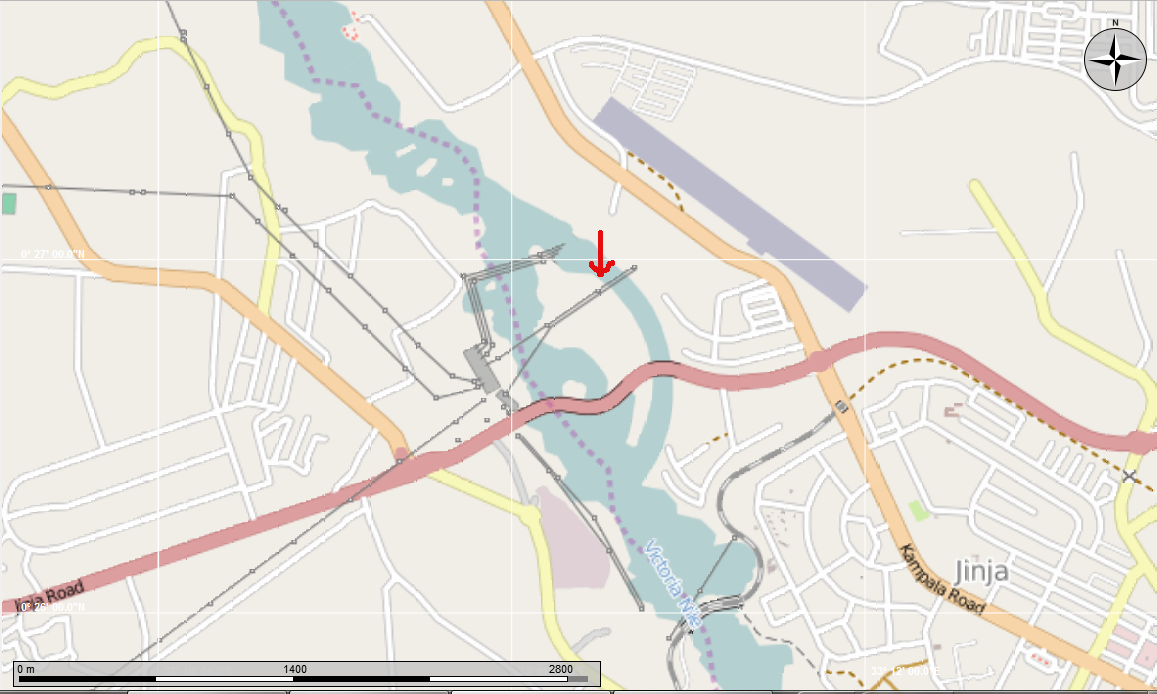
Imagine standing where the world’s longest river bursts from its source, feeling the mist on your face, and hearing the rhythmic thrum of turbines that have powered Uganda for decades. That’s the experience at Nalubaale Power Station (formerly Owen Falls Dam). Part museum, part working hydro‑electric facility, the dam sits at coordinates 0.443630, 33.184757 and serves as a magnet for travelers eager to blend history, nature, and a touch of industrial awe. Whether you’re a photography enthusiast, a history buff, or simply a curious wanderer, Nalubaale is a must‑see stop on any Jinja travel itinerary.
2. About Nalubaale Power Station
A Brief History
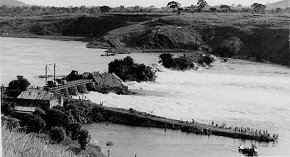
Commissioned in 1954 during the British colonial era, the dam was originally called Owen Falls Dam after the nearby Owen Falls (now known as Ripon Falls). In 1999, the Ugandan government renamed it Nalubaale, a Luganda word meaning “the lake that swallows the sun,” a nod to the powerful flow of the Nile. The station was built to harness the energy of the White Nile, turning the river’s kinetic force into electricity for the nation’s growing grid.
Technical Snapshot
- Type: Hydroelectric dam (run‑of‑the‑river)
- Location: Jinja, Eastern Region, Uganda
- Coordinates: 0.443630 N, 33.184757 E
- Capacity: 180 MW (six turbines, each 30 MW)
- Height & Altitude: Data not publicly disclosed
Despite its modest height, Nalubaale’s strategic position on the Nile makes it a linchpin of Uganda’s power supply. The station works in tandem with the newer Kiira Power Station, located just 0.8 km downstream, forming a cascade that maximizes the river’s energy potential.
Why It Matters
Nalubaale isn’t just a functional piece of infrastructure; it’s a symbol of Uganda’s post‑colonial development and a testament to the country’s commitment to renewable energy. For travelers, the dam offers a rare chance to see a working hydroelectric power station up close—something you’ll rarely find on typical sightseeing routes.
3. How to Get There
By Road
- From Kampala: The most common gateway to Jinja is a scenic 80‑kilometre drive east along the A109 highway. Buses, shared taxis (matatus), and private cars make the journey in 1.5–2 hours, depending on traffic.
- From Entebbe Airport: Take the highway north to Kampala, then follow the same route to Jinja. The total drive is roughly 2 hours.
By Air
- Jinja Airport (JIN): Small charter flights operate from Entebbe International Airport, landing at Jinja’s modest airstrip. From the terminal, a short taxi ride (≈5 minutes) brings you to the dam’s visitor area.
Local Transport
Once in Jinja town, you can hop on a boda‑boda (motorcycle taxi) or a kilometer‑meter taxi to the dam. The ride is a quick 10‑minute jaunt, and drivers are happy to point out the best photo spots along the way.
Parking & Access
Free parking is available near the visitor centre. The site is wheelchair‑accessible, and guided tours are offered on weekdays (Monday–Friday) by the Uganda Electricity Generation Company Limited (UEGCL).
4. Best Time to Visit
| Season | Weather | Visitor Experience |
|---|---|---|
| Dry Season (December – February, June – August) | Warm, low humidity, clear skies | Ideal for photography, comfortable walking tours, and river‑side picnics. |
| Rainy Season (March – May, September – November) | Showers, higher humidity, occasional thunderstorms | The river swells, making the turbines roar louder—great for dramatic shots, but bring rain gear. |
Peak travel months are January and July, when the weather is pleasant and the Nile’s flow is steady. If you prefer fewer crowds, aim for early December or late August.
5. What to Expect
Guided Tours
Arrive at the Nalubaale Visitor Centre where knowledgeable guides walk you through the control room, turbine hall, and the dam’s spillway. You’ll learn how water is funneled through the turbines, turning kinetic energy into electricity that lights up homes across Uganda.
Scenic Views
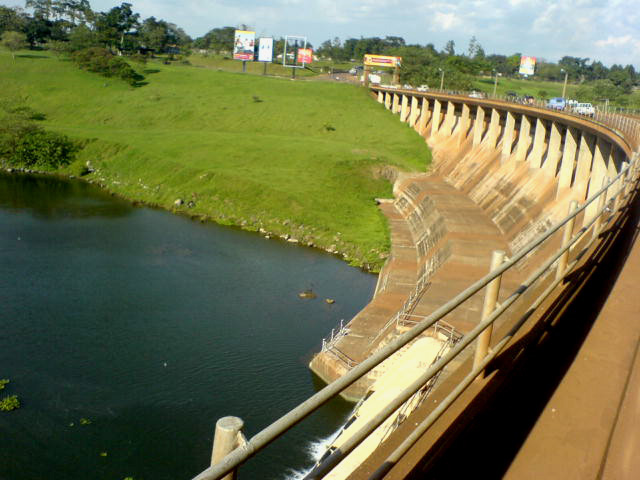
The dam’s concrete façade frames a breathtaking panorama of the White Nile. From the observation deck, you can watch the water cascade over the spillway, especially dramatic during the rainy season. The surrounding parkland is dotted with benches—perfect for a quiet moment of contemplation.
Photo Opportunities
- Close‑up of turbine blades (often illuminated by natural light).
- Panoramic shots of the Nile stretching into the horizon.
- Sunrise over the dam—the early light paints the water in gold and orange hues.
Nearby Refreshments
A small café near the entrance serves Ugandan coffee, fresh fruit juices, and light snacks. Try a cup of locally roasted coffee while you soak in the river’s ambience.
6. Nearby Attractions
Jinja’s river‑side charm doesn’t end at Nalubaale. The area is a cluster of attractions that can be explored in a single day:
| Attraction | Distance from Nalubaale | What to See | Link |
|---|---|---|---|
| Owen Falls Dam | 0.3 km | The historic predecessor of Nalubaale, offering a close view of the original spillway. | Owen Falls Dam |
| Kiira Power Station | 0.8 km | A modern hydro‑electric plant complementing Nalubaale’s output. | Kiira Power Station |
| Ripon Falls | 1.4 km | The iconic waterfall where the Nile exits Lake Victoria—great for a short hike and photo ops. | Ripon Falls |
| Jinja Fountain (unspecified) | 2.2 km | A decorative water feature in the town centre, perfect for a quick selfie stop. | (no dedicated page) |
| Source of the River Nile (Waterfall) | 2.6 km | The celebrated “source” site where the Nile emerges from Lake Victoria—an essential pilgrimage for river enthusiasts. | Source of the Nile |
All these spots are within a short taxi ride, making Jinja a compact yet diverse destination for adventure travelers and culture seekers alike.
7. Travel Tips
| Tip | Details |
|---|---|
| Bring a lightweight rain jacket | Even in the dry season, sudden showers can appear, especially near the river. |
| Carry cash (UGX) | Small vendors and entry fees often accept only cash. |
| Dress modestly | While Jinja is tourist‑friendly, respectful attire (shoulders covered, no overly short shorts) is appreciated. |
| Stay hydrated | The tropical climate can be hot; refill your water bottle at the visitor centre. |
| Check tour schedules | Guided tours operate weekdays; weekends may have limited access. Call ahead: +256 414 123 456. |
| Sun protection | The sun reflects off the water, intensifying UV exposure. Sunscreen and hats are a must. |
| Respect the environment | Keep litter in designated bins; the dam area is a protected site. |
| Capture responsibly | Some turbine rooms may restrict photography—listen to guide instructions. |
Final Word
From the hum of turbines to the gentle lull of the Nile, Nalubaale Power Station offers a rare blend of industrial heritage and natural beauty. It’s a place where you can feel the pulse of Uganda’s energy future while standing on the very river that has shaped the nation’s history. Pack your camera, hop on a boda‑boda, and let Jinja’s river‑side wonders energize your next adventure.
Ready to power up your travel itinerary? Add Nalubaale to your list and experience the heart of Uganda’s hydro‑electric legacy.