Kiira Power Station – A Hidden Gem in Jinja, Uganda’s Eastern Region
If you think Uganda’s tourism is only about gorillas and savannahs, think again. Nestled on the banks of the mighty Nile, the Kiira Power Station offers a unique blend of engineering marvel, natural beauty, and cultural intrigue. Whether you’re a history buff, a photography enthusiast, or simply a curious traveler, this hydro‑electric dam is a must‑see stop on any Eastern Region itinerary.
1. Introduction
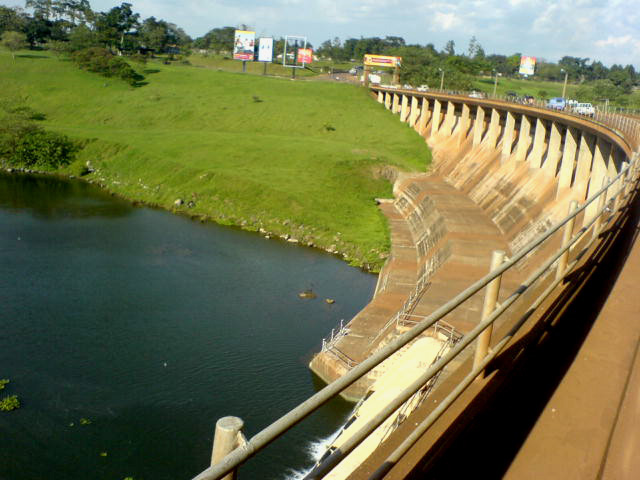
Imagine standing on a concrete promenade, feeling the cool mist of the Nile’s waters swirl around you while the hum of turbines powers a nation. That’s the experience at Kiira Power Station – a modern hydro‑electric dam that quietly fuels Uganda’s growth and provides an unforgettable backdrop for travelers. Located just a stone’s throw from the bustling town of Jinja, the “Source of the Nile” city, Kiira is more than an industrial site; it’s a living museum of Uganda’s energy story and a gateway to some of the most iconic waterfalls and dams in East Africa.
2. About Kiira Power Station
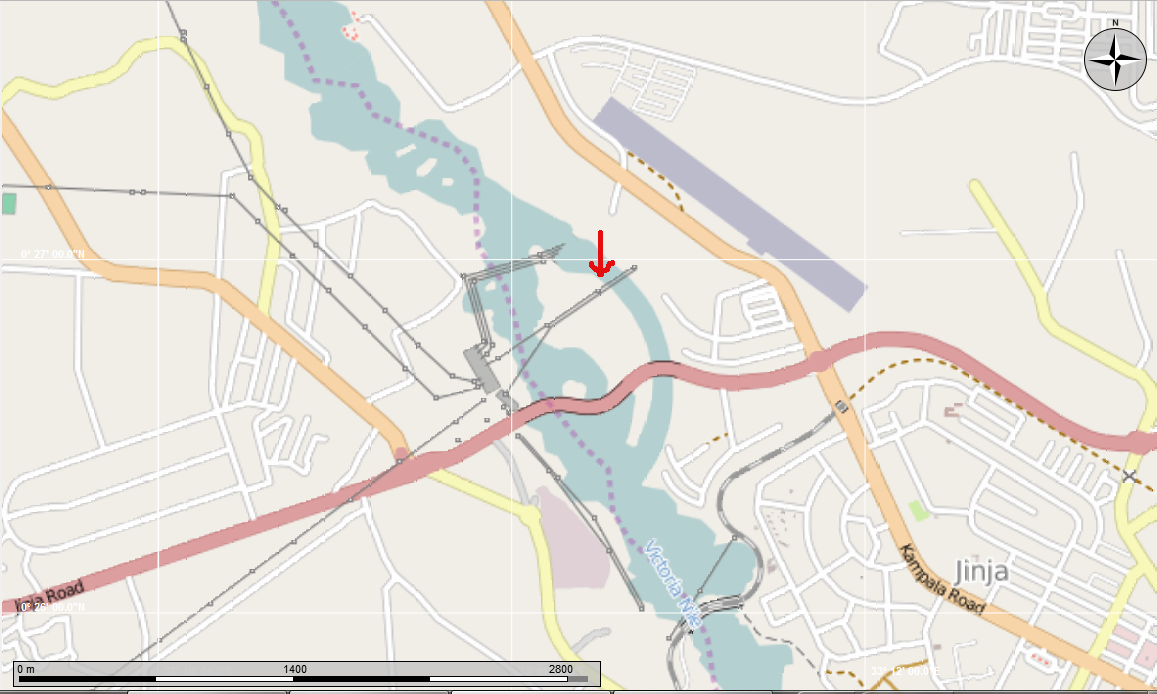
Kiira Hydroelectric Power Station (often simply called Kiira Power Station) is a run‑of‑the‑river hydro‑electric facility situated at latitude 0.450452 and longitude 33.185854. Commissioned in 2000, the plant was built to supplement the older Nalubaale Power Station (formerly Owen Falls Dam) and to meet the rising electricity demand of a fast‑growing nation.
History & Significance
- Origins: The project was part of Uganda’s broader strategy in the late 1990s to diversify its energy mix and reduce reliance on fossil fuels. Construction began in 1998, with international partners providing technical expertise and financing.
- Capacity: Kiira boasts an installed capacity of 200 MW, split across four 50‑MW turbine units. While the exact height of the dam structure isn’t publicly disclosed, its design leverages the natural drop of the Nile at this point, ensuring efficient power generation with minimal environmental impact.
- Economic Impact: Today, Kiira contributes roughly 15‑20 % of Uganda’s total electricity supply, powering homes, schools, hospitals, and burgeoning industries across the country. Its reliable output has been instrumental in attracting foreign investment to the Eastern Region.
Why It Matters to Travelers
Beyond its functional role, Kiira offers a rare glimpse into Uganda’s modern infrastructure, juxtaposed against the timeless flow of the Nile. The site’s visitor-friendly viewing platforms allow you to watch water surge through massive spillways, while interpretive panels explain the science behind hydro‑electricity in simple, engaging language.
3. How to Get There
From Entebbe International Airport
- By Car: The most convenient option is a private hire or rental car. The drive from Entebbe to Jinja takes ≈ 2 hours (≈ 80 km) via the A109 highway. Follow signs for Jinja and continue straight into the town center.
- By Bus: Several reputable coach companies (e.g., Uganda Bus Service, Cavex) run daily departures from Entebbe to Jinja. The journey lasts about 2.5 hours; ask the driver to drop you off at the Jinja Bus Park, then take a short taxi ride (≈ 5 minutes) to Kiira.
From Jinja Town Center
- Taxi / Ride‑hailing: A quick 5‑minute ride (≈ 3 km) will bring you to the dam’s main entrance.
- Walking: If you enjoy a brisk stroll, the path from the Jinja Railway Bridge to Kiira is well‑marked and takes roughly 30 minutes.
Parking & Entry
- Parking: A secure, free parking lot is available for cars and motorcycles.
- Entry Fees: There is a modest UGX 5,000 (≈ $1.35) fee for non‑residents, which includes a guided walk to the viewing decks.
4. Best Time to Visit
| Season | Weather | Visitor Experience |
|---|---|---|
| Dry Season (December – February, June – August) | Warm, low humidity, clear skies | Ideal for photography; the Nile’s water level is moderate, offering crisp views of turbines and spillways. |
| Short Rains (March – May) | Occasional showers, higher river flow | The dam’s spillways roar louder, creating dramatic mist – perfect for atmospheric shots. |
| Long Rains (September – November) | Frequent rain, higher humidity | Views may be obscured, but the surrounding vegetation is lush; great for nature lovers who enjoy the sound of rain on concrete. |
Tip: The most popular months are January and July, when local festivals add extra vibrancy to the area. Arrive early (before 9 am) to beat the crowds and capture the soft morning light.
5. What to Expect
Visual & Sensory Highlights
- Turbine Views: From the observation deck, you can see the massive turbine housings as they spin at up to 150 RPM, converting water’s kinetic energy into electricity.
- Waterfall‑Like Spillways: During high flow, water cascades over the spillway in a spectacular sheet, creating a natural curtain of mist that catches rainbows in the sunlight.
- Educational Panels: Interactive displays explain the hydro‑electric process, the history of the Nile’s harnessing, and Uganda’s energy roadmap.
Facilities
- Restrooms: Clean, gender‑separated facilities near the main entrance.
- Refreshments: A small kiosk sells cold drinks, fresh fruit, and local snacks like roasted maize and mandazi.
- Guided Tours: Trained staff conduct short (≈ 20‑minute) tours in English and Luganda, covering safety protocols and answering visitor questions.
Accessibility
The viewing platforms are wheelchair‑friendly, with gentle ramps and tactile guide paths for visually impaired visitors. However, the interior turbine hall is not open to the public for safety reasons.
6. Nearby Attractions
Kiira Power Station sits in a cluster of natural and engineered wonders, making it an excellent base for a day‑trip itinerary.
| Attraction | Distance | What to See | Link |
|---|---|---|---|
| Nalubaale Power Station (formerly Owen Falls Dam) | 0.8 km | Historic dam that created the original Lake Victoria outlet; offers panoramic views of the Nile’s source. | Nalubaale Power Station |
| Owen Falls Dam | 0.8 km | Often considered the same structure as Nalubaale; explore the heritage museum detailing early 20th‑century engineering. | Owen Falls Dam |
| Local Fountain | 1.8 km | A charming community fountain where locals gather; great spot for a quick coffee break. | (No dedicated page – enjoy the local vibe) |
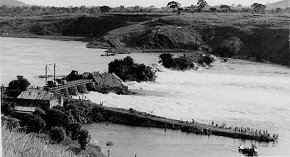
| Ripon Falls | 2.0 km | Once a spectacular waterfall before the dam’s construction; remnants can be viewed from a nearby lookout. | Ripon Falls |
| Source of the River Nile | 3.2 km | The legendary spot where the Nile begins its 6,650 km journey; a pilgrimage for adventurers and historians alike. | Source of the River Nile |
Suggested Mini‑Itinerary
1. Morning – Start at Kiira Power Station for a guided tour.
2. Mid‑day – Walk to Nalubaale/Owen Falls Dam for a historical perspective.
3. Lunch – Grab a bite at a riverside restaurant in Jinja (try the tilapia grilled on banana leaves).
4. Afternoon – Head to Ripon Falls and the Source of the Nile for iconic photos.
5. Evening – Relax at the local fountain with a cold drink, soaking up the community atmosphere.
7. Travel Tips
| Tip | Details |
|---|---|
| Bring a Rain Jacket | Even in the dry season, mist from the spillways can be sudden. A lightweight waterproof layer keeps you comfortable. |
| Pack a Binocular | Spotting the turbine blades in motion and distant wildlife along the Nile is easier with a modest zoom. |
| Stay Hydrated | Jinja’s climate can be hot; carry a reusable water bottle (fill at the kiosk). |
| Respect Safety Zones | Stay behind the railings; the water’s force near the spillways is powerful and unpredictable. |
| Currency | Most vendors accept Ugandan Shillings (UGX), but many also take US dollars or cards at larger establishments. |
| Local Etiquette | Greet locals with a friendly “Gyebale ko” (Hello) and thank them with “Webale.” A smile goes a long way. |
| Connectivity | Mobile coverage is good; major carriers (MTN, Airtel) have 4G in Jinja. Consider buying a local SIM for cheaper data. |
| Time Zone | Uganda operates on East Africa Time (EAT, UTC+3) – no daylight‑saving changes. |
| Photography | Early morning and late afternoon provide the best natural lighting. Use a polarizing filter to reduce glare off the water. |
Final Thoughts
Kiira Power Station may not appear on the typical “top 10 Ugandan attractions” list, but that’s exactly why it’s a treasure for the intrepid traveler. It offers a compelling narrative of how a nation harnesses the power of the world’s longest river, all while providing breathtaking scenery and easy access to other iconic sites.
So, next time you plot a route through the Eastern Region of Uganda, carve out a few hours for Kiira. You’ll leave with a deeper appreciation for sustainable energy, unforgettable photos of the Nile’s might, and stories that will impress every fellow explorer back home.
Ready to add Kiira Power Station to your travel bucket list? Pack your camera, bring your curiosity, and let the roar of the turbines guide you to an unforgettable Ugandan adventure.