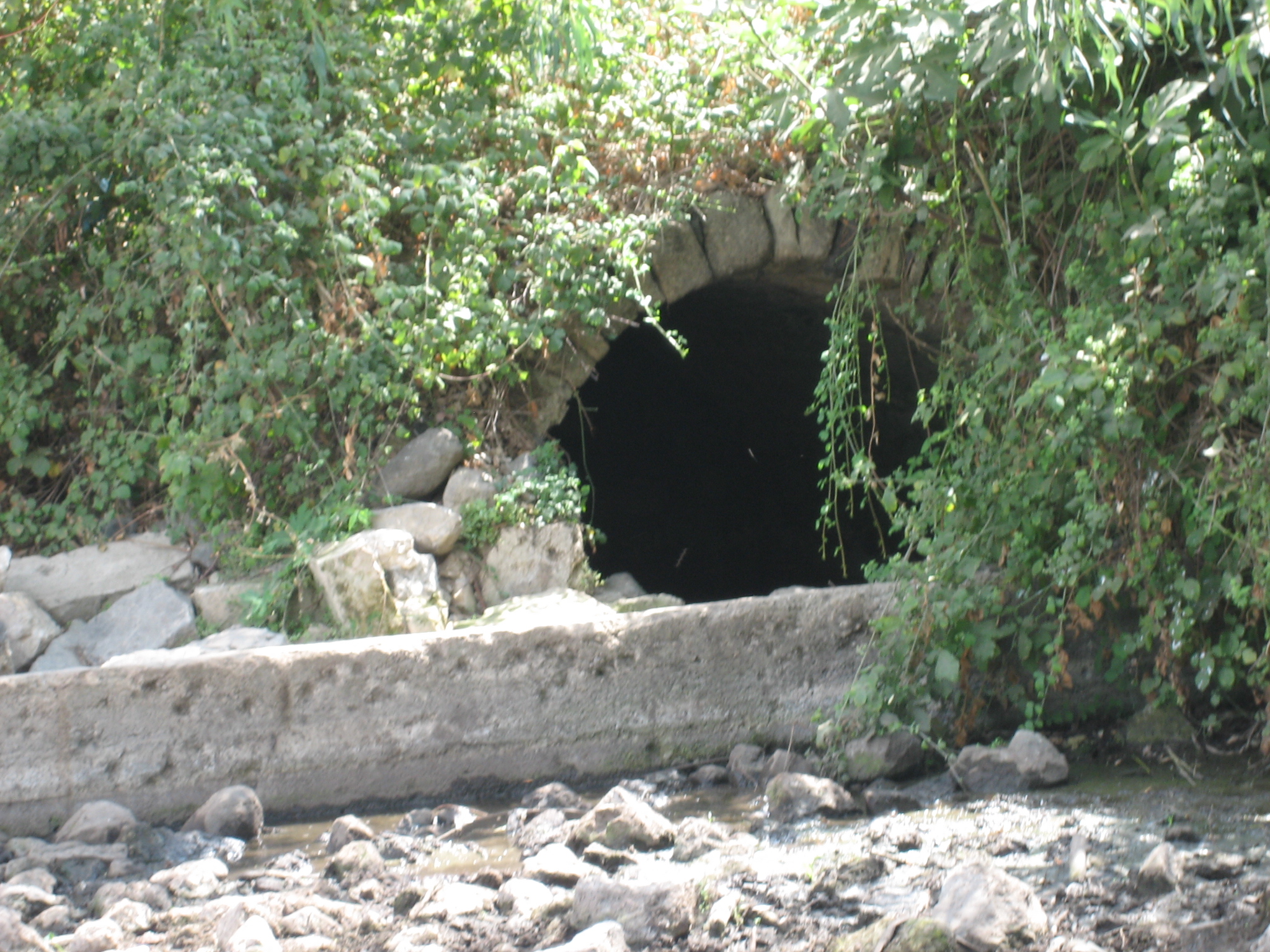
עין פית (Ein Pit) – A Hidden Spring in the Heart of the Golan
Discover the tranquil waters of עֵין פִית, the secluded spring that whispers stories of the ancient Golan Heights.
1. Introduction
If you’ve ever trekked the rolling hills of the Golan and longed for a secret oasis away from the tourist crowds, עין פית (Ein Pit) is the place to add to your itinerary. Nestled in the Mas`adah region of Quneitra, this natural spring bubbles up from the limestone bedrock, offering crystal‑clear water, cool shade, and a slice of history that stretches back to the days when the village of Ein Pit thrived. Whether you’re a seasoned backpacker, a photography enthusiast, or a cultural explorer, the spring’s serene setting and surrounding waterfalls make it a must‑see gem in the northern Golan.
2. About עין פית
A Brief Description
- Type: Natural spring (💧)
- Location: Mas`adah, Quneitra Governorate, Syria (Israeli‑administered Golan)
- Coordinates: 33.224325 N, 35.705113 E
- Altitude: Approximately 550 m above sea level (as noted on Hebrew Wikipedia)
- Drainage Basin: Part of the Nahal Par‘ (נחל פרע) watershed
The spring emerges from a small limestone fissure, feeding a modest pool that reflects the surrounding pine‑covered slopes. The water is fresh, slightly mineral‑rich, and maintains a pleasant temperature year‑round, making it an ideal spot for a quick dip after a hike.
Historical Context
The name עֵין פִית (Arabic: ʿAyn Fīt) originally referred to a small Syrian village that once stood nearby. The village was abandoned and largely destroyed during the 1967 Six‑Day War, after which the area fell under Israeli control. Today, the ruins of the old settlement whisper of a bygone era, while the spring itself remains a living reminder of the region’s natural bounty.
Cultural Significance
For locals, springs like Ein Pit have traditionally served as communal water sources, gathering points, and spiritual sites. The Golan’s springs are woven into Bedouin folklore and are often celebrated in poetry for their life‑giving properties. Though the village is no longer inhabited, the spring continues to attract hikers, nature lovers, and history buffs who appreciate its quiet resilience.
3. How to Get There
From Quneitra City
- Start in Quneitra – The city sits on the western edge of the Golan and is the main gateway for visitors heading toward Mas`adah.
- Head North on Route 224 – Follow the signs for Mas`adah (also spelled Masa‘da). The road is paved but can be narrow in places; a compact SUV or a sturdy sedan works best.
- Turn onto the Local Trail – After about 12 km, look for a small dirt road marked with a wooden sign that reads “Ein Pit”. This road leads directly to the spring’s parking area.
- Parking & Trailhead – There is a modest gravel parking lot (capacity for 8‑10 cars). From here, a short, well‑marked footpath (≈300 m) takes you to the water’s edge.
By Public Transport
Public buses to Quneitra are limited, and there is no direct service to Mas`adah. The most reliable option is to rent a car or join a guided day‑tour that includes the Golan’s natural attractions.
Travel Documents & Permissions
- Israeli Visitors: If you’re entering from Israel, you’ll need a Golan Heights permit (available at the Israeli Ministry of Interior offices or online).
- Syrian Visitors: Access to the Golan from the Syrian side is currently restricted; most travelers approach from the Israeli‑controlled side.
- Check Security Updates: The border area can experience sudden changes in security conditions. Always consult the latest travel advisories from your government before heading out.
4. Best Time to Visit
| Season | Weather | Spring Flow | Visitor Experience |
|---|---|---|---|
| Spring (Mar‑May) | Mild, occasional rain | Peak – water is abundant and the surrounding flora bursts into color | Ideal for photography, birdwatching, and cooler hikes |
| Summer (Jun‑Aug) | Hot, dry | Lower flow, but the pool remains refreshing | Good for a dip, but bring sun protection |
| Autumn (Sep‑Nov) | Pleasant, occasional rain | Moderate flow, beautiful golden foliage | Perfect for tranquil walks |
| Winter (Dec‑Feb) | Cooler, occasional snow on higher elevations | Reduced flow, possible icy patches | Not recommended for swimming; still scenic for hikers |
Top Recommendation: Visit late March to early May when the spring is at its fullest, wildflowers carpet the hills, and the nearby waterfalls are roaring with meltwater.
5. What to Expect
The Senses
- Sight: A sparkling pool framed by low‑lying pine trees, with the occasional glimpse of the ancient village ruins perched on a nearby hill.
- Sound: Gentle trickle of water, distant bird calls, and, during spring, the roar of neighboring waterfalls.
- Smell: Fresh, earthy aromas mixed with pine resin and wild herbs.
- Touch: Cool, clean water perfect for a quick splash or a leisurely soak.
Facilities
- Restrooms: None on site – plan to use facilities in Quneitra or bring a portable toilet solution.
- Picnic Area: A small shaded spot with a few benches near the spring.
- Signage: Basic informational boards in Hebrew and Arabic describing the spring’s geology and history.
Wildlife
You may spot rock hyraxes, wild goats, and a variety of songbirds. The spring’s water attracts insects, making it a small but lively ecosystem.
6. Nearby Attractions
Ein Pit is a perfect base for exploring a cluster of spectacular waterfalls that lie within a 2‑km radius. All are reachable on foot or by a short drive.
| Attraction | Distance from Ein Pit | Highlights | Link |
|---|---|---|---|
| מפל הער (Ein Ha‑Ari Waterfall) | 1.6 km | Cascading 15 m drop, lush mossy rocks | Wikipedia – Waterfalls of the Golan |
| מפל הארובה (Haruba Waterfall) | 1.7 km | Narrow, crystal‑clear stream forming a natural pool | Haruba Waterfall Info |
| מפלי סער (Saar Waterfalls) | 1.7 km | Series of three small falls, great for photo‑ops | Saar Waterfalls Details |
| מפל הער (second listing – possibly a duplicate) | 1.6 km | Same as above – double‑check local maps for exact trailheads | — |
| מפל (Unnamed Waterfall) | 1.7 km | Small seasonal cascade, perfect for a quiet pause | — |
Tip: Pack a lightweight rain jacket; the mist from the waterfalls can be surprisingly chilly even in summer.
7. Travel Tips
| Tip | Why It Matters |
|---|---|
| Carry enough water | While the spring is drinkable, you’ll need extra for the hike to the waterfalls. |
| Wear sturdy hiking shoes | The trail can be rocky and slippery near the water’s edge. |
| Bring a reusable bottle | Reduce plastic waste and stay hydrated. |
| Check the border status | The Golan’s security situation can change quickly; a local guide can provide real‑time updates. |
| Respect the ruins | The old village remains are fragile; avoid climbing on them. |
| Leave no trace | Pack out all trash and avoid disturbing the natural flora. |
| Sun protection | Even on cloudy days, UV rays reflect off the water. Use sunscreen, hat, and sunglasses. |
| Photography gear | A polarizing filter helps reduce glare on the water; a tripod is handy for waterfall long‑exposures. |
| Cash for small purchases | Nearby kiosks in Quneitra accept Israeli shekels and Syrian pounds; credit cards are rare. |
| Local language basics | Knowing a few Hebrew or Arabic phrases (e.g., “Shalom” or “Marhaba”) goes a long way with locals. |
Final Thought
Ein Pit may be a modest spring, but its blend of natural beauty, quiet history, and proximity to dramatic waterfalls makes it a standout spot for travelers seeking an authentic Golan experience. Pack your boots, respect the landscape, and let the gentle flow of עֵין פִית refresh both body and spirit.
Happy travels!