Lake Homs Dam – A Hidden Gem of Ancient Engineering in Homs, Syria
If you’re looking for a travel experience that blends breathtaking scenery, millennia‑old engineering, and authentic Syrian culture, the Lake Homs Dam should be at the top of your itinerary. Nestled on the banks of the Orontes River near the town of Khirbat Tin Nur, this Roman‑era dam creates a serene lake that offers both history buffs and nature lovers a perfect day‑out. Below you’ll find everything you need to plan an unforgettable visit to this off‑the‑beaten‑path attraction.
1. Introduction
Imagine standing on a stone‑crowned embankment that has survived nearly two thousand years, watching turquoise waters lap gently against ancient walls. That’s the feeling you get at Lake Homs Dam – a living monument to Roman engineering that still supplies water to the surrounding countryside. While Homs is often celebrated for its bustling souks and historic citadel, the dam and its sparkling lake provide a quieter, more reflective side of the city that many travelers miss.
Whether you’re a history enthusiast, a photography hobbyist, or simply a curious explorer, Lake Homs Dam offers a unique blend of cultural heritage and natural beauty that makes it a must‑see destination in central Syria.
2. About Lake Homs Dam
A Brief History
Lake Homs Dam (Arabic: سد بحيرة حمص) is an ancient Roman dam built in the 3rd century AD to harness the flow of the Orontes River. Constructed using massive stone blocks and a sophisticated gravity‑dam design, it was originally intended to irrigate the fertile plains surrounding Homs and to protect the city from seasonal flooding.
Over the centuries, the dam has been repaired and reinforced by successive rulers, including the Byzantines, the Umayyads, and the Ottoman Empire. Today, the structure remains functional, feeding the modern Lake Homs (also known as the Al‑Assad Reservoir) that supplies water for agriculture and municipal use.
Why It Matters
- Engineering Marvel – As one of the oldest surviving dams in the world, Lake Homs Dam offers a tangible glimpse into Roman hydraulic engineering.
- Cultural Landmark – The dam is woven into the daily life of local communities, symbolizing resilience and continuity.
- Scenic Oasis – The reservoir creates a peaceful lakeside environment perfect for picnics, bird‑watching, and sunset photography.
For a deeper dive into its history, check out the Lake Homs Dam Wikipedia page.
3. How to Get There
By Air
The nearest major gateway is Homs International Airport (HOE), located about 12 km north of the dam. From the airport, you can rent a car, hire a taxi, or arrange a private transfer.
By Road
- From Homs City Center: Drive southeast on the Homs‑Al‑Qusayr Highway (M5). After roughly 10 km, follow the signs for Khirbat Tin Nur. The dam sits just off the main road, marked by a small parking area and a visitor signboard.
- From Damascus: Take the M5 Highway southbound toward Homs (approximately 180 km). Once you reach the Homs outskirts, follow the same directions above.
Public Transport
Local minibusses (known as “service”) run regularly between Homs central bus station and the villages surrounding the dam. Ask the driver for “بحيرة حمص” (Lake Homs) to ensure you’re heading in the right direction.
GPS Coordinates
If you prefer navigation apps, enter the exact coordinates: 34.665616, 36.615565.
4. Best Time to Visit
| Season | Weather | Why Visit |
|---|---|---|
| Spring (Mar‑May) | Mild temperatures (15‑25 °C), occasional rain | The surrounding fields burst into wildflowers, making the lake’s reflections especially vivid. |
| Summer (Jun‑Aug) | Hot (30‑38 °C) | Early mornings are cool; perfect for sunrise photography and a refreshing dip in the water. |
| Autumn (Sep‑Nov) | Pleasant (18‑27 °C) | The foliage turns golden, and the water level remains high after summer rains. |
| Winter (Dec‑Feb) | Cool (8‑15 °C) | Fewer tourists, ideal for a tranquil walk; however, occasional fog can create an ethereal atmosphere. |
Peak visitor months are April and October, when the climate is comfortable and the landscape is at its most colorful.
5. What to Expect
The Landscape
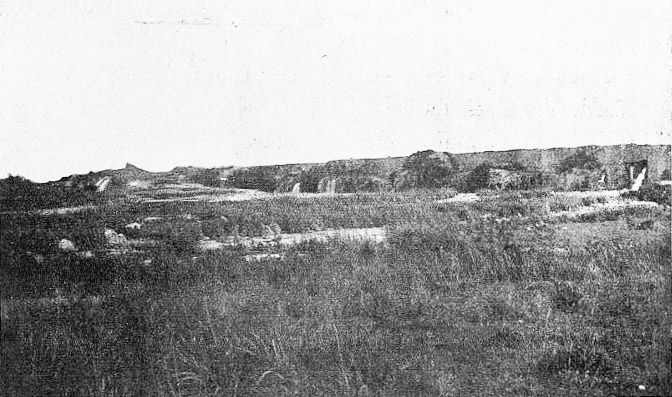
Approaching the dam, you’ll first notice the massive stone wall stretching across the river valley. The reservoir itself spreads over several hectares, its surface shimmering under the Syrian sun. Small fishing boats dot the water, and you’ll often hear the gentle hum of water turbines that still generate electricity for nearby villages.
Activities
- Walking & Photography – A well‑maintained footpath runs parallel to the dam, offering multiple viewpoints for sunrise, sunset, and panoramic shots of the lake.
- Picnicking – There are shaded benches and grassy spots ideal for a family picnic. Bring local snacks like sambousek and fresh figs for an authentic taste.
- Bird‑watching – The lake attracts migratory birds such as herons, kingfishers, and occasionally storks. Bring binoculars for a rewarding experience.
- Cultural Interaction – Local farmers often gather near the dam to discuss irrigation schedules. A friendly chat can provide insight into how the dam continues to shape everyday life.
Facilities
- Parking – A modest lot near the entrance can accommodate cars and small buses.
- Restrooms – Basic facilities are available; bring hand sanitizer as a precaution.
- Information Board – A bilingual (Arabic/English) sign explains the dam’s history and engineering basics.
6. Nearby Attractions
While Lake Homs Dam is the star of the day, several charming spots lie within a short drive, perfect for extending your itinerary:
| Attraction | Distance from Dam | Type | Quick Link |
|---|---|---|---|
| Homs Fountain | 10.3 km | Fountain | View on Map |
| Another Local Dam | 10.8 km | Dam | View on Map |
| Historic Fountain | 10.9 km | Fountain | View on Map |
| دوار النزهة (Al‑Nuzha Fountain) | 11.0 km | Fountain | View on Map |
| Additional Fountain | 11.0 km | Fountain | View on Map |
These sites are ideal for a quick stop to stretch your legs, snap a few more photos, or enjoy a local tea at a nearby café.
7. Travel Tips
| Tip | Details |
|---|---|
| Dress Modestly | Syria is a conservative country; wear lightweight, modest clothing (long sleeves, long pants) especially when visiting rural areas. |
| Stay Hydrated | Carry a reusable water bottle; the climate can become hot quickly, even in spring. |
| Cash is King | ATMs are scarce outside Homs city. Bring enough Syrian pounds (SYP) for small purchases and entrance fees (if any). |
| Respect the Site | The dam is still an operational water infrastructure. Do not climb on the concrete wall or disturb any equipment. |
| Local Cuisine | Try the nearby village’s kibbeh and freshly baked flatbread. Many families welcome visitors for a quick tea. |
| Safety | Check current travel advisories for Syria before you go. Stick to well‑traveled roads and inform your accommodation of your day‑trip plans. |
| Photography Etiquette | Ask permission before photographing locals, especially farmers working near the dam. |
| Language | Arabic is the primary language; a few basic phrases (“Marhaba”, “Shukran”) go a long way. English signage is limited. |
| Timing | Arrive early (around sunrise) to avoid the midday heat and to capture the lake’s golden glow. |
Final Thoughts
Lake Homs Dam may not appear on the typical “top 10” list of Syrian attractions, but that’s precisely why it feels like a secret treasure. Its blend of ancient Roman engineering, tranquil waters, and vibrant local life creates a travel experience that is both educational and soul‑soothing.
Pack your camera, bring a sense of adventure, and set your compass for Khirbat Tin Nur—Lake Homs Dam awaits.
Happy travels, and may your journey through Homs be as timeless as the dam itself!