Rantembe Dam – A Hidden Gem in Uva, Sri Lanka
Explore the serene beauty, engineering marvel, and tranquil surroundings of Rantembe Dam, nestled in the heart of Badulla, Uva Province.
Introduction
If you’re wandering off the beaten path in Sri Lanka’s lush central highlands, you’ll eventually stumble upon a striking blue ribbon cutting through emerald hills: Rantembe Dam. While the island is famous for its tea plantations, ancient temples, and pristine beaches, this modest yet impressive dam offers a peaceful retreat for nature lovers, photographers, and curious travelers alike. Perched at 7.200603° N, 80.949455° E, the 42‑metre‑tall structure is a perfect illustration of Sri Lanka’s commitment to sustainable water management and rural development—plus it makes for a stunning backdrop for your next travel blog post.
About Rantembe Dam
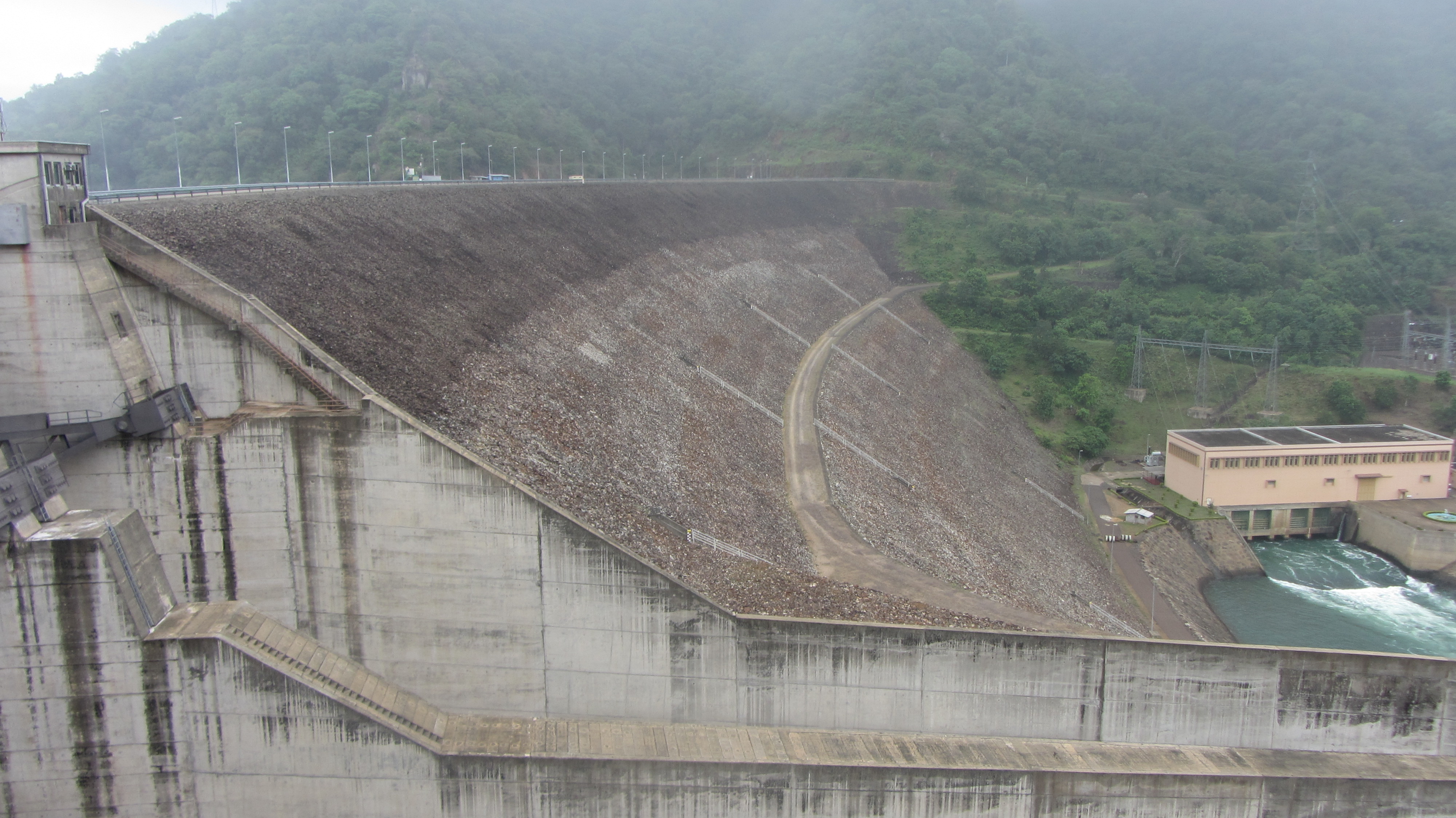
Rantembe Dam is a gravity dam built across the Mahaweli River, the longest river in Sri Lanka. Constructed as part of the Mahaweli Development Programme, the dam’s primary purpose is irrigation and hydroelectric power generation for the surrounding agricultural valleys of Uva Province.
- Height: 42 m
- Location: Badulla District, Uva Province, Sri Lanka
- Coordinates: 7.200603, 80.949455
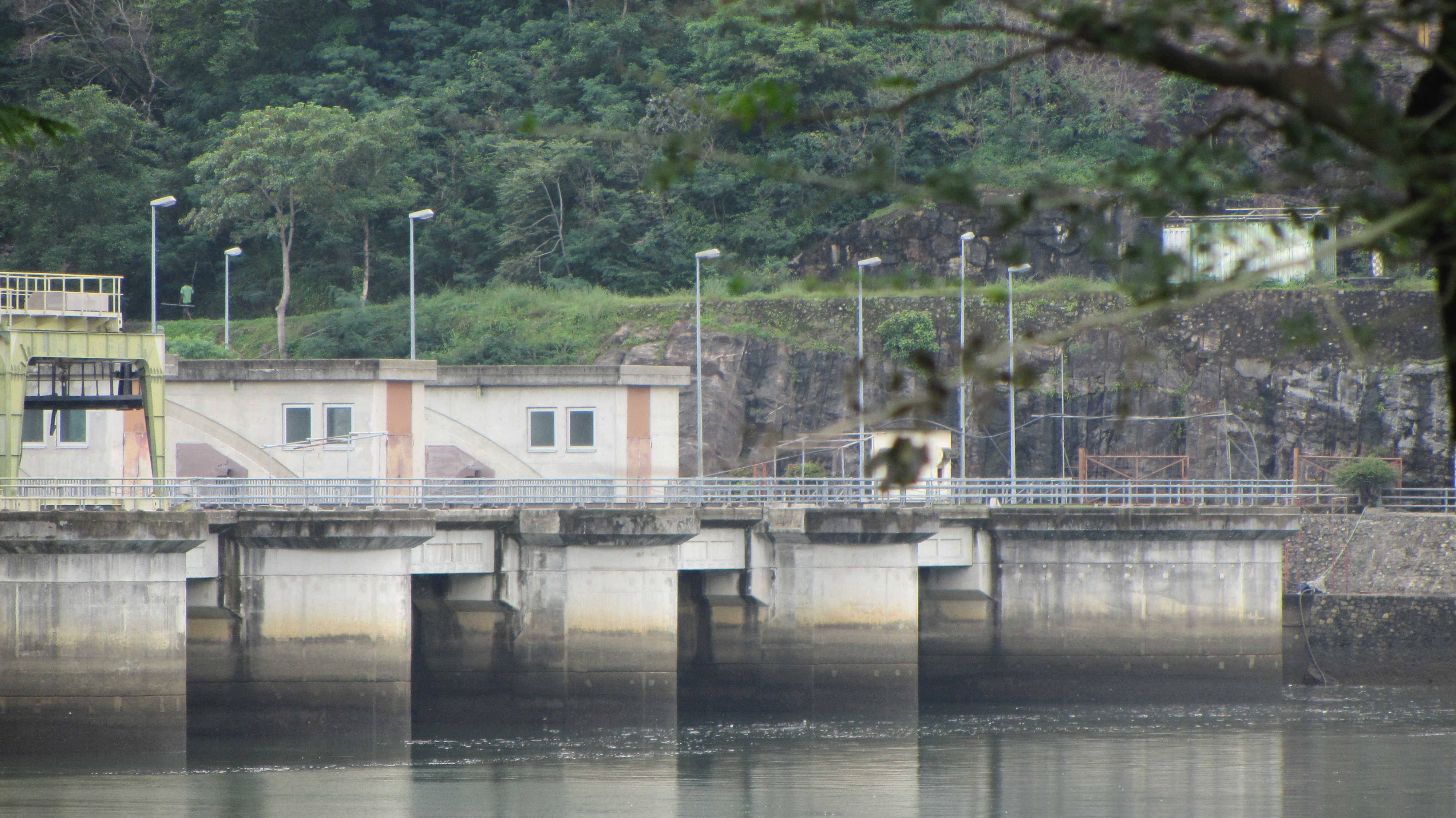
The dam was commissioned in the late 20th century (exact year not disclosed in public sources) and has since become an essential water‑resource hub for the region’s tea estates and paddy fields. Its concrete spillway and modest reservoir create a mirror‑like surface that reflects the rolling hills, mist‑clad tea bushes, and occasional cloud formations—making it a favorite spot for sunrise and sunset photography.
Beyond its functional role, Rantembe Dam holds cultural significance for local communities. It symbolizes the synergy between modern engineering and traditional agrarian life, showcasing how Sri Lanka balances progress with the preservation of its verdant landscape.
How to Get There
From Colombo (the capital)
-
Fly or Train to Badulla – The quickest way is a short domestic flight from Colombo’s Bandaranaike International Airport to Badulla Airport (approx. 45 minutes). Alternatively, the scenic Kandy‑Badulla railway offers a picturesque journey through valleys and tunnels, taking about 6–7 hours.
-
From Badulla Town – Once in Badulla, you have two convenient options:
- Hire a Tuk‑Tuk or Private Car – A 30‑minute drive (≈ 15 km) along the A16 highway will bring you directly to the dam’s entrance.
- Local Bus – Public buses heading toward Uva or Mahiyangana stop near the dam’s access road; ask the driver for “Rantembe Dam” as your drop‑off point.
From Kandy or Nuwara Eliya
Both cities are well‑connected by road to Badulla. A private car or a hired driver can cover the 120‑km stretch in roughly 3 hours, passing through lush tea estates and mist‑shrouded mountains—perfect for a leisurely road‑trip playlist.
Parking & Accessibility
A modest parking lot sits beside the visitor area, accommodating cars, motorbikes, and tuk‑tuks. The dam’s viewpoint is wheelchair‑friendly, though the surrounding trails are uneven, so sturdy walking shoes are advisable.
Best Time to Visit
Sri Lanka’s climate is tropical, but the central highlands enjoy a milder temperature range (15‑25 °C).
| Season | Weather | Why Visit |
|---|---|---|
| December – March (dry season) | Clear skies, low humidity | Ideal for photography, sunrise/sunset shots, and picnics without rain interruptions. |
| April – May (inter-monsoon) | Warm, occasional showers | Lush greenery peaks; waterfalls nearby swell, creating dramatic scenery. |
| June – September (southwest monsoon) | Frequent rain, misty mornings | Perfect for mist‑filled landscapes; fewer tourists, giving you a tranquil experience. |
| October – November (transition) | Variable weather | Good balance of sunshine and cloud cover for atmospheric photos. |
Overall, December through March is the most popular window for visitors, but the dam’s serene vibe shines year‑round.
What to Expect
Arriving at Rantembe Dam, you’re greeted by a calm reservoir that stretches like a glassy ribbon across the valley floor. The concrete crest of the dam rises 42 metres above the water, creating a gentle, rhythmic hum as water flows through the spillway.
- Scenic Walks: A short, well‑marked trail loops around the reservoir, offering multiple viewpoints. Stop at the wooden railing for a panoramic vista of the Mahaweli River winding downstream.
- Birdwatching: The surrounding wetlands attract a variety of native birds—kingfishers, white‑eyed babblers, and occasional raptors. Bring binoculars for a rewarding spotting session.
- Picnic Spots: Designated grassy areas near the dam’s footbridge are perfect for a relaxed lunch. Pack a traditional Sri Lankan “kiribath” or a simple sandwich and enjoy the gentle breeze.
- Photography: The dam’s reflective surface mirrors the surrounding hills, especially during sunrise and sunset. Capture the golden hour when the water glows amber, or experiment with long‑exposure shots of the flowing spillway.
While the dam itself does not host a visitor centre or guided tours, the tranquil ambience invites you to simply pause, breathe, and soak in the natural beauty—a rare luxury in today’s fast‑paced travel itineraries.
Nearby Attractions
Rantembe Dam sits in a cluster of water‑related sites that make for an easy day‑trip itinerary. Below are the closest points of interest (distances measured from the dam):
| Attraction | Distance | Type | Quick Note |
|---|---|---|---|
| Unnamed Dam #1 | 2.5 km | Dam | Small reservoir; great for a quick photo stop. |
| Unnamed Dam #2 | 2.6 km | Dam | Similar size; offers a quiet spot for meditation. |
| Randenigala Dam | 2.7 km | Dam | Larger hydro‑electric dam; viewable from a nearby hilltop. |
| Unnamed Dam #3 | 2.8 km | Dam | Scenic water body surrounded by tea plantations. |
| Unnamed Weir | 8.0 km | Weir | Minor water diversion structure; ideal for a short hike. |
Randenigala Dam is the most prominent of the nearby sites and has its own Wikipedia entry: Randenigala Dam. You can combine a visit to Rantembe with a short drive to this larger dam, creating a “Dam Trail” that showcases the engineering feats of Sri Lanka’s Mahaweli River basin.
Travel Tips
- Dress Comfortably: Light layers work best—morning can be cool in the highlands, while afternoons warm up.
- Carry Cash: Small vendors near the dam may only accept cash (Sri Lankan rupees).
- Stay Hydrated: Even in cooler weather, the sun can be strong; bring a reusable water bottle.
- Respect the Environment: The area is a working water‑resource site. Avoid littering and stay on marked paths.
- Timing for Photos: Arrive 30 minutes before sunrise or stay until sunset for the best lighting.
- Safety First: While the water is generally calm, avoid swimming near the spillway and heed any posted warning signs.
- Local Cuisine: After exploring, stop at a nearby village eatery for a bowl of “kottu roti” or “hoppers”—a tasty way to refuel.
- Connectivity: Mobile coverage is decent in Badulla, but expect spotty signal near the dam; download offline maps beforehand.
Wrap‑Up
Rantembe Dam may not be the most famous tourist landmark in Sri Lanka, but its peaceful ambience, striking scenery, and authentic local vibe make it a rewarding addition to any central‑highlands itinerary. Whether you’re a photographer hunting that perfect reflection, a nature enthusiast eager to hear the gentle rush of water, or a traveler simply craving a quiet escape from bustling cities, Rantembe invites you to slow down and savor the harmonious blend of engineering and environment.
Pack your camera, hop in a tuk‑tuk, and let the serene waters of Rantembe Dam refresh your wanderlust. Happy travels!