Randenigala Dam – A Hidden Gem in Uva, Sri Lanka
Explore the towering 94‑metre marvel, soak in breathtaking views, and discover the surrounding natural wonders of Badulla’s highlands.
Introduction
If you think Sri Lanka’s attractions are limited to pristine beaches and ancient temples, think again. Tucked away in the mist‑kissed hills of Uva lies Randenigala Dam, a colossal concrete‑gravity structure that not only powers the island but also offers a spectacular backdrop for travelers seeking off‑the‑beaten‑path experiences. With its dramatic 94 m height, shimmering reservoir, and panoramic vistas of rolling tea estates, the dam is quickly becoming a favorite stop for adventure‑seeking photographers, eco‑tourists, and anyone who loves engineering set against nature’s canvas.
In this guide, we’ll dive into the dam’s story, share practical tips on how to get there, reveal the best seasons to visit, and highlight nearby attractions that can turn a single‑day trip into a memorable mini‑itinerary. Ready to add a unique “dam‑venture” to your Sri Lankan travel bucket list? Let’s go!
About Randenigala Dam
A Brief History
Constructed as part of Sri Lanka’s Mahaweli Development Programme, Randenigala Dam was completed in the early 1990s to harness the Mahaweli River’s hydro‑electric potential. The dam sits at coordinates 7.202009 N, 80.924629 E, in the Badulla District of the Uva Province. Its primary purpose is power generation, feeding the national grid with clean electricity while also supporting irrigation downstream.
Engineering Highlights
- Type: Concrete‑gravity dam
- Height: 94 m (approximately the height of a 30‑story building)
- Reservoir Capacity: The dam creates a sizeable lake that reflects the surrounding hills, offering a tranquil spot for birdwatching and sunrise photography.
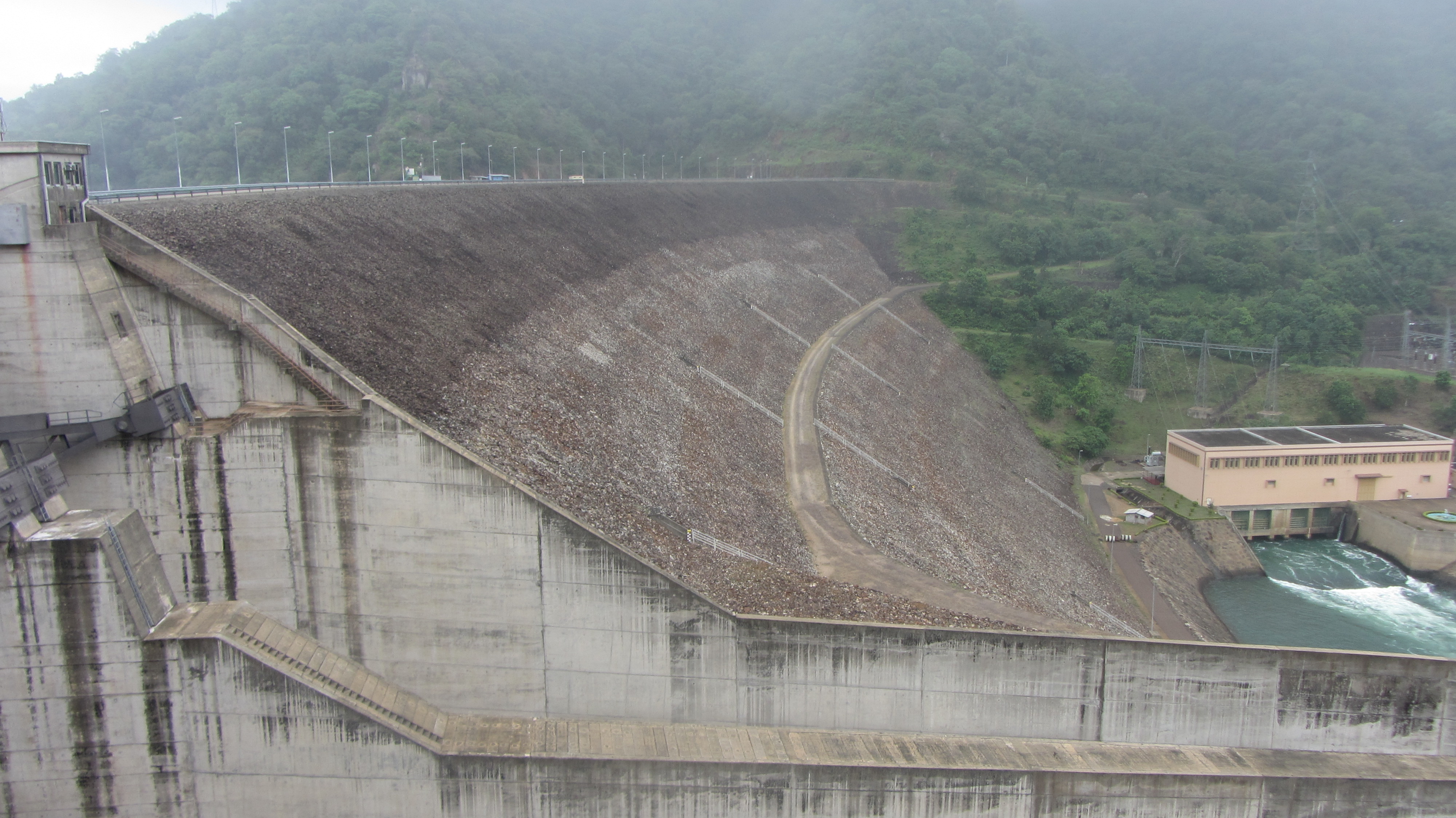
The structure’s massive spillway and robust design enable it to handle the monsoon’s heavy rains, making it a vital piece of Sri Lanka’s water‑resource management.
Why It Matters
Beyond its functional role, Randenigala Dam symbolizes Sri Lanka’s commitment to sustainable energy. Its presence has spurred local development, improved road access, and opened up new opportunities for eco‑tourism in the Uva highlands. For travelers, the dam provides a rare glimpse into the country’s modern infrastructure set against a backdrop of untouched nature.
How to Get There
From Colombo (Bandaranaike International Airport)
- Fly to Badulla – Domestic flights operate from Colombo to Badulla Airport (though schedules may be limited).
- Train Adventure – The iconic Kandy‑Badulla railway offers a scenic ride through tea plantations, waterfalls, and tunnels. Disembark at Badulla Railway Station.
- Road Transfer – From Badulla town (approximately 15 km from the dam), hire a taxi, rent a car, or join a local guided tour. The drive follows the A16 highway, winding through verdant valleys before turning onto a well‑maintained rural road that leads directly to the dam’s visitor area.
From Other Major Cities
- Kandy: Take the A26 to Mahiyangana, then follow signs for Randenigala. The journey takes roughly 3‑4 hours by car.
- Ella: A shorter 2‑hour drive eastward via the B38 road brings you to the dam’s entrance.
Public Transport Tips
- Buses: Local SLTB buses run between Badulla and the Randenigala area. Look for routes heading toward “Mahaweli” or “Randenigala.”
- Motorbike Rentals: For the adventurous, renting a motorbike in Badulla gives you flexibility to explore nearby attractions at your own pace.
Pro tip: Arrive early in the morning to beat the midday heat and capture the reservoir’s glass‑like surface illuminated by sunrise light.
Best Time to Visit
Sri Lanka’s climate varies by region, but the Uva highlands enjoy relatively mild weather year‑round.
| Season | Weather | Why Visit? |
|---|---|---|
| December – February | Cool, dry, clear skies | Ideal for photography, comfortable hikes, and crisp mornings over the dam. |
| March – May | Warm, occasional showers | Good for seeing the reservoir at full level after the first monsoon. |
| June – September | Light rain, lush greenery | The landscape turns emerald; waterfalls in the area are at their most spectacular. |
| October – November | Inter‑monsoon, moderate rain | Fewer tourists, but be prepared for occasional downpours. |
Overall recommendation: The dry season (December‑February) offers the best visibility of the dam’s structure and surrounding vistas, while late monsoon (July‑August) provides a vibrant, verdant backdrop for nature lovers.
What to Expect
Scenic Views
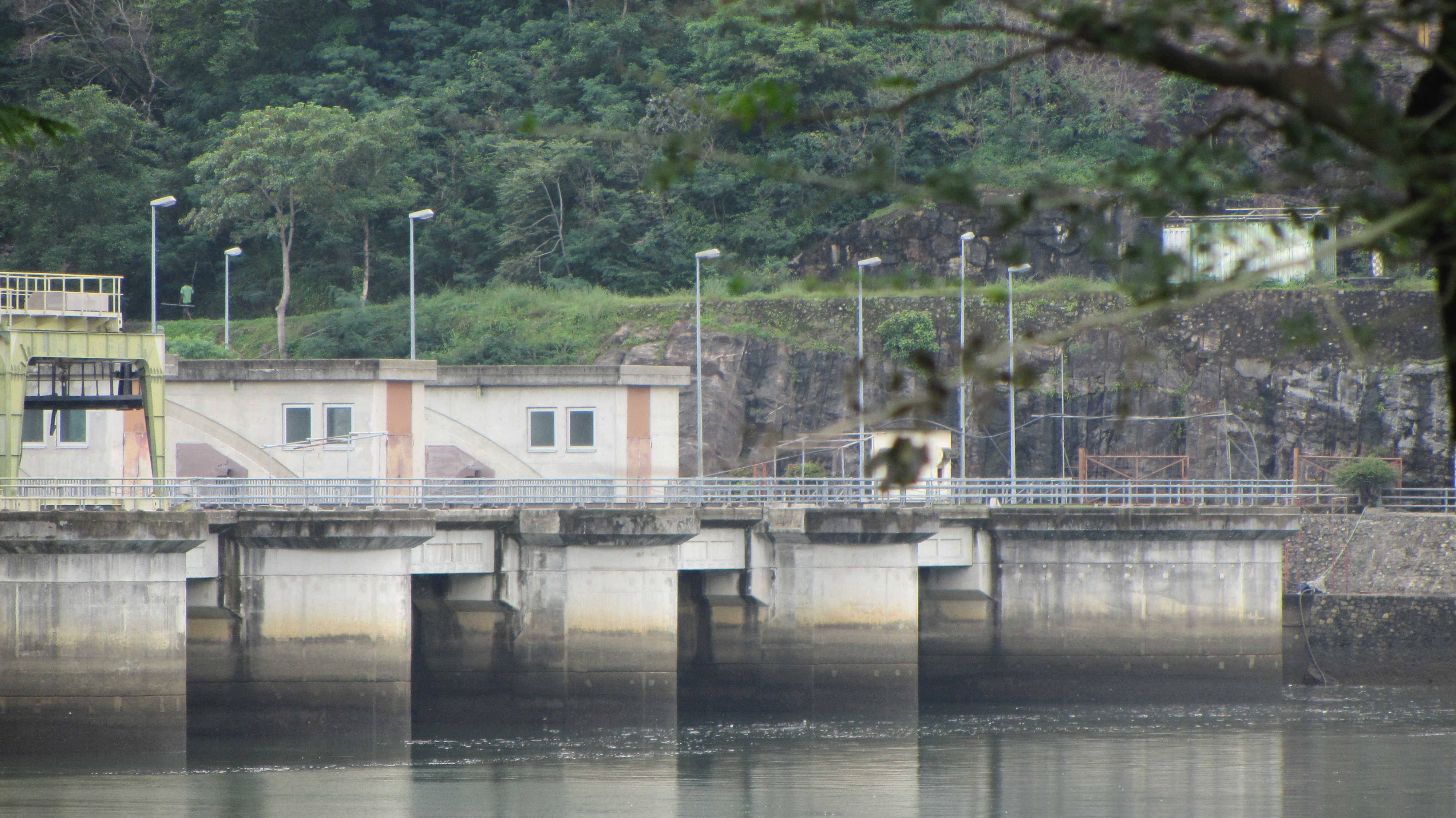
Approaching the dam, you’ll first notice the sheer concrete wall rising against a backdrop of rolling hills. The reservoir stretches out like a silver mirror, reflecting clouds and distant tea estates. From the designated viewing platform, you can walk along the spillway’s edge for panoramic shots of the Mahaweli River’s flow.
Wildlife & Birdwatching
The dam’s reservoir and surrounding wetlands attract a variety of bird species, including kingfishers, herons, and seasonal migratory birds. Early morning or late afternoon are prime times for spotting feathered visitors.
Photography Opportunities
- Golden hour: The dam’s façade glows warm during sunrise and sunset, perfect for silhouette shots.
- Long exposure: Capture silky water motion over the spillway by using a tripod and slow shutter speeds.
- Aerial perspective: If you’re a drone enthusiast (check local regulations), a low‑altitude flight can showcase the dam’s relationship with the surrounding topography.
Visitor Amenities
- Parking: A modest lot near the main gate accommodates cars and motorbikes.
- Restrooms: Clean facilities are available near the visitor centre.
- Refreshments: Small kiosks sell tea, fresh fruit juices, and local snacks like “kottu roti.”
Nearby Attractions
While Randenigala Dam is the star attraction, the Uva region offers several complementary sites that can round out your itinerary:
| Attraction | Distance from Randenigala | Highlights |
|---|---|---|
| Rantembe Dam | 2.7 km | Another impressive hydro‑electric dam; great for comparative engineering tours. |
| [Unnamed Dam #1] | 5.2 km | Offers a quiet spot for picnics and lake‑side walks. |
| [Unnamed Dam #2] | 5.4 km | Ideal for birdwatching; early mornings bring flocks of waterfowl. |
| [Unnamed Dam #3] | 5.5 km | Small reservoir surrounded by tea plantations—perfect for a short hike. |
| [Unnamed Weir] | 10.7 km | A historic weir that showcases early water‑management techniques in Sri Lanka. |
Note: While the unnamed dams and weir lack dedicated web pages, they are easily reachable via the local road network. Ask your driver or guide for directions—locals are happy to point you toward these hidden spots.
Suggested Day‑Trip Loop
- Start at Randenigala Dam – morning exploration and photography.
- Head to Rantembe Dam – short walk across the bridge for contrasting views.
- Visit the nearby unnamed dam – enjoy a lakeside lunch of Sri Lankan rice and curry.
- Finish at the weir – learn about traditional irrigation methods and watch local farmers at work.
Travel Tips
| Tip | Details |
|---|---|
| Dress Comfortably | Light layers work best; mornings can be cool, afternoons warm. |
| Footwear | Sturdy walking shoes or sandals with good grip for the spillway walkway. |
| Sun Protection | Bring a hat, sunglasses, and sunscreen—Uva’s altitude increases UV exposure. |
| Hydration | Carry a reusable water bottle; refill stations are available at the visitor centre. |
| Respect the Site | The dam is an operational facility. Follow all posted signage, stay within designated areas, and avoid littering. |
| Photography Gear | A wide‑angle lens captures the dam’s scale; a telephoto lens helps isolate wildlife. |
| Local Currency | Small vendors may only accept cash (Sri Lankan Rupees). ATMs are available in Badulla. |
| Connectivity | Mobile coverage is generally good, but expect occasional gaps near the reservoir. |
| Guided Tours | Consider hiring a local guide for deeper insights into the dam’s engineering and the region’s ecology. |
Final Thoughts
Randenigala Dam may not yet appear on every mainstream travel itinerary, but that’s precisely why it feels like a discovery. Its towering concrete façade, tranquil reservoir, and surrounding highland scenery provide a perfect blend of engineering marvel and natural beauty. Whether you’re a photography enthusiast chasing that perfect sunrise, a traveler eager to learn about Sri Lanka’s renewable energy journey, or simply someone looking for a peaceful spot away from the crowds, Randenigala Dam delivers an unforgettable experience.
Pack your camera, hop on a scenic drive from Badulla, and let the misty hills of Uva reveal one of Sri Lanka’s best‑kept secrets. Safe travels!
Keywords: Randenigala Dam, Uva Sri Lanka, Badulla travel, Sri Lanka dams, Mahaweli River, hydro‑electric dam, things to do in Uva, best time to visit Randenigala, how to get to Randenigala Dam, nearby attractions Uva.