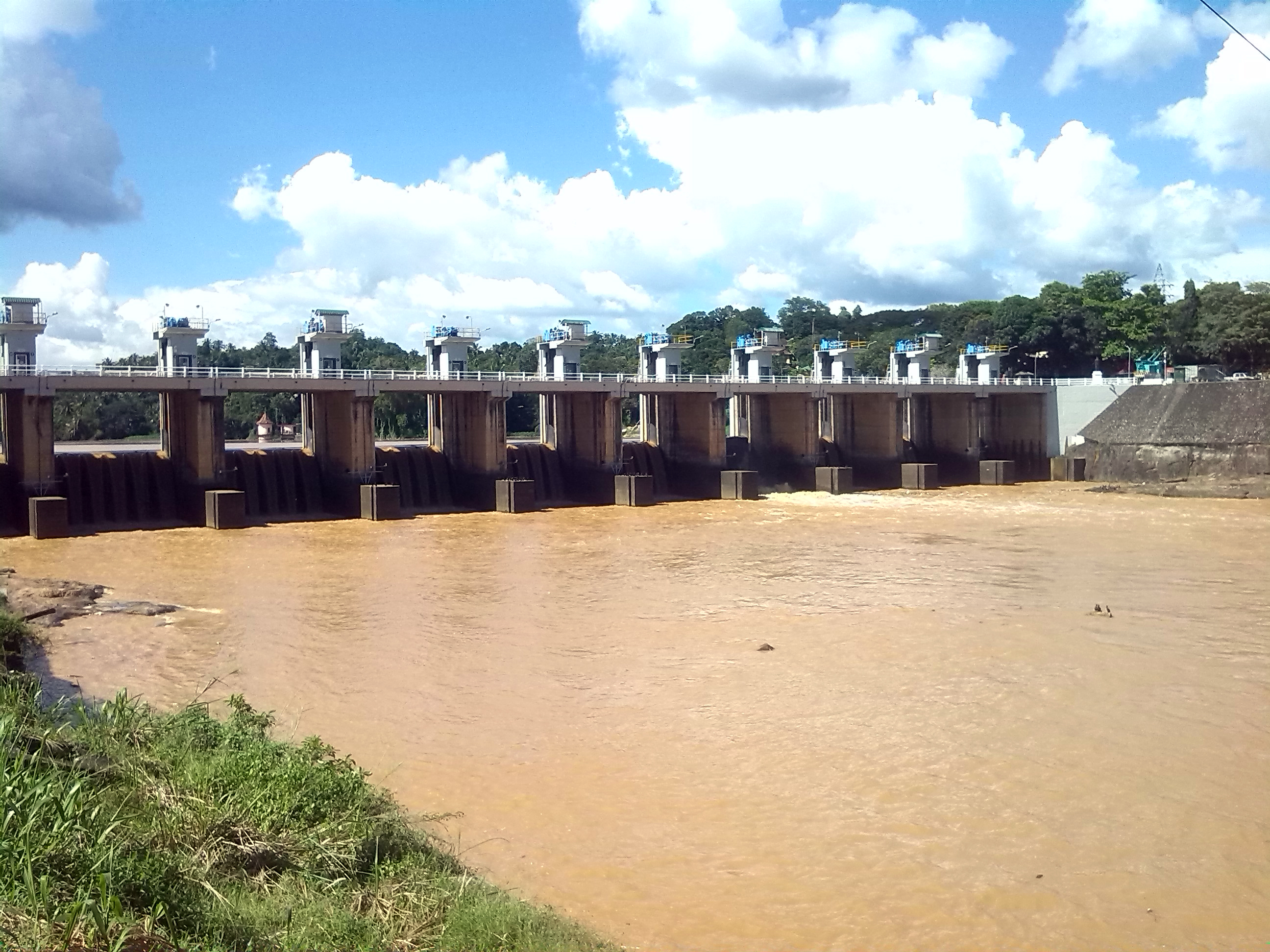
Polgolla Barrage – A Hidden Gem in the Heart of Sri Lanka’s Central Province
If you think Sri Lanka’s allure is limited to ancient temples, tea‑covered hills, and golden beaches, think again. Nestled just a short drive from Kandy, the Polgolla Barrage offers a tranquil escape where engineering meets nature, and where you can soak in spectacular views of shimmering water, verdant hills, and a string of enchanting waterfalls just a few kilometres away.
1. Introduction
Imagine standing on the edge of a crystal‑clear reservoir, the mist from a distant waterfall kissing your face, and the distant hum of the central highlands as a backdrop. That’s the experience awaiting you at Polgolla Barrage, a modest yet striking dam located at 7.321856° N, 80.645255° E in the Kandy District of Central Sri Lanka. While the barrage itself may not boast towering heights, its serene setting, panoramic vistas, and proximity to a cluster of hidden waterfalls make it an underrated stop on any Sri Lankan itinerary. Whether you’re a road‑trip enthusiast, a photography buff, or simply a traveler looking for a peaceful spot off the beaten path, Polgolla Barrage deserves a place on your travel bucket list.
2. About Polgolla Barrage
A Brief History
Polgolla Barrage was constructed as part of Sri Lanka’s mid‑20th‑century push to harness the island’s abundant water resources for irrigation and hydro‑electric power. Though the exact year of completion is not widely documented, the barrage has long served the surrounding agricultural valleys, helping to regulate water flow from the Mahaweli River system. Its modest design—essentially a low‑head dam with a concrete spillway—allows the Mahaweli’s waters to be stored and released in a controlled manner, supporting rice paddies, vegetable farms, and tea estates downstream.
Why It Matters
- Irrigation Hub: The barrage supplies vital water to the fertile plains of the Kandy District, sustaining both small‑holder farms and larger commercial plantations.
- Eco‑Tourism Spot: Because the water level remains relatively stable year‑round, the reservoir creates an ideal habitat for a variety of bird species, making it a quiet bird‑watching haven.
- Scenic Landmark: The gentle curve of the dam against the backdrop of mist‑cloaked hills creates a postcard‑perfect scene that photographers love.
While Polgolla Barrage may not have the dramatic height of a mega‑dam, its strategic location—just 15 km north of Kandy city—makes it an accessible day‑trip destination that blends engineering history with natural beauty.
3. How to Get There
By Car or Taxi
- Starting Point: Kandy (central hub, well‑connected by train and bus).
- Route: From Kandy, head north on the A9 highway toward Peradeniya. After about 5 km, take the turn onto Mawathagama Road (B-9) and follow the signs for Polgolla. The drive is roughly 20–25 minutes (≈15 km) on paved roads.
- Parking: A small, free parking area sits near the visitor’s pavilion; it’s a convenient spot to unload your gear.
By Public Transport
- Bus: Local buses from the Kandy Central Bus Stand run to Polgolla and nearby villages such as Gampola and Hunnasgiriya. Look for routes 10 or 12 (check the latest schedule at the bus station).
- Train: The nearest railway halt is Polgolla Station on the Kandy–Matale line. Trains stop infrequently, so plan ahead and verify timings on the Sri Lanka Railways website.
By Tour Operator
Many Kandy‑based tour companies offer half‑day “Kandy Countryside” packages that include a stop at Polgolla Barrage, a short hike, and visits to the surrounding waterfalls. Booking a small group tour can simplify logistics, especially if you’re traveling solo.
4. Best Time to Visit
Sri Lanka’s central highlands experience a dual monsoon pattern:
| Season | Weather | Why It’s Good for Polgolla |
|---|---|---|
| December – March | Dry, sunny, cooler evenings (15‑22 °C) | Clear skies give the best reservoir reflections and unobstructed views of the surrounding hills. |
| April – May | Transitional, occasional showers | Lush greenery; waterfalls are at peak flow, making for dramatic photo opportunities. |
| June – September | Southwest monsoon, frequent rain | The reservoir can be higher, but road conditions may be slick; fewer tourists, offering a more intimate experience. |
| October – November | Inter‑monsoon, variable | Good balance of rain for waterfalls and dry periods for comfortable travel. |
Peak recommendation: December to March for optimal weather and vivid blue waters. However, if you’re a waterfall enthusiast, the April‑May window adds extra volume to the nearby cascades.
5. What to Expect
Scenic Highlights
- Panoramic Reservoir Views: The water stretches out like a giant mirror, reflecting the surrounding tea‑covered slopes. Early morning light creates a golden hue that photographers adore.
- Birdwatching: Spot kingfishers, white‑eyed babblers, and occasionally the rare Sri Lankan junglefowl skimming the water’s edge. Bring binoculars for a richer experience.
- Gentle Walks: A short, well‑maintained path circles the barrage, offering multiple viewpoints. Benches are placed at strategic spots for picnics or simply soaking in the atmosphere.
Facilities
- Visitor Pavilion: Provides basic information boards (including a map of the water management system) and restrooms.
- Refreshments: Small kiosks sell fresh coconut water, tea, and local snacks such as “kottu roti.”
- Safety: The dam’s spillway is fenced off; stay on designated walkways and heed any posted warnings.
Photography Tips
- Golden Hour: Arrive 30 minutes before sunrise or stay until sunset for warm, soft lighting.
- Long Exposures: Use a tripod to capture silky water effects over the spillway.
- Drone Friendly?: Check local regulations; the area is generally open for recreational drone use, but maintain a safe distance from the spillway.
6. Nearby Attractions
Polgolla Barrage serves as a perfect launchpad to explore a cluster of hidden waterfalls that dot the central hills. Each is less than 7 km away, making them ideal for a quick hike or a refreshing dip.
| Waterfall | Distance from Barrage | Highlights | Link |
|---|---|---|---|
| Pitiyagedera Waterfall | 4.3 km | A modest cascade nestled in a bamboo grove; ideal for a quiet picnic. | Pitiyagedera Waterfall |
| Nagasthenna Waterfall | 5.0 km | A tiered fall that creates a natural pool; perfect for a short swim. | Nagasthenna Waterfall |
| (Unnamed) Waterfall | 5.5 km | Small but scenic; often visited by locals for daily bathing rituals. | (No dedicated page – ask locals for directions) |
| Rahas Ella (රහස් ඇල්ල) | 5.8 km | “Secret Falls” – a secluded spot surrounded by dense forest, offering a sense of adventure. | Rahas Ella Waterfall |
| Yatawara Waterfall (යටවර දිය ඇල්ල) | 6.8 km | A striking plunge over a rocky cliff, with a misty spray that creates vivid rainbows on sunny days. | Yatawara Waterfall |
Pro tip: Combine two or three waterfalls into a single half‑day trek. The routes are mostly unpaved but well‑marked by local farmers. Bring sturdy walking shoes and a rain jacket—Sri Lankan waterfalls love a good drizzle!
7. Travel Tips
| Tip | Details |
|---|---|
| Start Early | Arriving at sunrise avoids the midday heat and gives you the best light for photography. |
| Dress Comfortably | Light, breathable clothing, a hat, and sunscreen are essential. The area can be humid, especially after a waterfall visit. |
| Stay Hydrated | Carry at least 1.5 L of water per person; you’ll be walking on uneven terrain. |
| Cash is King | Small vendors and kiosks often accept only cash (Sri Lankan rupees). ATMs are available in Kandy, not near the barrage. |
| Respect Local Culture | The surrounding villages are agricultural communities. Ask permission before photographing people or private property. |
| Leave No Trace | Pack out all trash, especially plastic bottles. The natural beauty of Polgolla and its waterfalls depends on responsible tourism. |
| Safety First | The spillway area is off‑limits. Keep children supervised near the water’s edge. |
| Connectivity | Mobile signal can be spotty; download offline maps (Google Maps offline area or Maps.me) before you leave Kandy. |
| Seasonal Variations | During the peak monsoon (June‑September) the reservoir may rise, and some waterfall paths can become slippery. Consider a sturdy walking stick. |
Wrap‑Up
Polgolla Barrage may not be the most famous landmark in Sri Lanka, but its quiet charm, stunning reservoir views, and proximity to a string of secluded waterfalls make it a standout destination for travelers seeking authentic, off‑the‑tourist‑track experiences. Pair a leisurely morning by the dam with an afternoon waterfall trek, and you’ll leave Central Province with a collection of vivid memories—and perhaps a few breathtaking photos to share with friends back home.
Ready to add Polgolla Barrage to your Sri Lankan itinerary? Pack your camera, slip on those walking shoes, and let the gentle roar of water guide you into the heart of the island’s green highlands. Safe travels!


