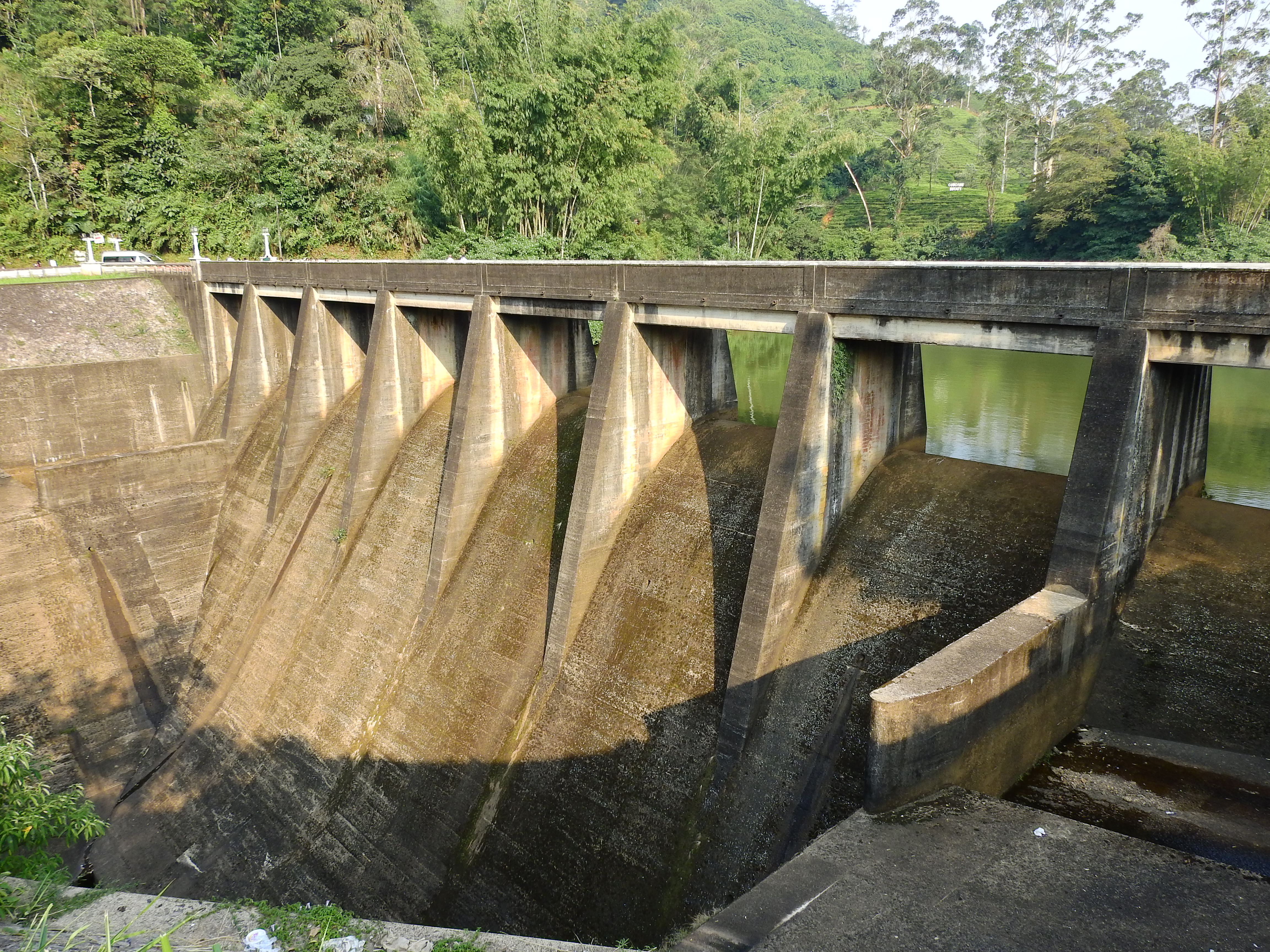
Norton Dam – A Hidden Gem in Sri Lanka’s Central Highlands
Your ultimate travel guide to exploring Norton Dam, the serene reservoir tucked away in Hatton, Central Province.
Introduction
Imagine standing on a quiet ridge, the mist from a distant waterfall drifting over emerald tea plantations, and below you a glass‑like lake reflecting the sky. This is the feeling you get at Norton Dam, one of Sri Lanka’s lesser‑known but incredibly picturesque water‑storage sites. While it may not boast the towering height of a mega‑dam, its location in the heart of the island’s “tea country” makes it a perfect stop for travelers seeking off‑the‑beaten‑path scenery, bird‑watching, and a glimpse into the country’s vital water infrastructure. In this guide we’ll dive into everything you need to know—history, how to get there, the best season to visit, nearby attractions, and practical tips—so you can add Norton Dam to your Central Sri Lanka itinerary with confidence.
About Norton Dam
A Brief Overview
- Name: Norton Dam
- Type: Dam (reservoir) 🏗️
- Location: Hatton, Central Province, Sri Lanka
- Coordinates: 6.913967° N, 80.521631° E
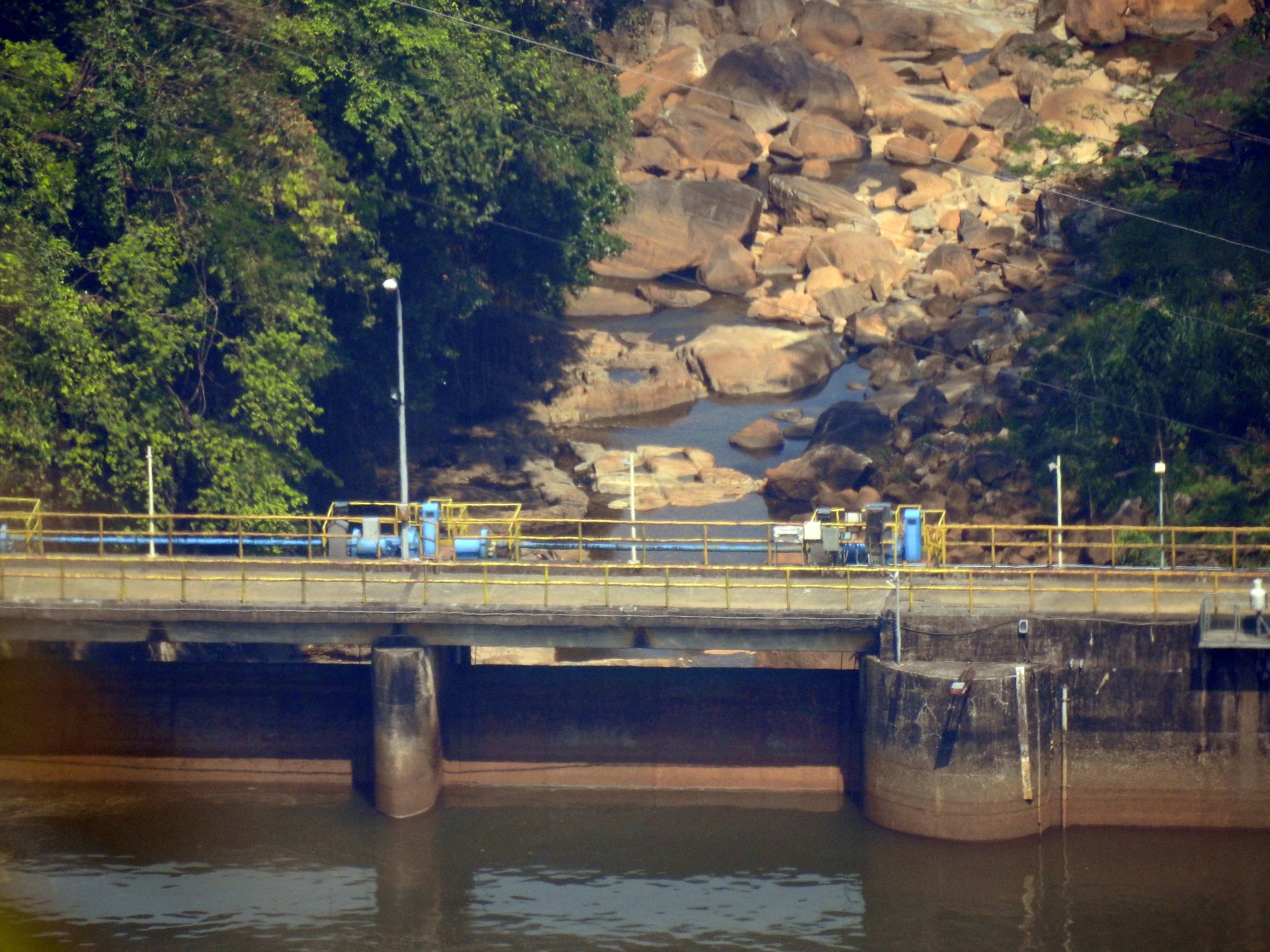
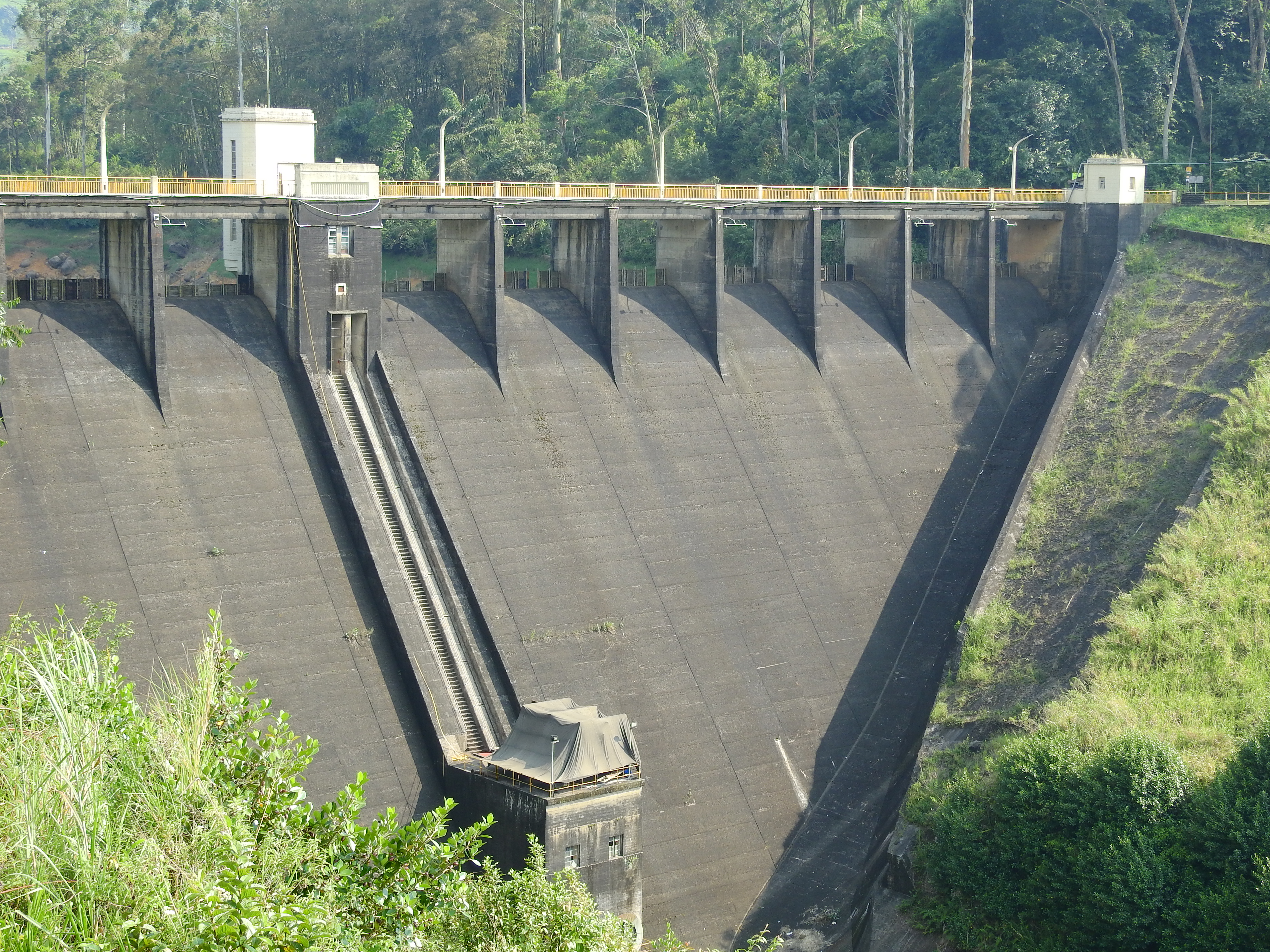
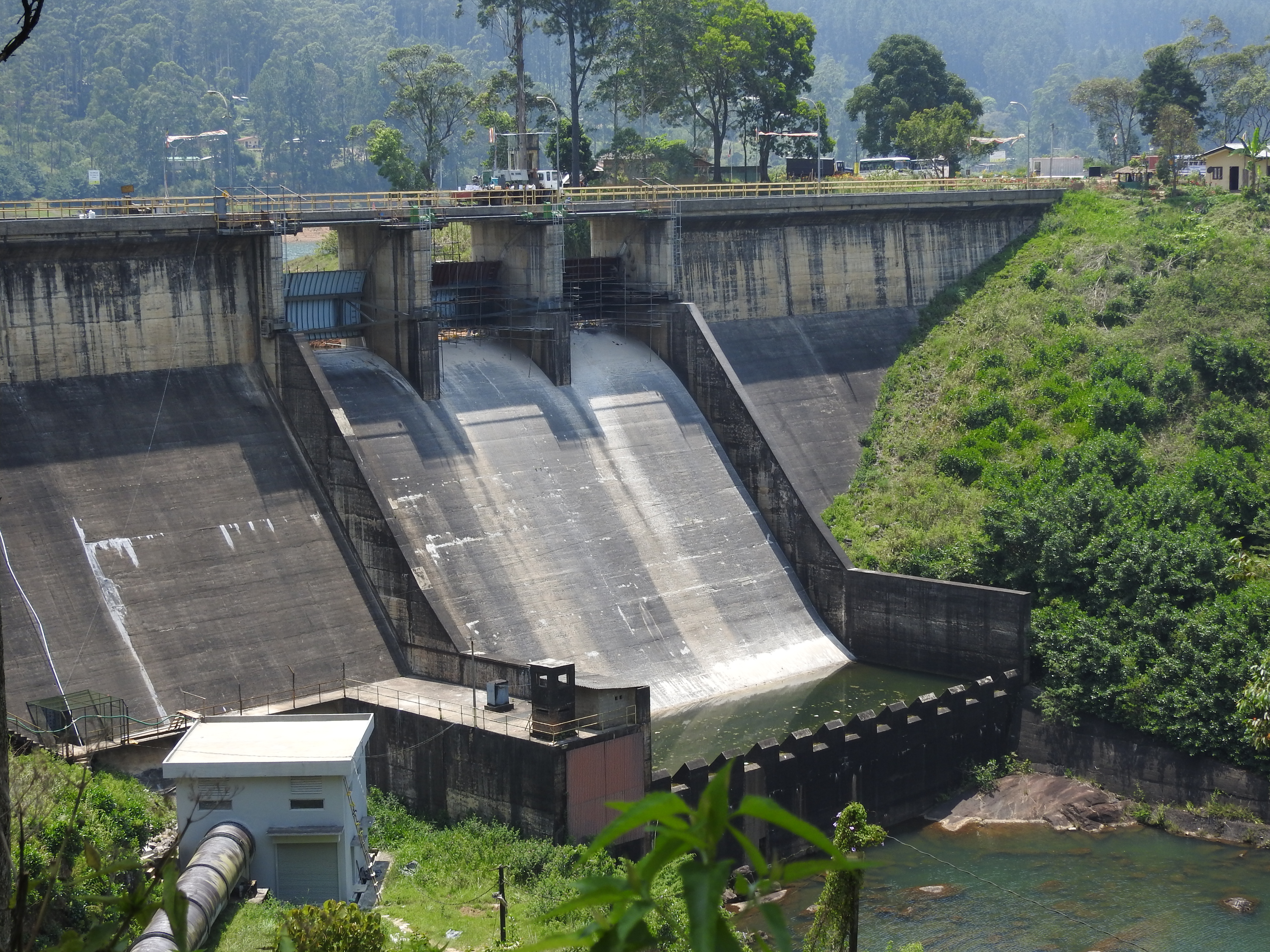
Norton Dam sits just a few kilometres north of the bustling town of Hathatton, a gateway to the famed tea‑plantation landscapes of the Central Highlands. Although official records do not list its exact height or altitude, the dam’s primary purpose is to regulate water flow for downstream irrigation and to support the region’s hydro‑electric schemes. Its modest size, however, belies the spectacular natural setting that surrounds it.
Historical Context
The dam was constructed during the early 20th century as part of a series of water‑management projects undertaken by the British colonial administration to sustain the expanding tea industry. Over the decades, Norton Dam has become an integral component of the local water‑supply network, feeding both agricultural fields and small‑scale power stations downstream. While the dam itself is not a major tourist draw, its proximity to iconic waterfalls and other historic dams (such as the nearby Laxapana Dam) gives it a unique place in the tapestry of Sri Lanka’s engineering heritage.
Why It Matters
- Water Security: The reservoir helps maintain a steady water supply for the tea estates that dominate the Hatton valley.
- Ecological Habitat: The calm waters attract a variety of bird species, making it a subtle hotspot for birdwatchers.
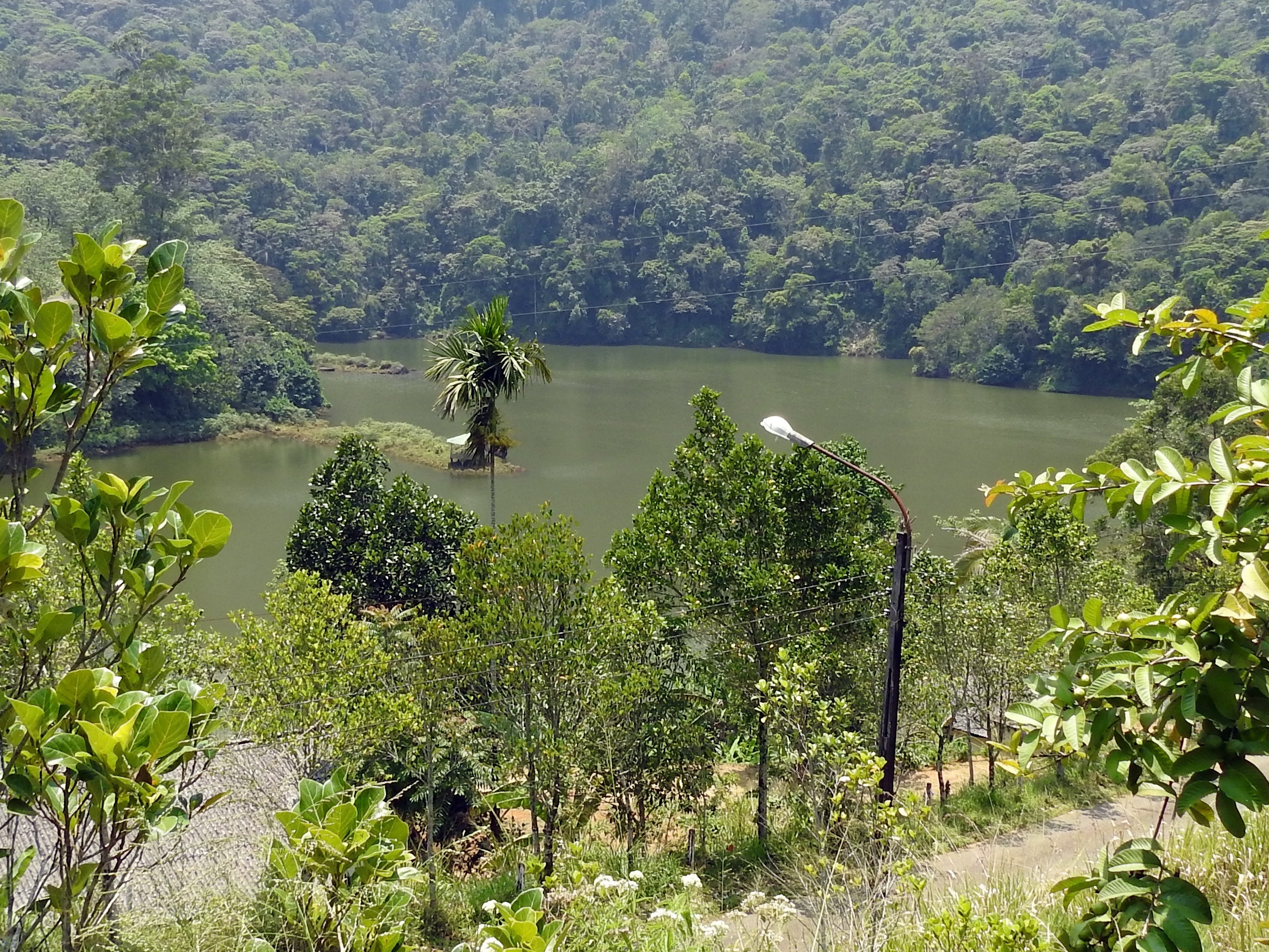
- Scenic Backdrop: The dam’s tranquil surface mirrors the surrounding mist‑clad hills, providing photographers with a natural canvas of reflections and soft light.
How to Get There
By Air
The nearest international gateway is Bandaranaike International Airport (CMB) near Colombo. From the airport:
- Private Transfer / Taxi: Approx. 4‑5 hours (≈ 180 km). The most comfortable option if you’re traveling with luggage or a group.
- Domestic Flight to Kandy: Some airlines operate short hops to Kandy Airport (JFK); from Kandy, hire a taxi or a private car for the remaining 80 km to Hatton.
By Train
Sri Lanka’s railway network is legendary for its scenic routes.
- Colombo → Kandy → Nanu Oya → Hatton: Board the Intercity Express from Colombo Fort Station to Kandy (≈ 2.5 h). Transfer at Kandy for a train heading to Nanu Oya or directly to Hatton. The Hatton‑bound train winds through tea‑covered valleys, offering a preview of the landscape you’ll soon explore.
By Bus
- Express Bus from Colombo to Hatton: Several private and state‑run buses (e.g., SLTB 01) depart from the Colombo Central Bus Stand (Pettah) and arrive in Hatton after about 5 hours.
- Local Bus from Hatton to Norton Dam: Once in Hatton, you can catch a local “stage” bus heading toward Laxapana or Aberdeen Waterfall; ask the driver to drop you off near the dam’s access road (usually a short 10‑minute walk).
By Car / Scooter
Renting a car or scooter in Kandy or Hatton gives you flexibility to explore the surrounding attractions at your own pace. The drive from Hatton to Norton Dam follows well‑maintained mountain roads (Route A7), with clear signage pointing toward the dam and nearby waterfalls.
Best Time to Visit
| Season | Weather | Why Visit? |
|---|---|---|
| December – March (Dry season) | Sunny, low humidity, clear skies | Ideal for photography, birdwatching, and comfortable trekking. |
| April – May (Pre‑monsoon) | Warm, occasional showers | Lush vegetation, fewer crowds. |
| June – September (South‑west monsoon) | Frequent rain, misty mornings | Dramatic waterfall flow, especially at Laxapana Falls. |
| October – November (Inter‑monsoon) | Variable, brief showers | Good balance of greenery and manageable weather. |
Top Recommendation: Aim for the dry season (December‑March) if you want crisp views of the dam’s mirror‑like surface and easy access to the surrounding trails.
What to Expect
Scenic Views
Approaching Norton Dam, you’ll first notice the gentle curve of the reservoir set against a backdrop of rolling hills dotted with tea bushes. The water is typically calm, creating perfect reflections of the sky and surrounding foliage—an excellent spot for sunrise or sunset shots.
Wildlife
Although the dam is not a designated wildlife sanctuary, its quiet waters attract kingfishers, egrets, and occasionally the rare Sri Lankan whistling‑thrush. Early mornings are the best time for birdwatching; bring a pair of binoculars and a field guide for Sri Lankan avifauna.
Tranquility
Unlike the more tourist‑heavy sites such as Laxapana Falls, Norton Dam offers a serene atmosphere. You’ll often find locals picnicking or fishermen casting lines, but crowds are rare. This makes it perfect for a relaxed afternoon of reading, sketching, or simply soaking in the mountain air.
Photography Tips
- Golden Hour: Arrive 30 minutes before sunrise or sunset for soft, warm lighting that accentuates the water’s surface.
- Reflections: Use a polarizing filter to enhance the mirror effect and reduce glare.
- Wide‑Angle Lens: Capture the sweeping panorama of tea plantations merging with the reservoir.
Nearby Attractions
Norton Dam sits in a cluster of natural and engineered wonders, each within a short drive. Below are the top spots you can easily combine into a day‑trip itinerary.
| Attraction | Type | Distance from Norton Dam | Quick Highlights |
|---|---|---|---|
| Laxapana Falls | Waterfall | 2.8 km | One of Sri Lanka’s tallest waterfalls (105 m); spectacular during the monsoon. |
| Laxapana Dam | Dam | 3.6 km | Historic hydro‑electric dam; offers guided tours on water management. |
| Aberdeen Waterfall | Waterfall | 4.4 km | A series of cascades nestled in dense forest; perfect for a short hike. |
| Canyon Dam | Dam | 4.7 km | Small concrete dam with a picnic area and scenic walking trail. |
| Castlereagh Dam | Dam | 6.7 km | Known for its tranquil reservoir and opportunities for kayaking (where permitted). |
Links for deeper research:
- Laxapana Falls – Wikipedia
- Laxapana Dam – Wikipedia
- Aberdeen Waterfall – Wikipedia
- Canyon Dam – Wikipedia
- Castlereagh Dam – Wikipedia
Suggested Mini‑Itinerary:
- Morning: Start at Norton Dam for sunrise photography.
- Mid‑morning: Walk or drive to Laxapana Falls—take the short trail to the viewing platform.
- Lunch: Enjoy a packed lunch at the picnic area near Canyon Dam or at a local tea estate café in Hatton.
- Afternoon: Visit Aberdeen Waterfall for a quick dip or a gentle trek.
- Late Afternoon: Return to Norton Dam for a relaxing sunset before heading back to Hatton.
Travel Tips
| Tip | Details |
|---|---|
| Dress in Layers | Highland temperatures can swing from warm midday to cool evenings, especially from December to March. |
| Footwear | Sturdy, waterproof shoes are advisable for waterfall trails; sandals are fine for the dam’s paved areas. |
| Stay Hydrated | Altitude isn’t extreme, but the sun can be strong. Carry at least 1 L of water per person. |
| Respect Local Communities | The dam area is used by nearby villagers for fishing and irrigation. Avoid littering and follow any posted signage. |
| Photography Gear | A tripod and ND filter can help you capture silky‑smooth water effects if you’re into long‑exposure shots. |
| Safety | Swimming is not officially permitted in the reservoir due to water‑management operations. Stick to designated viewing spots. |
| Connectivity | Mobile signal can be spotty near the dam; download offline maps (Google Maps, Maps.me) beforehand. |
| Currency | Carry some Sri Lankan rupees (LKR) for small purchases; ATMs are available in Hatton but not near the dam. |
| Local Cuisine | Try a “kottu roti” or “hoppers” at a roadside stall in Hatton for a quick energy boost. |
| Permits | No special permits are required to visit Norton Dam, but if you plan a guided tour of Laxapana Dam, check ahead for any entry fees. |
Final Thoughts
Norton Dam may not headline travel brochures, but its quiet charm, stunning reflections, and strategic location amid a cluster of waterfalls and historic dams make it a hidden treasure for the curious explorer. Whether you’re a photographer chasing that perfect sunrise, a bird‑watcher seeking a peaceful hideaway, or simply a traveler eager to wander off the main tourist trail, Norton Dam offers a slice of Sri Lanka’s Central Province that feels both intimate and unforgettable.
Pack your camera, lace up your boots, and let the misty hills of Hatton guide you to this serene reservoir—your next great adventure awaits!
Keywords used: Norton Dam travel guide, Hatton Sri Lanka, Central Province attractions, Laxapana Falls, tea country Sri Lanka, Sri Lanka dam tourism, off‑the‑beaten‑path Sri Lanka, waterfall near Norton Dam, best time to visit Central Sri Lanka.