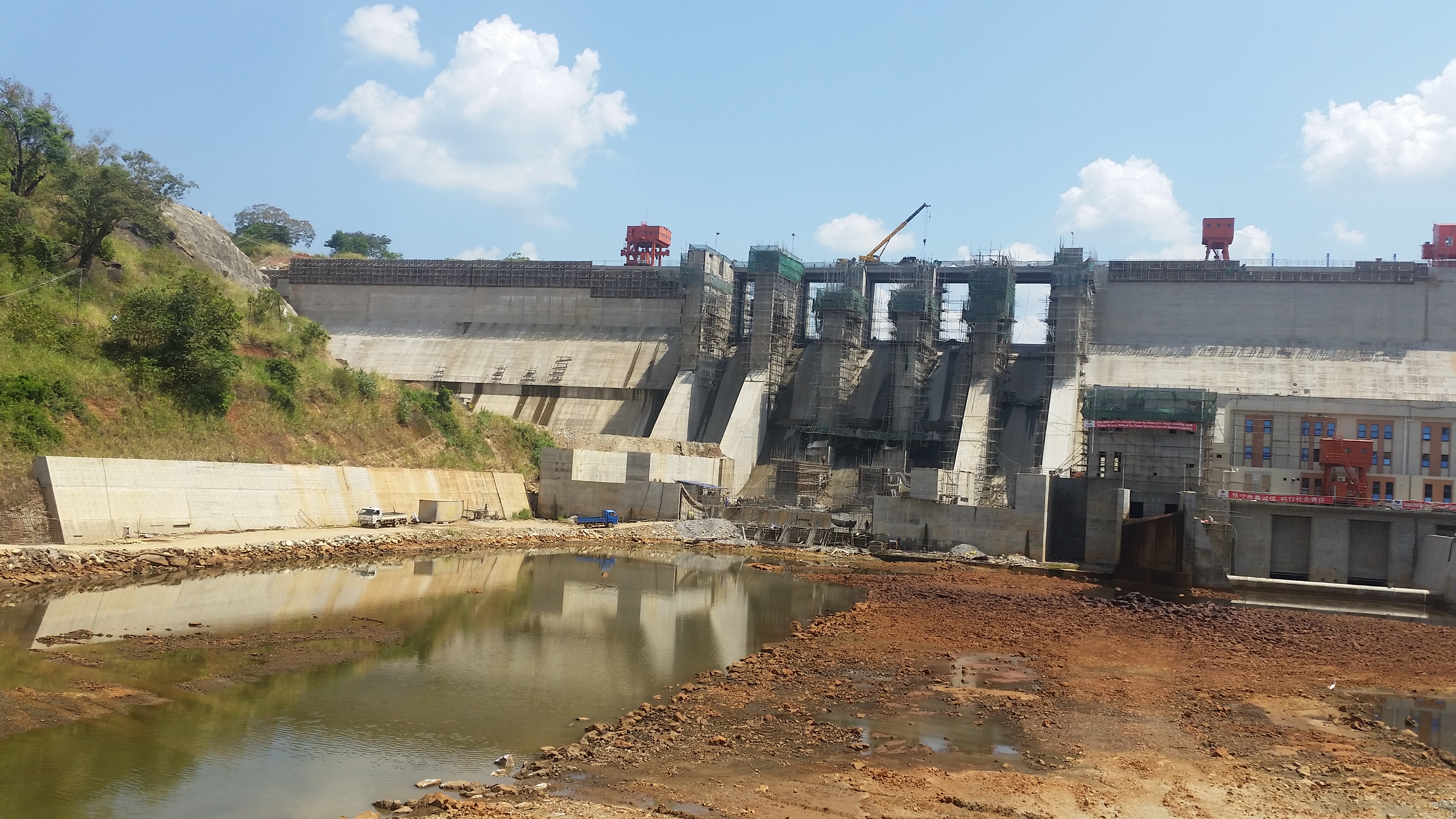
Moragahakanda Dam – A Hidden Gem in Central Sri Lanka
If you think Sri Lanka is only about golden beaches and ancient temples, think again. Nestled amid the rolling hills of Central Sri Lanka, the Moragahakanda Dam offers a spectacular blend of engineering marvel, tranquil waters, and panoramic vistas that will leave any traveler breathless.
1. Introduction
Imagine standing on a quiet ridge, the air fresh with mist from the reservoir below, while the sun paints the water in shades of turquoise and gold. That’s the experience awaiting you at Moragahakanda Dam, a 65‑metre‑tall concrete structure perched near Dambulla in the heart of the island. Whether you’re a nature lover, a photography enthusiast, or a curious traveler looking for off‑the‑beaten‑path sights, this dam delivers a serene escape that’s still within easy reach of Sri Lanka’s major tourist hubs.
2. About Moragahakanda Dam
A Brief Overview
- Location: Dambulla, Central Province, Sri Lanka
- Coordinates: 7.698532 N, 80.771911 E
- Height: 65 m
- Type: Concrete dam (🏗️)
The Moragahakanda Dam was constructed as part of a larger water‑resource development project aimed at enhancing irrigation, flood control, and potential hydro‑electric generation for the Central Province. While the exact year of completion isn’t listed in the public record, the dam’s modern design and robust concrete structure reflect contemporary engineering standards.
Why It Matters
Beyond its functional role, the dam has become a focal point for eco‑tourism and local recreation. The expansive reservoir not only supports agriculture across the surrounding valleys but also creates a calm lake that mirrors the surrounding hills—making it a perfect spot for sunrise and sunset photography. Moreover, the dam’s strategic location near Dambulla, a UNESCO World Heritage site famous for its cave temples, adds cultural depth to a day trip that can combine natural beauty with historic exploration.
3. How to Get There
By Air
The nearest international gateway is Bandaranaike International Airport (CMB) near Colombo, roughly 150 km (≈ 3–4 hours by road) from the dam. From the airport, you can rent a car, hire a private driver, or catch a domestic flight to Kandy and continue by road.
By Train
Sri Lanka’s scenic railway network connects Colombo to Kandy, and from Kandy you can board a local train or bus heading north toward Dambulla. The train ride itself is an attraction, winding through tea‑covered hills and verdant valleys.
By Road
- From Colombo: Take the A1 highway to Kandy (≈ 115 km), then follow the A9 north to Dambulla (≈ 70 km). From Dambulla town, the dam is just a short 10‑minute drive east on local roads.
- From Kandy: The journey is shorter—about 80 km via the A9. Buses and tuk‑tuks are readily available.
Public Transport Tips
- Buses: The Kandy–Dambulla route is serviced by frequent SLTB buses. Disembark at the Dambulla bus stand and catch a local taxi or tuk‑tuk to the dam.
- Tuk‑tuks: Negotiating a flat rate (around LKR 500–800) for the 10‑km stretch from Dambulla to the dam is common.
Driving Yourself
If you prefer self‑driving, the roads are well‑maintained, with clear signage in both Sinhala and English. GPS coordinates (7.698532, 80.771911) will guide you straight to the dam’s main entrance. Parking is available near the Moragahakanda Dam Viewing Point, which is just 0.1 km from the structure itself.
4. Best Time to Visit
Sri Lanka’s tropical climate means the dam can be visited year‑round, but certain months offer clearer skies and more comfortable temperatures:
| Season | Weather | Why Visit |
|---|---|---|
| December – March | Dry, sunny, low humidity | Ideal for panoramic photography and bird‑watching around the reservoir. |
| April – May | Warm, occasional showers | Lush greenery; the reservoir is full, creating striking reflections. |
| June – September | Slightly cooler, occasional rain | Fewer crowds; perfect for a quiet, meditative experience. |
| October – November | Inter‑monsoon, occasional heavy rain | The waterfall nearby (Sera Ella) swells, offering dramatic scenery. |
Tip: Early morning (around 6:00 am) provides the softest light for photos and a cooler atmosphere for a leisurely walk.
5. What to Expect
Scenic Views
The Moragahakanda Dam Viewing Point offers an unobstructed vista of the 65‑metre‑tall dam against a backdrop of rolling hills. On clear days, you can see the water’s surface glistening like a giant mirror, while mist rolls off the reservoir in the early hours.
Wildlife & Birdwatching
The reservoir and surrounding wetlands attract a variety of waterfowl, kingfishers, and migratory birds. Bring binoculars for a chance to spot species such as the Indian Pond Heron or the vibrant Sri Lankan Junglefowl.
Leisure Activities
- Picnicking: Designated grassy areas near the viewing point are perfect for a family picnic.
- Walking Trails: Short, well‑marked paths circle the reservoir, allowing you to explore the shoreline at a relaxed pace.
- Photography: The dam’s concrete arches, combined with natural light, create compelling compositions for landscape and architectural photography.
Facilities
- Restrooms: Available near the main parking lot.
- Refreshments: Small kiosks sell bottled water, tea, and local snacks (e.g., roti and sambol).
- Information Board: A brief plaque explains the dam’s purpose and construction details.
6. Nearby Attractions
After soaking in the dam’s serenity, extend your adventure with these nearby highlights (all within a 15‑km radius):
- Moragahakanda Dam Viewing Point – Just 0.1 km away, this is the best spot for panoramic photos of the dam itself.
- Sera Ella Water Fall – A short 12.3 km drive brings you to this hidden waterfall, especially impressive during the inter‑monsoon season.
- Nearby Dams – Explore additional engineering feats:
- Dam A – 0.9 km away (exact name not listed).
- Dam B – 12.1 km away.
- Dam C – 12.5 km away.
(These sites are ideal for those interested in Sri Lanka’s water‑management infrastructure.)
Pro tip: Pair your dam visit with a trip to the world‑famous Dambulla Cave Temple, only 15 km north, to blend natural and cultural wonders in a single day.
7. Travel Tips
| Tip | Details |
|---|---|
| Dress Comfortably | Light, breathable clothing and sturdy walking shoes are recommended. |
| Sun Protection | The open reservoir area can get hot; bring a hat, sunscreen, and sunglasses. |
| Stay Hydrated | Carry a reusable water bottle—there are refill stations at the parking area. |
| Respect the Environment | Keep the site clean; avoid littering and stay on marked paths to protect local flora. |
| Timing | Arrive early (6:00–7:30 am) to avoid the midday heat and capture the best light for photos. |
| Local Currency | Small vendors accept cash (Sri Lankan rupees) only; credit cards are not widely accepted. |
| Connectivity | Mobile coverage is generally good, but signal may be spotty near the reservoir. |
| Guided Tours | While not mandatory, local guides can provide deeper insight into the dam’s history and the region’s ecology. |
| Safety | Do not venture onto the dam’s concrete face or any restricted areas; follow posted signage. |
Final Thoughts
The Moragahakanda Dam may not appear on every mainstream travel itinerary, but its blend of engineering elegance, tranquil waters, and surrounding natural beauty makes it a must‑visit for anyone exploring Central Sri Lanka. Whether you’re chasing sunrise over a gleaming reservoir, snapping photos of sleek concrete arches, or venturing to nearby waterfalls and historic sites, this hidden gem promises a rewarding, unforgettable experience.
Pack your camera, hit the road, and let the calm of Moragahakanda’s waters refresh your travel spirit. Safe travels!


