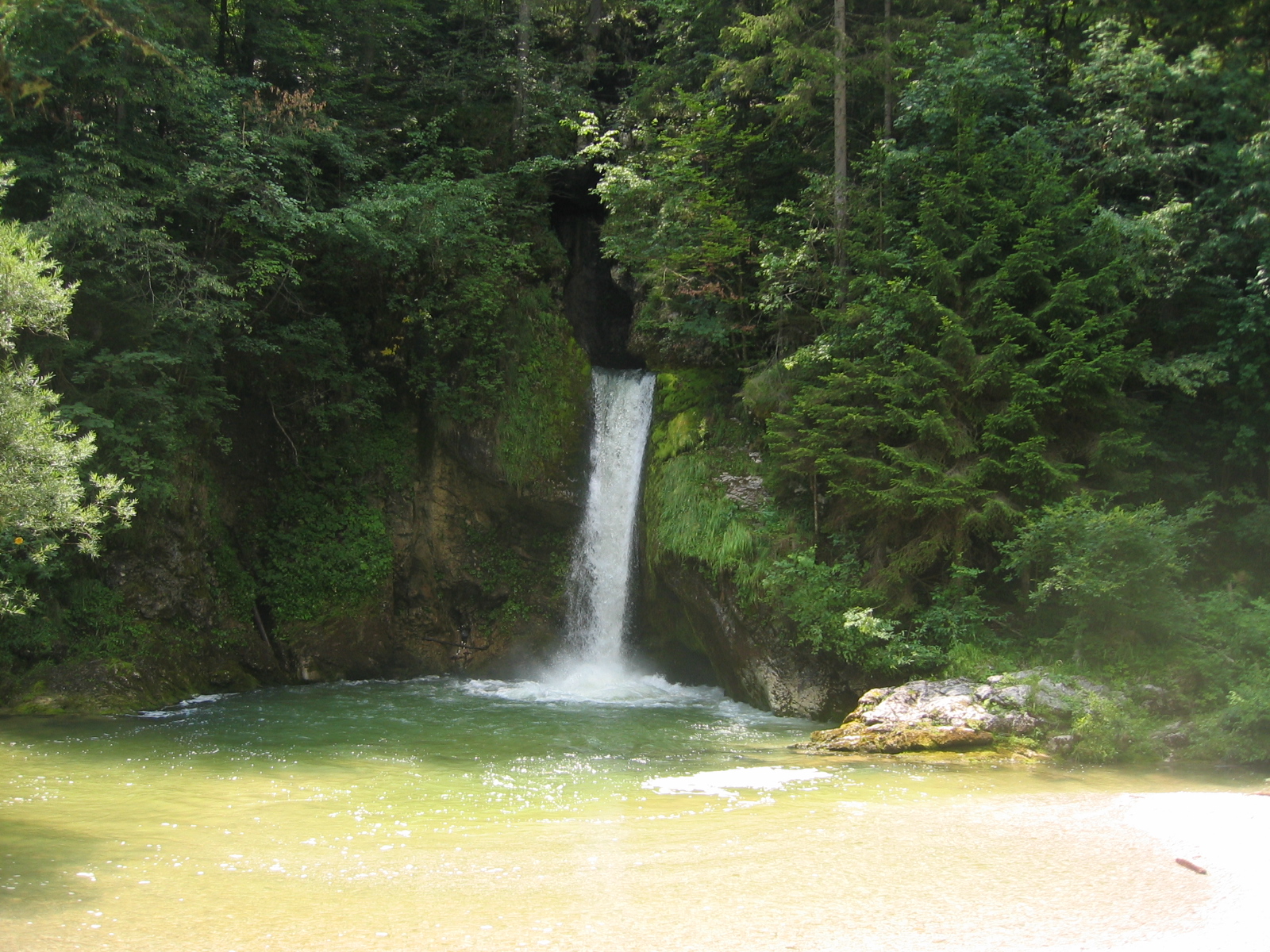
Grmečica Waterfall – A Hidden Gem in the Heart of Bohinj, Slovenia
Discover the gentle roar of an 8‑metre cascade, the lush Alpine forest that hugs it, and a handful of nearby wonders that make Bohinj a must‑visit destination for nature lovers.
Introduction
If you picture Slovenia’s most famous waterfalls—Soca’s thundering Kupljanski Falls or the dramatic Savica—your mind may drift to towering drops and mist‑filled valleys. Yet tucked away near the tranquil village of Bohinjska Bistrica lies a subtler marvel: Grmečica Waterfall (Slovene: Slap Grmečica). At just 8 metres high, this petite cascade may not boast the height of its Alpine cousins, but it offers an intimate, almost secret‑garden experience that feels like stepping into a postcard. Whether you’re a seasoned hiker, a photography enthusiast, or a traveler seeking off‑the‑beaten‑path serenity, Grmečica invites you to pause, listen to the soft splash, and let the surrounding forest’s emerald canopy work its quiet magic.
About Grmečica
A Brief Description
Grmečica is a modest, single‑drop waterfall that tumbles over a smooth rock ledge into a clear, shallow pool. The water source is a small mountain stream that gathers melt‑water from the surrounding peaks of the Julian Alps. At 46.284867 N, 13.996353 E, the waterfall sits at an elevation that blends seamlessly with the lush mixed‑forest environment—spruce, fir, and beech trees frame the cascade, creating a natural amphitheater for birdsong and rustling leaves.
History & Cultural Significance
While Grmečica does not dominate historical texts, it has long been a beloved local landmark. The name “Grmečica” derives from the nearby Grmeč ridge, a term that historically referred to the rugged, “grma” (bushy) terrain. Villagers from Bohinjska Bistrica have traditionally used the stream for small‑scale irrigation and as a fresh water source during summer months. In recent decades, the waterfall has gained modest attention from hikers exploring the Bohinj region, and it now appears on several local trail maps and the Slovenian Wikipedia page for Slap Grmečica.
Why It Matters
Grmečica may lack the dramatic height of larger waterfalls, but its charm lies in its accessibility and the intimate connection it offers with Slovenia’s pristine nature. The waterfall is a perfect spot for a quick rest on a longer hike, a quiet place for meditation, or a backdrop for macro photography of moss‑covered rocks and delicate water droplets. Its presence enriches the tapestry of Bohinj’s waterfall trail network, complementing more famous falls while preserving a sense of discovery for those willing to wander off the main tourist routes.
How to Get There
By Air & Train
- Fly into Ljubljana Jože Pučnik Airport (LJU). From the airport, take a shuttle or rent a car for a scenic 1‑hour drive to Bohinj.
- Train option: Board a train from Ljubljana to Bled (≈ 45 minutes). From Bled, catch a local bus or taxi to Bohinjska Bistrica, the nearest settlement to Grmečica.
By Car
- From Ljubljana: Follow the A2/E61 highway toward Bled, then exit onto the Bohinj road (regional road 206). After crossing the iconic Bohinj Bridge, continue on the local road to Bohinjska Bistrica. Parking is available near the village center; from there, the trailhead to Grmečica is clearly signposted.
- From Italy or Austria: The same A2/E61 route passes through the Karawanks Tunnel, making Grmečica a convenient side‑trip for cross‑border road trippers.
On Foot
Grmečica is part of the Bohinj Waterfall Trail, a network of marked paths that loop through the valley. The most popular route starts at the Bohinj Railway Station, follows the Sava Bohinjka River, and after about 2 km of moderate hiking (mostly gentle ascents and forest tracks), you’ll arrive at the waterfall’s viewing platform. Trail markings are white‑red painted blazes, consistent with the Slovenian Alpine Club standards.
Public Transport
- Bus: The Bohinj‑Bled bus line (operated by Nomago) stops in Bohinjska Bistrica. From the bus stop, a short 10‑minute walk leads to the trailhead.
- Bike: The valley’s paved bike routes connect Bled, Bohinj, and the surrounding villages, making a bike‑to‑waterfall adventure feasible for experienced cyclists.
Best Time to Visit
| Season | Water Flow | Visitor Density | Highlights |
|---|---|---|---|
| Spring (April‑June) | High – snowmelt swells the stream, creating a fuller cascade. | Moderate – families start arriving for school holidays. | Lush green foliage, vibrant wildflowers, perfect for photography. |
| Summer (July‑August) | Moderate – steady flow, occasional low‑water patches. | High – peak tourist season. | Warm weather for picnics; longer daylight hours for extended hikes. |
| Autumn (September‑October) | Good – occasional rain keeps the waterfall lively. | Low‑moderate – fewer crowds. | Golden forest colors, crisp air, ideal for tranquil walks. |
| Winter (November‑March) | Low – the stream may partially freeze, creating icy formations. | Very low – tranquil solitude. | Snow‑covered forest, magical “winter wonderland” vibe; caution advised on icy paths. |
Optimal recommendation: Late spring (mid‑May to early June) offers the most impressive water volume while still enjoying manageable crowds and comfortable temperatures.
What to Expect
The Senses
- Sight: A clear, 8‑metre drop that splashes into a shallow, turquoise pool. Sunlight filters through the canopy, creating dappled patterns on the water surface.
- Sound: A gentle, rhythmic rush—louder after heavy rain or during spring melt, but never overwhelming.
- Smell: Fresh pine and moist earth, especially after a light rain.
- Touch: The pool’s water is cool, inviting a quick dip for adventurous hikers (always check local safety signs).
Trail Conditions
The path to Grmečica is well‑maintained, with wooden boardwalk sections over marshy ground near the stream. Expect a moderate incline; the hike is suitable for most fitness levels, though sturdy walking shoes with good traction are advisable, especially after rain when the trail can become slick.
Facilities
- Viewing Platform: A modest wooden platform offers a safe spot to admire the waterfall without disturbing the natural habitat.
- Picnic Area: Near the trailhead, a small clearing with benches and a waste‑recycling bin provides a convenient spot for a snack.
- Restrooms: Portable toilets are available at the Bohinjska Bistrica visitor centre, a short walk from the trailhead.
Nearby Attractions
While Grmečica is a highlight on its own, the Bohinj valley boasts several other natural wonders within a short radius. All are easily reachable on foot or by a brief bike ride.
| Attraction | Distance | Type | Quick Link |
|---|---|---|---|
| Peračica Waterfall | 1.5 km | Waterfall | Peračica Waterfall |
| Nemški Rovt Fountain | 1.9 km | Fountain | Nemški Rovt Fountain |
| Unnamed Weir | 3.3 km | Weir | (local map reference) |
| Unnamed Dam | 3.3 km | Dam | (local map reference) |
| Mošenac Waterfall | 3.4 km | Waterfall | Mošenac Waterfall |
Tip: Combine Grmečica with a loop that includes Peračica and Mošenac for a full‑day “waterfall tour” of Bohinj. Each site offers a distinct character—Peračica’s tiered cascade, Mošenac’s rugged rock faces—making the journey diverse and rewarding.
Travel Tips
- Start Early: Arriving before 9 am helps you beat the mid‑day crowds and capture the waterfall in soft morning light.
- Pack Light, Pack Smart: A small daypack with a water bottle, snack, rain jacket, and a lightweight camera or smartphone will suffice.
- Footwear Matters: Waterproof hiking boots or sturdy trail shoes with good grip are essential, especially on wet or icy sections.
- Respect the Environment: Stay on marked trails, avoid stepping on delicate moss, and carry out all trash. The area is part of a protected Alpine ecosystem.
- Check Weather Forecasts: Spring rains can swell the stream dramatically, while sudden summer thunderstorms may make the trail slippery.
- Photography Pointers: Position yourself on the opposite bank for a full‑frame view of the cascade, or get low to capture the water’s texture against the rock. Early morning or late afternoon provides the best natural lighting.
- Local Cuisine: After your hike, treat yourself to a traditional Bohinj “jota” (bean and sauerkraut stew) at a family‑run tavern in Bohinjska Bistrica.
- Currency & Language: Slovenia uses the Euro (€). While Slovene is the official language, most locals in the tourism sector speak English.
Final Thoughts
Grmečica may be modest in stature, but its charm lies in the gentle intimacy it offers the traveler willing to step off the main tourist highways. Nestled within the verdant embrace of Bohinj’s Alpine forest, the waterfall provides a perfect pause—an invitation to listen, breathe, and reconnect with nature’s quieter rhythms. Pair it with nearby falls, sip a warm cup of honey‑sweetened tea in a local café, and you’ll understand why the Bohinj valley remains one of Slovenia’s most treasured, yet still discoverable, destinations.
Ready to chase the sound of water in the Julian Alps? Pack your boots, follow the coordinates 46.284867 N / 13.996353 E, and let Grmečica’s gentle cascade guide you into the heart of Slovenia’s natural wonderland.