Турска чесма – A Hidden 18th‑Century Fountain Gem in Vrdnik, Serbia
If you think Serbia’s treasures are limited to bustling Belgrade streets or the rugged Đerdap gorge, think again. Nestled in the tranquil village of Vrdnik, just a stone’s throw from the historic Church of Preno, lies Турска чесма – a modest yet captivating 18th‑century fountain that whispers stories of Ottoman‑era craftsmanship and local resilience. Whether you’re a history buff, a photography enthusiast, or simply chasing off‑the‑beaten‑path experiences, this stone‑carved water source deserves a spot on your Serbian itinerary.
About Турска чесма
A Brief Description
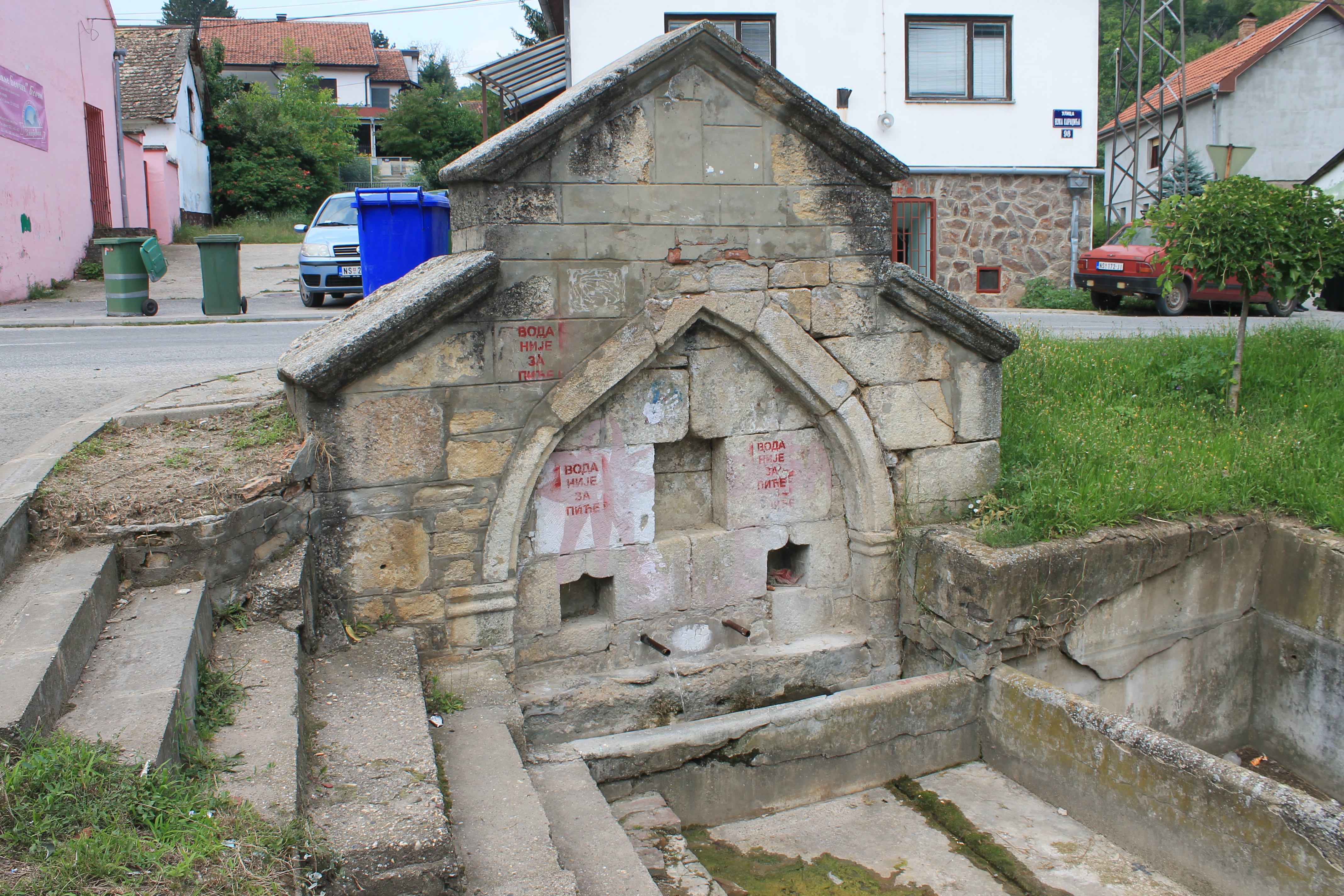
Турска чесма (literally “Turkish fountain”) is one of two stone fountains that grace the entrance of the Church of Preno in the settlement of Ledenica, part of the Vrdnik municipality in the Autonomous Province of Vojvodina, Serbia. The fountain sits directly beside the main road, making it an instantly visible landmark for travelers heading toward the historic monastic complex. Its simple rectangular basin, chiseled stone columns, and subtle Ottoman decorative motifs give it a timeless elegance that blends seamlessly with the surrounding pastoral landscape.
Historical Roots
Built in the 18th century, the exact year of Турска чесма’s construction remains uncertain. Architectural scholars agree that its style points to a period either just before the Serbian liberation from Ottoman rule or shortly after the Turks withdrew. The fountain’s name reflects this transitional era, when Turkish‑influenced public works were still common in the region.
According to the Serbian Wikipedia entry, the two fountains in Ledenica were erected “прије ослобођења од Турака или убрзо по њиховом одласку,” indicating that they were either constructed before the liberation or soon thereafter. Their survival through centuries of political change underscores their cultural significance: they are not merely functional water sources but tangible reminders of Vrdnik’s layered past.
Why It Matters
- Cultural Bridge – Турска чесма stands at the crossroads of Ottoman and Serbian heritage, offering a visual lesson in how architecture can narrate history.
- Community Symbol – For locals, the fountain has long served as a gathering point, a place where villagers fetched water, exchanged news, and celebrated seasonal festivals.
- Photographic Appeal – The stone’s weathered texture, combined with the lush greenery that frames the fountain, creates a perfect backdrop for Instagram‑worthy shots.
How to Get There
By Air
The nearest major airport is Belgrade Nikola Tesla Airport (BEG), about 80 km (≈ 50 mi) south of Vrdnik. From the airport, you have two convenient options:
- Car Rental – A 1‑hour 20‑minute drive via the E75 highway and State Road 21 brings you straight to Vrdnik.
- Shuttle + Bus – Several shuttle services run from the airport to Novi Sad; from there, catch a regional bus to Vrdnik (see below).
By Train
Serbian Railways operates a line from Belgrade to Novi Sad, and onward to Sremski Karlovci, the nearest train stop to Vrdnik (≈ 7 km away). From Sremski Karlovci, a short taxi ride or local minibus will drop you at the village entrance, where the fountain sits beside the church gate.
By Bus
- Belgrade → Novi Sad – Frequent intercity buses (≈ 1 h 30 min).
- Novi Sad → Vrdnik – Regional bus line “Novi Sad – Sremski Karlovci – Vrdnik” runs several times daily. The journey from Novi Sad takes roughly 45 minutes.
By Car
If you prefer driving, follow these simple steps:
- From Belgrade: Take the E75 north toward Novi Sad.
- Exit at Novi Sad and follow signs for Sremski Karlovci (State Road 21).
- Turn onto local road 115 toward Vrdnik.
- Follow signs for “Crkva Preno” (Church of Preno) – the fountain is right at the church’s entrance, about 0.1 km from the main road.
Parking: A small public lot sits behind the church; it’s free and within a two‑minute walk to Турска чесма.
Best Time to Visit
| Season | Why It Works | Tips |
|---|---|---|
| Spring (April‑June) | Budding trees and blooming wildflowers frame the fountain, creating vivid colors for photography. | Bring a light rain jacket – spring showers are common. |
| Summer (July‑August) | Warm days make the stone feel pleasantly cool in the early morning; the nearby waterfalls are at their fullest. | Visit early (7‑9 am) to avoid midday heat and crowds. |
| Autumn (September‑October) | Golden foliage adds a rustic charm, and the water flow remains steady. | Pack a thermos of tea; evenings can be crisp. |
| Winter (November‑March) | The fountain is often dusted with snow, offering a serene, almost mystical atmosphere. | Some paths may be icy; wear sturdy boots and check local road conditions. |
Overall recommendation: Late spring to early autumn provides the most comfortable weather and the richest natural backdrop for Турска чесма.
What to Expect
First Impressions
As you step off the bus or pull into the modest parking area, the stone silhouette of the fountain greets you immediately. Its rectangular basin, edged with low, carved balusters, holds a modest pool of clear water that reflects the sky. The Ottoman‑style arches—though subtle—hint at the fountain’s 18th‑century origins.
The Atmosphere
- Quiet Serenity: Unlike the bustling tourist spots in Belgrade, Турска чесма offers a peaceful pause. You’ll often hear the gentle murmur of water, distant birdcalls, and the occasional rustle of leaves.
- Cultural Vibe: The fountain’s proximity to the Church of Preno means you’ll also see locals attending services, lighting candles, or simply strolling by. The blend of religious and communal life adds a unique cultural texture.
- Photographic Gold: The stone’s weathered patina, combined with surrounding greenery, creates natural contrast. Early morning light casts soft shadows, while late afternoon sun brings out warm amber tones.
Interactive Elements
While the fountain is primarily a historic monument, locals still use it for small ceremonial purposes—for instance, pouring water over newly planted saplings during village celebrations. Visitors are welcome to sit on the low stone benches nearby, enjoy the cool breeze, and soak in the ambience.
Nearby Attractions
Vrdnik and its surroundings are a treasure trove of natural and cultural sites. After admiring Турска чесма, consider adding these highlights to your itinerary:
- Јадранкине каскаде (Jadrankine Waterfalls) – 1.4 km away. A series of cascading streams that sparkle in the summer sun. Ideal for a short hike and a picnic.
- Мали кестенски (Mali Kesten Waterfall) – 1.4 km away, located in the Autonomous Province of Vojvodina. A quieter waterfall perfect for nature lovers.
- Шандровац (Shandrovac Spring) – 1.5 km away. A crystal‑clear spring that feeds several local streams.
- Велики кестенски (Veliki Kesten Waterfall) – 1.5 km away, also in Vojvodina. The largest waterfall in the immediate area, offering spectacular photo opportunities.
All of these spots are reachable on foot or by a short bike ride, making Vrdnik an excellent base for a day‑trip nature loop.
Travel Tips
| Tip | Details |
|---|---|
| Wear comfortable shoes | The paths around the fountain and nearby waterfalls can be uneven and occasionally slippery. |
| Bring a reusable water bottle | While the fountain is beautiful, the water is not intended for drinking. Stay hydrated, especially in summer. |
| Respect local customs | The fountain sits near a church gate; modest dress (shoulders covered) is appreciated when entering the church grounds. |
| Check bus schedules | Regional buses run less frequently on weekends and holidays. Arrive at the bus stop a few minutes early. |
| Cash is king | Small villages often prefer cash for souvenirs or refreshments; ATMs are scarce. |
| Photography etiquette | Ask permission before photographing locals, especially during religious services. |
| Seasonal gear | In spring, a light raincoat; in winter, insulated boots and gloves. |
| Language tip | Basic Serbian greetings (“Zdravo”, “Hvala”) go a long way in establishing friendly rapport. |
| Stay connected | Mobile coverage is generally good, but consider downloading offline maps (Google Maps or Maps.me) for navigation. |
| Timing | Aim for early morning (7‑9 am) or late afternoon (5‑7 pm) to enjoy softer light and fewer visitors. |
Final Thought
Турска чесма may not appear on every mainstream travel guide, but its quiet charm, rich history, and scenic setting make it a must‑see hidden gem for anyone exploring Vrdnik and the wider Vojvodina region. Pair the fountain with nearby waterfalls, a stroll through the historic church, and a taste of local hospitality, and you’ll leave with a deeper appreciation for Serbia’s layered past and its enduring natural beauty.
Pack your camera, lace up those walking shoes, and let the stone‑carved whispers of Турска чесма guide you into the heart of Serbian heritage.