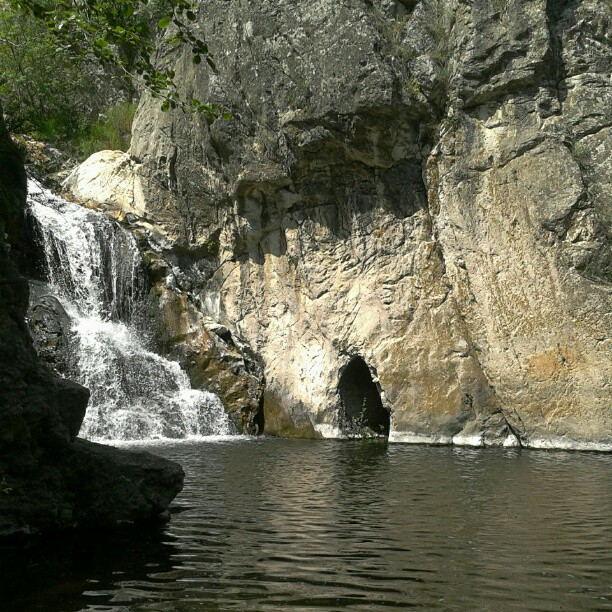
Водопад на Мокрањској стени – Serbia’s Secret Cascading Gem
If you’re hunting for a hidden waterfall that feels like a private oasis, look no further than Водопад на Мокрањској стени. Nestled in the rolling hills of Negotin, Central Serbia, this pristine cascade offers a tranquil escape from the usual tourist trail. In this guide we’ll explore the waterfall’s story, how to reach it, the best time to visit, and the surrounding natural attractions that make the whole area a must‑see for nature lovers.
1. Introduction
Imagine stepping off a narrow forest path and hearing the soft roar of water tumbling over stone, the air scented with moss and pine. The scene feels like a postcard, yet few travelers have discovered it. Водопад на Мокрањској стени (literally “Waterfall on Mokranjska Stena”) is one of Serbia’s best‑kept secrets—a perfect spot for hikers, photographers, and anyone craving a moment of serenity in the heart of Central Serbia.
Located just a short drive from the historic town of Negotin, the waterfall is part of a rugged limestone landscape that has inspired local folklore for centuries. Whether you’re planning a day‑trip from Belgrade or a weekend adventure through the Timok Valley, this hidden cascade deserves a place on your itinerary.
2. About Водопад на Мокрањској стени
A Brief Description
The waterfall drops over a series of natural stone ledges, creating a series of thin, shimmering ribbons of water that pool into crystal‑clear basins below. While the exact height and altitude remain undocumented, the surrounding terrain suggests a modest but picturesque fall—ideal for wading, picnicking, or simply sitting on a smooth rock and listening to the water’s melody.
Historical & Cultural Significance
The name “Мокрања” (Mokranja) is tied to the Mokranjska River that carves through the region. Historically, the river and its tributaries powered small mills and supplied fresh water to nearby villages. Local legends tell of a “water spirit” that protects the cascade, a story that adds a mystical layer to the site and explains why the waterfall has remained relatively untouched by mass tourism.
Why It Matters
In recent years, Serbia has been positioning itself as a nature tourism hotspot, and hidden waterfalls like Водопад на Мокрањској стени are the crown jewels of this movement. The waterfall offers:
- Pure natural beauty – untouched forest, limestone cliffs, and pristine water.
- A low‑impact destination – limited facilities mean you can enjoy a truly wild experience.
- A gateway to nearby attractions – the area is a cluster of waterfalls, springs, and historic sites, perfect for a multi‑stop nature tour.
For more background, see the Serbian Wikipedia entry: Водопад на Мокрањској стени.
3. How to Get There
By Air
The nearest international gateway is Belgrade Nikola Tesla Airport (BEG). From Belgrade, you can rent a car or catch a regional bus to Negotin (approximately 200 km, 3‑hour drive).
By Train & Bus
- Train: Serbian Railways runs daily services from Belgrade to Negotin. The journey takes about 4 hours, offering scenic views of the countryside.
- Bus: Several intercity buses connect Belgrade, Niš, and Zaječar with Negotin. Check the local bus station for up‑to‑date schedules.
From Negotin to the Waterfall
- Drive or taxi from Negotin toward the Mokranjske stene area.
- Follow road signs for Mokranjska Stena (coordinates: 44.163609, 22.527448). A simple Google Maps search for “Водопад на Мокрањској стени” will pinpoint the exact location.
- Parking: A modest, free parking lot exists near the trailhead.
- Hike: The waterfall is a short, well‑marked walk (≈ 15‑20 minutes) from the parking area. The trail is mostly dirt with occasional stone steps; sturdy walking shoes are recommended.
Public Transport (Local)
If you prefer not to drive, local minibusses (known as “kombis”) run from Negotin to the Mokranjske stene settlement. Ask the driver for a stop near the waterfall—most locals are familiar with the site and will gladly drop you off at the trailhead.
4. Best Time to Visit
| Season | Conditions | Why Visit |
|---|---|---|
| Spring (April‑June) | Flow is strongest after snowmelt; surrounding flora blooms in vivid colors. | Ideal for photography and the freshest water for wading. |
| Summer (July‑August) | Warm temperatures, occasional thunderstorms. | Good for a cool dip, but expect more hikers. |
| Autumn (September‑October) | Leaves turn amber, water levels moderate. | Perfect for tranquil walks and fewer crowds. |
| Winter (November‑March) | Water may be reduced; icy paths. | For the adventurous—frozen cascades create a magical scene, but tread carefully. |
Overall recommendation: Late spring (mid‑May to early June) offers the most dramatic water flow and comfortable weather for hiking.
5. What to Expect
The Senses
- Sight: A series of cascading sheets over limestone, framed by dense beech and oak forests. Sunlight filters through the canopy, creating shimmering patterns on the water.
- Sound: A gentle, continuous rush that drowns out distant traffic—a natural white‑noise perfect for meditation.
- Smell: Fresh, earthy aromas of moss, wet stone, and pine. In spring, you’ll also catch hints of wildflowers.
- Touch: The water is cool year‑round; you can dip your feet or, if you’re brave, take a quick swim in the shallow pools.
Trail Experience
The path to the waterfall is moderately easy—suitable for families with children, though some sections can be slippery after rain. Along the way, you’ll encounter small rock formations and occasional viewpoints overlooking the surrounding valley. Keep an eye out for local wildlife: red‑foxes, hares, and a variety of songbirds are common.
Facilities
Because the site is deliberately low‑impact, there are no built‑in restrooms or cafés. Bring your own water, snacks, and a portable toilet if you need one. A small wooden bench near the pool offers a perfect spot for a picnic.
6. Nearby Attractions
While the waterfall itself is a highlight, the Mokranja region boasts several other natural gems that can easily be combined into a day‑long itinerary.
| Attraction | Distance from Водопад на Мокрањској стени | What to See |
|---|---|---|
| Mokranjske stene (waterfall) | 0.8 km | Another picturesque cascade, reachable via a short side trail. |
| Мокрањска Река (waterfall) | 1.5 km | A larger waterfall on the Mokranja River, perfect for a longer hike. |
| Local spring | 6.4 km | Fresh mountain spring water; ideal for a refreshing stop. |
| Fountain 1 | 6.5 km | Traditional stone fountain used by nearby villages. |
| Fountain 2 | 7.2 km | Scenic spot with a small picnic area. |
Tip: Pack a light lunch and make a “waterfall loop”—start at Водопад на Мокрањској стени, walk to Mokranjske stene, continue to Мокрањска Река, and return via the spring. This circuit showcases the region’s diverse water features within 3‑4 hours.
7. Travel Tips
| Tip | Details |
|---|---|
| Footwear | Wear waterproof hiking boots or sturdy trail shoes with good grip. |
| Clothing | Dress in layers; mornings can be cool, especially in spring and autumn. Bring a rain jacket. |
| Safety | The trail can be slippery after rain. Keep a walking stick handy and avoid steep edges. |
| Leave No Trace | Pack out all trash, stay on marked paths, and respect local flora. |
| Language | Serbian is the official language; learning a few basic phrases (“Molim”, “Hvala”) goes a long way. |
| Currency | Serbia uses the Serbian dinar (RSD). Cash is preferred in rural areas. |
| Connectivity | Mobile coverage is limited in the forest; download offline maps (Google Maps, Maps.me) before you go. |
| Photography | Early morning light (sunrise) or late afternoon (golden hour) provides the best lighting for waterfall shots. Bring a waterproof case for your camera. |
| Local Cuisine | Near Negotin, try čvarci (pork cracklings) and rakija (fruit brandy). Many family‑run restaurants serve homemade dishes. |
| Guided Tours | If you prefer a structured experience, several local eco‑tour operators in Negotin offer half‑day hikes that include the waterfall and surrounding sites. |
Final Thoughts
Водопад на Мокрањској стени may not appear on every travel brochure, but that’s exactly why it feels so special. Its gentle roar, emerald pools, and surrounding limestone cliffs create a slice of Serbian wilderness that feels both timeless and untouched. Pair it with the nearby waterfalls, springs, and traditional villages, and you have a complete nature immersion that will leave you refreshed, inspired, and eager to explore more of Central Serbia’s hidden treasures.
Pack your backpack, lace up those boots, and let the cascade guide you to a quieter side of Serbia—one where the only crowds are the birds singing overhead. Happy travels!

