Discover the Tranquil Charm of Јапанска чесма – A Hidden Fountain Gem in Central Serbia
If you’re wandering through the historic streets of Stari Grad, Central Serbia, and stumble upon a delicate water feature that whispers of distant lands, you’ve found the Јапанска чесма – the “Japanese Fountain.” This modest yet enchanting spot is quickly becoming a favorite photo‑stop for travelers seeking off‑the‑beaten‑path experiences in Serbia.
1. Introduction
Serbia’s landscape is dotted with impressive monuments, medieval monasteries, and lively market squares, but few attractions combine serenity and cultural intrigue quite like the Јапанска чесма. Nestled in the heart of Stari Grad, this fountain offers a quiet oasis where the gentle sound of water blends with the town’s historic ambiance. Whether you’re a photography enthusiast, a lover of Japanese aesthetics, or simply someone who enjoys strolling beside a well‑crafted fountain, the Japanese Fountain in Serbia promises a memorable pause on your itinerary.
2. About Јапанска чесма
A Brief Description
- Name: Јапанска чесма (Japanese Fountain)
- Type: Fountain ⛲
- Location: Stari Grad, Central Serbia, Serbia
- Coordinates: 44.822107 N, 20.448419 E
The fountain’s name hints at an East‑Asian design influence, though the exact origin of its construction remains undocumented. According to the Serbian‑language Wikipedia entry, the fountain is a recognized local landmark, often highlighted in regional guides for its peaceful atmosphere and subtle ornamental details. While the height and altitude of the structure are not officially recorded, its modest scale makes it perfectly suited for intimate visits and reflective moments.
Historical Context
Stari Grad, whose name literally means “Old Town,” boasts a rich tapestry of Ottoman, Austro‑Hungarian, and Serbian heritage. The Јапанска чесма likely emerged during a period when the town’s municipal authorities sought to enhance public spaces with decorative water features—a common trend across European cities in the late 19th and early 20th centuries. Though specific archival records are scarce, the fountain’s continued presence underscores its lasting value to the community and its role as a subtle cultural bridge between Serbian tradition and Japanese-inspired aesthetics.
Why It Matters
- Cultural Fusion: The fountain’s Japanese‑styled name and design provide a unique example of cross‑cultural appreciation in a Serbian setting.
- Local Identity: It serves as a gathering point for residents, especially during warm afternoons when families sit nearby and children play.
- Photographic Appeal: The clear water, stone basin, and surrounding historic architecture create a picturesque tableau that photographers love to capture.
3. How to Get There
By Air
The nearest major airport is Belgrade Nikola Tesla Airport (BEG), located about 80 km north of Stari Grad. From the airport, you can rent a car, join a shuttle service, or take a bus to the town of Kragujevac, a regional hub roughly 30 km from Stari Grad.
By Car
Driving is the most straightforward way to reach the fountain:
- From Belgrade: Take the A1/E75 highway south toward Kragujevac.
- Exit at Kragujevac: Follow the signs for Stari Grad (approximately 30 km on local roads).
- Final stretch: Look for the town’s central square—Јапанска чесма sits just off the main pedestrian zone, easily identifiable by its stone basin and water jets.
The total drive takes ≈ 1 hour 15 minutes depending on traffic.
By Public Transport
- Bus: Regular intercity buses run from Belgrade to Kragujevac (≈ 2 hours). From Kragujevac’s central bus station, local minibusses (known as “marshrutkas”) head to Stari Grad; the ride lasts about 30 minutes.
- Train: Serbian Railways offers a daily train from Belgrade to Kragujevac. Transfer to a local bus or taxi for the final leg to Stari Grad.
Walking & Cycling
If you’re already staying in Stari Grad, the fountain is within a 5‑minute walk from most central accommodations. The town’s compact layout makes it ideal for leisurely strolls or a short bike ride.
4. Best Time to Visit
| Season | Weather | Why It’s Ideal |
|---|---|---|
| Spring (April–June) | Mild temperatures, blooming gardens | The fountain’s water looks especially vibrant against fresh greenery. |
| Summer (July–August) | Warm, occasional rain showers | Evening visits are perfect—cool breezes and illuminated water create a magical ambiance. |
| Autumn (September–October) | Crisp air, colorful foliage | The surrounding trees turn gold, offering a striking contrast to the fountain’s clear water. |
| Winter (November–March) | Cold, occasional snow | While the water may be partially frozen, the fountain takes on a serene, almost mystical quality. |
Tip: The fountain is most photogenic during early morning light (sunrise) and golden hour (just before sunset), when the surrounding stone walls cast soft shadows.
5. What to Expect
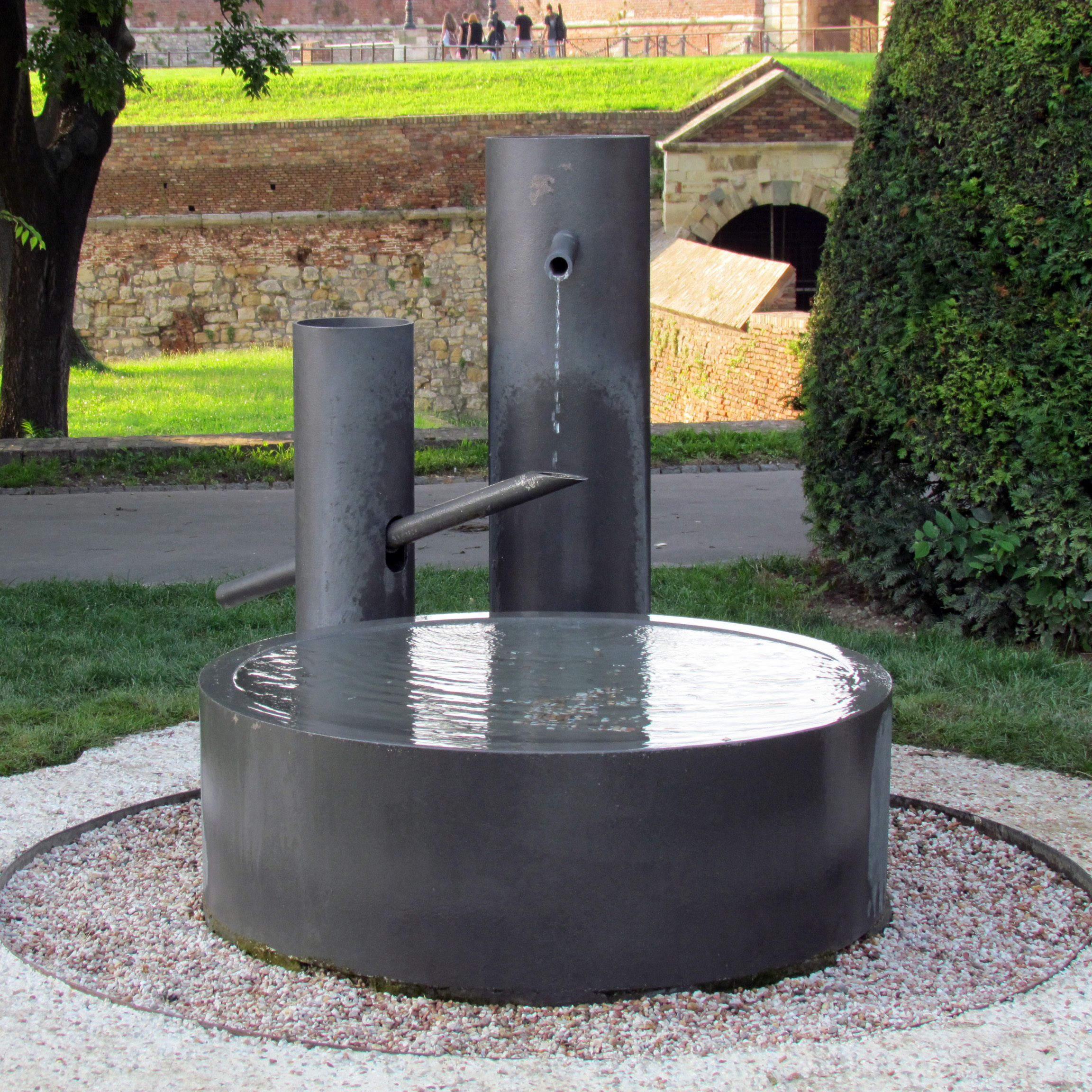
Arriving at Јапанска чесма, you’ll be greeted by a modest stone basin fed by a gentle water jet that creates a soothing, rhythmic sound. The fountain’s design is simple yet elegant—smooth stone surfaces, subtle carvings, and a clear pool that reflects the sky.
- Atmosphere: Expect a calm, relaxed vibe. Locals often sit on nearby benches, enjoying a cool drink or chatting with friends.
- Photography: The fountain’s reflective water makes it ideal for both wide‑angle shots of the surrounding square and close‑up details of the stonework.
- Accessibility: The area around the fountain is flat and paved, making it wheelchair‑friendly and easy to navigate with a stroller.
- Facilities: Public restrooms are located a short walk away in the town’s main square, and a few cafés line the streets, offering Serbian coffee and pastries.
Because the fountain is a public space, it stays open year‑round, free of charge. However, be respectful of local customs—avoid feeding wildlife and keep the area tidy.
6. Nearby Attractions
While you’re in the vicinity of Јапанска чесма, consider adding these nearby sights to your itinerary. All are within a 0.5 km radius, making them perfect for a relaxed walking tour.
| Attraction | Distance | Type | Quick Info |
|---|---|---|---|
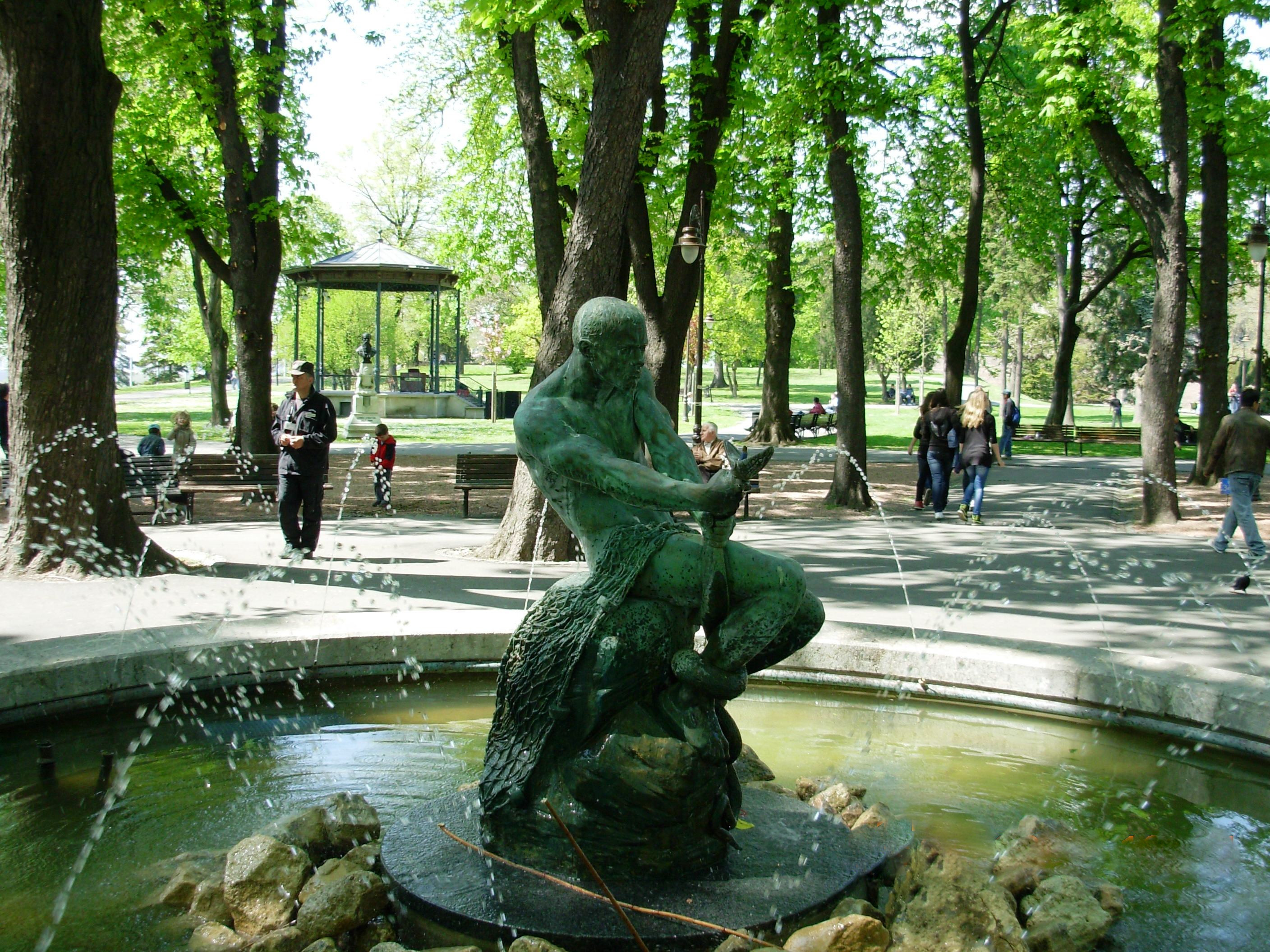
| Фонтана „Рибар” | 0.3 km | Fountain | A charming “Fisherman Fountain” featuring a bronze fish sculpture—great for a quick photo stop. |
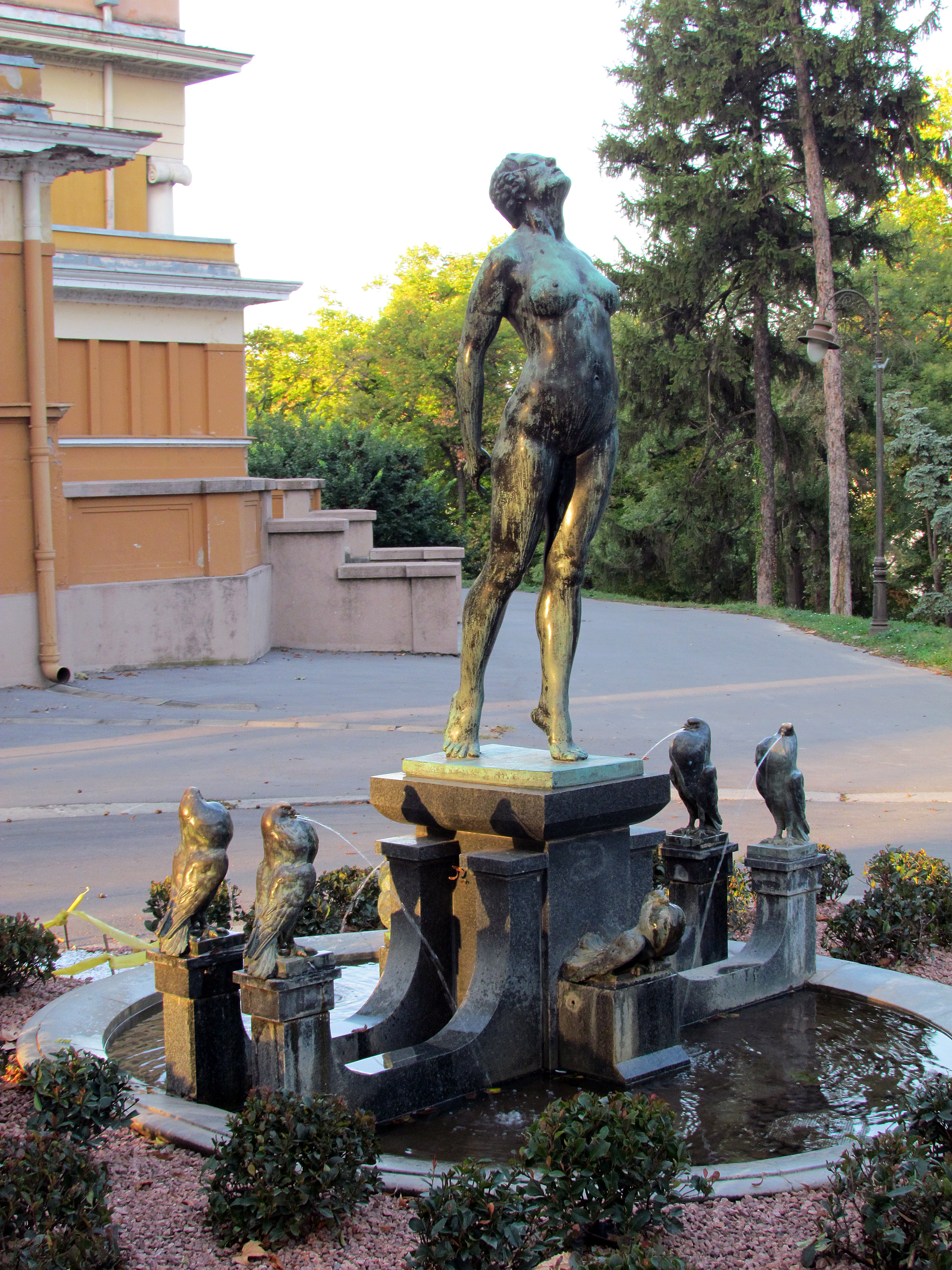
| Фонтана „Буђење” | 0.4 km | Fountain | Translating to “Awakening,” this fountain’s lively water display symbolizes renewal. |
| Local Spring | 0.4 km | Spring | A natural spring that supplies fresh water to the town; a quiet spot for a short rest. |
| Unnamed Fountain #1 | 0.5 km | Fountain | Small decorative fountain tucked behind a historic building—perfect for discovery. |
| Unnamed Fountain #2 | 0.5 km | Fountain | Another intimate water feature, often overlooked but worth a glimpse. |
For more details, you can explore each site on Google Maps using the coordinates or search terms provided.
7. Travel Tips
- Carry Cash: While many cafés accept cards, smaller shops and street vendors often prefer cash (dinars).
- Dress Comfortably: Stari Grad’s cobblestone streets can be uneven; wear sturdy shoes.
- Stay Hydrated: Serbian summers can be hot—bring a reusable water bottle.
- Respect Local Etiquette: Speak softly near the fountain; it’s a place of relaxation for residents.
- Timing: Arrive early on weekends to avoid crowds, especially if you plan to photograph the fountain in natural light.
- Local Cuisine: Don’t miss trying ćevapi or kajmak at a nearby konoba (traditional tavern).
- Connectivity: Mobile coverage is generally good in Central Serbia, but consider downloading offline maps of Stari Grad in case of spotty signal.
- Safety: The area around the fountain is well‑lit at night, but standard travel precautions apply—keep an eye on personal belongings.
Final Thought
The Јапанска чесма may not be a towering monument, but its quiet charm captures the essence of Central Serbia’s blend of history, community, and subtle global influences. Whether you’re mapping out a day trip from Belgrade, exploring the hidden corners of Stari Grad, or simply seeking a peaceful spot to unwind, this Japanese‑named fountain invites you to pause, listen to the water, and savor a moment of serenity in the heart of Serbia.
Pack your camera, follow the coordinates (44.822107 N, 20.448419 E), and let the gentle flow of Јапанска чесма guide you to a truly unique Serbian experience.