עין יבוק – The Hidden Spring Oasis in Ayn al Bayda, Palestine
Discover the crystal‑clear waters, serene surroundings, and a cluster of fellow springs just a short walk away.
1. Introduction
If you’re hunting for an off‑the‑beaten‑path natural wonder in the West Bank, look no further than עין יבוק (Ein Yibuk). Tucked in the rolling hills of Ayn al Bayda, this modest spring offers a refreshing pool with “גישה נוחה למים” – easy access to cool, clear water that feels like a secret oasis. Whether you’re a local day‑tripper, a backpacker exploring the historic landscapes of Palestine, or a photographer chasing hidden gems, Ein Yibuk promises a tranquil pause amid the rugged beauty of the region.
2. About עין יבוק
A Brief Description
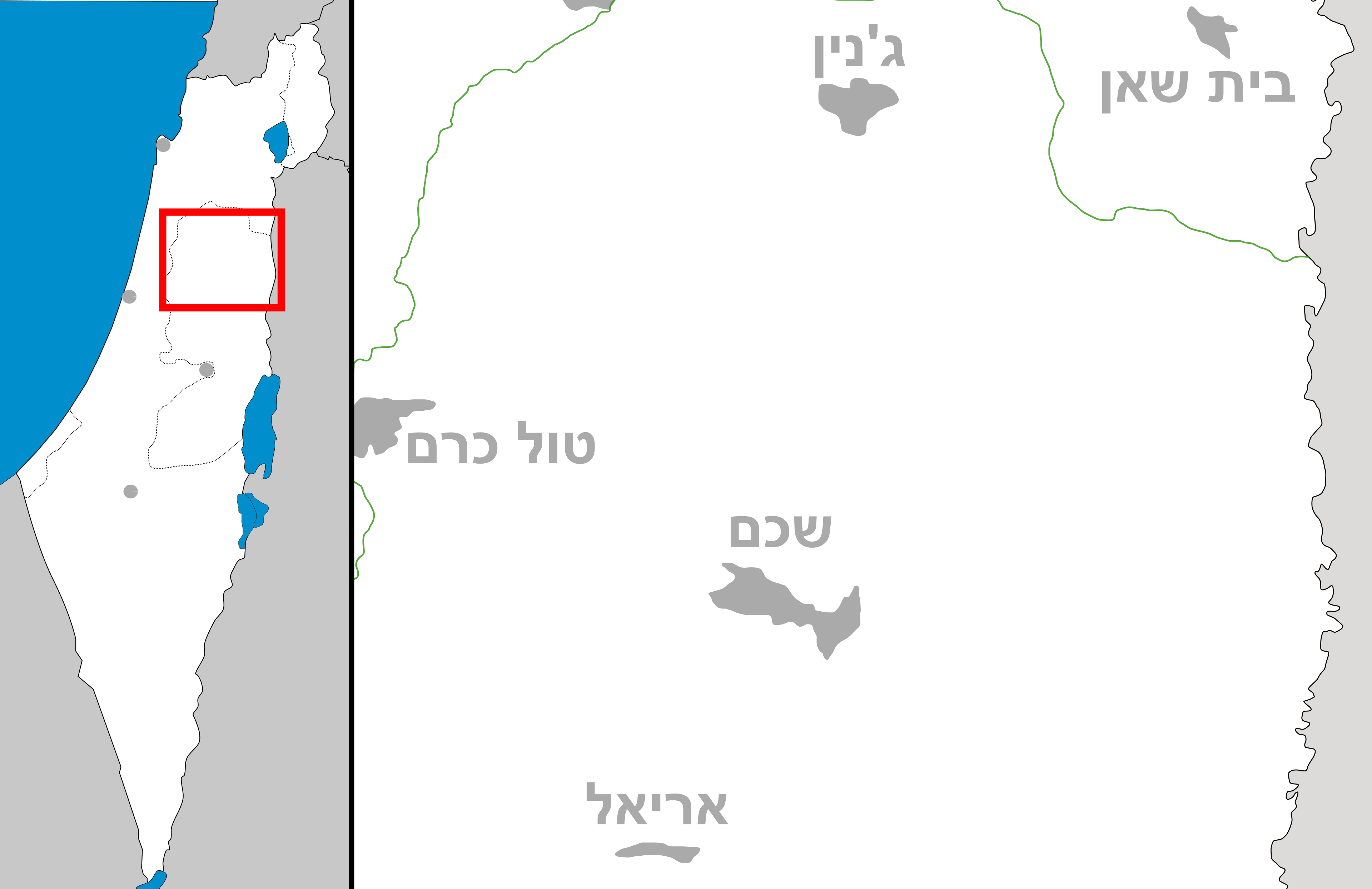
Ein Yibuk is a natural spring that forms a small, inviting pool. The water emerges from the limestone bedrock, creating a fresh, potable source that locals have relied on for generations. The spring’s exact height and altitude remain undocumented, adding to its mystique, but its coordinates (32.390403 N, 35.527397 E) place it squarely within the verdant foothills of the Ayn al Bayda area.
Historical & Cultural Significance
While scholarly records on Ein Yibuk are scarce, springs in this part of the West Bank have historically been vital for agriculture, livestock, and daily life. The name “עין” (Ein) itself means “spring” or “eye” in Hebrew and Arabic, underscoring the reverence locals have for these water sources. The nearby villages have traditionally gathered at such springs for communal washing, irrigation, and socializing, making each spring a living piece of Palestinian heritage.
Why It Matters
In a region where water is both a precious resource and a cultural symbol, Ein Yibuk stands as a reminder of the land’s natural bounty. Its easy‑to‑reach pool invites hikers and families alike to dip their feet, sip fresh water, or simply sit on a stone and soak in the surrounding silence. For eco‑tourists, the spring offers a low‑impact way to connect with the environment while supporting local awareness of water conservation.
3. How to Get There
By Car
- Start in Jerusalem – Take Route 1 (Highway 1) heading east toward the Jerusalem‑Ramallah corridor.
- Exit at Ramallah – Follow signs for Ayn al Bayda (also spelled Ain al‑Bayda).
- Turn onto Route 437 – This winding road climbs into the hills and passes several small villages.
- Follow the local signs for עין יבוק. The spring is marked by a small stone marker near the pool.
The drive from Jerusalem to Ayn al Bayda takes roughly 45–60 minutes (≈ 35 km), depending on traffic.
By Public Transport
- Bus 12 runs from Ramallah Central Bus Station to Ayn al Bayda.
- Get off at the Ayn al Bayda market stop; the spring is a 15‑minute walk northward along a dirt path (the trail is well‑trodden by locals).
On Foot or By Bike
If you’re already exploring the Ayn al Bayda area, the spring is reachable via a 2 km trail that weaves through olive groves and gentle slopes. The route is suitable for hikers of moderate fitness and for mountain bikers looking for a scenic detour.
4. Best Time to Visit
| Season | Conditions | Why Visit |
|---|---|---|
| Spring (March–May) | Mild temperatures (15‑22 °C), occasional rain revitalizes the water flow. | The surrounding hills burst into green, wildflowers dot the landscape, and the spring water is at its freshest. |
| Autumn (September–November) | Pleasant evenings, lower humidity, and clear skies. | The foliage turns golden, and the crowd level is low, giving you a peaceful experience. |
| Summer (June–August) | Hot days (30‑35 °C) but the spring remains a cool refuge. | Ideal for a quick dip; bring plenty of water and sun protection. |
| Winter (December–February) | Cooler, occasional showers; water level may rise slightly. | Photographers love the misty atmosphere, though some paths can be slick. |
Tip: Aim for early morning or late afternoon to avoid the midday sun, especially in summer.
5. What to Expect
- A Natural Pool: The spring forms a modest, shallow pool perfect for wading or a quick splash. The water is crystal clear, with a subtle mineral taste that signals its underground origin.
- Easy Access: As the Hebrew description notes, there is “גישה נוחה למים” – a convenient entry point. A short stone‑laid path leads down to the water’s edge, making it suitable for families with children.
- Scenic Surroundings: Olive trees, wild thyme, and occasional rock outcrops frame the pool. Birdsong (often sparrows and finches) fills the air, and you may spot a goat or two grazing nearby.
- Quiet Atmosphere: Unlike more tourist‑heavy sites, Ein Yibuk is relatively untouched. Expect a serene environment where you can read, meditate, or simply listen to the gentle trickle of water.
- Limited Facilities: There are no built‑in restrooms or cafés. Bring a small picnic, trash bags for waste, and a reusable water bottle.
6. Nearby Attractions
Ein Yibuk sits in a cluster of springs, each offering its own charm. Consider adding these to your itinerary:
| Spring | Distance from Ein Yibuk | Highlights |
|---|---|---|
| עין ירמוך (Ein Yarmokh) | 0.7 km | A slightly larger pool surrounded by basalt rocks. |
| עין ארנון (Ein Arnon) | 0.8 km | Known for its clear turquoise water and a small picnic area. |
| עין זרד (Ein Zarad) | 0.8 km | A secluded spring ideal for photography at sunrise. |
| עין גל (Ein Gal) | 0.9 km | Features a gentle waterfall that feeds a shallow basin. |
| עין אברהם (Ein Avraham) | 1.1 km | Historically linked to local folklore; a nice spot for a short hike. |
All of these springs are reachable on foot within 15‑20 minutes, making a “spring‑hopping” day trip both feasible and rewarding.
7. Travel Tips
- Pack Light, Pack Smart – Bring a small backpack with a water filter or purification tablets (even though the water is fresh, it’s wise to treat it if you plan to drink directly).
- Footwear – Sturdy walking shoes or hiking sandals with good grip are essential; the path can be rocky and occasionally slippery after rain.
- Respect the Environment – Take all trash with you. These springs are fragile ecosystems; avoid leaving food scraps that could attract wildlife.
- Safety First – The water depth is shallow, but children should always be supervised. If you’re swimming, keep an eye on the current, especially after heavy rain when water levels rise.
- Timing – Arrive early on weekends or holidays to enjoy the spring in relative solitude.
- Local Etiquette – When passing local farmers or shepherds, greet them with a friendly “שלום” (Shalom) or “مرحبا” (Marhaba). Respect any signs that indicate private property or seasonal restrictions.
- Photography – The best light is during the golden hour (just after sunrise or before sunset). Bring a polarizing filter to reduce glare on the water’s surface.
- Connectivity – Mobile reception can be spotty; download offline maps (Google Maps or Maps.me) before you set out.
Final Thought
Ein Yibuk may not have the fame of larger tourist sites, but its unpretentious charm, crystal‑clear waters, and proximity to a constellation of other springs make it a must‑visit for anyone traveling through Ayn al Bayda or seeking an authentic Palestinian nature experience. Pack a snack, lace up your boots, and let the gentle murmur of this hidden spring guide you into a moment of pure, refreshing tranquility.
Happy travels, and may the waters of Ein Yibuk renew your spirit!
