Discover עין יצחק – A Hidden Spring Oasis in the West Bank
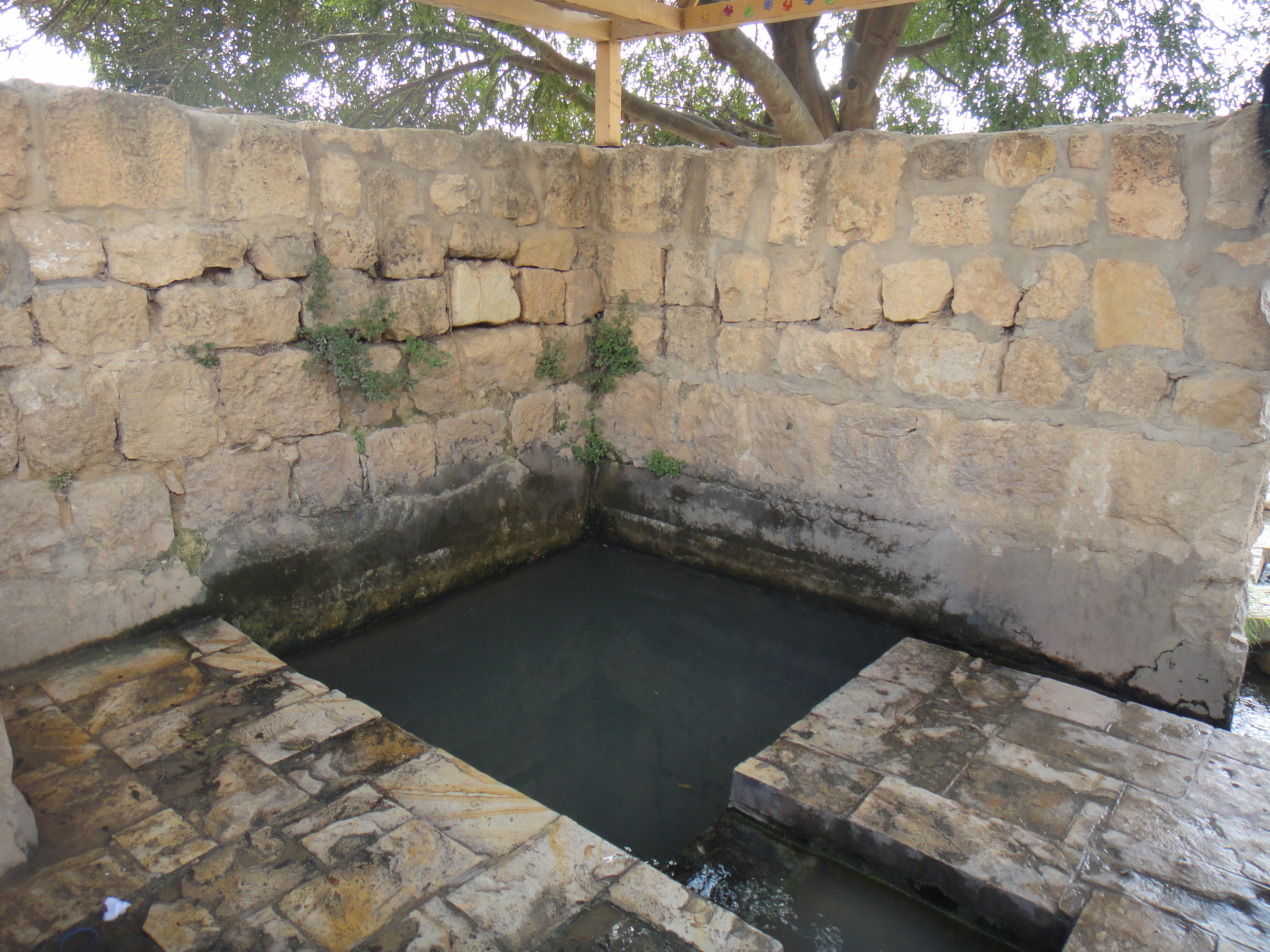
If you’re hunting for a refreshing dip off the beaten path, look no further than עין יצחק (Ein Yitzhak), a crystal‑clear spring tucked away near the village of Nahhalin in the West Bank. With its intimate 2 × 2 m pool, 80‑meter depth, and a shaded seating area, this secluded spot offers a perfect blend of natural beauty and quiet relaxation for adventurous travelers.
1. Introduction
Imagine stepping out of your car onto a sun‑dappled clearing, the sound of water gently bubbling from a natural spring, and a cool, inviting pool just a few steps away. That’s the experience awaiting you at עין יצחק, one of the West Bank’s lesser‑known water gems. While the region is famous for historic cities, olive groves, and archaeological sites, its network of natural springs remains a hidden treasure for hikers, families, and anyone craving a refreshing swim in a pristine setting.
Whether you’re planning a day trip from Jerusalem, a weekend road‑trip through the Judean hills, or a nature‑focused itinerary that includes nearby springs like עין חובלה and עין צורים, Ein Yitzhak should sit high on your list.
2. About עין יצחק
A Spring with a Story
עין יצחק (Ein Yitzhak) takes its name from Isaac Vinshtein, a figure remembered locally for his connection to the land. The spring’s modest basin measures roughly 2 × 2 meters, but what it lacks in surface area it makes up for in depth—about 80 meters of clear water plunges beneath the surface, creating a surprisingly cool plunge even on the hottest summer days.
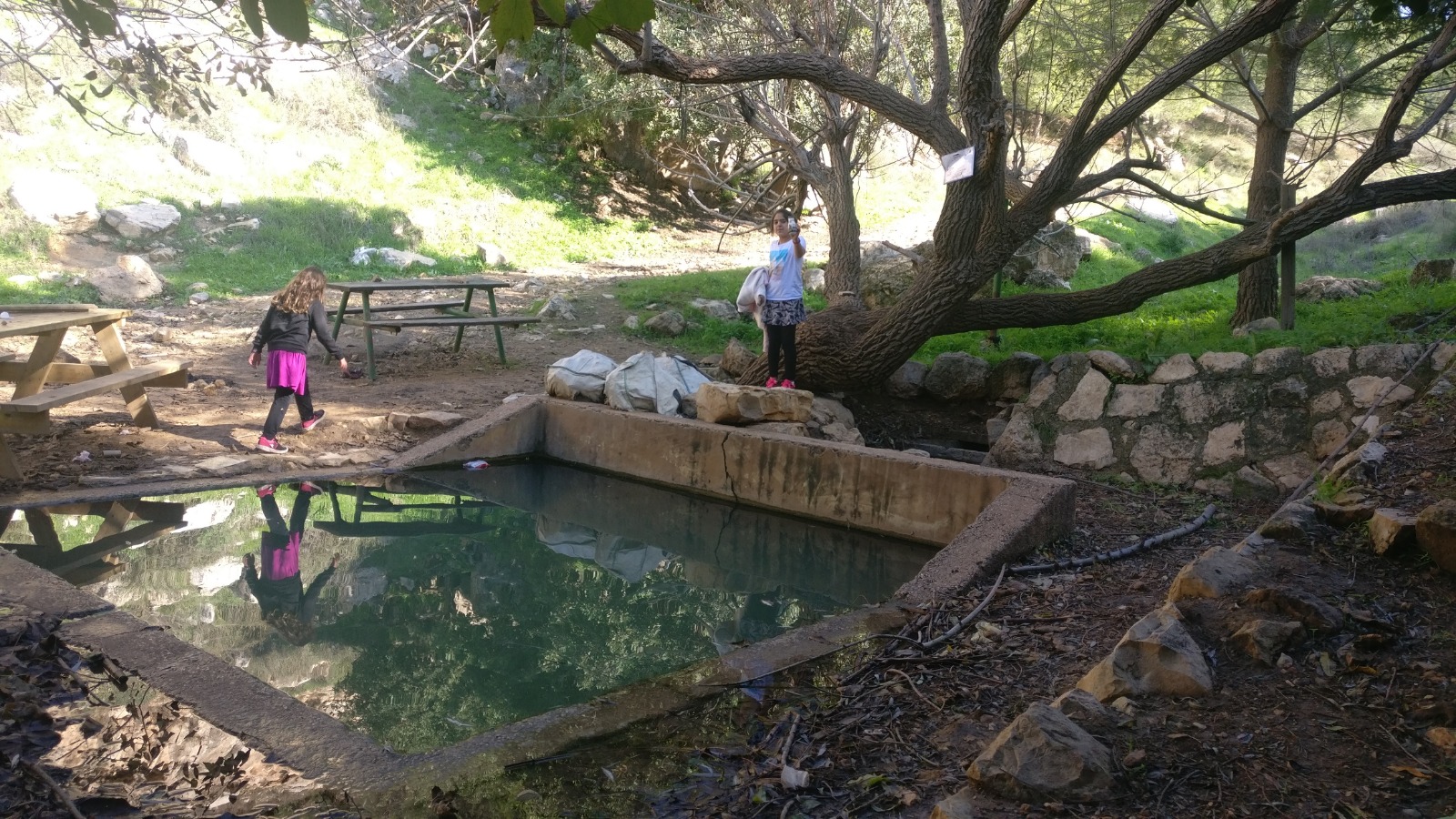
The site is equipped with a small seating area where visitors can rest, enjoy a snack, or simply soak up the tranquil atmosphere. While there are no formal changing rooms, the natural setting encourages a low‑impact, “bring‑your‑own‑gear” approach.
Why It Matters
In a region where water is both a precious resource and a cultural symbol, springs like עין יצחק hold ecological and social significance. They sustain local flora and fauna, support nearby agriculture, and serve as communal gathering points for residents. For travelers, the spring offers an authentic glimpse into everyday life in the West Bank, far from the usual tourist corridors.
3. How to Get There
From Jerusalem
- Start on Highway 1 heading east toward the Jerusalem‑Ramallah corridor.
- Take the exit for Route 443 (also known as the Jerusalem‑Tel Aviv highway) and continue toward Modi'in.
- After passing Modi'in, look for signs directing you to Nahhalin (approximately 30 km from the highway).
- Turn onto the local road that leads into the village; the spring is signposted a short distance after the village entrance.
From Ramallah
- Drive south on Route 60 toward Hebron.
- After about 15 km, take the turn‑off for Nahhalin on the right-hand side.
- Follow the village road for 2–3 km; the spring’s parking area appears on the left.
By Public Transport
- Bus: Egged and local Palestinian bus lines run from Jerusalem and Ramallah to Nahhalin. Disembark at the central stop and either walk (≈ 15 min) or catch a short taxi ride.
- Taxi/Shuttle: Shared taxis (known locally as “share‑taxis”) are a convenient option for groups. Ask the driver to drop you off at “Ein Yitzhak” or “the spring near Nahhalin.”
Parking & Access
A modest, unpaved parking lot sits near the entrance to the spring. Space is limited, especially on weekends, so arrive early if you plan to swim. The path from the lot to the water is a short, well‑trodden trail—no special equipment is required.
4. Best Time to Visit
| Season | What to Expect | Why It’s Ideal |
|---|---|---|
| Spring (March–May) | Mild temperatures (15‑22 °C), blooming wildflowers, occasional rain showers. | Perfect for hiking to the spring and enjoying a cool dip without the summer heat. |
| Early Summer (June–July) | Warm days (25‑30 °C) and clear skies. | The water stays refreshingly cool; low humidity makes swimming especially pleasant. |
| Late Summer (August) | Hotter temperatures (30‑35 °C). | If you can tolerate the heat, the spring’s depth provides a natural air‑conditioned oasis. |
| Autumn (September–November) | Comfortable temperatures, fewer crowds. | Ideal for a relaxed visit; the surrounding landscape displays golden hues. |
| Winter (December–February) | Cooler, occasional rain; water temperature drops. | Still accessible, but a waterproof jacket is advisable. Swimming is possible for the hardy. |
Peak visitor times are late spring and early summer, when families and local school groups often organize picnics. For a quieter experience, aim for weekday mornings or the shoulder months of April and October.
5. What to Expect
The Swim
The pool at עין יצחק is modest in surface area—just enough for a handful of swimmers at a time. Its 80‑meter depth creates a refreshing plunge that feels like a natural underground lake. The water is crystal clear, with a subtle mineral taste typical of West Bank springs. Because the basin is small, you’ll often find a sense of intimacy: you can hear the gentle splash of fellow swimmers and the occasional bird call from the surrounding shrubland.
Facilities
- Seating: A few wooden benches and a shaded pergola provide a place to rest, change, or enjoy a packed lunch.
- Restrooms: None on site. Visitors typically use facilities in nearby Nahhalin or bring portable options.
- Picnic Area: A grassy spot nearby is perfect for a family picnic. Remember to carry out all trash to keep the area pristine.
Scenery
Surrounded by olive trees, wild thyme, and low‑lying hills, the spring offers a quintessential West Bank landscape. In spring, the hillsides burst into color with anemones and crocus, creating a photographer’s dream backdrop.
6. Nearby Attractions
While עין יצחק is a highlight on its own, the region boasts a cluster of natural springs and cultural sites that can easily fill a day‑long itinerary.
| Attraction | Distance | What to See | Link |
|---|---|---|---|
| בריכת דובק (Dovek Spring) | 0 km (right next door) | A larger pool with a shallow beach area; ideal for families with kids. | Learn more |
| עין חובלה (Ein Hobla) | 0.5 km | A serene spring surrounded by pine groves; great for short hikes. | Learn more |
| עין מסלע (Ein Masla) | 1.1 km | Known for its limestone formations and clear water. | Learn more |
| עין צורים (Ein Tzurim) | 1.4 km | A spring with a small historic stone bridge; perfect for photo ops. | Learn more |
Pro tip: Pack a light backpack with water, snacks, and a reusable water bottle. You can hop between these springs on a leisurely walk or short drive, making for a refreshing “spring‑hopping” adventure.
7. Travel Tips
| Tip | Why It Matters |
|---|---|
| Bring Swim Gear | The spring has no changing rooms; a swimsuit, towel, and water shoes are essential. |
| Respect Local Customs | The area is frequented by local families; modest swimwear and polite behavior are appreciated. |
| Carry Cash | There are no vending machines; you may need to purchase snacks or pay for a small parking fee in nearby Nahhalin. |
| Stay Hydrated | Even though you’ll be swimming, the desert climate can be dehydrating. Bring plenty of water. |
| Leave No Trace | The spring’s ecosystem is delicate. Pack out all trash and avoid using soaps in the water. |
| Check Security Updates | While the West Bank is generally safe for tourists, stay informed about any travel advisories and be aware of checkpoint procedures if crossing from Israel. |
| Timing | Arrive early (before 10 am) during peak season to secure parking and avoid crowds. |
| Sun Protection | Shade is limited beyond the seating area; use sunscreen, hats, and sunglasses. |
| Photography | The spring’s clear water and surrounding flora make for stunning photos—bring a waterproof camera case if you plan to shoot from the water. |
Final Thought
עין יצחק may be small, but its charm is mighty. It offers a rare chance to dip into a natural spring, sit under the shade of ancient olive trees, and feel the pulse of West Bank life away from the usual tourist routes. Pair it with nearby springs, a scenic drive through Nahhalin, and a taste of local hospitality, and you’ve got a day‑long adventure that’s both refreshing and culturally enriching.
Pack your swim gear, map out the route, and let the cool waters of Ein Yitzhak welcome you into a hidden oasis that only a few travelers get to experience. Happy exploring!