עין איתמר – The Hidden Spring Jewel of the West Bank
If you’re hunting for a tranquil oasis tucked away in the rolling hills of the West Bank, look no further than עין איתמר (Ein Itamar). This crystal‑clear spring, also known as עין אל‑בלד or עין אורה, offers a refreshing dip, stunning natural scenery, and a slice of history that few travelers get to experience. Let’s dive into everything you need to know about this secret‑spot spring in Battir, Palestine.
1. Introduction
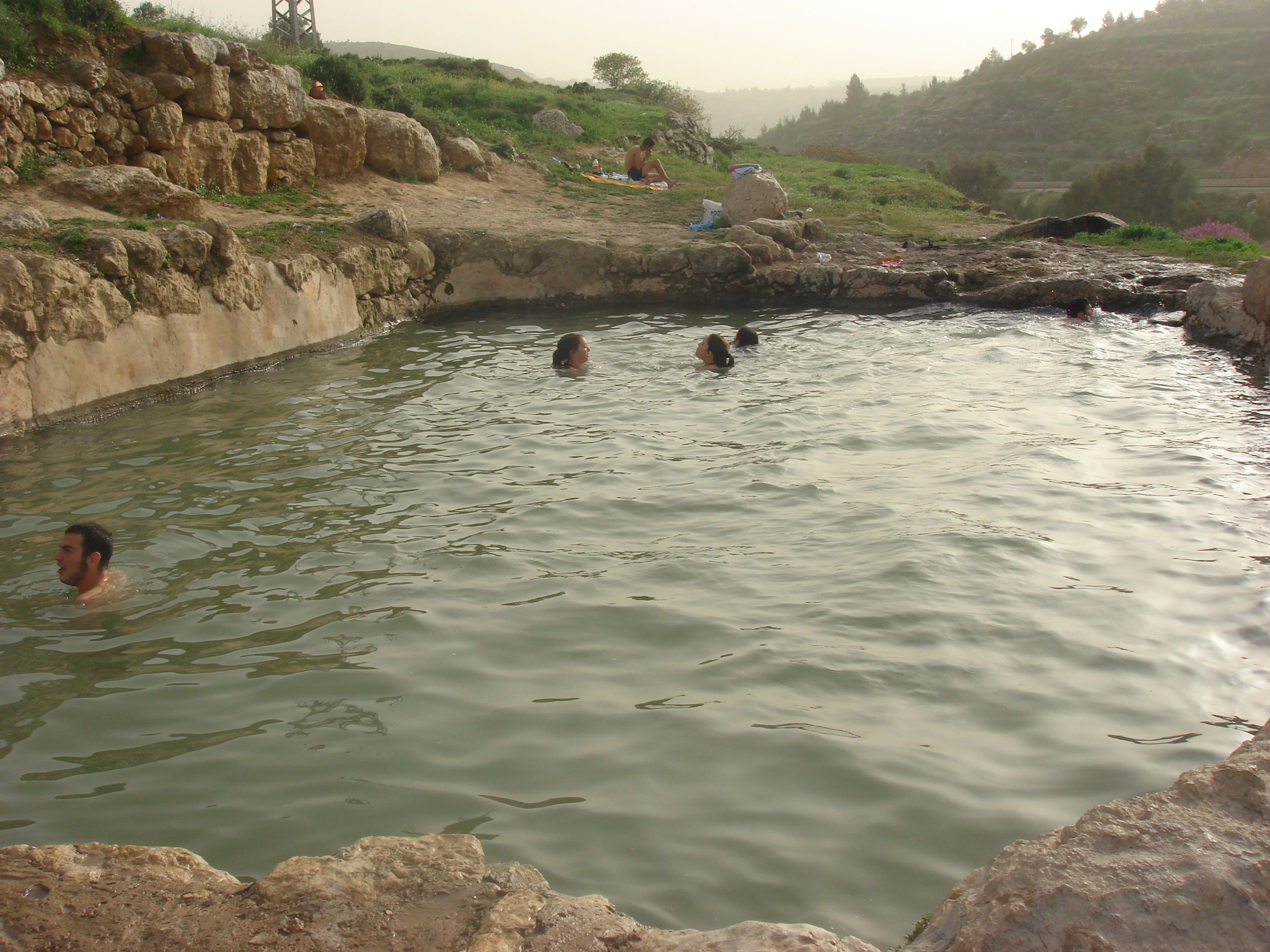
Imagine stepping off a narrow footpath into a secluded gorge where the sound of water gently bubbling over stone greets you. Sunlight filters through olive trees, casting shimmering patterns on a turquoise pool so clear you can see the riverbed’s pebbles like polished glass. That’s the first‑hand feeling of arriving at עין איתמר, a spring that feels like nature’s own hidden swimming pool.
Located just a short drive from Jerusalem, this spring is a perfect day‑trip for hikers, families, and anyone craving a peaceful escape from the city buzz. Its name may not appear on every mainstream travel guide, but that’s exactly why it feels like a discovery worth sharing.
2. About עין איתמר
A Brief Description
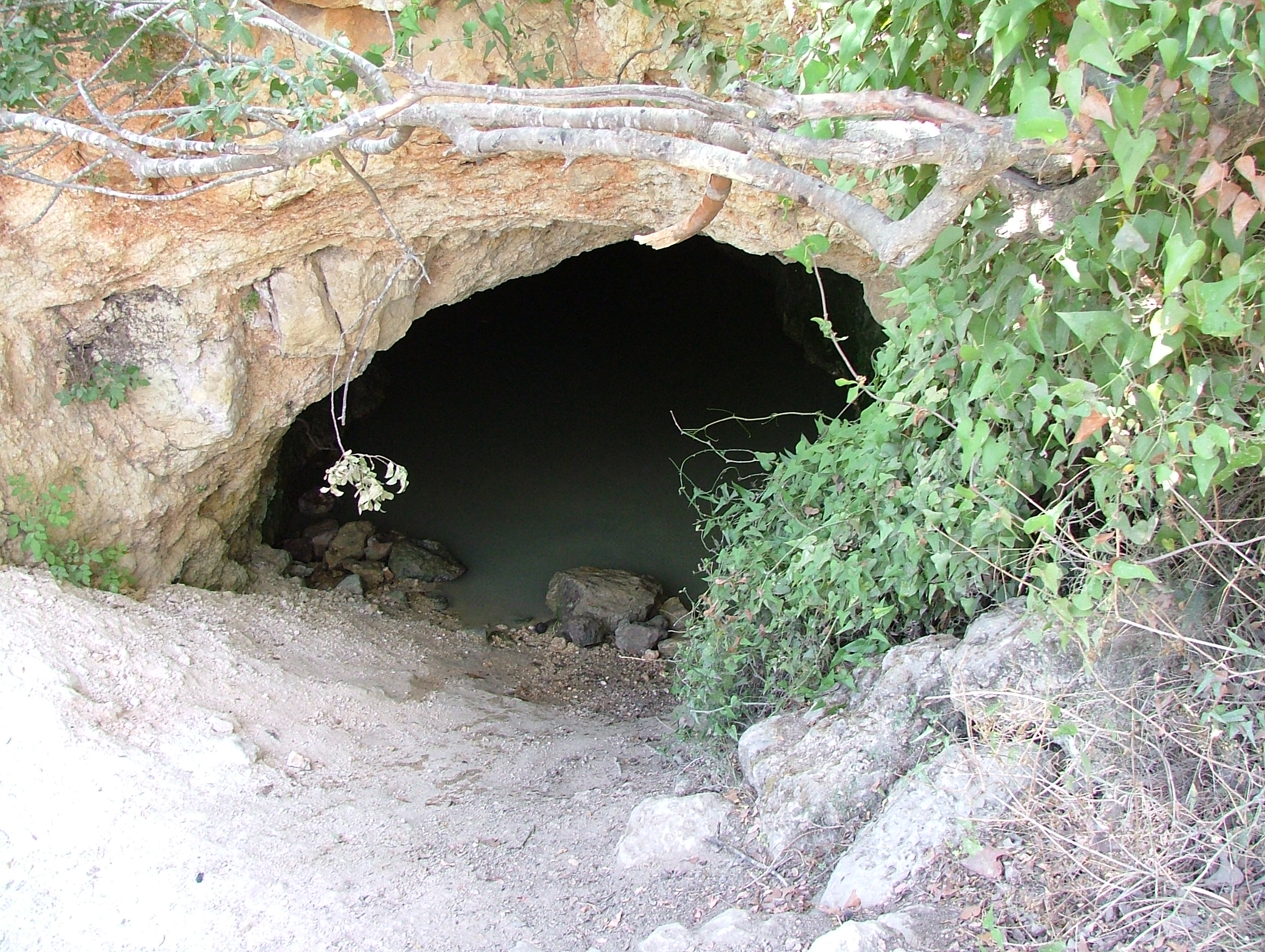
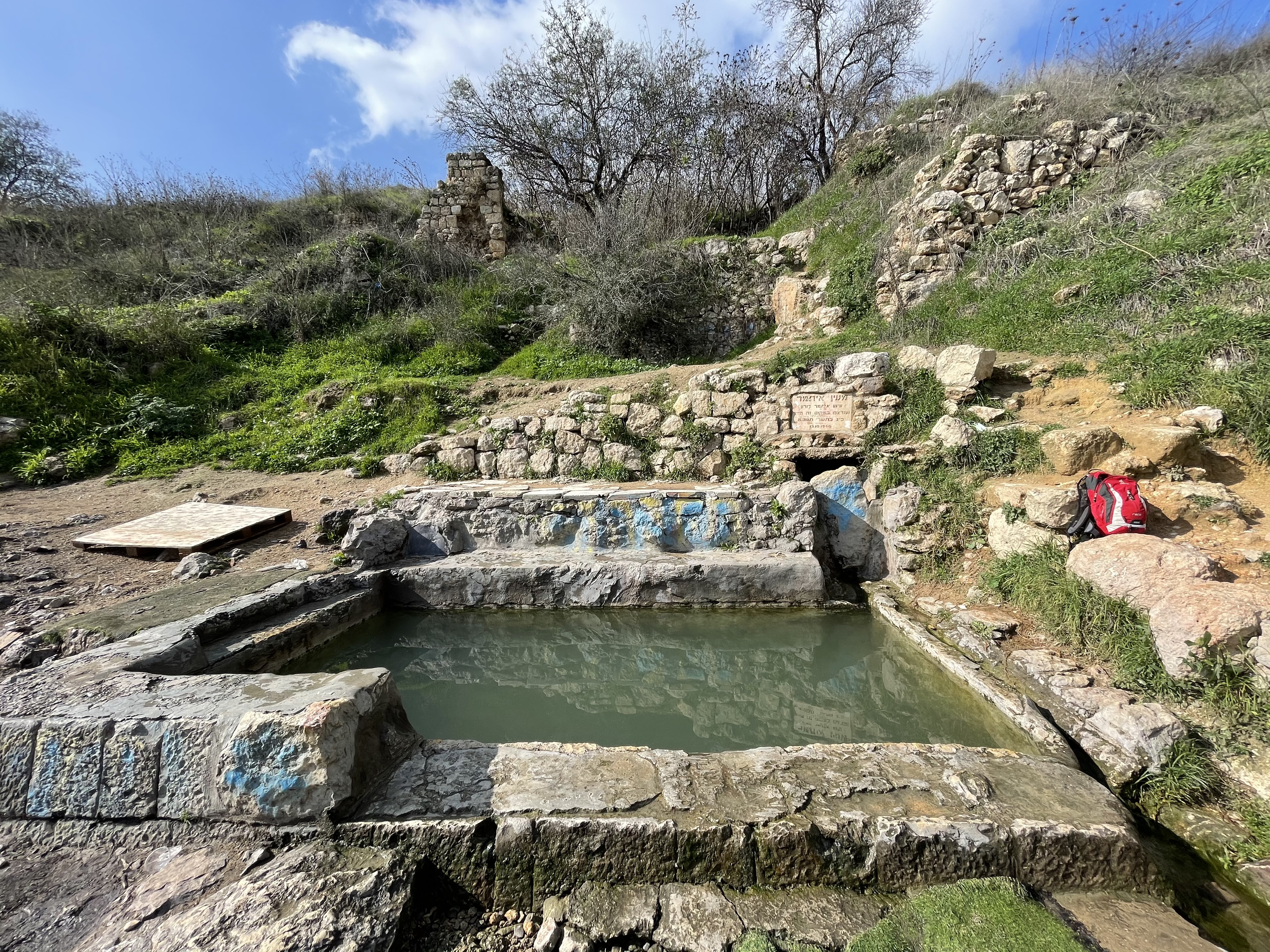
עין איתמר (Ein Itamar) is a natural spring that feeds a small, crystal‑clear pool nestled in a gorge that descends toward נחל רפאים (Nahal Rapa’im – “River of Ghosts”). The water emerges from a fissure in the limestone, creating a pristine basin that stays cool even on the hottest summer days.
The spring is also called עין אל‑בלד or עין אורה, reflecting local naming traditions that celebrate its bright, luminous water. While the exact height and altitude of the spring are not documented, its location at 31.740959, 35.146989 places it within the verdant landscape of Battier, a village famous for its centuries‑old terraced agriculture and UNESCO‑listed heritage.
Historical & Cultural Significance
The area around Battir has been cultivated for millennia, and the spring has historically supplied water to the village’s ancient irrigation terraces. Local residents consider the spring a communal gathering spot, especially during the hot months when families come to cool off and children splash in the pool.
Because the spring feeds into Nahal Rapa’im, it also plays a subtle role in the region’s ecological network, supporting native flora and fauna that thrive along the watercourse. For travelers interested in eco‑tourism, עין איתמר offers a glimpse into how natural water sources sustain both human and wildlife communities in the West Bank.
Further reading: עין איתמר on Hebrew Wikipedia
3. How to Get There
From Jerusalem
- Start in Jerusalem – Head east on Route 1 toward the Jerusalem–Ramallah corridor.
- Turn onto Route 437 – After passing the Mount of Olives viewpoint, follow signs for Bethlehem and then Battir.
- Enter Battir – The village entrance is marked by a small gate; you’ll see olive groves and stone houses lining the road.
- Follow the local road – Continue for about 2 km until you reach a small parking area near the spring’s trailhead.
Travel time: Approximately 30 minutes by car, depending on traffic at the Jerusalem–Bethlehem border crossing.
Public Transportation
- Jerusalem → Bethlehem Bus: Take the Egged bus #231 from the Jerusalem Central Bus Station to Bethlehem.
- Bethlehem → Battir Taxi: From Bethlehem’s central square, hire a shared taxi (known locally as a service). The ride to Battir takes about 15 minutes.
- Walking from Battir: The spring is a short 10‑minute walk from the village center. Follow the signs for “עין איתמר” or ask a local—most residents are happy to point you in the right direction.
Driving Tips
- Parking: There is a modest, free parking lot near the trailhead. Arrive early during peak summer weekends, as spaces fill quickly.
- Road conditions: The final stretch into Battir is a narrow, paved road with occasional potholes. A compact car or SUV works best.
- Border considerations: If you cross from Israel into the West Bank, carry your passport and be prepared for a brief checkpoint stop.
4. Best Time to Visit
| Season | Weather | Why It’s Ideal |
|---|---|---|
| Spring (March‑May) | Mild temperatures (15‑22 °C), occasional rain | The surrounding hills are carpeted with wildflowers, and the spring’s flow is at its strongest. |
| Autumn (September‑November) | Warm days, cool evenings (18‑25 °C) | Water remains refreshing, and the foliage turns golden, creating perfect photo opportunities. |
| Summer (June‑August) | Hot (30‑35 °C) | The pool offers a natural, cool refuge—just bring plenty of water and sunscreen. |
| Winter (December‑February) | Cooler (10‑15 °C) with occasional showers | The spring’s water level may be lower; some paths can be slippery, so wear sturdy shoes. |
Top recommendation: Visit in late spring (April–May) for optimal weather, vibrant vegetation, and a robust water flow that makes the pool especially inviting.
5. What to Expect
The Immediate Experience
- Crystal‑clear pool: The water is so transparent you’ll see the smooth river stones and tiny fish darting about.
- Shade and sunlight: Olive trees line the gorge, providing dappled shade. Sunlight streams through gaps, creating sparkling reflections on the water’s surface.
- Gentle sounds: The constant murmur of the spring blends with birdsong, making it a perfect spot for meditation or a quiet read.
Activities
- Swimming & wading: The pool’s temperature stays cool year‑round—ideal for a quick dip.
- Photography: Capture the contrast between turquoise water, rugged limestone, and lush greenery. Early morning light yields the most dramatic colors.
- Short hikes: Follow the trail downstream to Nahal Rapa’im for a brief walk along the riverbed, spotting native wildflowers and occasional wildlife.
Facilities
- Basic amenities: There are a few stone benches and a small picnic table near the entrance. No restrooms or cafés are present, so bring your own supplies.
- Safety: The pool’s depth varies from a few centimeters at the edges to about 1.5 m in the center. Children should be supervised, and swimmers should watch for slippery rocks.
6. Nearby Attractions
The Battir area is a treasure trove of natural springs and historic sites. While you’re exploring עין איתמר, consider adding these short‑walk destinations to your itinerary (all within a 1 km radius):
- עין טי״ש (Ein Tish) – 0.1 km away, a tiny spring that feeds a narrow creek.
- עין עוד מלבדו (Ein Od Milbadu) – 0.2 km away, known for its tranquil moss‑covered rocks.
- עין דלבה (Ein Dalva) – 0.3 km away, a spring with a small waterfall that creates a gentle mist.
- עין נעמה (Ein Na’ama) – 0.5 km away, a serene pool surrounded by ancient olive trees.
- עין סיף (Ein Sif) – 0.6 km away, a spring that feeds into a narrow gorge perfect for a short hike.
Each of these spots offers a slightly different atmosphere, allowing you to craft a mini “spring‑hopping” adventure that showcases the natural richness of the Battir landscape.
7. Travel Tips
| Tip | Details |
|---|---|
| Bring water & snacks | No cafés nearby. Pack enough drinking water, especially in summer, and a light snack or picnic. |
| Footwear | Sturdy, closed‑toe shoes with good grip are essential; the path can be slick near the water. |
| Sun protection | Sunscreen, a hat, and sunglasses are a must, even on cloudy days. |
| Respect the environment | The spring is a communal resource. Avoid littering, and use biodegradable soap if you plan to wash. |
| Check the political situation | While the area is generally safe for tourists, stay updated on travel advisories and respect local customs. |
| Timing | Arrive early (before 10 am) to avoid crowds and enjoy the cooler morning light for photography. |
| Cash | Small purchases (e.g., fruit from a local vendor) are usually cash‑only; bring some shekels. |
| Language | Arabic and Hebrew are the primary languages. A few basic phrases in Arabic (“Shukran” – thank you) go a long way. |
| Connectivity | Mobile signal can be spotty; download offline maps (Google Maps or Maps.me) before you go. |
Final Thought
Whether you’re a seasoned hiker, a photography enthusiast, or simply a traveler yearning for a quiet spot to unwind, עין איתמר delivers an authentic West Bank experience that feels both timeless and refreshingly off‑the‑beaten‑path. The combination of crystal water, surrounding olive groves, and the gentle hum of nature makes it a must‑visit for anyone exploring the Battir region.
Pack your camera, slip on those hiking boots, and let the spring’s clear waters welcome you into a hidden oasis you’ll remember long after you leave the hills of the West Bank.
Happy travels!