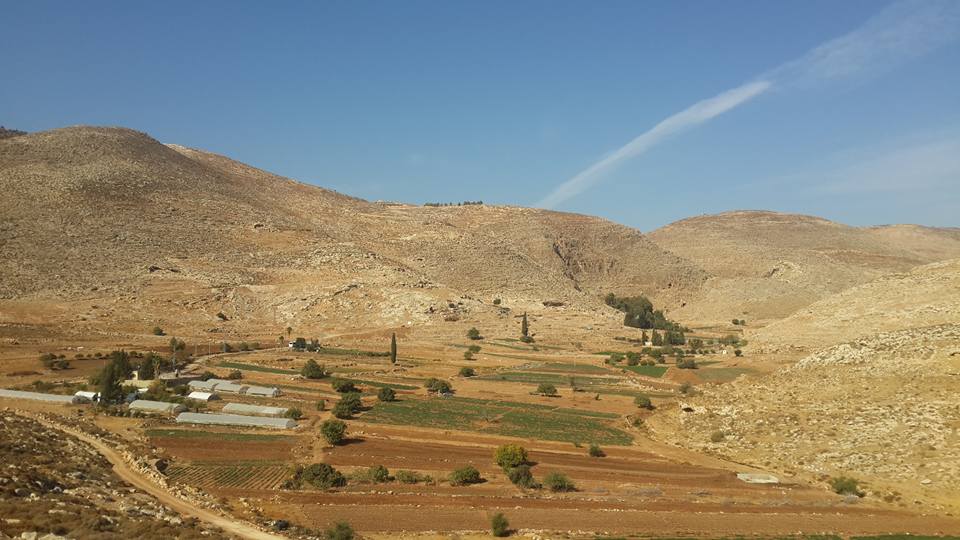
Discover עין סמיה – A Hidden Spring Oasis in the West Bank
If you’re wandering the rolling hills of the West Bank and crave a tranquil spot where crystal‑clear water bubbles from the earth, look no further than עין סמיה. Nestled near the historic village of Kafr Malik, this spring offers a refreshing pause for hikers, photographers, and anyone seeking a slice of natural serenity.
1. Introduction
Imagine stepping off a dusty trail and hearing the gentle murmur of water before you even see it. The scent of pine and wild thyme fills the air, and a cool mist kisses your face. This is the first‑hand experience that עין סמיה (Ein Samia) delivers to every traveler lucky enough to find it. Though it doesn’t appear on every mainstream guidebook, the spring has earned a quiet reputation among locals and adventure‑seekers for its pristine water, picturesque setting, and the sense of stepping back into an untouched landscape.
Whether you’re planning a day trip from Ramallah, a nature‑focused itinerary across the West Bank, or simply adding an off‑the‑beaten‑path gem to your Middle‑Eastern travel list, עין סמיה is a must‑visit destination that blends natural beauty with cultural resonance.
2. About עין סמיה
What Is It?
עין סמיה is a natural spring (עין) that emerges from the limestone formations that dominate the central West Bank. The water surfaces at the coordinates 31.990543, 35.331309, creating a small pool surrounded by native vegetation. While the exact altitude and height of the spring remain undocumented, its location near Kafr Malik places it within a region known for fertile valleys and historic trade routes.
Historical & Cultural Significance
Springs have always been vital to Palestinian life, serving as water sources for agriculture, livestock, and daily household use. In the Ottoman and British Mandate periods, many villages—including Kafr Malik—relied on nearby springs such as עין סמיה for irrigation of olive groves and vineyards. The name “סמיה” (Samia) is believed to be derived from an old family or a descriptive term used by locals, though the exact etymology is not recorded in public sources.
Today, the spring continues to be a communal gathering spot. Residents often stop by to fill water containers, share news, or simply enjoy the shade of the surrounding trees. For travelers, the spring offers a glimpse into the everyday rhythms of West Bank rural life, making it more than just a scenic stop—it’s a cultural touchstone.
3. How to Get There
By Car
- Start from Ramallah – Head east on Route 60 toward the town of Kafr Malik (approximately 20 km).
- Turn onto the local road that leads directly into the village. Signage for “Kafr Malik” is usually clear, but a GPS entry of 31.990543, 35.331309 will guide you straight to the spring.
- Park near the village entrance; there is a modest parking area used by locals. From there, a short walk (5–10 minutes) leads you to the spring’s clearing.
By Public Transport
- Bus: Egged and local minibusses run frequent services from Ramallah to Kafr Malik. Disembark at the main bus stop in the village and ask a resident for directions to “עין סמיה.”
- Shared Taxi (Sherut): These are a flexible option for travelers without a car. They typically depart from the Ramallah central station and can drop you off closer to the spring upon request.
On Foot or By Bike
For the adventurous, the trail from Kafr Malik to the spring is a gentle, well‑trodden path suitable for hiking or mountain biking. The route offers panoramic views of the surrounding hills and a chance to spot local wildlife such as sparrows, lizards, and occasional wild goats.
4. Best Time to Visit
| Season | Weather | Why Visit |
|---|---|---|
| Spring (March‑May) | Mild temperatures, occasional rain showers | The surrounding flora bursts into color, and the spring’s flow is at its fullest. |
| Summer (June‑August) | Warm to hot, low precipitation | Early mornings are pleasant; the water provides a natural cooling spot. |
| Autumn (September‑November) | Comfortable temperatures, golden foliage | Ideal for photography as the light softens and the landscape turns amber. |
| Winter (December‑February) | Cooler, occasional rain | The spring may be slightly less vigorous, but the atmosphere is tranquil and less crowded. |
Peak recommendation: Visit during late spring (April‑May) when the water is abundant, wildflowers carpet the hillsides, and the weather is perfect for outdoor exploration.
5. What to Expect
- Crystal‑Clear Water – The spring’s water is cool, clear, and tastes fresh—perfect for a quick sip or to fill a reusable bottle (always respect local customs and avoid contaminating the source).
- Scenic Setting – A modest pool surrounded by olive trees, wild thyme, and occasional pine. The natural stone basin creates a photogenic backdrop for Instagram‑ready shots.
- Quiet Ambience – Unlike more tourist‑heavy sites, עין סמיה retains a peaceful, almost meditative vibe. You’ll hear the gentle splash of water, birdsong, and the rustle of leaves.
- Local Interaction – Expect friendly greetings from villagers. Many locals are eager to share stories about the spring’s role in daily life.
- Limited Facilities – There are no formal restrooms or cafés at the spring. Bring water, snacks, and a portable toilet solution if needed.
6. Nearby Attractions
While you’re in the area, consider extending your adventure to these nearby natural wonders (all within a 7 km radius). Each spot offers its own unique charm and can be reached by a short drive or a pleasant hike.
| Attraction | Type | Distance from עין סמיה | Quick Link |
|---|---|---|---|
| מעיין הרועים | Spring | 0.5 km | Explore מעיין הרועים |
| מעיין הכרמים | Waterfall | 4.3 km | Visit מעיין הכרמים |
| עין רשאש | Spring | 6.8 km | Discover עין רשאש |
| עין דומא | Spring | 6.8 km | See עין דומא |
Tip: Pair עין סמיה with מעיין הרועים for a quick “spring‑hopping” loop—just a 10‑minute walk between the two water sources.
7. Travel Tips
- Respect Local Customs – The West Bank is a culturally rich region. Dress modestly (shoulders and knees covered) and ask permission before taking close‑up photos of residents.
- Stay Hydrated – While the spring offers fresh water, carry enough bottled water for the journey, especially during summer heat.
- Leave No Trace – Pack out all trash. The spring’s ecosystem is delicate; avoid leaving food scraps or plastic.
- Safety First – Roads can be narrow and winding. Drive cautiously, especially after rain when surfaces may be slick.
- Currency – The Israeli New Shekel (ILS) and Jordanian Dinar (JOD) are commonly accepted. Have small cash on hand for any local purchases.
- Language – Arabic is the primary language. Learning a few basic phrases (e.g., “Shukran” for thank you) goes a long way.
- Connectivity – Mobile coverage is generally good in Kafr Malik, but signal may be weak near the spring. Download offline maps beforehand.
- Timing – Arrive early in the morning to enjoy cooler temperatures and avoid any afternoon crowds that may gather for picnics.
Final Thought
עין סמיה may not have the fame of larger tourist sites, but that’s precisely its allure. It offers an authentic encounter with the West Bank’s natural splendor, a chance to sip water that has bubbled up for centuries, and an opportunity to share a quiet moment with the locals who cherish it. Add this hidden spring to your itinerary, and let the gentle flow of עין סמיה refresh both body and spirit on your next Palestinian adventure.
Happy travels, and may the water of עין סמיה inspire many more journeys!