עין ליבנה – A Hidden Spring Oasis in the West Bank
Discover the cool, shaded waters of עין ליבנה, a tranquil spring tucked away on the outskirts of Beit Ein in Nahhalin, West Bank.
Introduction
If you’re hunting for an off‑the‑beaten‑path nature escape in the West Bank, look no further than עין ליבנה (Ein Libna). This modest spring may not appear on the typical tourist maps, but its crystal‑clear, cool water and leafy canopy make it a perfect spot for a quiet picnic, a reflective pause, or a refreshing drink after a hike. Nestled at 31.663399 N, 35.096809 E, the spring offers a glimpse of the region’s natural heritage far from the bustling city streets of Jerusalem and Ramallah.
Whether you’re a local explorer, a backpacker tracing the “springs of the West Bank” trail, or a photographer chasing hidden water gems, עין ליבנה promises a serene experience that feels like a secret shared only with those who seek it.
About עין ליבנה
What Is It?
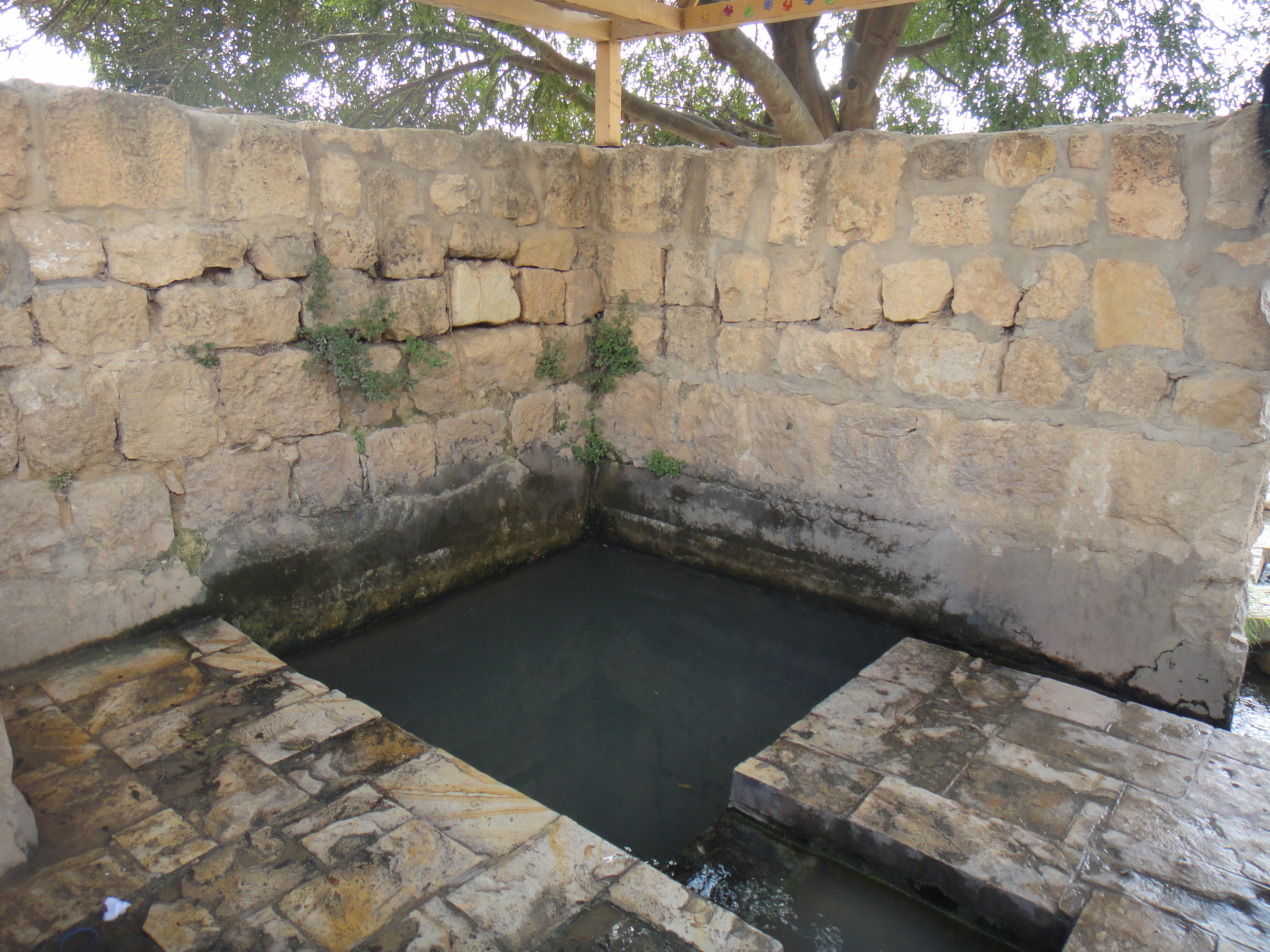
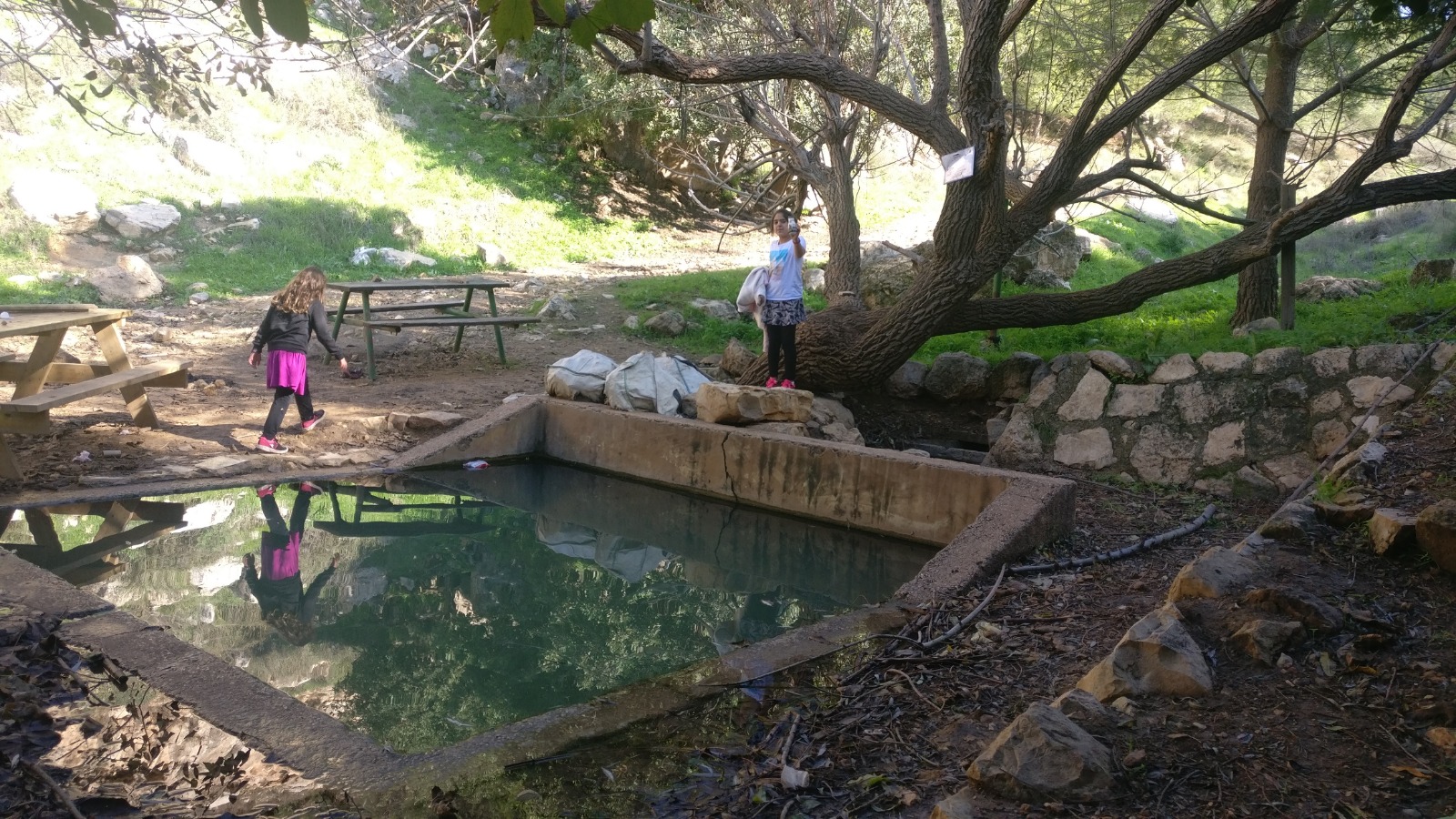
עין ליבנה is a natural spring (מעיין) that emerges on the fringe of the village Beit Ein (בֵּית עֵין). The water flows from a shaded limestone outcrop, creating a small pool that stays refreshingly cool even on the hottest summer days. The Hebrew description reads:
מעיין בפאתי בת עין מוצל ועם מים קרירים
— “A spring on the outskirts of Beit Ein, shaded and with cool water.”
Historical and Cultural Significance
Springs have always held a special place in Palestinian culture, serving as communal gathering points, sources of irrigation, and symbols of life in a semi‑arid landscape. While specific historical records for עין ליבנה are limited, its proximity to ancient agricultural terraces suggests that local families have relied on its water for generations.
The name “Libna” is believed to derive from the Arabic word “laban” (milk), possibly alluding to the milky‑white appearance of the water as it bubbles up from the limestone. The spring’s modest size kept it relatively untouched by large‑scale development, preserving its natural charm.
Why Visit?
- Pure, cool water – Ideal for a quick sip or a short dip on a warm day.
- Shaded oasis – A canopy of native trees and shrubs provides relief from the sun.
- Quiet solitude – Few visitors mean you can enjoy peace and contemplation.
- Gateway to other springs – It sits within a cluster of historic springs, making it perfect for a day‑long “spring‑hopping” adventure.
How to Get There
By Car
-
From Jerusalem – Take Highway 1 east toward the Jerusalem‑Ramallah corridor. Merge onto Route 60 northbound, pass through Ramallah, and continue toward Nahhalin. Look for signs to Beit Ein; the spring is located just outside the village, on the side of the road opposite the main entrance.
-
From Ramallah – Head east on Route 60 toward Nahhalin. After about 7 km, turn left onto the local road that leads to Beit Ein. The spring is a short walk (≈300 m) from the village road, marked by a small stone wall and a wooden sign.
-
From Nablus – Drive south on Highway 57, then join Route 60 heading east. After crossing the Ariel Tunnel (if you prefer the faster route), follow the same directions as above from Ramallah.
By Public Transport
- Bus – Egged and local Arab bus lines run regular services between Jerusalem and Ramallah. Disembark at the Ramallah central station, then catch a minibus (shared taxi) heading to Nahhalin/Beit Ein. The driver will usually stop near the spring upon request.
- Taxi – Private taxis are readily available in Ramallah and Jerusalem. A round‑trip fare to עין ליבנה typically ranges from 30–45 ₪ (depending on the starting point).
GPS Navigation
Enter the coordinates 31.663399, 35.096809 into any GPS app (Google Maps, Waze, or a dedicated hiking GPS). The pin drops right at the spring’s edge, guiding you straight to the shaded pool.
Best Time to Visit
| Season | Weather | Why It’s Ideal |
|---|---|---|
| Spring (March‑May) | Mild temperatures, occasional rain | Fresh foliage, blooming wildflowers, water flow at its peak. |
| Autumn (September‑November) | Warm days, cool evenings | Comfortable hiking weather, fewer tourists, crisp air. |
| Winter (December‑February) | Cooler, occasional showers | The spring’s water is fullest, but the canopy may be damp. |
| Summer (June‑August) | Hot, dry | The spring’s cool water provides a welcome respite, but bring plenty of sun protection. |
Tip: Early morning (sunrise to 10 am) offers the softest light for photography and the least crowd.
What to Expect
The Setting
Approaching עין ליבנה, you’ll notice a narrow, winding path lined with olive trees and wild thyme. The spring itself is a shallow basin, about 2–3 m across, fed by a steady trickle that bubbles from a limestone crack. A modest stone wall encircles the pool, and a wooden bench sits nearby for resting.
Sensory Experience
- Sight – The water’s turquoise hue reflects the canopy above, while the surrounding hills provide a gentle backdrop.
- Sound – A soft, continuous gurgle blends with the rustle of leaves and occasional bird calls.
- Touch – The water feels crisp and cool, perfect for a quick splash on a hot day.
- Smell – Earthy aromas of damp stone and fresh vegetation fill the air.
Activities
- Picnicking – Pack a light lunch; the shaded area is ideal for a relaxed meal.
- Photography – Capture long‑exposure shots of the water or macro images of the surrounding flora.
- Short Hikes – Follow the informal trail that links עין ליבנה to neighboring springs (see below).
- Meditation/Yoga – The tranquil atmosphere makes it a favorite spot for quiet reflection.
Nearby Attractions
עין ליבנה sits within a 1.7 km radius of several other historic springs, creating an excellent “spring‑tour” itinerary.
| Attraction | Distance | Quick Note | Link |
|---|---|---|---|
| עין חובלה (Ein Hobla) | 1.1 km | A larger spring with a small picnic area. | Wikipedia – עין חובלה |
| עין יצחק (Ein Yitzhak) | 1.6 km | Known for its clear water and historic stone troughs. | Wikipedia – עין יצחק |
| בריכת דובק (Dovek Pool) | 1.6 km | A small man‑made pool fed by a nearby spring, popular with families. | Wikipedia – בריכת דובק |
| עין מסלע (Ein Masla) | 1.7 km | A rocky spring where water seeps through fissures in the stone. | Wikipedia – עין מסלע |
| (Unnamed spring) | 1.7 km | A lesser‑known water source, perfect for adventurous hikers. | No dedicated page |
Suggested Spring‑Hopping Route:
Start at עין ליבנה, walk north to עין חובלה (10 min), continue east to עין יצחק (15 min), then loop south to בריכת דובק and finish at עין מסלע. The entire circuit takes roughly 2 hours at a leisurely pace, with plenty of time for photos and water breaks.
Travel Tips
- Bring Cash: Some nearby villages have small kiosks that accept only cash (₪ or ILS).
- Dress Modestly: Respect local customs; modest clothing (shoulders covered, knees below the knee) is appreciated, especially when passing through villages.
- Stay Hydrated: While the spring water is clean, carry extra bottled water for longer hikes.
- Footwear: Wear sturdy walking shoes; the path can be rocky and uneven near the spring outlets.
- Leave No Trace: Pack out any trash, and avoid disturbing the natural vegetation.
- Safety: The area is generally safe, but stay aware of road traffic when crossing rural roads.
- Language: Arabic is the primary language; basic Hebrew and English are understood in most tourist‑friendly spots.
- Timing: Early mornings are quieter; late afternoons can become busy with locals fetching water.
Final Thought
עין ליבנה may be a modest spring, but its cool waters, shaded oasis, and proximity to a cluster of historic springs make it a must‑visit for anyone exploring the natural side of the West Bank. Pack a snack, bring your camera, and let this hidden gem refresh both body and spirit.
Happy spring‑hopping!