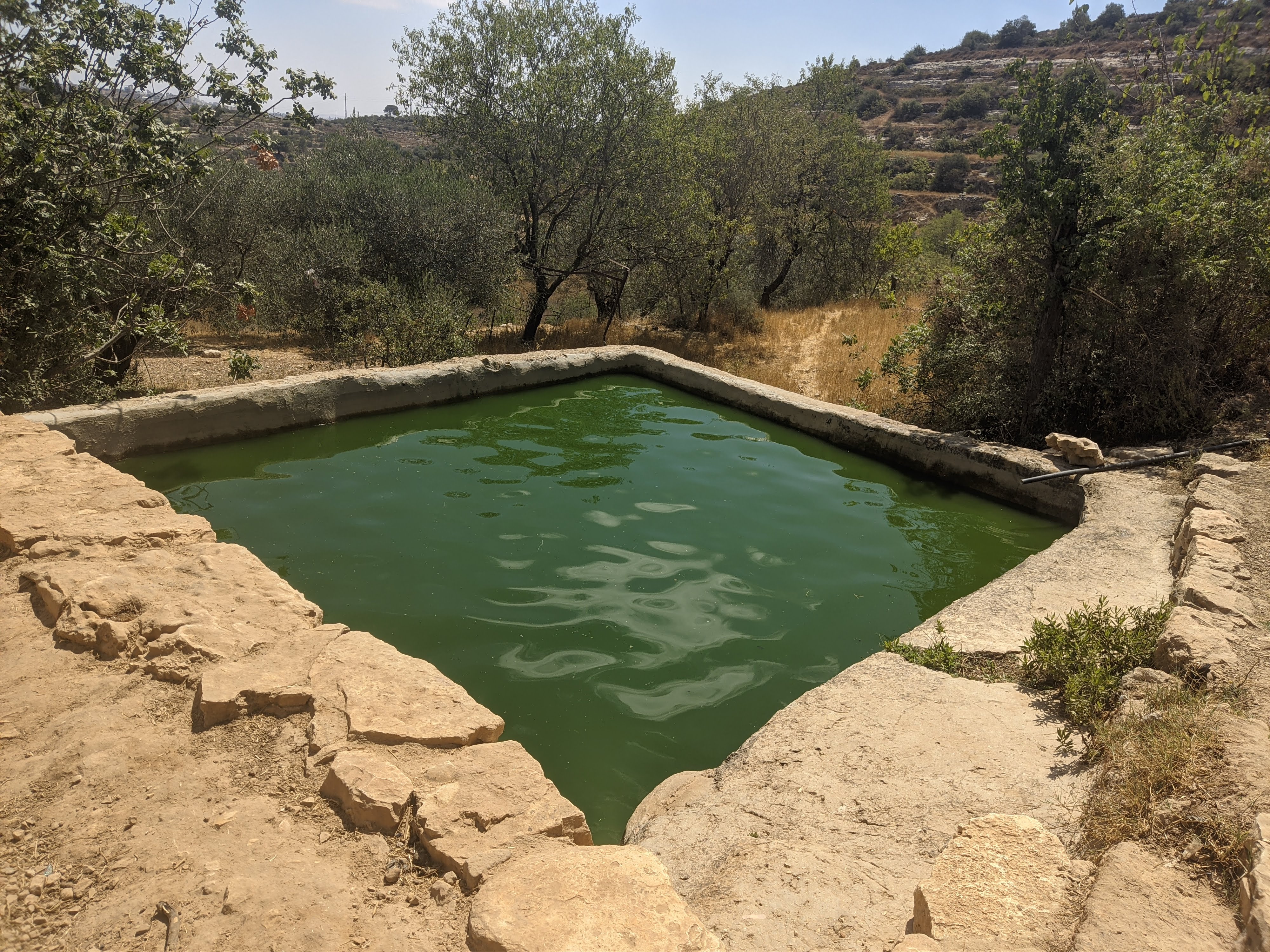
עין אל קסיס – The Hidden Spring Oasis of the West Bank
Discover the tranquil beauty of a two‑pool spring tucked away in Al Khadir, West Bank, and learn how to make the most of this off‑the‑beaten‑path destination.
1. Introduction
Imagine stepping off a dusty road into a cool, shaded enclave where crystal‑clear water laps gently against stone. The air smells faintly of earth and wild thyme, and the only sounds are the soft splash of water and the distant call of a lark. This is עין אל קסיס (Ein Al‑Kasis), a small but striking natural spring that feels like a secret garden in the heart of the West Bank.
Travelers who chase hidden gems know that the most memorable moments often happen away from crowded tourist hubs. Whether you’re a local explorer, a pilgrim on a cultural route, or an international visitor seeking authentic Palestinian landscapes, עין אל קסיס offers a peaceful retreat that’s easy to miss—unless you read this guide.
2. About עין אל קסיס
What is it?
- Type: Natural spring (מעיין)
- Location: Al Khadir, West Bank, Palestine (coordinates 31.690094, 35.148014)
- Features: Two adjacent pools – a deeper lower basin and a shallow upper basin about one metre deep.
- Facilities: A few benches and scattered shade from native trees, perfect for a brief rest or a picnic.
The spring’s name, עין אל קסיס, translates roughly to “the eye of the hidden water,” hinting at its modest yet captivating presence. While the exact altitude and historic water flow rates remain undocumented, locals have long used the spring as a communal gathering spot, especially during the hot summer months when the surrounding terrain can become arid.
Historical and Cultural Significance
Spring sites (עיינות) have been vital to Palestinian life for centuries, providing fresh water for agriculture, livestock, and daily consumption. Though there is no extensive written record about עין אל קסיס, its proximity to other historic springs—such as עין בגרות and עין טאו—suggests it formed part of a traditional water network that sustained nearby villages.
In many Palestinian narratives, springs symbolize life, renewal, and hospitality. Visitors often hear stories of families sharing fresh water with travelers, a practice that continues informally today. The simple stone benches and modest shade structures reflect a community‑focused design rather than commercial tourism, preserving the spring’s authentic character.
3. How to Get There
From Major Cities
| Starting Point | Approx. Distance | Recommended Transport |
|---|---|---|
| Ramallah | ~15 km north‑west | Taxi or rented car via Route 60 |
| Jerusalem | ~30 km east‑south | Private car or organized day‑tour (crossing checkpoints) |
| Nablus | ~25 km west | Taxi or shared minibus (service to Al Khadir) |
Tip: The most reliable way to reach עין אל קסיס is by car. Public minibusses run irregularly, and checkpoint procedures can cause delays. If you’re traveling from Jerusalem, be prepared for a short wait at the Allenby/King Hussein crossing; keep your passport and any required permits handy.
Driving Directions
- Head south on Route 60 from Ramallah toward Al Khadir.
- Turn right onto Road 112 (signs for Al Khadir/Ein Al‑Kasis).
- After about 3 km, you’ll see a small, unpaved turnoff marked by a stone cairn—this is the spring access road.
- Follow the gravel path for roughly 500 m; the entrance to the spring area is signposted in Arabic and Hebrew.
The final stretch is a modest dirt track; a vehicle with good clearance (e.g., a compact SUV) handles it easily. Parking is available in a cleared area near the benches.
Public Transport (If You Prefer)
- From Ramallah: Catch a local minibus to Al Khadir (usually departs from the central bus station). Ask the driver to drop you off near the “spring” stop.
- From Nablus: Shared taxis heading toward Hebron often pass through Al Khadir; request a brief stop.
Because schedules can shift, it’s wise to confirm times the day before your visit.
4. Best Time to Visit
| Season | Weather | Why It’s Ideal |
|---|---|---|
| Spring (March‑May) | Mild temperatures (15‑22 °C), occasional rain | Water levels are typically higher; surrounding wildflowers add color. |
| Autumn (September‑November) | Comfortable evenings, cooler days | The spring remains refreshing after the hot summer, and crowds are minimal. |
| Summer (June‑August) | Hot (30‑35 °C) | The deep lower pool offers a natural cool‑down, but bring sun protection. |
| Winter (December‑February) | Cooler, occasional rain | The upper shallow pool may be less inviting; some paths can be muddy. |
Peak recommendation: Late March to early May. During this window, the spring’s water is abundant, the surrounding vegetation is lush, and the temperature is perfect for a leisurely sit‑by‑the‑water.
5. What to Expect
When you arrive at עין אל קסיס, the first thing you’ll notice is the two distinct pools:
- Lower Basin: A deeper, tranquil pool where the water appears almost sapphire. It’s ideal for a quick dip, especially on a scorching summer day.
- Upper Basin: A shallow pool roughly one metre deep, perfect for kids or anyone who prefers to wade rather than swim.
The area is sparsely developed—just a handful of wooden benches and a few shade trees (often oleander or native almond). This minimal infrastructure means you can enjoy a peaceful, almost meditative atmosphere without the buzz of cafés or souvenir stalls.
You’ll also hear the gentle murmur of water flowing over stone, a sound that blends seamlessly with the occasional rustle of leaves. If you’re lucky, you might spot local wildlife—small birds, butterflies, and perhaps a lizard sunning itself on a rock.
Because the spring is a community spot, you may encounter families picnicking, elderly men chatting over tea, or children splashing in the upper pool. Respect the local customs: keep noise to a moderate level, avoid littering, and be mindful of personal space.
6. Nearby Attractions
Exploring the region around עין אל קסיס reveals a cluster of other natural springs, each with its own charm. All are within a short drive, making a day‑trip itinerary easy to assemble.
| Attraction | Distance from עין אל קסיס | Highlights | Link |
|---|---|---|---|
| עין בגרות (Ein Bagrut) | 0.4 km | Small spring with a stone basin; popular for local picnics. | Wikipedia |
| עין טאו (Ein Taw) | 0.8 km | Slightly larger pool surrounded by olive trees. | Wikipedia |
| (Unnamed spring) | 1.0 km | A hidden spring known only to locals; great for a quiet stop. | — |
| עין עיטן (Ein Itan) | 2.3 km | Features a series of cascading rock steps leading to the water. | Wikipedia |
| עין אל קוסייר (Ein Al‑Kusair) | 2.4 km | A larger spring with a historic stone wall built in the Ottoman era. | Wikipedia |
Suggested Mini‑Itinerary:
- Start at עין אל קסיס – enjoy a morning dip and coffee on the benches.
- Walk or drive 5 minutes to עין בגרות – have a light snack and watch locals play.
- Continue to עין טאו – relax under olive trees and take photos of the reflective pool.
- End the day at עין אל קוסייר – explore the historic wall and capture sunset reflections.
All these spots are within a 10‑minute drive of each other, so you can easily hop between them by car or even on foot if you’re feeling adventurous.
7. Travel Tips
| Tip | Details |
|---|---|
| Bring Cash | No vending machines or cafés at the spring; you’ll need cash for snacks or to tip local guides. |
| Footwear | Sturdy sandals or walking shoes are best—some paths are rocky and slippery near the lower pool. |
| Water & Snacks | While the spring provides fresh water, it’s not filtered for drinking. Bring bottled water and a light snack. |
| Respect Local Customs | Modest clothing is appreciated, especially if you encounter families. Avoid loud music. |
| Photography | The spring is photogenic at sunrise and late afternoon. A wide‑angle lens captures both pools in one frame. |
| Safety | The lower basin can be deep; supervise children and avoid diving. |
| Parking | A small gravel lot is available; arrive early on weekends to secure a spot. |
| Language | Arabic is the primary language; basic Hebrew signs are also common. Learning a few greetings (“Marhaba”, “Shalom”) goes a long way. |
| Checkpoints | If you’re crossing from Israel into the West Bank, verify the latest crossing regulations and have your ID ready. |
| Leave No Trace | Pack out any trash; the spring’s natural beauty depends on community stewardship. |
Bottom Line
עין אל קסיס may not appear on mainstream travel brochures, but its simple elegance, refreshing waters, and serene setting make it a must‑visit for anyone exploring the West Bank’s natural heritage. By arriving prepared, respecting the local environment, and taking the time to wander among the neighboring springs, you’ll experience a slice of Palestinian life that feels both timeless and genuinely welcoming.
Pack your camera, slip on comfortable shoes, and let the gentle ripple of עין אל קסיס guide you to a moment of calm in a region full of history and heart. Safe travels!