עין חניה (Ein Hania) – A Hidden Spring Oasis in Battir, West Bank
Discover the tranquil waters that flow from an ancient church, the crystal‑clear pool that beckons travelers, and the rich cultural tapestry that makes this spring a must‑see destination in the West Bank.
1. Introduction
If you’ve ever trekked the rolling hills of the West Bank, you know that the landscape is dotted with natural springs that have sustained communities for centuries. Among them, עין חניה (Ein Hania) stands out—not just for its refreshing water, but for the story that bubbles up from its very source. Emerging from the walls of a centuries‑old church, the spring feeds a deep, emerald pool that feels like a secret garden hidden away from the bustle of nearby towns. Whether you’re a seasoned backpacker, a history buff, or simply someone looking for a cool spot to dip your feet, Ein Hania offers a rare blend of nature, heritage, and peaceful solitude.
2. About עין חניה
A Spring with a Sacred Past
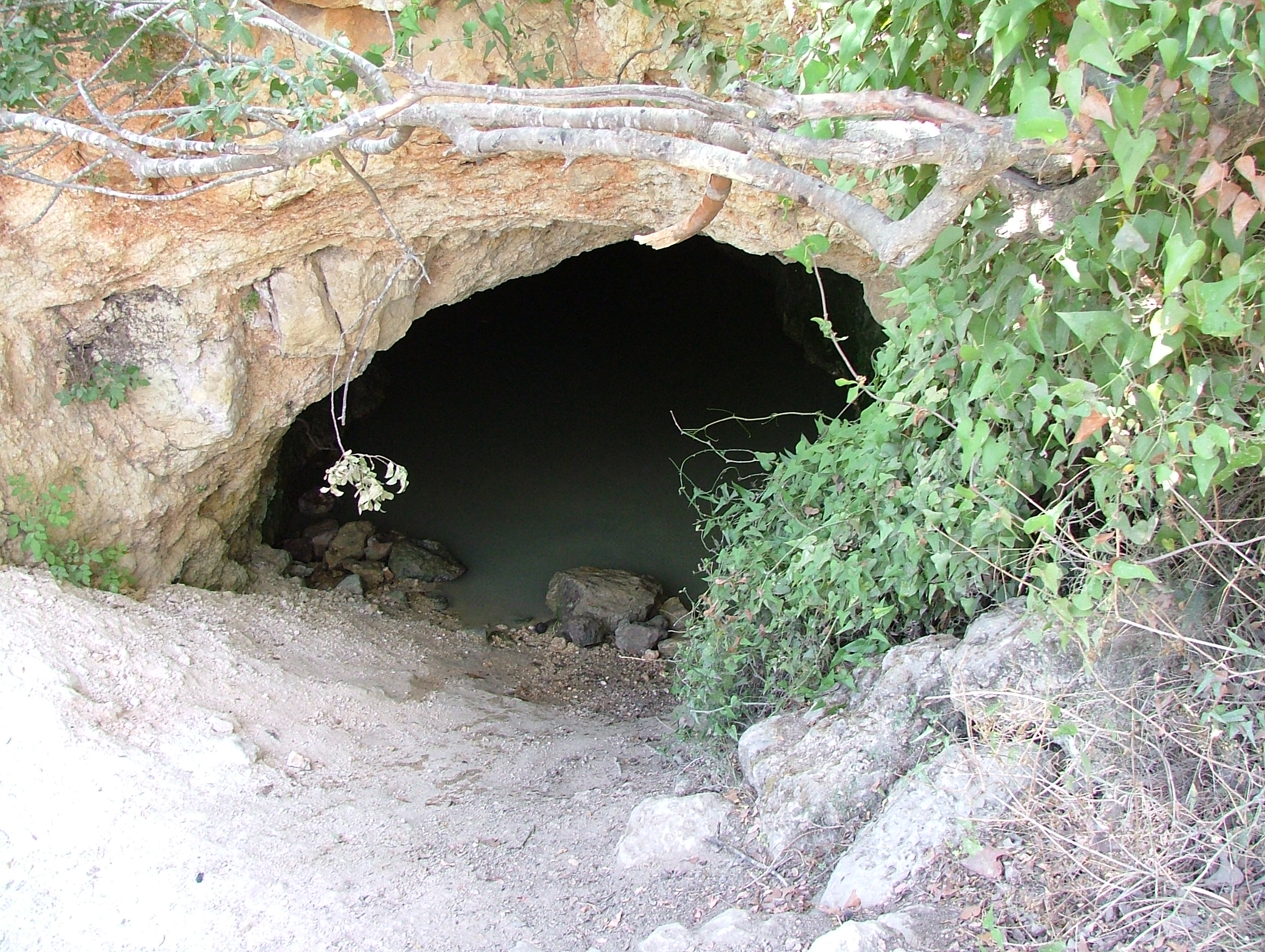
Ein Hania is located in the historic village of Battir, a UNESCO World Heritage site renowned for its terraced agriculture and ancient water management system. The spring itself bursts forth from an old church, a reminder of the region’s layered religious history. Water that once likely served monks and pilgrims now fills a large, deep pool that has become a communal gathering place for locals and visitors alike.
Modern-Day Access
The site is open to the public for a modest entrance fee, but members of the geocaching community can enjoy free entry (the “free for cache members” policy). The pool’s depth has been reduced to 120 cm for safety, making it ideal for families with children and for those who simply want to wade in the cool water without the risk of a hidden drop.
Why It Matters
Ein Hania isn’t just a pretty picture; it’s a living illustration of how water, faith, and community intertwine in Palestinian culture. The spring’s continuous flow supports local agriculture, provides a natural gathering spot, and preserves an architectural relic that tells the story of Battir’s centuries‑old relationship with the land.
3. How to Get There
From Jerusalem
- Drive or take a taxi north on Route 1 toward Ramallah (≈ 30 km).
- Exit onto Route 60 and follow signs for Battir (about 12 km from Ramallah).
- The turn‑off for Ein Hania is clearly marked near the village entrance; look for a small parking area and a sign indicating “עין חניה – Spring.”
Travel time: ~45 minutes by car, depending on traffic at the Jerusalem‑Ramallah checkpoint.
From Ramallah
- Private car or shared taxi: Head west on Route 60 for roughly 12 km.
- Public bus: Take the Ramallah–Bethlehem line (Bus 12) and ask the driver to drop you off at the Battir village gate. From there, it’s a short 10‑minute walk to the spring.
From Bethlehem
- Route: Bethlehem → Route 60 north → Turn onto the Battir road.
- Travel time: Approximately 35 minutes by car.
Parking & Entry
A small, free parking lot sits just outside the spring. The entrance fee (≈ 2–3 ₪) can be paid on site. Remember to carry cash in shekels as card terminals are not available.
4. Best Time to Visit
| Season | Weather | Water Flow | Visitor Experience |
|---|---|---|---|
| Spring (Mar‑May) | Mild, occasional rain | Highest flow, crystal‑clear water | Ideal for swimming, photography, and picnics |
| Summer (Jun‑Aug) | Warm to hot, dry | Lower flow, water still refreshing | Good for early‑morning visits; avoid midday heat |
| Autumn (Sep‑Nov) | Pleasant, cooler evenings | Moderate flow | Perfect for relaxed walks and sunset views |
| Winter (Dec‑Feb) | Cooler, occasional showers | Variable flow, sometimes reduced | Less crowded, but check for possible road closures |
Tip: The spring’s water is most vibrant in late spring, when the surrounding olive groves are in bloom and the air carries a faint scent of wild herbs. Bring a light jacket for early mornings or evenings, especially in autumn and winter.
5. What to Expect
The First Glimpse
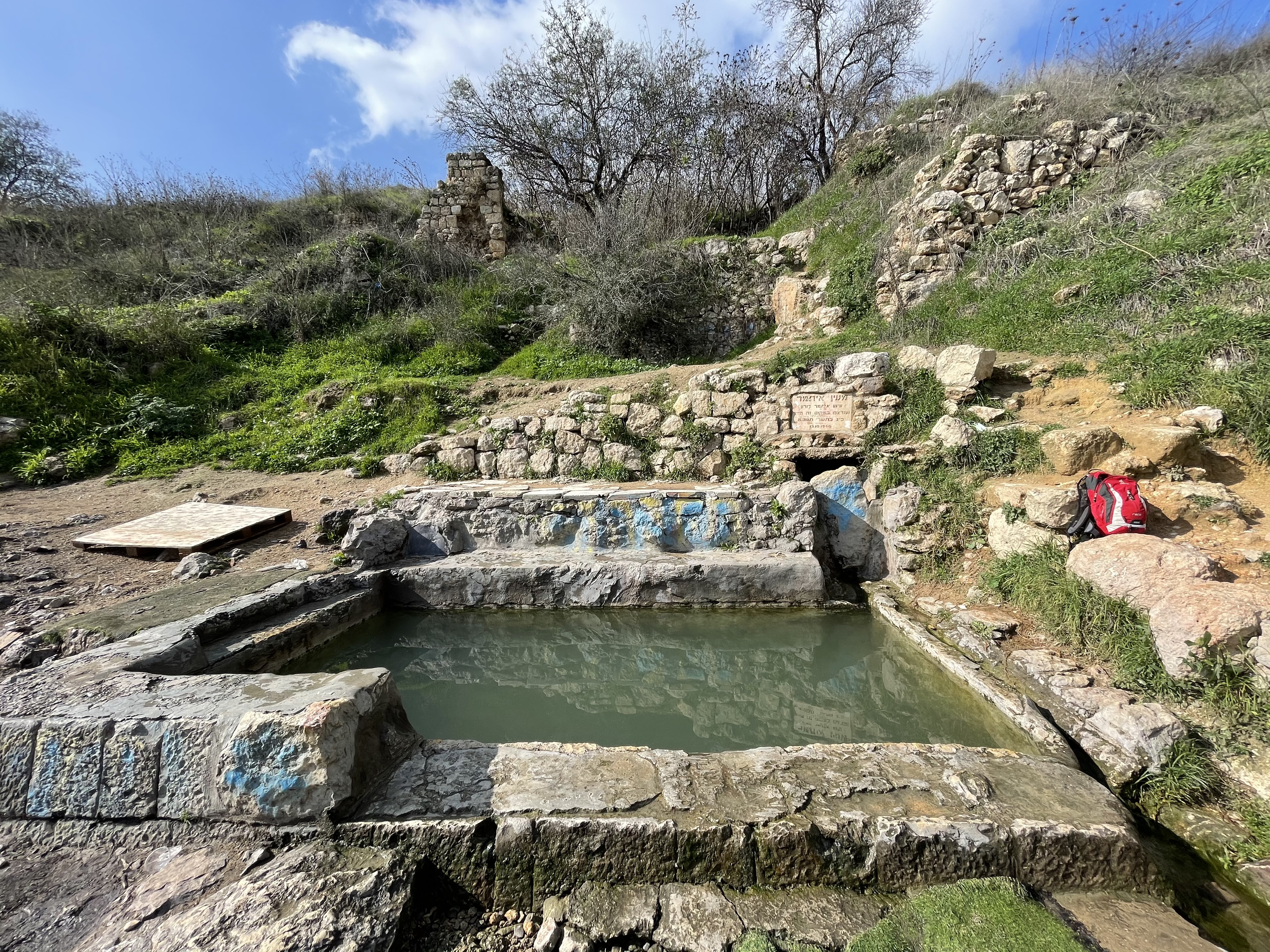
Approaching Ein Hania, you’ll hear the gentle murmur of water before you see it. A stone pathway leads you past a modest ancient church façade, its stones softened by centuries of rain. The spring’s source peeks out from a small opening in the wall, sending a steady stream into a large, turquoise pool that stretches roughly 30 m in length.
The Pool
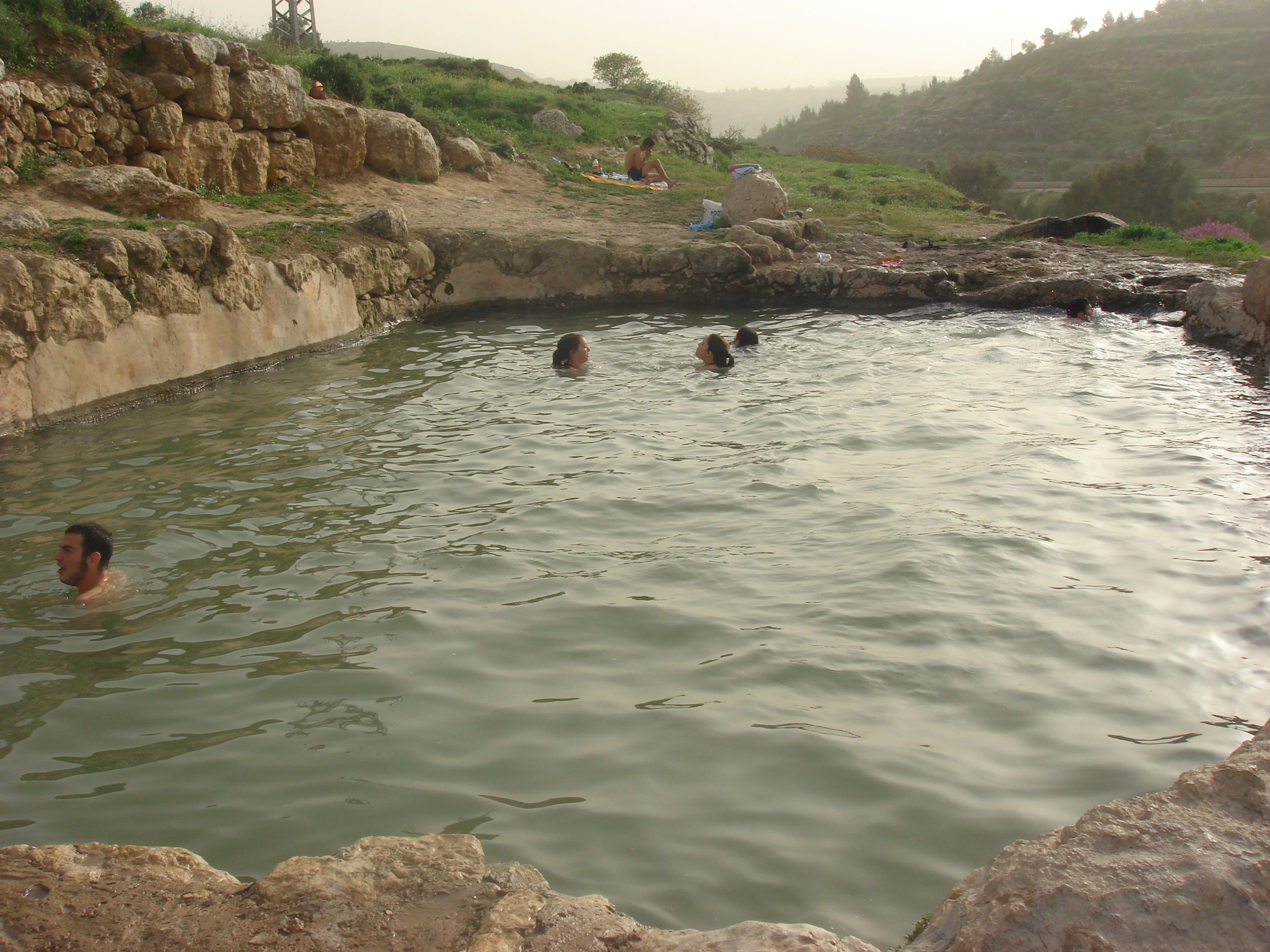
The water is cool and clear, reflecting the surrounding olive trees and the blue sky. Since the pool’s depth has been limited to 120 cm, it’s safe for children to splash and for adults to float leisurely. Many visitors bring a picnic blanket, a book, or a simple snack to enjoy while listening to the rhythmic flow.
Facilities
- Restrooms: Basic facilities are available near the entrance (pay‑per‑use).
- Seating: Stone benches line the perimeter of the pool.
- Signage: Informational panels describe the spring’s history and the local water management system.
Atmosphere
During peak hours (late morning to early afternoon), you’ll encounter a mix of locals washing clothes, families picnicking, and travelers snapping photos. The vibe is relaxed, communal, and respectful—a perfect spot to unwind after a day of exploring Battir’s terraces.
6. Nearby Attractions
Ein Hania sits in a cluster of natural springs and cultural sites, making it an excellent base for a day‑long adventure. Below are the most convenient spots, all within a 1‑kilometer radius:
| Attraction | Distance | Highlights |
|---|---|---|
| עין טי״ש (Ein Tish) Spring | 0.9 km | A smaller spring with a shallow pool, ideal for a quick dip. |
| עין איתמר (Ein Itamar) Spring | 0.9 km | Surrounded by fragrant thyme, perfect for a short hike. |
| עין עוד מלבדו (Ein Od Malbadu) Spring | 1.0 km | Known for its crystal‑clear water and stone stepping‑stones. |
| עין דלבה (Ein Dalva) Spring | 1.0 km | Features a historic stone trough used by locals for irrigation. |
| عين الهدفة (Al‑Hadafeh) Water Spring | 1.1 km | Arabic‑named spring offering a quiet spot for meditation. |
All links lead to short descriptions or local tourism pages where you can find maps and visitor tips.
7. Travel Tips
| Tip | Why It Matters |
|---|---|
| Carry cash (₪) | Entrance fee, restroom use, and small purchases are cash‑only. |
| Dress modestly | Respect local customs; shoulders and knees should be covered, especially when entering the village. |
| Bring water shoes | The pool’s stone floor can be slippery; sturdy sandals protect your feet. |
| Check opening hours | The spring is generally open from 8 am to 6 pm, but may close early during religious holidays. |
| Stay hydrated | Even though you’ll be near water, the West Bank’s climate can be dehydrating. |
| Respect the environment | Use designated bins, avoid littering, and keep the water clean for locals who rely on it. |
| Plan for security checkpoints | If traveling from outside the West Bank, allow extra time for Israeli‑Palestinian border checks. |
| Consider a guided tour | Local guides can share deeper stories about Battir’s terraced farms and the spring’s ecclesiastical past. |
| Photography | The best light is early morning or late afternoon; bring a polarizing filter to reduce glare on the water. |
| Geocaching | If you’re a cache member, you can enjoy free entry—just bring your GPS device and log your find! |
Final Thought
Ein Hania is more than a picturesque spring; it’s a living testament to the symbiosis of nature, faith, and community that defines Battir and the wider West Bank. Whether you’re cooling off after a hike, soaking up centuries of history, or simply enjoying a quiet moment by the water, this hidden oasis promises an unforgettable experience. Pack your camera, bring a sense of curiosity, and let the gentle flow of עין חניה guide you into the heart of Palestinian heritage.
Happy travels!