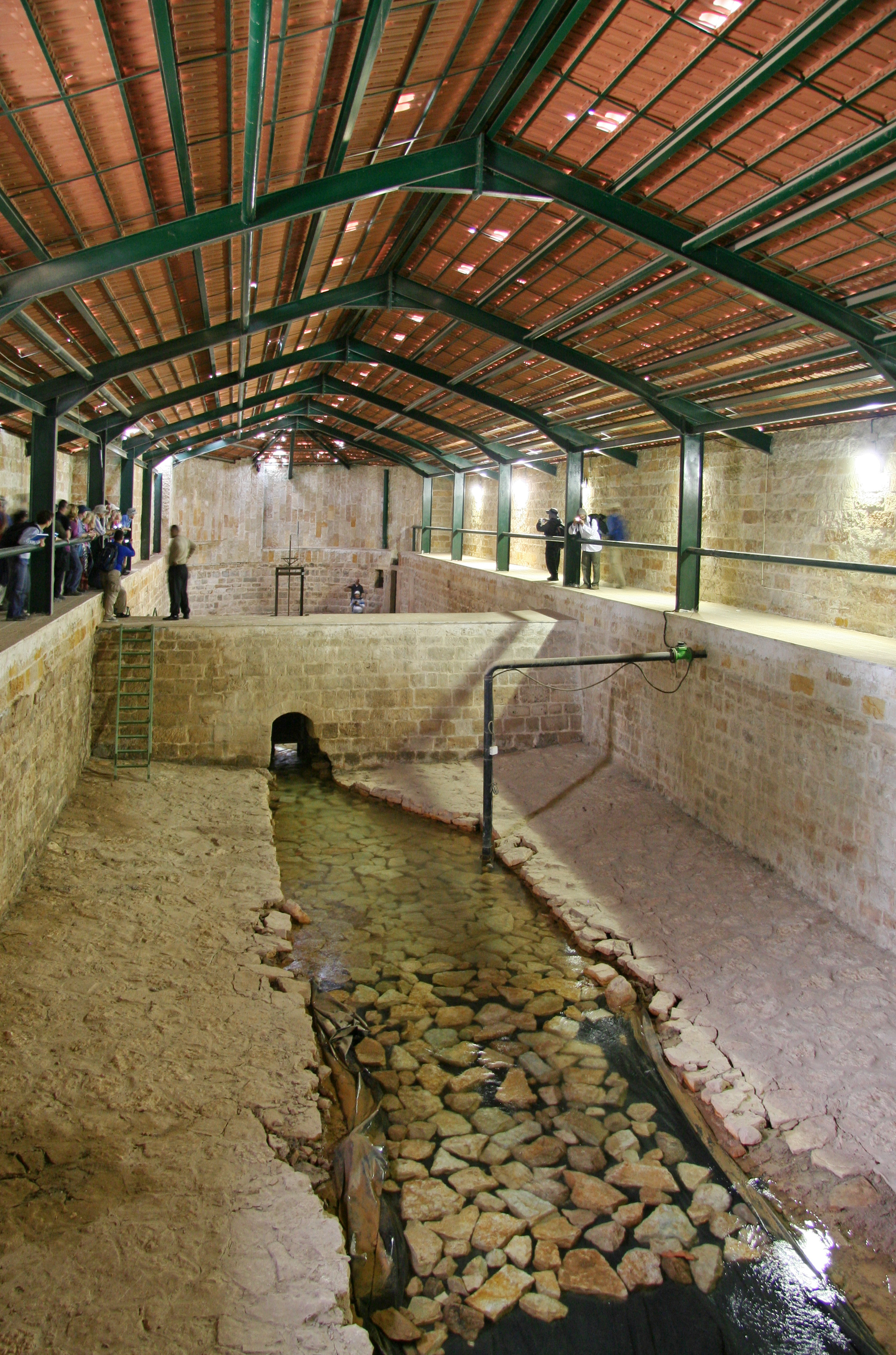
نبع عين السلطان – A Hidden Spring Oasis in Jericho, West Bank
Discover the tranquil waters, ancient whispers, and breathtaking desert scenery of one of the West Bank’s most enchanting natural gems.
Introduction
Imagine stepping off the dusty road that winds through the ancient hills of Jericho and finding a crystal‑clear spring bubbling up from the earth, its cool mist rising like a secret sigh in the desert heat. That’s the experience awaiting you at نَبْع عَيْن السُّلطان (the Sultan’s Eye Spring). Tucked just a few minutes from the historic city of Jericho, this spring offers a rare blend of natural beauty, biblical heritage, and peaceful solitude—making it a must‑visit stop for any traveler exploring the West Bank. Whether you’re a history buff, a nature lover, or simply looking for a refreshing pause on your itinerary, نبع عين السلطان promises an unforgettable encounter with Palestine’s timeless landscape.
About نبع عين السلطان
What is نبع عين السلطان?
- Type: Natural spring (💧)
- Location: Jericho, West Bank, Palestine
- Coordinates: 31.870449 N, 35.444865 E
The spring is part of Jericho’s famed network of underground water sources that have sustained human settlement for millennia. Known locally as “عين السلطان” (the Sultan’s Eye), the water emerges from a limestone fissure, creating a small pool that reflects the surrounding palm groves and rugged terrain.
Historical Significance
The spring is historically linked to the Elisha Spring Fountain (מעיין אלישע), a site mentioned in biblical traditions as the place where the prophet Elisha performed miracles. While نبع عين السلطان is not the exact location of the biblical narrative, its proximity to the Elisha Spring (just 200 m away) ties it to the same rich tapestry of stories that have shaped the region’s cultural identity.
Why It Matters
- Cultural heritage: The spring is a living reminder of the ancient water management systems that turned Jericho into one of the world’s oldest continuously inhabited cities.
- Ecological value: In an arid landscape, each spring supports a micro‑ecosystem of reeds, insects, and birds, offering a glimpse into the delicate balance of desert flora and fauna.
- Spiritual resonance: For many locals and pilgrims, the water’s purity symbolizes renewal and hope, echoing the timeless allure of the Holy Land.
How to Get There
From Jericho City Center
- Start at Jericho’s main bus station (near the Jericho Market).
- Take a local taxi heading north toward the “Ein Al Sultan” road.
- Follow the signs for the “Elisha Spring Fountain” – the spring is just a short 200 m walk from that landmark.
The total drive is roughly 5 minutes (≈ 2 km).
From Jerusalem or Ramallah
- By car:
- From Jerusalem, take Route 1 (Highway 1) toward the Dead Sea, then exit onto Route 90 heading south. Follow signs for Jericho, then turn onto the local road leading to the spring. The journey is about 45 km (≈ 1 hour).
-
From Ramallah, travel south on Route 60, merge onto Route 1, and follow the same directions as above.
-
By public transport:
- Jerusalem → Jericho: Several COGAT‑run buses leave Jerusalem’s Central Bus Station (Arab Station) daily. Get off at the Jericho bus terminal and hop on a short‑distance taxi to the spring.
- Ramallah → Jericho: Similar intercity buses operate from the Ramallah Central Station.
Parking & Accessibility
A modest, free parking area sits just outside the spring’s entrance. The path to the water’s edge is a gentle, unpaved trail suitable for most walkers, though sturdy shoes are recommended due to occasional loose stones.
Best Time to Visit
| Season | Weather | Why Visit |
|---|---|---|
| Spring (March‑May) | Mild temperatures (15‑25 °C), occasional rain | The surrounding vegetation bursts into green, and the spring’s flow is strongest. |
| Autumn (September‑November) | Pleasant evenings, cooler days | Fewer tourists, ideal for photography with golden light. |
| Winter (December‑February) | Cooler, occasional fog | The spring’s mist creates a magical atmosphere; perfect for contemplative walks. |
| Summer (June‑August) | Hot (30‑40 °C) | Early morning visits are still rewarding; bring plenty of water and sun protection. |
Insider tip: Arriving early (around sunrise) not only avoids the midday heat but also lets you capture the spring bathed in soft, golden light—a photographer’s dream.
What to Expect
The Senses
- Sight: A sparkling pool framed by limestone walls, dotted with palm fronds and wildflowers. In the distance, the rolling hills of the Jordan Valley stretch toward the Dead Sea.
- Sound: The gentle murmur of water flowing over rock, punctuated by occasional bird calls.
- Touch: Cool, mineral‑rich water that feels refreshing on the skin—perfect for a quick dip on a hot day.
- Smell: A subtle earthy aroma mixed with the faint fragrance of nearby olive and date palms.
Activities
- Relaxation: Sit on the shaded benches, sip fresh spring water, and let the desert breeze soothe you.
- Photography: Capture close‑ups of the water’s surface, the surrounding geology, and the play of light at sunrise or sunset.
- Historical Exploration: Walk the short trail to the Elisha Spring Fountain (0.2 km away) and imagine the biblical stories that echo through the area.
- Birdwatching: Spot local species such as the hoopoe, sparrow, and occasional migratory warblers that stop to drink.
Facilities
There are no commercial facilities directly at the spring, preserving its natural charm. However, nearby Jericho offers restaurants, cafés, and souvenir shops where you can refuel after your visit.
Nearby Attractions
While نبع عين السلطان can easily fill a half‑day itinerary, the surrounding Jericho region boasts several other fascinating sites—most within a short drive:
| Attraction | Distance | Type | Quick Link |
|---|---|---|---|
| Elisha Spring Fountain | 0.2 km | Fountain | Wikipedia – Elisha Spring |
| [Unnamed Fountain] | 2.1 km | Fountain | (local signpost) |
| עין דיוק (Ein Diuk) | 3.6 km | Spring | — |
| מאגר מצפה יריחו (Mitzpe Jericho Reservoir) | 6.0 km | Spring / Reservoir | — |
| עין אפחד (Ein Afhad) | 7.0 km | Spring | — |
What to do nearby:
- Explore Jericho’s ancient ruins: The Tell es‑Sultan archaeological mound and the Hisham’s Palace are just a few kilometers away.
- Dead Sea dip: Jericho sits only 15 km from the northern shores of the Dead Sea—perfect for a post‑spring soak.
- Local markets: Wander through Jericho’s bustling souk for fresh dates, olive oil, and handcrafted pottery.
Travel Tips
- Dress modestly: While the spring itself is a relaxed setting, the West Bank observes conservative dress norms. Light, breathable clothing that covers shoulders and knees is advisable.
- Stay hydrated: Even though you can sip fresh spring water, carry extra bottled water, especially during the summer months.
- Respect the environment: The spring is a fragile ecosystem. Avoid littering, stay on marked paths, and refrain from feeding wildlife.
- Cash is king: Many nearby vendors and taxi drivers prefer Israeli Shekels (ILS) or Jordanian Dinars (JOD). Have small denominations on hand.
- Safety first: Check the latest travel advisories for the West Bank before you go. The area around Jericho is generally safe for tourists, but it’s wise to stay informed.
- Language tip: Arabic is the primary language; a few basic phrases (“Shukran” – thank you, “Min fadlik” – please) go a long way.
- Timing: If you plan to visit multiple springs in one day, start early. The morning light is best for photography, and you’ll beat the midday heat.
Wrap‑Up
نَبْع عَيْن السُّلطان may be modest in size, but its crystal waters, historic aura, and serene desert backdrop make it a standout highlight on any West Bank itinerary. From the moment you hear the gentle splash of the spring to the last golden rays of sunset reflecting off its surface, you’ll feel a deep connection to the land that has nurtured civilizations for thousands of years.
Pack your camera, bring a sense of wonder, and let the Sultan’s Eye Spring refresh both body and spirit on your next adventure through Jericho.
Happy travels!