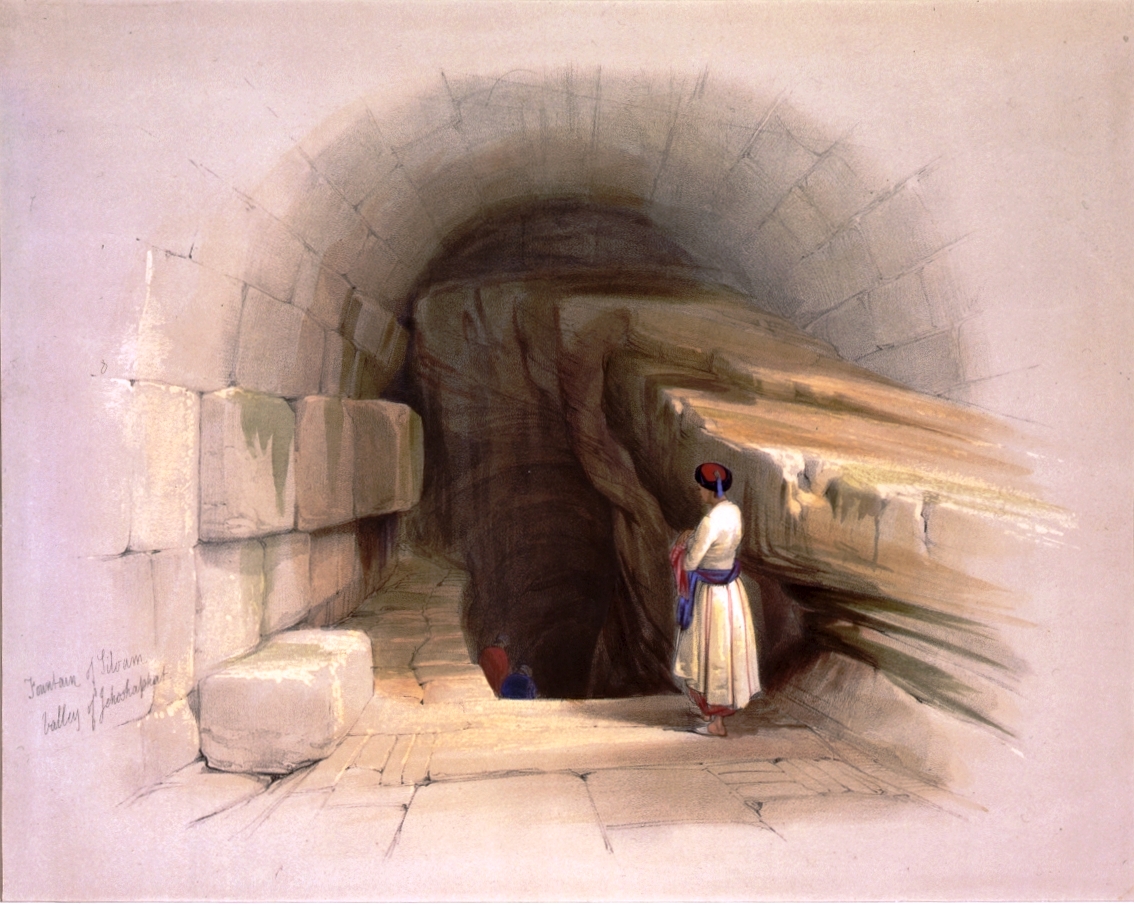
בית המעיין (מעיין הגיחון) – The Ancient Spring at the Heart of Jerusalem’s Old City
Discover the hidden jewel that has quenched the thirst of Jerusalem for millennia.
Introduction
If you’ve ever wandered through the winding alleys of Jerusalem’s Old City, you’ve likely felt the city’s pulse—its ancient stones, the echo of prayers, and the faint scent of history in the air. Yet, tucked beneath the bustling bazaars and towering walls lies a source of life that predates even the First Temple: בית המעיין (מעיין הגיחון), the Gihon Spring. This modest spring, once the lifeblood of Jerusalem, now offers travelers a rare glimpse into a biblical past where water was both a precious commodity and a divine promise. In this guide, we’ll take you on a journey from the spring’s storied origins to practical tips for visiting today.
About בית המעיין (מעיין הגיחון)
A Spring Steeped in History
Located at 31.773235 N, 35.236830 E within the Old City’s historic quarter, the Gihon Spring (Hebrew: מעיין הגיחון) is the primary natural water source for ancient Jerusalem. According to the Hebrew Bible, the spring is mentioned in 2 Samuel 5:7 and Nehemiah 3:15, where it is described as “the spring that was near the city of David.”
During the First Temple period, the spring fed the city’s water needs, and its strategic importance led to the construction of the Siloam Tunnel (also called Hezekiah’s Tunnel). Carved in the 8th century BCE under King Hezekiah’s orders, the tunnel channels water from the Gihon Spring to the Pool of Siloam, ensuring a secure supply during sieges. The tunnel remains one of Jerusalem’s most visited archaeological attractions and a testament to ancient engineering prowess.
Cultural and Religious Significance
For centuries, the Gihon Spring has been a symbol of divine providence. Jewish tradition holds that the spring’s water was used in the ritual purification of the Temple, while early Christian pilgrims noted its role in the city’s daily life. Today, the spring sits near the City of David archaeological park, where visitors can trace the footsteps of King David, King Hezekiah, and countless generations who relied on this life‑giving water.
How to Get There
From Jerusalem’s Modern Hub
- Arrive in Jerusalem – Most travelers land at Ben Gurion International Airport (TLV). From the airport, take a taxi or the Israel Railways to Jerusalem‑Yitzhak Navon Station (≈ 30 min).
- Head to the Old City – From Navon, hop on the light rail (Red Line) to the Jaffa Gate stop. Walk through the historic gate and follow the signs to the City of David.
- Enter the City of David – Purchase an entry ticket (approximately 55 NIS for adults) at the visitor center. The spring is a short walk from the entrance, marked by a stone pathway and informational plaques.
Public Transportation & Walking
- Bus: Egged bus line #13 runs from the Jerusalem Central Bus Station to the Jerusalem Gate (Jaffa Gate).
- Walking: If you’re staying within the Old City, the spring is a 15‑minute walk from the Western Wall Plaza. Follow the signs for “City of David” and “Siloam Tunnel.”
Accessibility
The path to the spring includes some uneven stone steps, reflecting its ancient origins. While the site is partially wheelchair‑accessible, visitors with mobility concerns should prepare for a short, uneven walk.
Best Time to Visit
| Season | Weather | Visitor Experience |
|---|---|---|
| Spring (Mar‑May) | Mild temperatures (15‑22 °C), occasional rain | Blooming flora in the City of David; ideal for photography. |
| Summer (Jun‑Aug) | Warm to hot (25‑35 °C) | Longer daylight hours; bring water and sun protection. |
| Autumn (Sep‑Nov) | Pleasant (18‑24 °C) | Fewer crowds, comfortable for exploring tunnels. |
| Winter (Dec‑Feb) | Cool (10‑15 °C) with occasional rain | Quiet atmosphere; the spring’s flow is strongest. |
Tip: The spring’s water flow peaks after winter rains, making late winter and early spring the most atmospheric times to feel the cool mist of the ancient source.
What to Expect
A Walk Through Time
Approaching בית המעיין, you’ll first notice a modest stone basin surrounded by low walls—an ancient collection point for spring water. The sound of trickling water creates a serene backdrop, contrasting with the bustling market sounds just a few minutes away.
The Siloam Tunnel Experience
Most visitors combine the spring with a guided tour of the Siloam Tunnel. The tunnel’s dimly lit passageways, carved directly into the limestone, convey the urgency of Hezekiah’s defensive project. The tour typically ends at the Pool of Siloam, where you can imagine ancient pilgrims performing ritual immersions.
Photographic Highlights
- Close‑up of the spring’s water reflecting the stone arches.
- Panoramic view from the tunnel’s exit overlooking the Old City walls.
- Sunset silhouettes of the City of David walls against the spring’s mist.
Nearby Attractions
While the Gihon Spring is the star, the surrounding area offers several fascinating fountains and historic sites within walking distance:
| Attraction | Distance | Location | Link |
|---|---|---|---|
| الكأس Fountain | 0.4 km | West Bank, PS | Explore الكأس Fountain |
| Unnamed Fountain | 0.8 km | West Bank, PS | Explore Nearby Fountain |
| Teddy Park Water Fountain | 1.0 km | West Bank, PS | Visit Teddy Park Fountain |
| מזרקת האריות (Lions Fountain) | 1.2 km | Jerusalem, Israel | Discover Lions Fountain |
| Unnamed Fountain | 1.3 km | Jerusalem, Israel | Explore Nearby Fountain |
Other must‑see sites within the Old City:
- Western Wall (Kotel) – The holiest site in Judaism.
- Church of the Holy Sepulchre – A pilgrimage centerpiece for Christians.
- Temple Mount / Al‑Aqsa Mosque – A focal point of Islamic heritage.
All these attractions are reachable on foot or via a short taxi ride, allowing you to weave a full‑day itinerary around the spring’s historic core.
Travel Tips
| Tip | Details |
|---|---|
| Dress modestly | The Old City is a religiously diverse area. Cover shoulders and knees, especially when visiting sacred sites. |
| Carry cash | Entry tickets to the City of David and some smaller fountains accept only cash (Israeli Shekels). |
| Stay hydrated | Even though you’re near a spring, the water isn’t potable. Bring bottled water, especially in summer. |
| Guided tours | Opt for a licensed guide (available at the City of David visitor center) to unlock deeper stories about Hezekiah’s Tunnel and the spring’s biblical references. |
| Timing | Arrive early (opening at 8:00 AM) to avoid crowds and enjoy cooler morning light for photos. |
| Respect the site | The spring is a protected archaeological area—no climbing on the stonework, and keep noise levels low. |
| Combine with a day trip | Pair your visit with a Jerusalem Old City walking tour or a Mount of Olives sunrise experience for a comprehensive cultural day. |
Final Thoughts
Visiting בית המעיין (מעיין הגיחון) is more than a stop on a travel checklist; it’s an immersion into the heartbeat of Jerusalem’s ancient water system—a place where geology, engineering, and faith intersect. Whether you’re a history buff, a pilgrim, or a curious traveler, the spring’s gentle flow invites you to pause, reflect, and feel the continuity of a city that has survived millennia because of a single, life‑giving source.
Pack your walking shoes, bring a sense of wonder, and let the whisper of the Gihon Spring guide you through the layers of Jerusalem’s past and present. Happy travels!