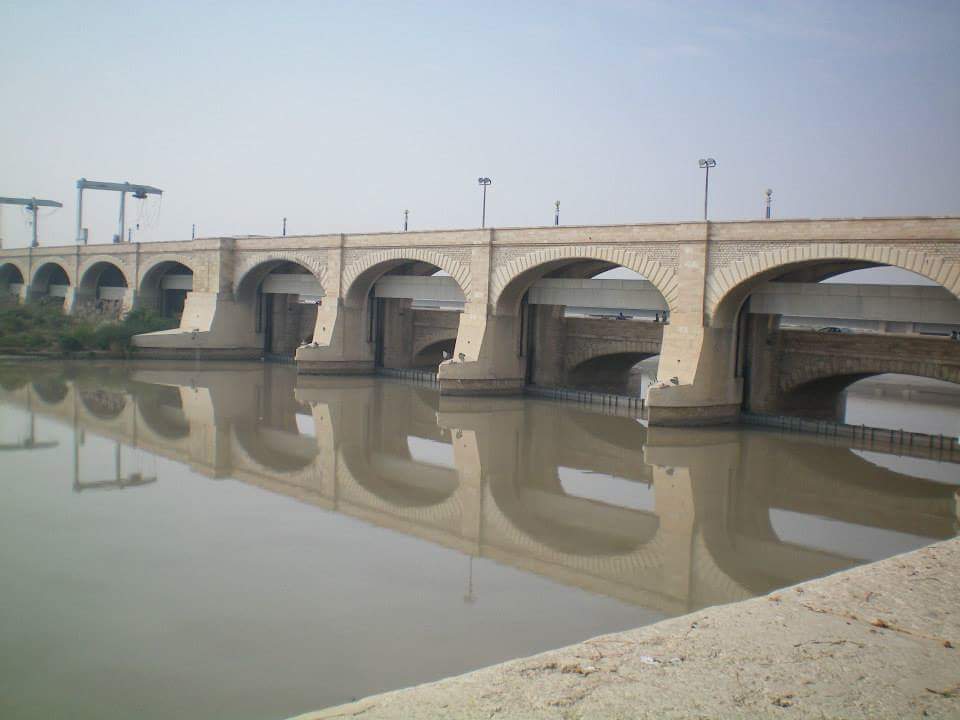
Sukkur Barrage: A Must‑See Engineering Marvel in the Heart of Sindh, Pakistan
If you think Pakistan’s travel gems are limited to mountains and deserts, think again. The Sukkur Barrage—an iconic dam on the mighty Indus River—offers a perfect blend of history, engineering brilliance, and scenic beauty. Whether you’re a photography enthusiast, a history buff, or simply looking for a unique day‑trip destination, this hidden treasure in Sindh deserves a spot on your itinerary.
About Sukkur Barrage
Located at 27.679985° N, 68.845556° E in the bustling city of Sukkur, the Sukkur Barrage is one of Pakistan’s most important hydraulic structures. Built in the early 20th century during the British colonial era, the barrage was inaugurated in 1932 and has since played a pivotal role in the irrigation of the Indus River Basin, feeding millions of acres of agricultural land across Sindh.
A Brief History
- Construction: The project was engineered by Sir George Claxton, a renowned British civil engineer, and completed under the supervision of the Indus River Valley Project.
- Purpose: Its primary function is to divert water into a network of canals that irrigate the fertile plains of Sindh, supporting crops such as cotton, wheat, and rice.
- Design: The barrage stretches over 5 km across the Indus River and comprises 66 spans equipped with massive steel gates that can be opened or closed to regulate water flow.
Why It Matters
Beyond its utilitarian role, the Sukkur Barrage is a symbol of engineering ingenuity and a testament to the region’s agricultural heritage. The structure has been declared a National Heritage Site, attracting engineers, scholars, and tourists alike. Its towering gates, illuminated at night, create a dramatic skyline that reflects the river’s shimmering surface—a sight that photographers rave about.
How to Get There
By Air
- Nearest Airport: Sukkur Airport (SKZ), also known as Shaheed Benazir Bhutto International Airport, lies just 12 km north of the barrage. Regular domestic flights connect Sukkur with Karachi, Lahore, and Islamabad.
- From the Airport: Grab a prepaid taxi or use a rides‑hailing app (e.g., Careem, Uber) for a 20‑minute drive to the barrage’s main viewing area.
By Train
- Sukkur Railway Station is a major stop on the Karachi‑Peshawar line. Trains from Karachi, Lahore, and Quetta arrive frequently. From the station, local taxis or auto‑rickshaws can take you directly to the barrage in about 15 minutes.
By Road
- From Karachi: The 450 km drive via the M‑9 Motorway and N‑5 National Highway takes roughly 6‑7 hours.
- From Hyderabad: A smoother 140 km journey along the N‑5 takes about 2 hours.
Tip: If you’re traveling by car, park in the designated Sukkur Barrage Parking Lot (small fee) and walk to the viewing platforms for the best angles.
Best Time to Visit
| Season | Weather | Why Visit |
|---|---|---|
| Winter (Nov‑Feb) | Cool, dry (10‑25 °C) | Pleasant temperatures for walking, photography, and river cruises. |
| Spring (Mar‑May) | Warm, occasional breeze (20‑35 °C) | The river’s water level rises, making the gates more dramatic. |
| Monsoon (Jun‑Sep) | Hot, occasional showers (30‑40 °C) | Higher water flow, but humidity can be intense—plan indoor activities. |
| Autumn (Oct) | Mild, clear skies (20‑30 °C) | Ideal for sunset shots over the barrage. |
Peak visitor months are December to February when the climate is most comfortable.
What to Expect
Visual Spectacle
- Grand Gates: Watch the massive steel gates lift and lower in synchronized motion—especially impressive during early morning or late afternoon when the sun casts golden hues on the metal.
- River Views: The Indus River’s broad expanse stretches beyond the barrage, offering endless horizons perfect for drone photography (check local regulations).
Activities
- Guided Tours: The Sindh Irrigation Department offers short guided walks explaining the barrage’s mechanics, history, and its impact on local agriculture.
- Boat Rides: Small motorized boats operate from the nearby Sukkur River Jetty, giving you a close‑up view of the gates and the river’s swirling currents.
- Picnic Spots: Green lawns along the embankment provide shaded areas for a relaxed picnic.
Cultural Vibes
Sukkur is known as the “City of Bridges.” The barrage sits near the historic Lansdowne Bridge and the Sukkur Railway Bridge, creating a cluster of engineering marvels that narrate the city’s colonial past. Street vendors sell Sindhi snacks—think samosas, pakoras, and sweet jalebi—adding a tasty local flavor to your visit.
Nearby Attractions
While the Sukkur Barrage is the star attraction, the surrounding area offers several interesting spots within a short drive:
-
Unnamed Weir – 4.5 km
A small weir on a tributary of the Indus, perfect for a quick stop and photo op.
View on Google Maps -
Fountain Chowk – 24.1 km
A historic public square featuring a beautifully restored fountain, surrounded by local bazaars.
Learn more -
Unnamed Weir – 34.1 km
Another engineering piece showcasing traditional water‑management techniques.
View on Google Maps -
Unnamed Weir – 34.3 km
Ideal for bird‑watchers; the calm waters attract migratory species during winter.
View on Google Maps -
Unnamed Weir – 34.7 km
A serene spot for a sunset stroll, with minimal crowds and lush vegetation.
View on Google Maps
Pro tip: Combine these stops into a half‑day road trip. Pack a light snack, wear comfortable shoes, and keep a camera ready—each weir offers a different perspective of Sindh’s water heritage.
Travel Tips
| Tip | Details |
|---|---|
| Dress modestly | Sindh is a conservative province; lightweight cotton shirts, long trousers or skirts, and a hat for sun protection are advisable. |
| Stay hydrated | Carry at least 2 liters of water, especially if visiting in summer. |
| Cash is king | Small vendors and entry fees often accept only cash (Pakistani Rupees). |
| Timing for gate operation | Gates are typically opened for maintenance between 10 am–12 pm and 4 pm–6 pm; ask locals for the exact schedule to catch the action. |
| Photography | Drones require permission from the Civil Aviation Authority; handheld cameras are unrestricted. |
| Safety | Stay behind the safety railings; the river’s current can be swift, especially during monsoon season. |
| Local cuisine | Try the famous Sindhi Biryani at nearby eateries like Al-Madina Restaurant for a flavorful post‑visit meal. |
| Language | Urdu and Sindhi are widely spoken; a few basic phrases (“Salaam”, “Shukriya”) go a long way. |
| Connectivity | 4G coverage is generally good in Sukkur, but remote weir sites may have limited signal—download offline maps beforehand. |
Final Thoughts
The Sukkur Barrage isn’t just a functional dam; it’s a living museum of Pakistan’s engineering heritage, a vital lifeline for Sindh’s agriculture, and a surprisingly photogenic spot for travelers. Pair it with nearby weirs, the charming Fountain Chowk, and the city’s historic bridges, and you’ve got a full day (or more) of cultural immersion, scenic beauty, and authentic local experiences.
Pack your camera, bring an appetite for Sindhi flavors, and set your compass for Sukkur, Sindh—the heart of Pakistan’s riverine wonders.
Ready to explore? Click the map link above for directions, and start planning your unforgettable journey to the Sukkur Barrage today!