Guddu Barrage – The Hidden Engineering Gem of Sindh, Pakistan
Discover why this mighty dam is becoming a must‑see stop for adventure seekers, history buffs, and photography lovers traveling through southern Pakistan.
Introduction
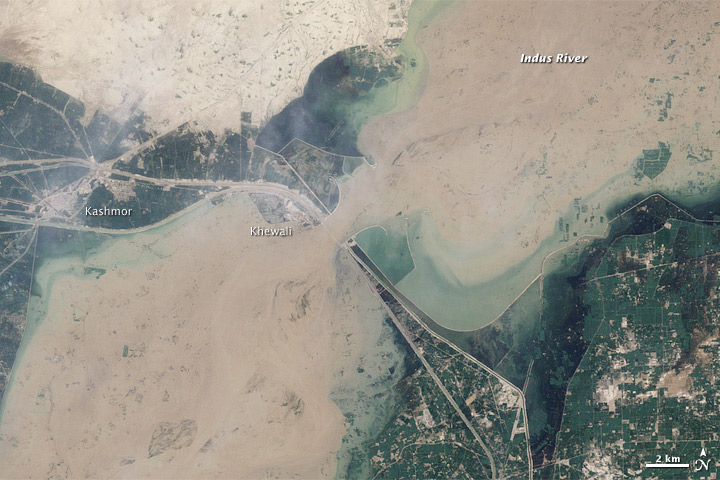
Imagine standing on a sprawling concrete spine that stretches across the mighty Indus River, feeling the rush of water below while the horizon is dotted with endless fields of wheat and cotton. That’s the experience awaiting you at Guddu Barrage, one of Sindh’s most impressive yet under‑the‑radar water‑works. Nestled near the town of Kashmor, this massive dam not only powers irrigation for millions of acres but also offers a unique blend of engineering marvel, natural beauty, and local culture—making it a perfect addition to any Pakistan travel itinerary.
If you’re planning a road trip across the heartland of Pakistan, searching for off‑the‑beaten‑path attractions, or simply craving a scenic spot to unwind by the water, Guddu Barrage should be high on your list. Read on for a complete travel guide that covers everything from history and how to get there, to the best time to visit and insider tips for a smooth journey.
About Guddu Barrage
- Type: Barrage (dam) 🏗️
- Location: Kashmor, Sindh, Pakistan
- Coordinates: 28.418880° N, 69.713065° E
- Wikipedia: Guddu Barrage
Guddu Barrage is a pivotal water‑management structure built across the Indus River, one of South Asia’s most important waterways. While the exact height and altitude remain undocumented publicly, the barrage’s sheer length and the number of gates make it a critical piece of infrastructure for irrigation, flood control, and water supply in the Sindh province.
Constructed to harness the Indus’s flow, the barrage channels water into an extensive network of canals that irrigate the fertile plains of southern Pakistan. This not only supports the region’s agriculture—especially cotton, wheat, and rice—but also stabilizes water levels during the monsoon season, protecting nearby villages from devastating floods.
Beyond its functional role, Guddu Barrage is an architectural landmark. The concrete arches, massive spillways, and panoramic river views provide a dramatic backdrop for photography, bird‑watching, and simply soaking in the raw power of nature. For travelers interested in engineering, the site offers a tangible glimpse into mid‑20th‑century dam design that continues to serve millions today.
How to Get There
By Air
The nearest major airport is Shaheed Benazir Bhutto International Airport (ISB) in Karachi, roughly 550 km (≈ 340 mi) south of Kashmor. From Karachi, you can catch a domestic flight to Sukkur Airport (SKZ), which is about 200 km (≈ 125 mi) away. After landing, rent a car or arrange a private transfer to the barrage.
By Train
Pakistan Railways operates regular services between Karachi and Sukkur or Jacobabad. The Kashmor Railway Station is the closest stop to Guddu Barrage. From the station, local taxis or rickshaws can take you the remaining 10–15 km to the site.
By Road
Driving is the most flexible option, especially if you want to explore the surrounding countryside:
| Route | Approx. Distance | Travel Time | Highlights |
|---|---|---|---|
| Karachi → Sukkur → Kashmor → Guddu Barrage | 550 km | 8–9 hrs | Desert scenery, small towns, roadside dhabas |
| Islamabad → Lahore → Multan → Sukkur → Kashmor | 1,200 km | 15–16 hrs (split over 2 days) | Cultural stops in Punjab, historic forts |
Recommended transport: A reliable 4×4 or sedan with good fuel economy. The roads are mostly paved, but some sections near the river can be dusty, especially during the dry season.
Parking: A modest parking lot is available near the main gate. Arrive early to secure a spot, especially on weekends or during local festivals.
Best Time to Visit
| Season | Weather | Visitor Experience |
|---|---|---|
| Winter (Nov–Feb) | Mild (10–25 °C) | Clear skies, comfortable for walking and photography. Low river flow makes the spillways more visible. |
| Spring (Mar–May) | Warm (20–35 °C) | Lush green fields, migratory birds begin to appear. Ideal for bird‑watchers. |
| Monsoon (Jun–Sep) | Hot, occasional rain, higher river levels | Powerful water flow creates dramatic scenes, but be cautious of sudden water surges. |
| Autumn (Oct) | Pleasant (15–30 °C) | Best overall balance of weather and river activity. |
Top recommendation: Late October to early February offers comfortable temperatures, clear visibility, and a tranquil river flow—perfect for exploring the barrage and snapping photos.
What to Expect
- Scenic Views: Walk along the barrage’s walkway for sweeping panoramas of the Indus River, the surrounding farmlands, and distant hills. Sunset shots from here are especially spectacular.
- Engineering Insight: Informational plaques (in Urdu and English) explain the barrage’s gates, spillways, and irrigation channels. Bring a notebook if you love learning about civil projects.
- Local Life: Fishermen often cast nets near the barrage, and you’ll hear the rhythmic hum of water turbines. Small tea stalls (chai ghari) line the entrance, serving strong Pakistani tea and snacks.
- Bird‑watching: The river corridor attracts a variety of waterbirds, including herons, kingfishers, and occasionally migratory ducks during winter.
- Photography Opportunities: From macro shots of rusted gate hinges to wide‑angle captures of the river’s curve, the site offers diverse subjects for both amateurs and pros.
Safety Note: While the barrage is generally safe for visitors, stay behind designated railings and avoid the immediate spillway area, especially during high water flow.
Nearby Attractions
Exploring the region around Guddu Barrage reveals several water‑related sites within a short drive. Although many are small, they add depth to a day‑trip itinerary.
| Attraction | Distance from Guddu Barrage | Type | Quick Info |
|---|---|---|---|
| Unnamed Dam #1 | 0.7 km | Dam | A smaller auxiliary dam used for local irrigation. Great for quick photo stops. |
| Unnamed Dam #2 | 0.7 km | Dam | Mirrors the main barrage’s design; offers a quieter spot for picnics. |
| Unnamed Dam #3 | 0.7 km | Dam | Features a modest visitor board explaining its role in the local water network. |
| Unnamed Dam #4 | 0.7 km | Dam | Surrounded by a small orchard—ideal for sampling fresh fruit. |
| Unnamed Weir | 19.1 km | Weir | A low‑head structure that creates a calm pool, perfect for a short boat ride or fishing. |
Because these nearby sites are not individually listed on major travel platforms, you’ll often discover them simply by following the local road signs or asking friendly residents. Their proximity makes them easy add‑ons to your Guddu Barrage adventure.
Travel Tips
- Carry Cash: Rural Sindh still relies heavily on cash transactions. Small shops and tea stalls may not accept cards.
- Dress Modestly: Respect local customs by wearing modest clothing—long sleeves and trousers for both men and women are advisable, especially when visiting nearby villages.
- Stay Hydrated: Temperatures can soar in summer. Bring plenty of water, a hat, and sunscreen.
- Timing: Arrive early (around 8 am) to avoid the midday heat and to catch the best light for photography.
- Local Guides: Hiring a local guide for an hour can provide fascinating anecdotes about the barrage’s construction and its impact on the community.
- Connectivity: Mobile network coverage is decent (Jazz, Zong, Telenor), but signal may drop near the river. Download offline maps beforehand.
- Respect the Environment: Use designated waste bins, avoid littering, and do not disturb wildlife or fishing activities.
- Photography Gear: A wide‑angle lens (16–35 mm) captures the full span of the barrage, while a telephoto (70–200 mm) is handy for bird‑watching. A polarizing filter reduces glare on the water surface.
Final Thoughts
Guddu Barrage may not have the fame of Pakistan’s iconic landmarks like the Badshahi Mosque or the Karakoram Highway, but it offers a genuine slice of Sindh’s engineering heritage and natural splendor. Whether you’re a road‑trip enthusiast, a history lover, or simply someone chasing the perfect river sunset, this dam provides a rewarding experience that blends utility with untouched beauty.
Pack your camera, map out your route, and set your sights on the Indus River’s mighty flow at Guddu Barrage—a hidden treasure waiting to be explored. Safe travels!