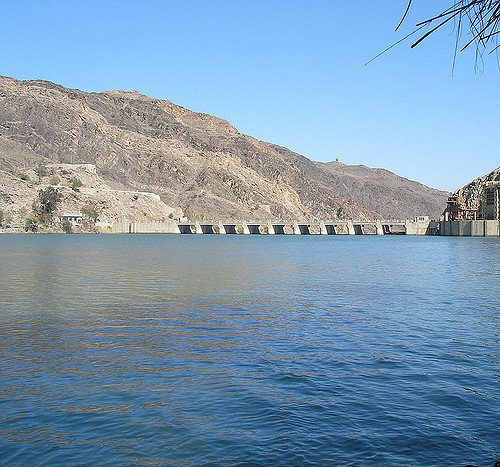
Warsak Dam – A Hidden Gem in Khyber Pakhtunkhwa, Pakistan
Discover the tranquil beauty, engineering marvel, and local culture that make Warsan Dam a must‑visit destination for any traveler exploring northern Pakistan.
1. Introduction
Imagine standing on the banks of a shimmering reservoir, the distant peaks of the Hindu Kush framing a sky that shifts from gold to indigo in minutes. The gentle hum of water spilling over turbines mixes with the chatter of locals selling fresh tea. This is the experience that awaits you at Warsak Dam, a lesser‑known but captivating spot nestled near Shabqadar in Khyber Pakhtunkhwa. While the dam may not boast the towering height of the world’s famous hydro‑structures, its serene surroundings, cultural backdrop, and easy accessibility make it a perfect day‑trip for adventure seekers, photography lovers, and anyone craving a slice of authentic Pakistani countryside.
2. About Warsak Dam
A Brief History
Built in the early 1960s as part of Pakistan’s drive to harness the Indus River’s tributaries, Warsak Dam was commissioned by the Water and Power Development Authority (WAPDA). Its primary purpose is hydroelectric power generation—supplying electricity to Peshawar, Nowshera, and surrounding districts. Over the decades, the dam has become an integral part of the region’s energy grid while simultaneously shaping the local landscape and economy.
Engineering & Significance
- Type: Gravity dam (concrete)
- Location: Shabqadar, Khyber Pakhtunkhwa (coordinates 34.164276, 71.358151)
- Primary Function: Hydroelectric power generation and irrigation support
Even though the exact height and altitude are not publicly disclosed, the dam’s reservoir stretches over several square kilometres, creating a calm water body that reflects the surrounding hills and sky. Its presence has turned the adjacent lands into fertile fields, supporting agriculture and providing livelihood for nearby villages.
Why It Matters
Warsak Dam is more than a piece of infrastructure; it’s a symbol of Pakistan’s post‑independence development drive. For travelers, the dam offers a glimpse into the country’s engineering achievements, the everyday lives of Khyber Pakhtunkhwa’s residents, and a chance to experience a landscape that blends natural beauty with human ingenuity.
3. How to Get There
By Air
- Nearest Airport: Bacha Khan International Airport (Peshawar) – about 45 km (≈ 1 hour) from the dam.
- From the airport, you can hire a taxi or arrange a private transfer to Shabqadar.
By Road
- From Peshawar: Take the Peshawar–Nowshera Highway (N55) heading east. After roughly 30 km, exit toward Shabqadar and follow the signs to the dam. The drive is scenic, with rolling hills and small towns dotting the route.
- From Islamabad: It’s a 180 km journey via the M‑1 Motorway to Peshawar, then continue on N55. Expect a 3–4‑hour drive depending on traffic.
Public Transport
- Buses & Vans: Regular minibusses run between Peshawar, Nowshera, and Shabqadar. Ask the driver to drop you off at the “Warsak Dam” stop—most locals know the spot.
- Local Rickshaws: Once in Shabqadar, rickshaws (tuk‑tuks) are an inexpensive way to reach the dam’s parking area.
Parking & Entry
A modest parking lot sits near the main viewing platform. Entry is free for pedestrians, though a small fee may apply for vehicle parking. Security personnel are present, ensuring a safe environment for families and solo travelers alike.
4. Best Time to Visit
| Season | Weather | Visitor Experience |
|---|---|---|
| Spring (March–May) | Mild temperatures (15‑25 °C), blooming wildflowers | Ideal for photography, picnics, and birdwatching |
| Summer (June–August) | Warm (30‑35 °C), occasional showers | Early mornings are pleasant; afternoon heat can be intense |
| Autumn (September–November) | Cool (10‑20 °C), crisp air, golden foliage | Perfect for leisurely walks and sunset views |
| Winter (December–February) | Cold (5‑10 °C), occasional fog | The reservoir can appear misty, creating a mystical atmosphere |
Peak Season: Late spring and early autumn attract the most visitors due to comfortable weather and clear skies. If you prefer solitude, aim for early December or late February when crowds thin out.
5. What to Expect
Scenic Views
The reservoir’s glass‑like surface mirrors the surrounding hills, offering spectacular sunrise and sunset vistas. The dam’s concrete façade provides a striking contrast against the verdant backdrop, making it a favorite spot for Instagram‑ready shots.
Wildlife & Birdlife
While the area is primarily agricultural, you’ll often spot kingfishers, cormorants, and a variety of waterfowl skimming the water’s edge. In spring, migratory birds make brief stopovers, adding to the natural spectacle.
Local Culture
Villagers from nearby settlements frequently gather at the dam’s edge to wash clothes, fish, or simply chat. You’ll hear the melodic tones of Pashto being spoken, and you may be invited to share a cup of green tea (chai) with a friendly local family.
Activities
- Picnicking: Bring a blanket and some snacks; the grassy banks are perfect for a relaxed lunch.
- Photography: Capture the interplay of light on water, the dam’s engineering lines, and the surrounding hills.
- Gentle Walks: A short, well‑maintained path circles the reservoir, allowing for easy exploration.
- Fishing: Local anglers often fish for carp and catfish; you can try your luck with a simple line and hook.
6. Nearby Attractions
While Warsak Dam can easily fill a half‑day itinerary, the surrounding region offers several other points of interest that can be combined into a full‑day adventure.
| Attraction | Distance from Warsak Dam | Type | Quick Info |
|---|---|---|---|
| Unnamed Dam (1) | 3.9 km | Dam | A smaller water‑storage structure, great for a quick stop and photo opportunity. |
| Unnamed Dam (2) | 3.9 km | Dam | Similar to the first, it provides insight into local water management. |
| Unnamed Weir | 4.0 km | Weir | A modest weir that showcases traditional irrigation techniques. |
| Unnamed Dam (3) | 4.0 km | Dam | Another nearby reservoir, perfect for a short nature walk. |
| Budhni Pull Waterfall | 18.6 km | Waterfall | A scenic cascade surrounded by lush vegetation—ideal for a refreshing hike. |
Tip: Because the smaller dams and weir don’t have dedicated web pages, simply ask locals for directions. They’ll be happy to guide you, and you’ll often discover hidden pathways and local stories along the way.
Link to Warsak Dam Wikipedia: Warsak Dam – Wikipedia
Link to Budhni Pull Waterfall (if available): (search “Budhni Pull waterfall Khyber Pakhtunkhwa” for the latest visitor info)
7. Travel Tips
| Tip | Why It Matters |
|---|---|
| Carry Cash | Small villages may not accept cards; a few hundred rupees will cover parking, snacks, and a possible tip for a local guide. |
| Dress Modestly | Respect local customs—light, loose‑fitting clothing covering shoulders and knees is appreciated. |
| Stay Hydrated | Even in cooler months, the sun can be strong. Bring a reusable water bottle. |
| Sun Protection | A hat, sunglasses, and sunscreen are essential, especially during summer visits. |
| Timing | Arrive early (around 8 am) to beat any midday heat and secure a good spot for photos. |
| Respect the Environment | Pack out all litter, avoid feeding wildlife, and stay on marked paths to preserve the natural beauty. |
| Local Cuisine | Try the regional dish Chapli Kabab or a bowl of Kabuli Pulao at a nearby roadside eatery for an authentic taste. |
| Connectivity | Mobile coverage is generally good near the dam, but signal may drop in more remote spots—download offline maps just in case. |
| Safety | While the dam area is safe, avoid swimming near the turbines and heed any posted safety signs. |
Final Thoughts
Warsak Dam may not be on every traveler’s radar, but its blend of engineering marvel, natural serenity, and warm local hospitality makes it a standout destination in Khyber Pakhtunkhwa. Whether you’re a solo backpacker chasing off‑the‑beaten‑path experiences, a family looking for a peaceful day out, or a photographer hunting that perfect reflection shot, Warsak Dam delivers. Pair it with nearby dams, a weir, and the enchanting Budhni Pull waterfall for a well‑rounded itinerary that showcases the hidden treasures of northern Pakistan.
Pack your camera, bring an adventurous spirit, and let the gentle ripple of Warsak’s waters guide you into a memorable journey through the heart of Pakistan’s rugged yet welcoming landscape. Safe travels!