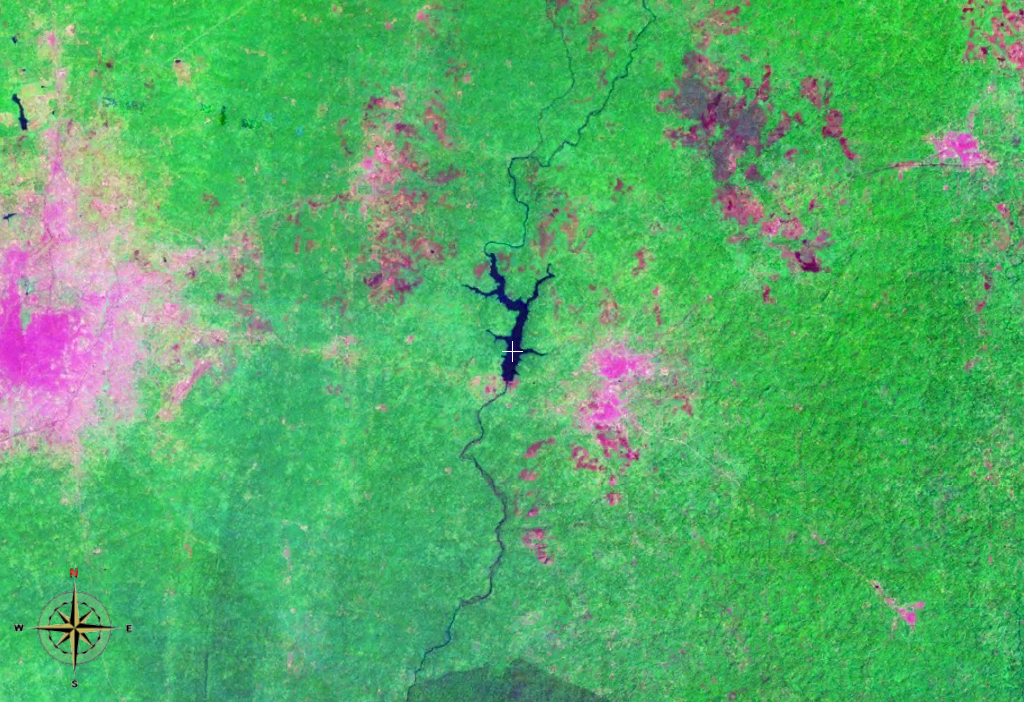
Asejire Dam – The Hidden Water Jewel of Osun, Nigeria
Discover the serene waters, lush surroundings, and nearby waterfalls that make Asejire Dam a must‑visit spot for any traveler exploring southwestern Nigeria.
1. Introduction
If you think Nigeria’s natural attractions are limited to bustling Lagos streets or the iconic Zuma Rock, think again. Nestled in the tranquil town of Apomu in Osun State, Asejire Dam (coordinates 7.362980, 4.133099) offers a peaceful retreat for nature lovers, photographers, and anyone craving a break from city life. While the dam itself may not be as famous as the country’s larger reservoirs, its crystal‑clear surface, gentle breezes, and proximity to spectacular waterfalls make it a hidden gem that’s fast becoming a favorite on the Osun travel circuit.
2. About Asejire Dam
What Is Asejire Dam?
Asejire Dam is a modest‑sized reservoir built to regulate water flow in the region and support local agriculture. Although the exact height and altitude of the dam are not publicly documented, its presence has transformed the surrounding landscape into a verdant oasis. The dam’s waters reflect the sky in a way that turns sunrise and sunset moments into unforgettable photo opportunities.
A Brief History
The dam’s origins trace back to community‑driven initiatives aimed at improving water security for Apomu and neighboring villages. Over the years, it has become more than just a functional infrastructure piece; it now serves as a gathering place for picnickers, anglers, and families celebrating local festivals.
Why It Matters
- Water Management – Asejire Dam helps sustain irrigation for nearby farms, supporting the region’s agricultural output.
- Ecotourism – Its calm waters and surrounding greenery have attracted eco‑tourists seeking off‑the‑beaten‑path experiences.
- Community Hub – Locals often use the dam’s banks for social events, reinforcing its role as a cultural focal point.
For a concise overview, you can also check the German‑language Wikipedia entry: Asejire‑Stausee.
3. How to Get There
By Air
The closest major airports are Murtala Muhammed International Airport (LOS) in Lagos (≈ 150 km) and Ibadan Airport (IBA) in Oyo State (≈ 90 km). From either airport, you can rent a car or arrange a private transfer to Apomu.
By Road
- From Lagos: Take the Lagos‑Ibadan Expressway (A1) northward, exit at Ibadan, then follow the Ibadan‑Ife Road (A121) toward Ife. After passing through Ife, turn onto the Apomu‑Irepodun road—signs for Asejire Dam will appear after roughly 15 km.
- From Ibadan: Head east on the Ibadan‑Ife Road and follow the same directions past Ife. The total drive from Ibadan is about 1.5 hours (≈ 90 km).
Public Transport
Local Danfo minibusses and Keke Nape (motorcycle taxis) operate between Ife, Apomu, and surrounding villages. While they are budget‑friendly, they may not drop you directly at the dam’s entrance; a short walk or a hired bike is usually required.
Parking & Entry
A small, free parking lot sits at the main access road. There is no formal entry fee, but visitors are encouraged to respect the environment and follow any posted signage.
4. Best Time to Visit
| Season | Weather | Why It’s Ideal |
|---|---|---|
| Dry Season (Nov – Mar) | Warm, clear skies, minimal rain | Perfect for sunrise/sunset photography and picnics without the risk of sudden downpours. |
| Early Wet Season (Apr – Jun) | Light showers, lush greenery | Water levels rise, creating more dramatic reflections; nearby waterfalls become especially powerful. |
| Late Wet Season (Jul – Oct) | Heavier rain, higher humidity | Not the best for outdoor activities; however, if you love misty landscapes, this period offers a mystical vibe. |
Tip: The most popular months among travelers are December to February, when the climate is comfortable and the dam’s surface is calm.
5. What to Expect
Scenic Views
Asejire Dam’s placid waters mirror the surrounding hills and sky, making it a photographer’s paradise. Early morning fog often rolls over the reservoir, adding an ethereal quality to your shots.
Leisure Activities
- Picnicking – Pack a traditional Nigerian lunch (e.g., jollof rice, fried plantains) and enjoy it on the grassy banks.
- Birdwatching – The dam attracts several water‑bird species, including herons and kingfishers. Bring binoculars for a closer look.
- Fishing – Local anglers often cast lines for catfish and tilapia. If you’re interested, ask a nearby vendor for a simple permit.
Safety & Comfort
The area is generally safe, with locals welcoming visitors. However, always keep an eye on children near the water’s edge, as there are no lifeguard services. Bring sunscreen, insect repellent, and plenty of water, especially during the hot dry months.
6. Nearby Attractions
Asejire Dam is a great base for exploring a cluster of natural wonders within a short drive.
| Attraction | Distance | Highlights | Link |
|---|---|---|---|
| Asejire Waterfall | 0.4 km | A short walk brings you to a cascading waterfall that tumbles directly into the dam’s reservoir—ideal for a quick splash. | — |
| Afon Oba Waterfall | 12.2 km (Oyo) | A more powerful fall surrounded by dense forest; perfect for a half‑day hike. | — |
| Local Fountain (1) | 46.4 km (Osun) | A natural spring that feeds a small pool, often used by locals for fresh water. | — |
| Local Fountain (2) | 46.4 km (Osun) | Similar to the first, offering a peaceful spot for meditation. | — |
| Local Fountain (3) | 46.8 km (Osun) | Slightly larger, with a surrounding garden maintained by the community. | — |
Note: While the fountains lack formal names in most guidebooks, they are well‑known to residents and provide authentic rural experiences.
7. Travel Tips
- Plan Ahead for the Road Trip – Mobile network coverage can be spotty on rural routes; download offline maps (Google Maps or Maps.me) before you leave.
- Carry Cash – Small vendors and parking attendants may not accept cards.
- Respect Local Customs – Dress modestly, especially if you plan to interact with nearby villages.
- Leave No Trace – Bring a trash bag and take all litter back with you; the community relies on the dam’s pristine condition for both tourism and daily life.
- Stay Hydrated – The dry season can be scorching; a reusable water bottle is essential.
- Timing for Waterfalls – Visit the Asejire Waterfall early in the morning for fewer crowds and better lighting.
- Safety First – If you decide to swim near the waterfall, test the water depth first and avoid swimming after heavy rains when currents can be stronger.
Final Thought
Asejire Dam may not headline Nigeria’s travel brochures, but its quiet charm, stunning reflections, and proximity to captivating waterfalls make it a rewarding destination for the curious traveler. Whether you’re chasing sunrise photography, a peaceful picnic, or a glimpse of rural Nigerian life, the dam and its surrounding attractions promise an unforgettable experience. Pack your camera, hit the road, and let the gentle ripple of Asejire’s waters welcome you to Osun’s best‑kept secret.
Keywords: Asejire Dam, Osun travel, Apomu Nigeria, Nigeria dam tourism, Asejire waterfall, Afon Oba waterfall, Nigeria hidden gems, travel to Osun State, best time to visit Asejire Dam, how to get to Asejire Dam.

