Omatako Dam – A Hidden Water Jewel in Namibia’s Otjozondjupa Region
Discover the serene beauty, practical travel tips, and nearby attractions that make Omatako Dam a must‑see stop on your Namibia adventure.
Introduction
If you think Namibia is only about sweeping deserts, towering dunes, and dramatic wildlife safaris, think again. Nestled in the heart of the Otjozondjupa region, just outside the modest town of Okakarara, lies Omatako Dam – a tranquil reservoir that offers a refreshing contrast to the arid landscapes that dominate the country’s image. Whether you’re a road‑tripper cruising the B1 highway, a bird‑watcher hunting for hidden wetland species, or simply a traveler craving a peaceful spot to unwind, Omatako Dam delivers an off‑the‑beaten‑path experience that’s both scenic and culturally enriching.
About Omatako
What Is Omatako Dam?
- Type: Earth‑fill dam (🏗️)
- Location: Okakarara, Otjozondjupa, Namibia
- Coordinates: -21.153472 , 17.177540
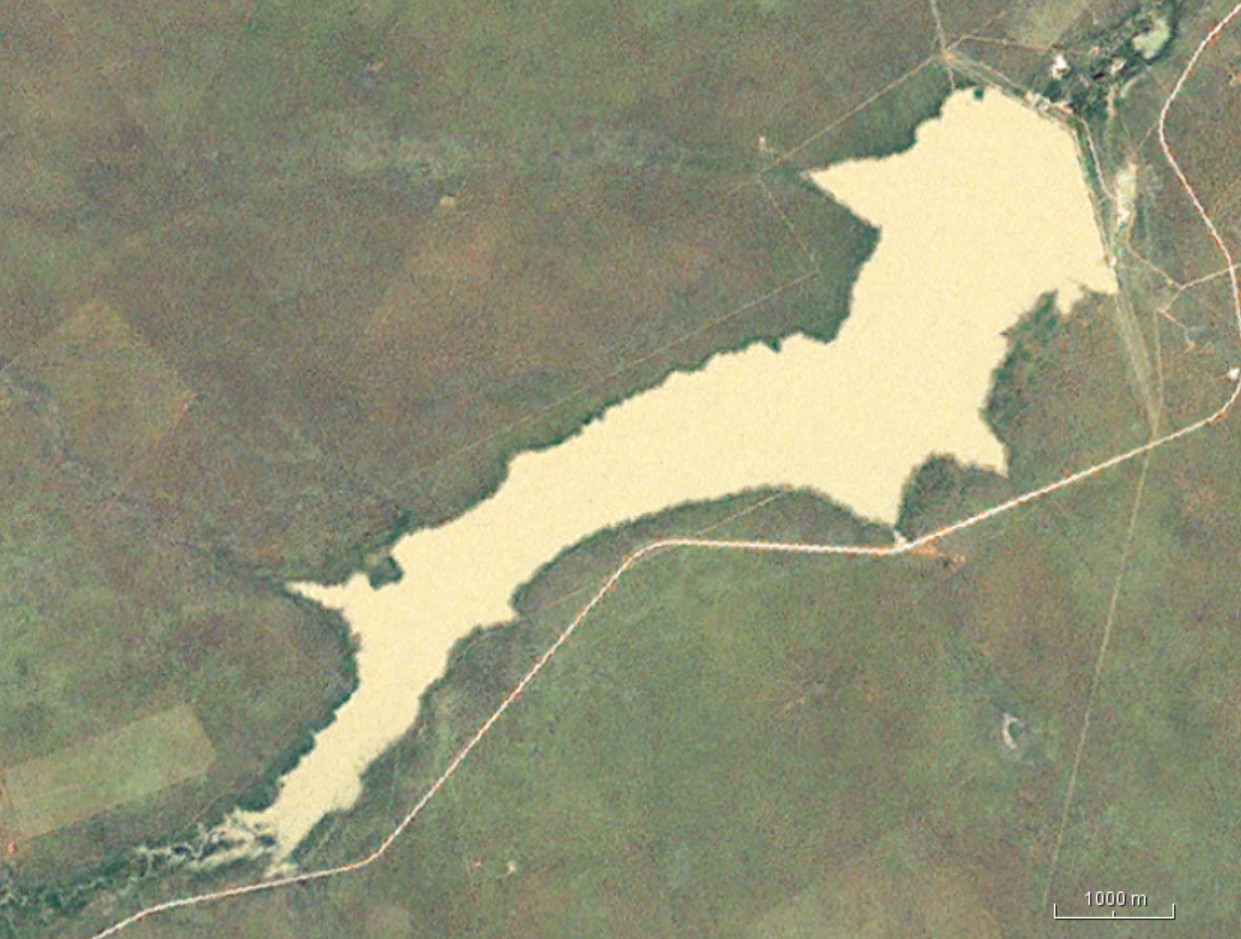
Built to capture seasonal runoff from the surrounding savanna, Omatako Dam serves as a critical water source for local agriculture and livestock. While the exact height and altitude of the dam are not publicly documented, its expansive surface reflects the expansive sky, creating a mirror‑like effect that photographers adore.
A Brief History
The dam’s origins trace back to Namibia’s post‑independence infrastructure push in the late 20th century, when the government prioritized water security for rural communities. Though specific construction dates are scarce, the dam quickly became a lifeline for the farming families around Okakarara, helping to stabilize crop yields during dry spells.
Why It Matters
Beyond its utilitarian role, Omatako Dam has grown into a modest yet meaningful tourist attraction. Its calm waters attract waterbirds, occasional hippopotamus sightings, and provide a scenic backdrop for picnics, sunrise yoga, and photography sessions. For travelers seeking authentic Namibian experiences away from crowded national parks, Omatako offers a slice of everyday life and natural beauty.
How to Get There
By Air
The nearest major airport is Windhoek Hosea Kutako International Airport (WDH), about 250 km (≈ 155 mi) southwest of Omatako Dam. From Windhoek, you can rent a 4×4 vehicle—highly recommended for Namibia’s gravel roads—or join an organized tour.
By Road
-
From Windhoek:
1. Take the B1 highway north toward Okahandja.
2. Continue on the B1 for roughly 190 km until you reach the turn‑off for C33 (the road leading to Okakarara).
3. Follow signs for Okakarara; the dam lies just a few kilometres east of the town center. -
From Okakarara:
The dam is a short 5‑minute drive east on a well‑maintained gravel road. Look for signage pointing to “Omatako Dam” or ask locals—they’re always happy to point you in the right direction.
Public Transport
Buses run between Windhoek and Okakarara several times daily, but they typically stop only in the town. From Okakarara, you’ll need a taxi or a rental bike to reach the dam. For the most flexibility, a self‑driven vehicle remains the easiest option.
Parking & Access
A modest parking lot sits near the dam’s main viewing platform. Space is ample, and the lot is free of charge. A short, well‑marked path leads from the parking area to the water’s edge, where you can safely explore on foot.
Best Time to Visit
Namibia’s climate is generally arid, but the rainy season (November to March) fills the reservoir, creating vibrant reflections and attracting more wildlife.
| Season | What to Expect | Why Visit |
|---|---|---|
| Dry Season (May – October) | Lower water levels, clearer skies, cooler evenings | Ideal for stargazing, photography, and comfortable hiking |
| Rainy Season (November – March) | Higher water levels, blooming flora, increased bird activity | Perfect for birdwatching, water‑based photography, and witnessing the dam at its fullest |
Tip: The shoulder months of April and October often provide a balance—pleasant temperatures and moderate water levels—making them the sweet spot for most travelers.
What to Expect
Scenic Views
Approach the dam at sunrise, and you’ll be greeted by a pastel sky reflected on the calm surface. The surrounding savanna grasslands stretch to the horizon, punctuated by acacia trees that sway gently in the breeze.
Wildlife
While Omatako isn’t a wildlife reserve, its water attracts waterfowl such as herons, kingfishers, and seasonal migratory ducks. Occasionally, you may spot eland, springbok, or even a lone zebra coming to drink at dusk.
Activities
- Photography: The interplay of light on water, especially during golden hour, offers stunning photo opportunities.
- Picnicking: Bring a blanket and a packed lunch; the grassy banks provide a peaceful spot to enjoy a meal.
- Birdwatching: A pair of binoculars and a field guide can turn a simple walk into a rewarding bird‑spotting session.
- Relaxation: The gentle lapping of water makes the dam an excellent location for meditation or yoga.
Facilities
There are no formal visitor centers or restrooms at Omatako Dam, so plan accordingly. Bring enough water, sunscreen, and a hat. A portable toilet or a quick stop at a nearby shop in Okakarara will cover basic needs.
Nearby Attractions
While Omatako Dam is the star of the show, the Otjozondjupa region boasts several other water‑related sites that can be combined into a day‑trip itinerary:
| Distance | Attraction | Description |
|---|---|---|
| 20.3 km | Unnamed Dam #1 | A smaller reservoir surrounded by open grasslands—great for a quick stop and a photo break. |
| 28.6 km | Unnamed Dam #2 | Offers a modest walking trail along its shoreline; ideal for a short hike. |
| 38.2 km | Unnamed Dam #3 | Known for a higher concentration of waterbirds during the rainy season. |
| 38.9 km | Unnamed Dam #4 | Features a rustic picnic area and a shallow fishing spot (catch‑and‑release only). |
| 39.5 km | Unnamed Dam #5 | The farthest dam on this list; its expansive view makes it a perfect sunset location. |
Because these dams are less documented, we recommend using a GPS or a local map to locate them. Their proximity to Omatako makes them perfect for an adventurous “dam‑hopping” day.
Travel Tips
- Fuel Up Early – Gas stations are sparse between Windhoek and Okakarara. Fill up in Windhoek or at the Okakarara service station before heading to the dam.
- Carry Cash – Small towns often operate on cash transactions; credit cards may not be accepted at local shops.
- Stay Sun‑Safe – The Namibian sun is intense year‑round. Pack a high‑SPF sunscreen, a wide‑brimmed hat, and sunglasses.
- Respect the Environment – Pack out all litter, stay on designated paths, and avoid disturbing wildlife, especially during breeding seasons.
- Check Road Conditions – During the rainy season, some gravel roads can become muddy. A 4×4 vehicle with high clearance will give you peace of mind.
- Local Etiquette – Greet locals with a friendly “Dumela” (Hello) in Setswana, the predominant language in the region. A smile goes a long way!
- Safety First – While the area is generally safe, it’s wise to travel during daylight hours and inform someone of your itinerary, especially if venturing to the more remote nearby dams.
Final Thoughts
Omatako Dam may not have the fame of Etosha National Park or the iconic dunes of Sossusvlei, but its quiet charm, reflective waters, and authentic Namibian atmosphere make it a hidden gem worth seeking out. Whether you’re mapping a comprehensive Namibia travel itinerary, looking for a peaceful stopover on a long road trip, or simply craving a moment of calm amidst the vast African sky, Omatako Dam delivers an unforgettable experience.
Pack your camera, fuel up the car, and set your GPS to -21.153472, 17.177540—the serene waters of Omatako are waiting.
For more information, visit the official Omatako Dam Wikipedia page.
Safe travels, and may your journey through Namibia be as refreshing as the waters of Omatako Dam!