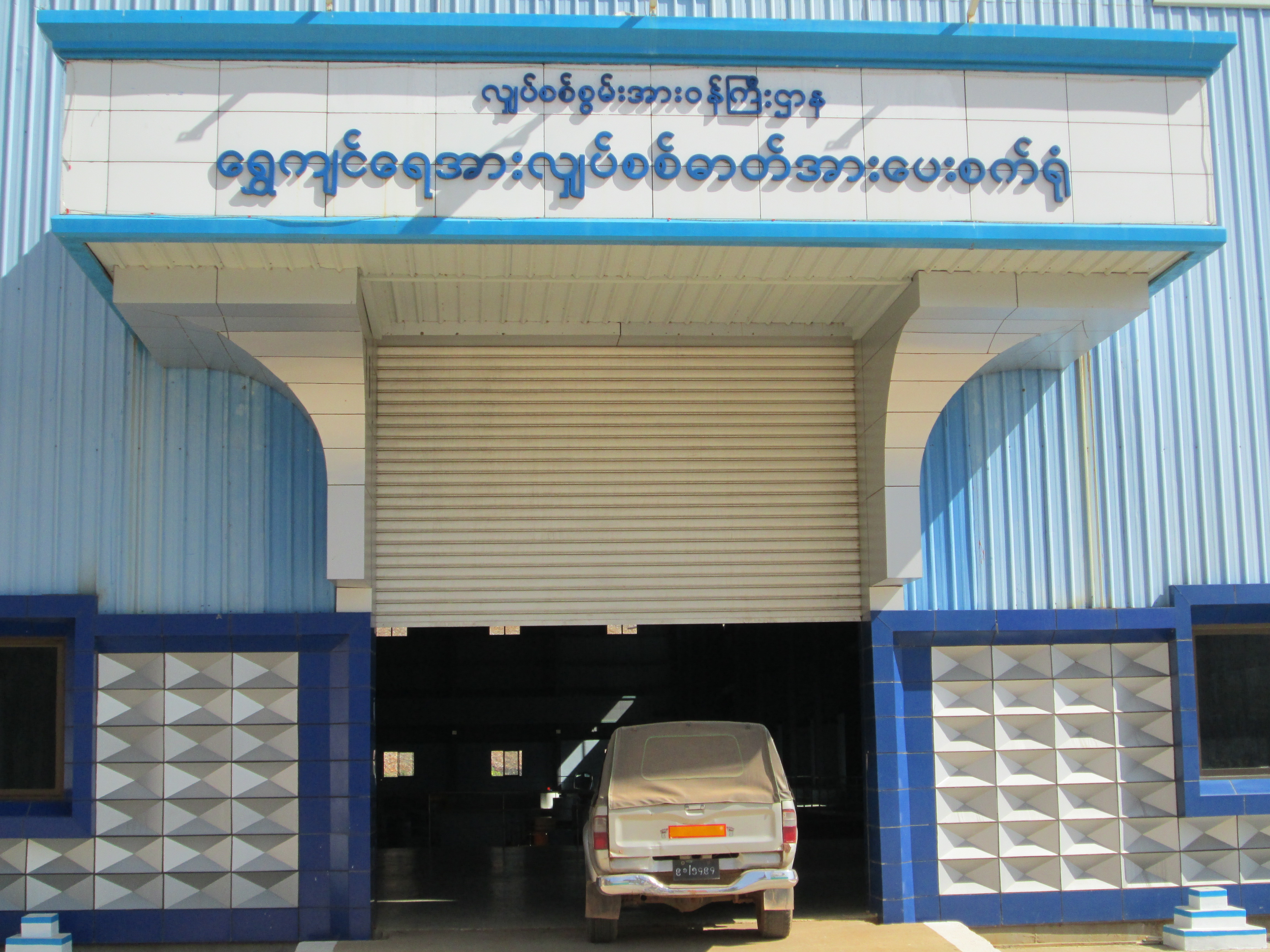
🌊 Discover the Hidden Gem of Myanmar: ရွှေကျင် တာတမံ (Shwegyin Dam)
If you’ve ever dreamed of exploring off‑the‑beaten‑path wonders in Myanmar, the Shwegyin Dam (မြန်မာဘာသာ: ရွှေကျင် တာတမံ) should be at the top of your list. Nestled in the lush countryside of Nyaunglebin, Bago Region, this tranquil reservoir offers a perfect blend of natural beauty, engineering intrigue, and authentic local culture. Whether you’re a nature lover, a photography enthusiast, or simply craving a peaceful retreat away from the bustling streets of Yangon, the Shwegyin Dam promises an unforgettable experience.
1. About ရွှေကျင် တာတမံ
A Brief Overview
- Location: Nyaunglebin, Bago, Myanmar
- Coordinates: 17.970510 N, 96.936237 E
- Type: Multipurpose dam (irrigation, water supply, flood control)
- Height & Altitude: Data not publicly disclosed
The Shwegyin Dam, officially known as Shwegyin Dam, was constructed to harness the waters of the Shwegyin River, a tributary that winds through the fertile plains of Bago. While detailed technical specifications such as height and reservoir capacity remain scarce, the dam’s primary purpose is to support agricultural irrigation and regional water security—critical needs for the rice‑rich heartland of Myanmar.
Historical Significance
Built in the early 21st century, the dam represents Myanmar’s ongoing efforts to modernize its infrastructure while preserving the surrounding environment. Its creation has spurred economic development in Nyaunglebin, providing reliable water for farms and creating new opportunities for eco‑tourism. Today, the reservoir’s calm waters reflect the region’s rich cultural heritage, making it a symbolic bridge between Myanmar’s past and its future.
Why It Matters to Travelers
- Scenic Views: The reservoir is framed by gentle hills and verdant fields, offering postcard‑perfect panoramas.
- Local Life: Visitors can witness daily life along the water’s edge—fishermen casting nets, farmers checking irrigation channels, and children playing near the shore.
- Photography Goldmine: The interplay of light on the water, especially during sunrise and sunset, creates magical photo opportunities.
2. How to Get There
From Yangon (International Gateway)
- Fly to Yangon International Airport (RGN). Most international travelers arrive here.
- Private Car or Taxi: Hire a reputable car service (≈ 150,000–200,000 MMK) for a comfortable 3‑hour drive (≈ 180 km) along the Yangon‑Bago Highway (AH1).
- Bus Option: Take a direct intercity bus from Yangon’s Aung Mingalar Bus Station to Bago (≈ 2 hours). From Bago, hop on a local minibus or arrange a tuk‑tuk to Nyaunglebin (another 1‑hour ride).
From Bago City
- Local Bus/Minibus: Frequent minibuses depart from Bago’s main bus terminal to Nyaunglebin. The journey takes about 45 minutes.
- Motorbike Rental: For the adventurous, renting a motorbike (≈ 10,000 MMK/day) lets you explore at your own pace, with the dam just a short ride from the town center.
Essential Travel Details
| Item | Info |
|---|---|
| Nearest Airport | Yangon International Airport (RGN) |
| Driving Distance | ~180 km from Yangon |
| Road Condition | Paved highway (AH1) to Bago; secondary roads to Nyaunglebin are well‑maintained |
| Currency | Myanmar Kyat (MMK) – carry cash for small vendors |
| Language | Burmese (Myanmar) – English spoken in tourist spots |
3. Best Time to Visit
| Season | Weather | Why Visit |
|---|---|---|
| Cool/Dry (Nov – Feb) | Mild temperatures (20‑28 °C), low humidity | Ideal for outdoor activities, clear skies for photography |
| Hot/Pre‑Monsoon (Mar – May) | Warm, occasional showers | Water levels rise, creating vibrant reflections |
| Monsoon (Jun – Oct) | Heavy rain, higher water levels | Lush green scenery, but road travel can be challenging |
Top Recommendation: Visit between late November and early February to enjoy comfortable weather, vibrant sunrise/sunset colors, and the best road conditions.
4. What to Expect
Scenic Walks & Picnic Spots
The dam’s perimeter features well‑kept walking trails that meander along the reservoir’s edge. Find shaded picnic tables under towering teak trees—perfect for a relaxed lunch with a view.
Birdwatching & Wildlife
The surrounding wetlands attract a variety of migratory birds (e.g., herons, egrets) during the cooler months. Bring binoculars for a chance to spot these feathered visitors.
Local Interactions
- Fishermen: Early mornings are the best time to see locals casting traditional nets. Feel free to chat—many are eager to share stories about the river’s history.
- Farmers: Observe irrigation channels in action, a testament to the dam’s role in supporting local agriculture.
Photography Highlights
- Sunrise over the water: Capture the golden glow as the first light reflects off the calm surface.
- Evening mist: In the cooler months, light mist rolls over the reservoir, creating a dreamy atmosphere.
- Cultural snapshots: Portraits of local residents, traditional boats, and rustic farm scenes add depth to your travel story.
5. Nearby Attractions
While the Shwegyin Dam is the star of the show, the surrounding area offers several hidden treasures worth exploring:
| Attraction | Distance from Dam | Type | Quick Info |
|---|---|---|---|
| ဘီလူမရေတံခွန် (Biluma Waterfall) | 6.8 km | Waterfall | A serene cascade surrounded by jungle—great for a short hike and a refreshing dip. |
| Unnamed Weir #1 | 9.1 km | Weir | Small irrigation structure offering insight into local water management. |
| Unnamed Weir #2 | 9.2 km | Weir | Similar to the first, ideal for a quick photo stop. |
| Unnamed Weir #3 | 18.1 km | Weir | Slightly larger, set amid rice paddies. |
| Unnamed Weir #4 | 18.4 km | Weir | The farthest of the group, perfect for a scenic drive through the countryside. |
Tip: While the weirs don’t have official visitor facilities, they provide authentic glimpses of rural life. Bring a water bottle and enjoy the peaceful countryside ambiance.
Useful Links
- Shwegyin Dam – Wikipedia – for deeper background.
- [Biluma Waterfall – Local Travel Guides] (you may need to search local Myanmar tourism sites for the latest details).
6. Travel Tips
| Tip | Details |
|---|---|
| Dress Comfortably | Light, breathable clothing and sturdy walking shoes are essential. |
| Sun Protection | Bring a hat, sunglasses, and sunscreen—especially during the hot season. |
| Cash is King | Small vendors and local transport often accept cash only; ATMs are limited outside major towns. |
| Respect Local Customs | Remove shoes when entering homes or certain religious sites; ask permission before photographing people. |
| Stay Hydrated | Carry a reusable water bottle; refill at designated spots or ask locals for fresh water. |
| Timing for Photography | Aim for golden hour (first hour after sunrise, last hour before sunset) for the most striking light. |
| Safety | Swimming is not officially permitted; enjoy the view from the shore or designated viewing platforms. |
| Connectivity | Mobile coverage is decent in Nyaunglebin (Telenor, Ooredoo), but expect slower data speeds in remote spots. |
| Eco‑Friendly Practices | Pack out all trash, avoid single‑use plastics, and stay on marked paths to protect the environment. |
7. Wrap‑Up: Why Shwegyin Dam Should Be on Your Myanmar Bucket List
The Shwegyin Dam isn’t just an engineering feat; it’s a living, breathing part of Myanmar’s cultural and natural tapestry. From the tranquil waters reflecting the sky to the vibrant local life that thrives along its banks, this destination offers a genuine, immersive experience far removed from the typical tourist trail.
So, pack your camera, hop on a bus or rent a car, and set your compass for Nyaunglebin, Bago. Whether you’re chasing sunrise over a peaceful reservoir, exploring nearby waterfalls, or simply soaking in the rhythm of rural Myanmar, the Shwegyin Dam promises moments that will stay with you long after you’ve left the banks of its sparkling waters.
Ready to discover the hidden heart of Bago? Let the journey begin! 🌅🚗🛶