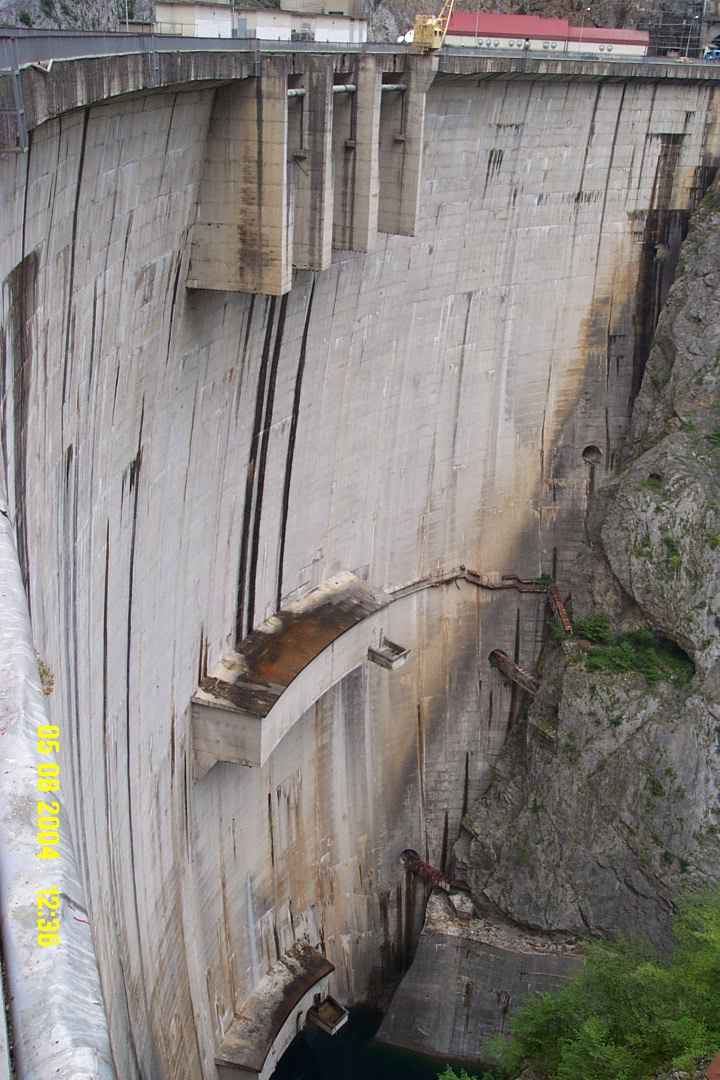
Brana Mratinje – Montenegro’s Hidden Dam Adventure
Discover the tranquil power of the Piva River, the dramatic scenery of Plužine, and a handful of secret springs just a short drive away.
Introduction
If you think Montenegro’s travel bucket list is limited to the glittering Adriatic coast and the rugged peaks of Durmitor, think again. Tucked in the remote valley of Plužine lies Brana Mratinje (Mratinje Dam) – a sleek concrete structure that quietly harnesses the mighty Piva River. While the dam itself isn’t a typical tourist magnet, its dramatic setting, crystal‑clear reservoir, and proximity to untouched natural wonders make it a perfect off‑the‑beaten‑path stop for adventurous travelers, photography lovers, and anyone craving a slice of Balkan serenity.
In this guide we’ll walk you through everything you need to know to make the most of a visit to Brana Mratinje, from getting there and the best time to explore, to nearby springs, waterfalls, and practical travel tips that keep your journey smooth.
About Brana Mratinje
Brana Mratinje (also known as Mratinje Dam) is a hydro‑electric dam on the Piva River in the municipality (Opština) of Plužine, northern Montenegro. Constructed in the 1970s as part of Yugoslavia’s ambitious water‑power program, the dam creates the expansive Piva Lake (also called Lake Piva), one of the deepest and clearest lakes in the Balkans.
- Location: 43.272699 N, 18.842830 E – right on the border between the Piva and Tara river basins.
- Type: Concrete gravity dam (exact height and altitude are not publicly disclosed).
- Purpose: Generates renewable electricity for the region and regulates water flow for downstream communities.
Beyond its functional role, the dam is a striking visual landmark. The concrete wall rises from the turquoise waters, framed by towering pine forests and the jagged silhouettes of the Durmitor mountain range. The reservoir stretches for more than 30 km, offering endless vistas that change with the light—golden at sunrise, sapphire at noon, and mist‑kissed at dusk.
The dam’s significance extends to the local economy. It powers nearby villages, supports irrigation, and has become a quiet hub for eco‑tourism. Small boats, kayaks, and paddle‑boards now glide across the lake, while hikers use the dam’s access roads as a gateway to the spectacular trails of Durmitor National Park, a UNESCO World Heritage site.
How to Get There
By Air
The nearest international gateway is Podgorica Airport (TGD), about 150 km (≈ 2.5 hours) north‑west of Plužine. From the airport, rent a car or catch a bus to the capital, Podgorica, then continue northward.
By Car
Driving is the most flexible way to reach Brana Mratinje:
-
From Podgorica:
- Take the E65/E80 highway north toward Nikšić.
- After Nikšić, follow signs for Plužine on the R-18 regional road.
- The route winds through picturesque valleys, passing the historic Žabljak town before arriving in Plužine. -
From Budva or Kotor (Coastal Route):
- Head inland on the E65/E80 toward Podgorica, then follow the same northern stretch.
The final 15 km from Plužine to the dam is a well‑maintained mountain road (signposted “Mratinje Dam”). Parking is available near the visitor area, with a short walk down to the lake’s shore.
By Public Transport
- Bus: Regular intercity buses run from Podgorica and Nikšić to Plužine. The journey takes roughly 3 hours. Once in Plužine, a local minibus (known as “marš”) or a taxi can take you the remaining 10 minutes to the dam.
- Tour Packages: Several local operators offer day‑trip tours that include transportation, a guide, and optional activities such as kayaking or a hike to nearby springs.
Best Time to Visit
| Season | Weather | Why Visit |
|---|---|---|
| Spring (April‑June) | Mild temperatures (12‑20 °C), blossoming flora | Ideal for photography, bird‑watching, and exploring the nearby springs when water flow is lively. |
| Summer (July‑August) | Warm days (25‑30 °C), occasional thunderstorms | Perfect for swimming, kayaking, and picnicking by the lake. Early mornings are cooler and less crowded. |
| Autumn (September‑October) | Cool, crisp air (10‑18 °C), golden foliage | Excellent for hiking, especially on Durmitor trails, and for capturing dramatic sunset reflections on the water. |
| Winter (November‑March) | Cold, occasional snow (sub‑0 °C) | The dam and lake take on a serene, almost mystical look; however, many road sections may be icy—check conditions before traveling. |
Overall recommendation: Late spring (mid‑May to early June) and early autumn (late September) offer the best blend of comfortable weather, fewer tourists, and vibrant natural colors.
What to Expect
Arriving at Brana Mratinje feels like stepping into a living postcard. The first thing you’ll notice is the stillness of the water, broken only by the occasional ripple of a fish or a distant paddle. The dam itself is an impressive concrete slab, but the real draw is the panoramic lake that mirrors the surrounding mountains.
- Scenic Walks: A short, well‑marked trail circles the reservoir, offering viewpoints at every turn. Look out for the “Piva Sunset Spot”—a rocky outcrop that frames the sun as it sinks behind the Durmitor peaks.
- Water Activities: While there is no formal marina, locals rent small rowboats and inflatable kayaks. The lake’s calm surface makes it a beginner‑friendly spot for paddling.
- Photography: Early morning light paints the water in shades of lavender and gold. Bring a wide‑angle lens to capture the sweeping landscape, and don’t miss the chance to photograph the dam’s silhouette against a dramatic sky.
- Wildlife: Expect to see chamois, red deer, and a variety of birds (including the golden eagle) roaming the hillsides. Keep an eye out for the occasional trout jumping near the dam’s spillway.
Because the dam is a working hydro‑electric facility, you’ll hear a gentle hum from the turbines—an audible reminder of the blend between nature and engineering.
Nearby Attractions
The region around Brana Mratinje is dotted with hidden gems that are perfect for a day‑trip or a quick stop between activities. Below are the most accessible attractions, all within a 7‑km radius:
| Attraction | Distance from Dam | What to See/Do | Link |
|---|---|---|---|
| Unnamed Spring | 3.2 km | Crystal‑clear spring water, ideal for a refreshing drink or a short hike. | — |
| Waterfall Rafting Center | 3.9 km | A small adventure hub offering guided waterfall rafting, zip‑lining, and a picnic area beside a cascading waterfall. | — |
| Unnamed Spring | 4.8 km | A secluded spring surrounded by pine forest; great for meditation and nature photography. | — |
| Unnamed Spring | 5.3 km | Another pristine spring with a natural stone basin—perfect for a quick dip in summer. | — |
| Slavanj Spring | 6.4 km | Known locally as “Slavanj,” this spring feeds a gentle brook that leads into the Piva River. | — |
| Durmitor National Park (UNESCO) | 30 km | Majestic peaks, glacial lakes (including the famous Black Lake), and a network of hiking trails. | Durmitor National Park |
| Plužine Town Center | 8 km | Traditional Montenegrin architecture, local cafés, and a small museum on the Piva River’s history. | — |
Tip: Many of the springs are not marked on standard maps. Ask a local guide or the staff at the Waterfall Rafting Center for the best routes—most are reachable via short, well‑maintained forest paths.
Travel Tips
| Tip | Details |
|---|---|
| Currency | Montenegro uses the Euro (€) despite not being an EU member. ATMs are available in Plužine; bring some cash for small vendors near the springs. |
| Language | Montenegrin (a variant of Serbian) is spoken. English is common among younger locals and tourism staff, but a few basic phrases (“hvala” – thank you, “molim” – please) go a long way. |
| Driving | Roads are generally in good condition, but mountain sections can be narrow and winding. A compact SUV or a sturdy sedan is sufficient. Keep headlights on at all times, as wildlife may cross unexpectedly. |
| Safety | The dam area is safe for walking, but stay on marked trails near the water’s edge. Swimming is allowed, yet currents can be stronger near the spillway—use caution. |
| What to Pack | Comfortable hiking shoes, layered clothing (weather changes quickly), a reusable water bottle, sunscreen, a hat, and a waterproof jacket for occasional summer showers. |
| Connectivity | Mobile coverage is decent in Plužine; however, signal may drop near the dam and remote springs. Consider downloading offline maps beforehand. |
| Local Cuisine | Try the “kačamak” (cornmeal porridge) and fresh trout from the Piva River, often served in rustic taverns (kafanas) in Plužine. |
| Respect the Environment | The area is a protected watershed. Pack out all trash, avoid disturbing wildlife, and stay on designated paths to preserve the pristine springs. |
| Best Photo Spots | – Dawn at the “Piva Sunset Spot” – Reflections of Durmitor peaks on the lake at golden hour – Close‑up of the dam’s spillway during a gentle flow. |
| Guided Tours | If you’re short on time, book a half‑day tour that includes a boat ride on the lake, a visit to the Waterfall Rafting Center, and a short hike to Slavanj Spring. Local operators can be found in Plužine’s town square. |
Final Thoughts
Brana Mratinje may not have the fame of Montenegro’s coastal resorts, but its serene waters, dramatic backdrop, and the cluster of secret springs nearby make it a must‑see for travelers seeking authentic, low‑key experiences. Whether you’re a photographer chasing the perfect sunrise, a kayaker eager for calm waters, or a nature lover wanting to explore hidden springs, the dam and its surroundings deliver a rewarding adventure that feels both intimate and grand.
Pack your camera, lace up your boots, and set your GPS to 43.272699 N, 18.842830 E—the heart of Montenegro’s untamed north awaits. Safe travels!
