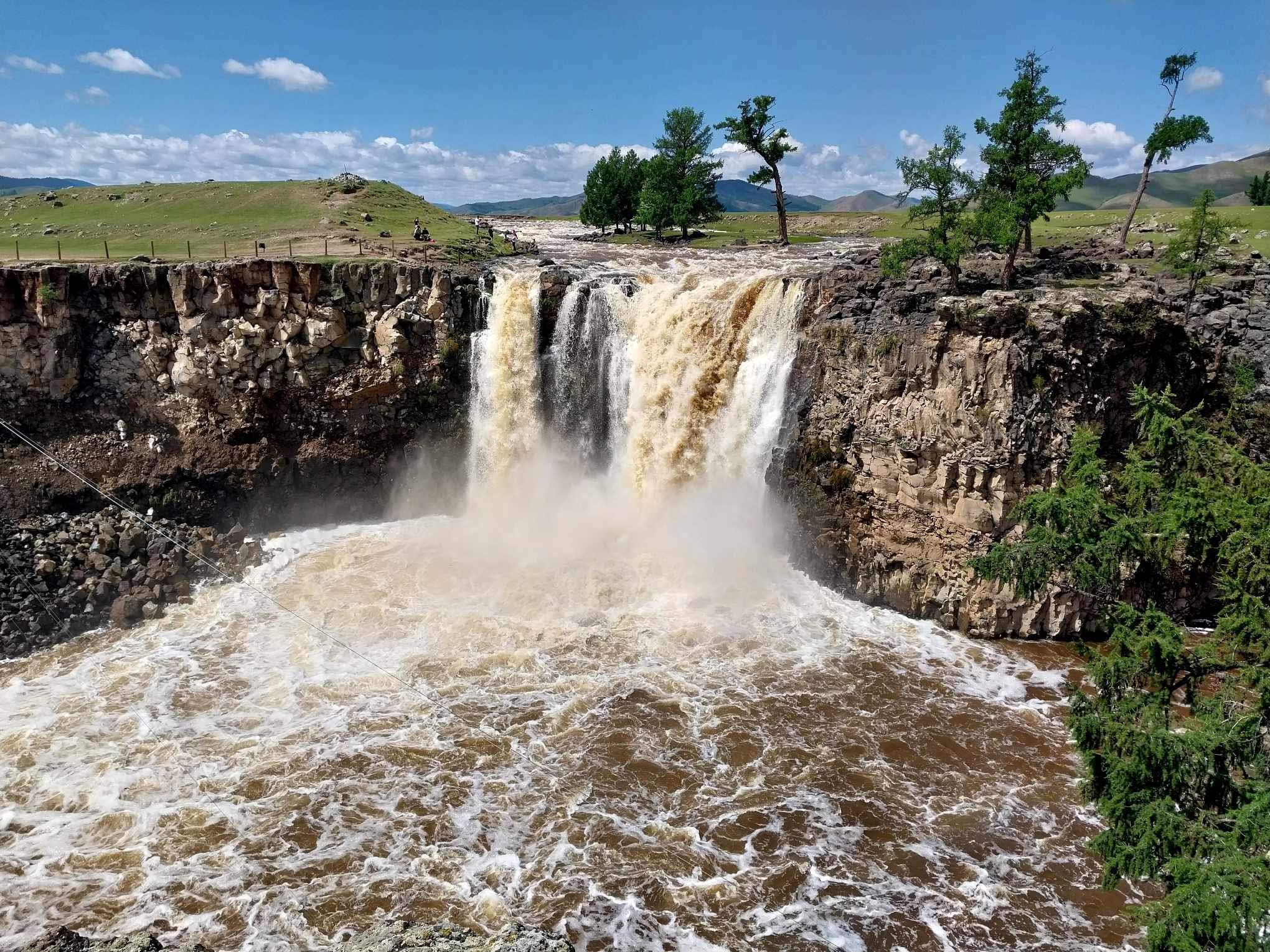
Орхонский водопад – Mongolia’s Hidden Cascading Gem
If you’ve ever chased the roar of water through rugged steppe, the mist‑kissed cliffs of the Orkhon River, or the whisper of pine forests in the high‑altitude valleys, the Орхонский водопад (Orkhon Waterfall) should be at the top of your Mongolian bucket list. Tucked away in the remote OEvoerhangay province, this 24‑metre cascade offers a rare blend of raw natural power and serene beauty that few travelers get to experience.
1. About Орхонский водопад
A quick snapshot
| Feature | Details |
|---|---|
| Name | Орхонский водопад (Orkhon Waterfall) |
| Type | Waterfall 🌊 |
| Location | Ovt, OEvoerhangay, Mongolia |
| Coordinates | 46.787426, 101.960245 |
| Height | 24 m |
| Altitude | Not officially recorded |
| Nearby landmark | Ulaan Tsutgalan Waterfall (0.1 km) |
The Orkhon Waterfall drops a solid 24 meters from a rugged cliff face, feeding the crystal‑clear streams that snake through the valley below. Its name comes from the historic Orkhon River basin, a region steeped in the legacy of the ancient Mongol Empire and the UNESCO‑listed Orkhon Valley Cultural Landscape. While the waterfall itself is not yet a UNESCO site, its proximity to the historic river and the surrounding steppe makes it a natural extension of Mongolia’s cultural tapestry.
History & Significance
Although there is no extensive written record of the waterfall’s discovery, local nomadic families have long considered it a sacred spot. In traditional Mongolian folklore, waterfalls are often seen as the “tears of the earth,” symbols of renewal and fertility. The Орхонский водопад, perched near the famed Ulaan Tsutgalan (literally “Red Waterfall”), is part of a cluster of cascades that have served as watering holes for wildlife and livestock for centuries.
The waterfall also plays a subtle role in the region’s ecology. The mist created by the falling water supports a micro‑habitat for mosses, lichens, and a variety of alpine insects—an oasis of green in an otherwise arid landscape. For trekkers and birdwatchers, the area around the Orkhon Waterfall is a prime spot to spot rare steppe birds and even the occasional snow leopard in the higher reaches of the surrounding hills.
2. How to Get There
From Ulaanbaatar to OEvoerhangay
-
Fly to Ölgii or Khovd – The fastest way to reach the western part of Mongolia is to catch a domestic flight from Ulaanbaatar to either Ölgii (the capital of Bayan‑Ölgii) or Khovd (the capital of Khovd Province). Both airports have regular connections with the capital.
-
Road Transfer – From either Ölgii or Khovd, hire a 4×4 vehicle or join a guided tour heading east toward the OEvoerhangay district. The journey is roughly 300–350 km on gravel roads, winding through rolling steppes, occasional sand dunes, and small nomadic settlements. Expect 6–8 hours of driving, depending on road conditions.
-
Local Navigation – Once you reach the small settlement of Ovt, the waterfall is only a short hike away. Use the GPS coordinates 46.787426, 101.960245 to pinpoint the trailhead. Most local guides will know the path, which is well‑marked by stone cairns and occasional wooden signposts.
Public Transport (for the adventurous)
- Bus – There are infrequent regional buses that run between Khovd and the OEvoerhangay district. They stop at larger villages; you’ll need to arrange a taxi or a horseback ride for the final stretch to Ovt.
- Horseback – For an authentic Mongolian experience, consider hiring a local herder to take you on horseback. The ride can be a memorable way to soak in the open horizon and meet nomadic families along the way.
Practical Tips
- Permits – No special permits are required to visit the waterfall, but if you plan to camp in the protected steppe zones, a simple landowner permission (usually obtained through your guide) is appreciated.
- Fuel – Fill up your vehicle in Khovd or Ölgii. Fuel stations are scarce beyond the main towns, and running out of diesel in the steppe can be a serious issue.
- Internet – Mobile coverage is limited; consider downloading offline maps (e.g., MAPS.ME) before you set off.
3. Best Time to Visit
| Season | Weather | Water Flow | Visitor Experience |
|---|---|---|---|
| Spring (April‑May) | Cool, occasional snow melt | Moderate – water levels rise with meltwater | Fewer tourists, vibrant wildflowers starting to bloom |
| Summer (June‑August) | Warm to hot, occasional thunderstorms | High – best waterfall volume | Peak season, good for swimming, but expect more visitors |
| Autumn (September‑October) | Crisp, golden foliage | Lower – water recedes slightly | Ideal for photography, comfortable hiking temperatures |
| Winter (November‑March) | Sub‑zero, snow‑covered landscape | Low – partially frozen | Rarely visited; only for intrepid winter trekkers |
Top recommendation: Late June to early September offers the most reliable water flow, pleasant daytime temperatures (15‑25 °C), and the longest daylight hours for exploring the surrounding steppe.
4. What to Expect
The Approach
The trail to Орхонский водопад begins at a modest wooden bridge crossing a shallow stream. As you ascend the gentle slope, the sound of rushing water becomes louder, guiding you like a natural compass. The path is a mix of compacted earth, occasional rocky steps, and grassy patches—easy enough for most hikers with a moderate fitness level.
The Cascade
Reaching the waterfall’s base, you’ll be greeted by a powerful curtain of water plunging 24 meters into a turquoise pool. The surrounding cliffs are draped with lichen and hardy alpine shrubs, and a fine mist hangs in the air, creating a refreshing coolness even on hot summer days. The pool is clear enough for a quick dip, though the water can be chilly.
Wildlife & Flora
- Birds: Golden eagles, steppe buzzards, and the occasional Siberian crane can be spotted soaring above the canyon.
- Mammals: Marmots and ibex often linger near the rocky outcrops.
- Plants: Alpine poppies, wild thyme, and the iconic Ulaan Tsutgalan red‑tinged mosses add splashes of colour.
Photography
- Golden hour (just after sunrise or before sunset) casts a warm glow on the waterfall, making the mist sparkle.
- Long exposure shots capture the silky motion of the water—bring a tripod for the best results.
5. Nearby Attractions
While the Орхонский водопад is the star of the show, the surrounding OEvoerhangay district offers several other natural wonders within a short drive:
| Attraction | Distance from Орхонский водопад | Type | Quick Link |
|---|---|---|---|
| Ulaan Tsutгалан | 0.1 km | Waterfall | Ulaan Tsutgalan Wikipedia |
| Unnamed Waterfall #1 | 0.7 km | Waterfall | (local guide can provide exact name) |
| Small Waterfall | 1.5 km | Waterfall | (see local trail map) |
| Unnamed Waterfall #2 | 19.2 km | Waterfall | (off‑road adventure) |
| Unnamed Spring | 21.2 km | Spring | (refreshing stop for trekkers) |
Tip: Most of these sites are accessible via the same unpaved road that leads to Оvt. Ask your guide for a “waterfall tour” – many local operators bundle the cascades into a half‑day excursion, allowing you to hop from one misty pool to the next.
6. Travel Tips
| Tip | Details |
|---|---|
| Hire a local guide | Knowledgeable guides know the safest routes, can translate nomadic stories, and often negotiate better prices for meals and transport. |
| Pack layered clothing | Weather can shift quickly; a windproof jacket, warm layers, and a hat are essential even in summer. |
| Stay hydrated | The steppe air is dry. Carry at least 2 L of water per person per day. |
| Bring cash | Rural Mongolia operates mostly on cash (MNT). ATMs are only in major towns like Khovd. |
| Respect the land | Follow “Leave No Trace” principles. Do not pick plants or disturb wildlife. |
| Cultural etiquette | When visiting nomadic families, ask permission before taking photos of people or livestock. |
| Safety | Mobile reception is spotty; share your itinerary with a friend and consider a satellite messenger for emergencies. |
| Food | Try local dishes such as buuz (steamed dumplings) and airag (fermented mare’s milk) at roadside tea houses. |
| Photography gear | A wide‑angle lens captures the full cascade; a polarizing filter reduces glare on the water surface. |
| Travel insurance | Ensure your policy covers off‑road travel and possible medical evacuation. |
7. Final Thoughts
The Орхонский водопад may not yet have the fame of Mongolia’s larger attractions, but that’s precisely why it feels like a secret treasure waiting to be discovered. Its 24‑metre plunge, the surrounding chorus of birds, and the raw, untouched steppe create an unforgettable experience that resonates long after you leave. Whether you’re a seasoned trekker, a photography enthusiast, or simply a traveler craving a genuine slice of Mongolian wilderness, the Orkhon Waterfall offers a perfect blend of adventure, culture, and natural beauty.
Pack your boots, charge your camera, and set your compass for OEvoerhangay—Mongolia’s hidden waterfall awaits.
Happy travels, and may the mist of the Орхонский водопад refresh your spirit!