Barrage hydroélectrique de Manantali – A Hidden Gem for Adventurous Travelers in Mali
Discover the awe‑inspiring concrete marvel that powers West Africa, set against the tranquil backdrop of the Niger River.
Introduction
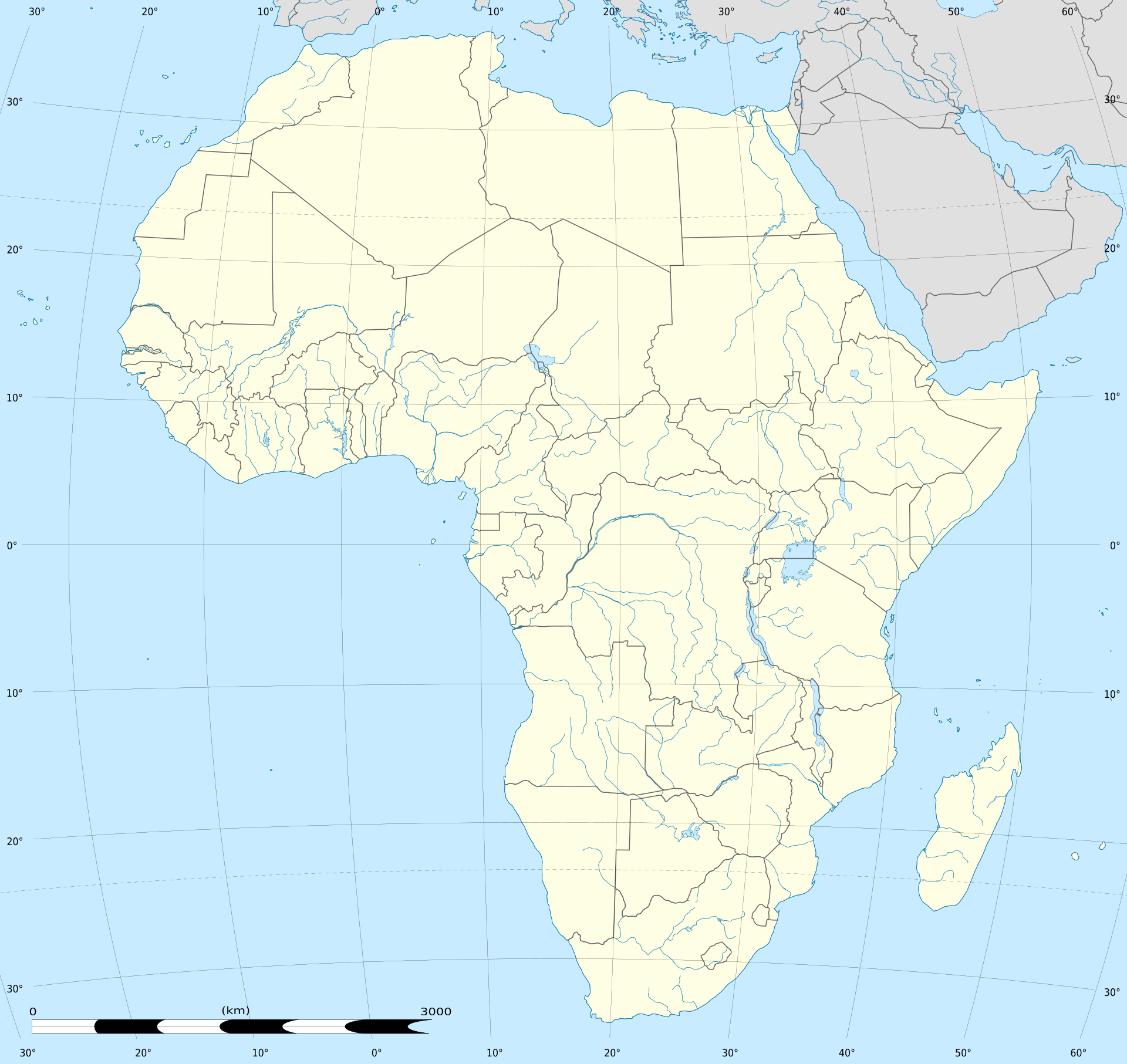
If you think Mali’s travel highlights are limited to the bustling streets of Bamako or the ancient mud‑brick city of Djenné, think again. Nestled in the remote Sahelian landscape of Kokofata, the Barrage hydroélectrique de Manantali (Manantali Dam) is a striking 70‑metre‑tall concrete structure that not only fuels the region’s electricity grid but also offers a surprisingly rewarding stop for road‑trippers, nature lovers, and engineering enthusiasts alike. With its dramatic river vistas, sweeping panoramas, and a cluster of hidden waterfalls just a short drive away, the dam is fast becoming a must‑see waypoint on the “off‑the‑beaten‑path” circuit of Mali.
About Barrage hydroélectrique de Manantali
A Brief History
The Manantali Dam was conceived in the early 1980s as a joint project between Mali, Senegal, and Mauritania, aiming to harness the power of the Niger River for hydroelectric generation. Construction began in 1982 and the dam officially entered service in 1989. Today, the facility remains a cornerstone of West African energy infrastructure, delivering clean electricity to millions of households across three nations.
Technical Highlights
- Location: Kokofata, Mali (coordinates 13.197369 N, ‑10.429478 W)
- Height: 70 m (≈ 230 ft) of concrete gravity wall
- Reservoir: The expansive Lake Manantali stretches over 2,000 km², creating a unique micro‑climate that supports local fisheries and birdlife.
While the dam itself is not a typical tourist attraction—there are no regular visitor centers or guided tours—the sheer scale of the structure, combined with the surrounding savannah scenery, makes it an unforgettable visual experience. The dam’s spillways roar during the rainy season, offering a dramatic display of engineering prowess against nature’s raw power.
Why It Matters
Beyond electricity, the Manantali Dam plays a vital role in regional development:
- Agriculture: The regulated water flow supports irrigation schemes downstream, boosting crop yields.
- Fisheries: Lake Manantali is a thriving fishing ground, providing livelihoods for nearby villages.
- Ecotourism: The reservoir and its surrounding wetlands attract birdwatchers and wildlife photographers from around the globe.
For travelers, the dam is a living lesson in how infrastructure can shape a landscape—and a perfect backdrop for stunning photos.
How to Get There
By Air
The nearest major airport is Bamako‑Sénou International Airport (BKO). From Bamako, you can charter a small plane to Kayes Airport (KYS), which lies roughly 150 km north of Manantali. Some local operators also offer direct flights to a modest airstrip near the dam, but schedules are limited and should be booked well in advance.
By Road
The most common way to reach Manantali is via the N1 highway that links Bamako to Kayakoro and onward to the Senegalese border.
- Bamako → Kayes – 440 km (≈ 6‑7 hours) on paved road.
- Kayes → Manantali – 150 km northward on the RN1, then a turn onto the D12 local road that leads straight to Kokofata. The final 30 km are unpaved but well‑maintained, especially during the dry season.
Tip: Hire a 4×4 vehicle with a reliable driver familiar with the Sahelian terrain. Public minibusses (known locally as “chemin de fer”) run irregularly, so private transport is the safest option.
By River
For the truly adventurous, a boat trip on the Niger River can bring you close to the dam’s spillways. Local fishermen often offer short excursions, but this method is seasonal (high water from July to October) and requires a knowledgeable guide.
Best Time to Visit
| Season | Weather | Why Visit? |
|---|---|---|
| Dry Season (Nov – May) | Clear skies, low humidity, temperatures 25‑35 °C | Ideal for road travel, photography, and comfortable hiking around the reservoir. |
| Rainy Season (June – Oct) | Frequent showers, river levels rise, temperatures 28‑38 °C | Spectacular waterfall flow, dam spillways in full action, vibrant greenery. |
Recommendation: Aim for late November to early February. The roads are dry, the air is crisp, and you’ll catch the dam’s turbines humming at a steady pace—perfect for capturing that iconic “water meets concrete” shot.
What to Expect
Visual Experience
Approaching the dam, the first thing that strikes you is the massive concrete wall cutting across the Niger’s turquoise waters. From the main observation point (a modest gravel parking area on the east bank), you can walk along a short promenade that offers panoramic views of the spillways, the lake’s shimmering surface, and the distant Sahelian hills.
Sounds & Sensations
- The roar of water: When the spillway gates open, a thunderous cascade echoes across the valley—an unforgettable soundscape for any traveler.
- Birdsong: The reservoir’s wetlands attract species like the African Fish Eagle, her distinctive call adding a natural soundtrack to the industrial scene.
Photographic Highlights
- Sunrise over the dam: The early light paints the concrete in gold, while mist rises from the water.
- Night lights: If you’re lucky to be there after dark, the turbine hall’s subtle illumination creates a surreal, almost futuristic glow.
Amenities
Facilities are minimal. Expect a small kiosk selling bottled water and snacks, and basic restrooms near the parking area. Bring your own supplies, especially if you plan to stay for several hours.
Nearby Attractions
While the Manantali Dam is the star of the show, the surrounding region hides several picturesque waterfalls that make perfect day‑trip stops. All distances are measured from the dam’s main entrance.
| Waterfall | Distance | Location | Quick Note |
|---|---|---|---|
| [Unnamed Waterfall 1] | 19.4 km | Near Kokofata, Mali | A short drive leads to a tranquil cascade set in a lush pocket of vegetation—ideal for a quick dip. |
| [Unnamed Waterfall 2] | 50.1 km | Kayes, Mali | Larger flow, surrounded by rocky outcrops; popular with local picnickers. |
| [Unnamed Waterfall 3] | 60.0 km | Near Kokofata, Mali | Remote and less visited, offering a sense of solitude. |
| Chutes de Billy | 60.1 km | Near Kokofata, Mali | Known for its tiered drops and vibrant mossy rocks—great for photography. |
| [Unnamed Waterfall 4] | 61.8 km | Kayes, Mali | A scenic spot where the water plunges into a natural pool, perfect for a refreshing break. |
All waterfall sites are reachable via the same D12 road that leads to the dam. Pack a swimsuit, a towel, and plenty of sunscreen.
Travel Tips
| Tip | Details |
|---|---|
| Bring cash | ATMs are scarce outside Bamako; small villages accept only CFA francs. |
| Stay hydrated | The Sahel can be deceptively dry, even during the rainy season. |
| Dress modestly | Respect local customs—light, loose‑fitting clothing that covers shoulders and knees is advisable. |
| Sun protection | A wide‑brimmed hat, sunglasses, and high‑SPF sunscreen are essential. |
| Vehicle prep | If driving, carry spare tires, a jack, and enough fuel for the return trip—fuel stations are few between Kayes and Manantali. |
| Local guide | Hiring a local driver or guide not only ensures safety but also enriches your experience with stories about the dam’s construction and the surrounding communities. |
| Timing the spillway | Check with locals for the schedule of gate openings; the most dramatic water flow usually occurs in the early afternoon. |
| Safety near water | The reservoir’s edges can be slippery; keep an eye on children and stay away from the turbine area. |
| Respect the environment | Pack out all trash, avoid littering near the waterfalls, and stay on marked paths to protect fragile habitats. |
Final Thought
The Barrage hydroélectrique de Manantali may not appear on every travel brochure, but its blend of engineering marvel, natural beauty, and cultural significance makes it a rewarding destination for the intrepid explorer. Whether you’re snapping sunrise over the concrete wall, listening to the thunderous spillway, or cooling off at a nearby waterfall, the dam offers a slice of Mali that’s both authentic and unforgettable. Pack your camera, fuel up the 4×4, and set your compass for Kokofata—adventure awaits!